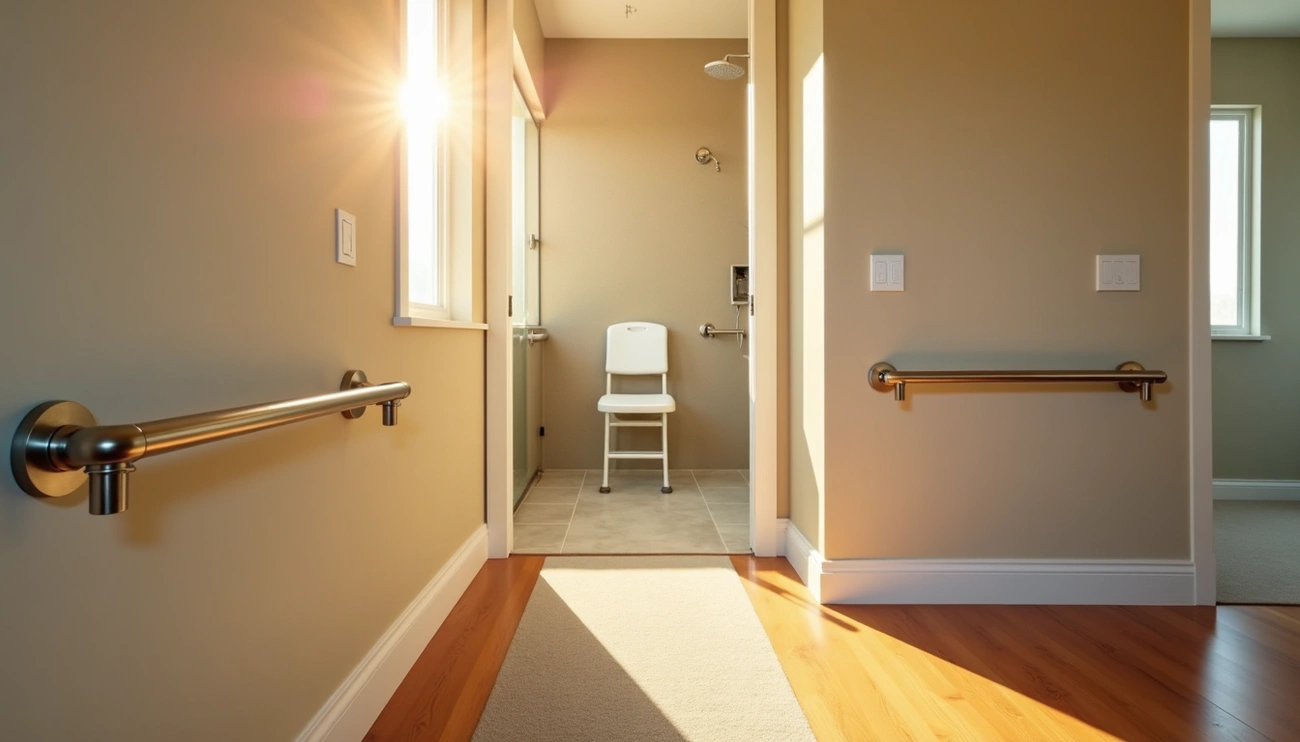

Finding affordable housing for elderly individuals can be challenging as baby boomers age and require appropriate living arrangements. Baby boomers who are 65 and above are expected to exceed the total number of all other age groups combined, recording more than 200% growth from 2015 to 2050. This demographic shift creates significant pressure on senior housing availability and affordability nationwide.
The costs associated with different senior living options vary dramatically. Median assisted living prices are approximately $4,500 a month, while median nursing home prices are approximately $8,000 a month for a shared room and about $9,000 for a private room. Rising healthcare costs combined with limited financial resources have many seniors struggling to manage their housing expenses. This situation presents particular challenges for low-income seniors who must research a complex system of housing options.
There are solutions available. The Department of Housing and Urban Development (HUD) sponsors two programs specifically designed to provide affordable housing to low-income seniors. For those who qualify-typically seniors age 62 or older with limited income-these programs can provide significant relief. Under these programs, rent is often based on adjusted gross income, with residents paying about 30% of their adjusted income for housing.
This guide examines why senior housing costs continue to rise, explores the various housing options available at different price points, and provides practical strategies to help you or your loved ones find affordable senior housing solutions. Whether you’re planning ahead or facing an immediate need, understanding these options can help you make informed decisions about senior housing.
Why senior housing costs are rising
Senior housing prices have increased significantly in recent years, creating financial challenges for older adults on fixed incomes. Several interconnected factors drive this trend.
1. Growing demand from aging population
The demographic shift toward an older America affects the housing market substantially. The senior population increased from 21% in 2000 to 29% in 2017, with projections reaching 33% by 2040. The 80+ population will grow by more than a quarter in the next five years and nearly double by 2035. Between 2012 and 2022 alone, the population of adults 65 and over increased by 34%, reaching 58 million. This surge in elderly individuals seeking appropriate housing options has created significant demand pressures.
2. Limited supply of affordable units
Despite growing demand, the supply of senior-appropriate housing remains inadequate. Only 10% of the country’s housing units are ready to accommodate older people, as most homes have entryway steps, upstairs bedrooms and bathrooms, or inaccessible bathrooms. Additionally, 95% of seniors prefer to age in place, which keeps 1.6 million homes off the market. To meet market demand at peak levels, supply growth must increase by 35,000-45,000 units per year – yet less than 10,000 units were delivered over the past year.
3. Rising healthcare and service costs
Healthcare integration with housing adds another layer of expense. Senior housing residents typically have annual healthcare spending between $20,000 and $30,000. The average cost of in-home care is $100 daily, whereas assisted living facilities cost an average of $63,000 annually. Given that 70% of adults ages 65+ will require long-term care services at some point, these costs significantly impact affordable housing for elderly individuals.
4. Inflation and construction expenses
Inflation has affected the senior housing market substantially. The average asking rent for seniors housing was $4,958 in early 2023, representing a 5.3% increase from the previous year – the highest year-over-year increase in data collection history. Monthly resident fees at independent-living facilities rose by as much as 12% in 2022. Additionally, rising costs of building materials, labor, and land have led to higher development expenses, making affordable senior housing more difficult to achieve.
How Different Housing Types Impact Cost
The type of senior housing you choose dramatically affects your total living expenses. Understanding these cost variations helps you make informed decisions for long-term care planning.
Independent living vs assisted living
Independent living communities offer maintenance-free lifestyles without full-time medical care, costing approximately $3,145 monthly. This option provides communal amenities and services such as housekeeping and meals, but typically doesn’t include assistance with activities of daily living (ADLs).
Assisted living averages $5,350 monthly because it includes personalized care services like medication management and help with daily activities. The nearly $1,800 monthly difference reflects the hands-on care residents receive. If your senior loved one can manage their own household tasks and personal care, independent living offers the most economical option.
Continuing care retirement communities (CCRCs)
CCRCs represent a unique financial model, offering the entire spectrum of senior care-from independent living through skilled nursing-on a single campus. These communities require a significant upfront investment with entrance fees averaging $129,298 but potentially ranging from $50,000 to $500,000.
Monthly costs average $3,747 but can range from $2,500 to $6,000 depending on contract type. Though initially expensive, CCRCs can prove cost-effective long-term since healthcare costs are contractually established upon move-in, protecting against future inflation.
In-home care vs facility-based care
For seniors preferring to age at home, in-home care costs approximately $30 hourly. This option works well for part-time assistance with specific tasks. However, when round-the-clock assistance becomes necessary, costs escalate to about $19,656 monthly, exceeding nursing home expenses.
Nursing facilities charge $8,669 monthly for semi-private rooms and $9,733 for private accommodations. For comprehensive care needs, facility-based options become more financially practical than full-time in-home assistance.
Low income senior housing options
Affordable housing programs remain vital for low-income seniors. Under HUD’s Section 202 program, qualifying seniors typically pay just 30% of their adjusted income for housing. However, demand far outpaces supply-approximately 200,000 older adults currently wait on lists with average wait times stretching 7-10 years.
Government or private sources may offer affordable residential options for seniors with limited resources. The key is understanding eligibility requirements and applying early.
Government Programs That Can Help
For seniors struggling with rising housing costs, several federal programs provide vital financial assistance. These government initiatives can significantly reduce housing expenses for qualified elderly individuals.
HUD Section 202 Supportive Housing
The Section 202 Supportive Housing for the Elderly Program specifically serves seniors aged 62 and older with very low incomes. This program provides affordable housing and offers supportive services like meals, transportation, and housekeeping. Residents typically pay just 30% of their adjusted income for rent, with the government covering the remainder. Currently, the average resident is 79 years old, with 90% being single women. One limitation is the extensive waiting period – multiple year waits are standard.
Housing Choice Voucher Program (HCVP)
Formerly known as Section 8, this program helps low-income families, elderly persons, and individuals with disabilities afford housing in the private market. Participants can choose from various housing types, including single-family homes, townhouses, and apartments. Generally, tenants pay approximately 30% of their adjusted monthly income toward rent and utilities.
To qualify, applicants must meet several requirements:
- Have very low income (typically below 50% of the area median income)
- Be U.S. citizens or eligible non-citizens
- Have valid Social Security numbers
Applications must be submitted through local Public Housing Agencies.
Low-Income Housing Tax Credit (LIHTC)
LIHTC represents the most substantial resource for creating affordable housing in America today. This program provides approximately $10.50 billion in annual budget authority to state and local agencies to issue tax credits for developing rental housing for lower-income households. LIHTC encourages developers to build properties affordable to those making less than the average median income. From 2000 through 2016, this program supported the construction or rehabilitation of an average of 115,000 affordable rental units annually.
Public Housing and Homeflex Programs
Public housing provides eligible low-income families, including older adults and those with disabilities, affordable housing options ranging from single-family houses to high-rise apartments. Public Housing Agencies (PHAs) administer these programs locally, determining eligibility based primarily on income level and family size. The wait time for public housing assistance has increased in recent years from 9 months to 13 months on average.
Local Senior Housing Assistance Programs
Beyond federal initiatives, many communities offer localized senior housing assistance. These programs vary by location but often provide additional subsidies or services tailored to regional needs. Contacting a HUD-approved housing counselor can help seniors navigate these options if they have questions about their specific situation. Seniors should research thoroughly to determine what kind of assistance they need, what their health insurance might cover, and what they can afford before applying.
What You Can Do to Manage Housing Costs
Managing rising senior housing costs requires planning ahead and exploring multiple options. The following strategies can help you find affordable housing solutions that meet your needs and budget.
Apply for affordable senior housing early
Waiting lists for affordable housing programs often stretch 7-10 years. Starting your search and application process well before you need to move is crucial. Housing vouchers and public housing programs typically have extensive waitlists, so the earlier you apply, the better your chances of securing a spot when you need it. Contacting your local Public Housing Agency is the first step toward finding participating locations and understanding application requirements.
Consider downsizing or shared housing
Downsizing can reduce monthly expenses while simplifying your living situation. Selling a larger home can free up equity and decrease maintenance costs. Homesharing presents another option that offers both financial and social benefits. Seniors who share housing typically save between $1,000-$1,500 monthly, potentially accumulating savings of approximately $15,000-$22,200 annually. Beyond financial advantages, shared living can reduce isolation and improve emotional well-being.
Use benefits check tools and local advisors
Billions in available benefits go unclaimed yearly because seniors are unsure of eligibility. NCOA’s BenefitsCheckUp is a free, confidential online tool that connects older adults with programs they might qualify for based on their location. This service has helped millions receive assistance with food, utilities, medicine, and housing costs. You can get started by entering your ZIP code, answering some questions, and receiving a personalized report of potential benefits.
Explore reverse mortgages or home equity
For homeowners aged 62+, reverse mortgages allow you to convert home equity into cash without selling or making monthly mortgage payments. The most common type is the Home Equity Conversion Mortgage (HECM), insured by the Federal Housing Administration. This option isn’t ideal for everyone. Before proceeding, consult with a HUD-approved counselor who can explain alternatives, costs, and potential impacts on inheritance or government benefits eligibility.
Join a Village or community support network
The Village Movement represents a grassroots approach where members pay annual fees (averaging $450) to access services that enable aging in place. These community networks coordinate services, reduce isolation, and help seniors maintain independence. Currently, over 300 Villages exist nationwide, with many more in development. Village membership typically includes transportation, home maintenance assistance, and social activities that foster connection while reducing the financial burden of aging.
Bottom Line
The senior housing landscape presents challenges today, especially as costs continue to rise faster than many fixed incomes can accommodate. The major factors driving these increases include demographic shifts, supply shortages, healthcare costs, and inflation.
The right housing choice depends on individual needs and financial circumstances. Independent living offers a more economical option for those who remain self-sufficient, while assisted living provides necessary care services at a premium. CCRCs, though requiring substantial upfront investment, may save money long-term through predictable healthcare costs.
Government assistance programs serve as lifelines for many seniors facing housing insecurity. HUD Section 202, Housing Choice Vouchers, and LIHTC developments offer viable solutions, though waitlists underscore the importance of early planning.
There are practical steps you can take now to address these challenges. Starting your affordable housing search years before you need it, considering downsizing or homesharing arrangements, and utilizing benefits check tools can improve your housing options. Exploring financial tools like reverse mortgages or joining community support networks provides alternatives that extend beyond traditional housing models.
The rising cost of senior housing requires you to be proactive rather than reactive. Despite these challenges, affordable and appropriate housing remains attainable with proper planning, research, and informed decision-making. Regardless of your current situation, taking action today will improve your housing security tomorrow.
Key Takeaways
Rising senior housing costs are driven by unprecedented demand as the 65+ population grows 34% while supply remains critically short, with only 10% of homes suitable for aging adults.
• Apply for affordable housing programs 7-10 years early due to extensive waitlists for HUD Section 202 and Housing Choice Vouchers • Consider downsizing or homesharing to save $1,000-$1,500 monthly while reducing isolation and maintenance costs • Use NCOA’s BenefitsCheckUp tool to discover unclaimed benefits that could cover housing, utilities, and healthcare expenses • Explore reverse mortgages if you’re 62+ and own your home to convert equity into cash without monthly payments • Join Village Movement networks for $450 annually to access services that enable aging in place affordably
Government programs like HUD Section 202 can reduce housing costs to just 30% of adjusted income for qualifying seniors, making early application essential. The key is proactive planning rather than waiting until housing becomes an immediate crisis.
FAQs
Q1. Why are senior housing costs increasing? Senior housing costs are rising due to several factors, including growing demand from an aging population, limited supply of affordable units, rising healthcare and service costs, and inflation. The surge in elderly individuals seeking appropriate housing has created unprecedented demand pressures, while the supply of senior-appropriate housing remains inadequate.
Q2. What are the most affordable housing options for seniors? The most affordable housing options for seniors include government-assisted programs like HUD Section 202 Supportive Housing and the Housing Choice Voucher Program. These programs can significantly reduce housing costs for qualifying low-income seniors. Additionally, considering options like downsizing, shared housing, or joining community support networks like Villages can help manage costs.
Q3. How do different types of senior housing compare in terms of cost? Different types of senior housing vary significantly in cost. Independent living communities are generally less expensive than assisted living facilities, which provide more comprehensive care services. Continuing Care Retirement Communities (CCRCs) require a substantial upfront investment but can be cost-effective long-term. In-home care can be economical for part-time assistance, while facility-based options may be more practical for full-time care.
Q4. What government programs are available to help seniors with housing costs? Several government programs assist seniors with housing costs, including HUD Section 202 Supportive Housing, the Housing Choice Voucher Program (formerly Section 8), Low-Income Housing Tax Credit (LIHTC) properties, and public housing. These programs typically allow qualifying seniors to pay around 30% of their adjusted income for housing.
Q5. What steps can seniors take to manage rising housing costs? Seniors can manage rising housing costs by applying for affordable housing programs early, considering downsizing or shared housing arrangements, using benefits check tools to identify potential assistance programs, exploring reverse mortgages or home equity options if they own their home, and joining community support networks like Villages. It’s crucial to start planning early and explore all available options to find the most suitable and affordable housing solution.