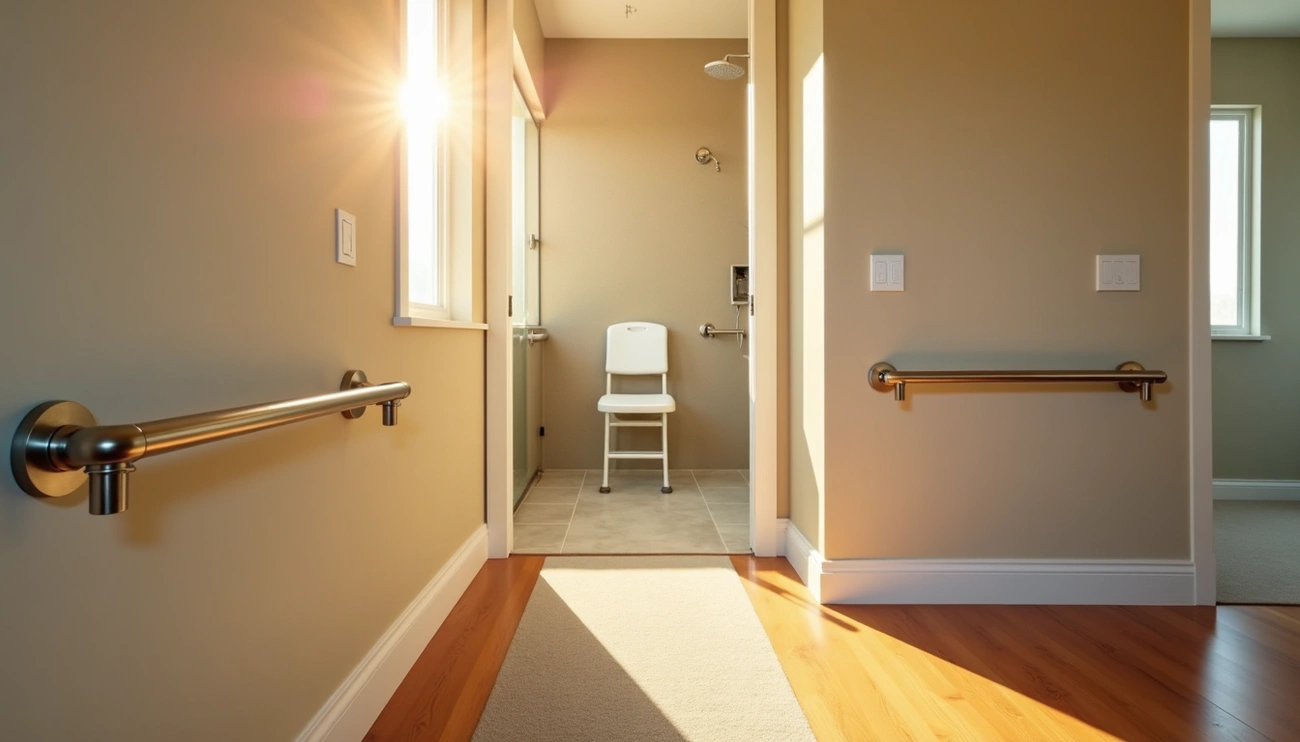

Falls represent the leading cause of injury and injury-related death for adults over 65. The CDC reports that more than 14 million older adults fall each year, with approximately 37% requiring medical treatment for their injuries. This Medical Guardian review explores one potential solution for addressing this concern that affects nearly one in four adults annually.
Understanding the true costs becomes essential when you research medical alert systems. Medical Guardian systems range from $27.95 to $46.95 monthly, depending on which plan you select. These monthly rates cost about $20 less than competitors like Life Alert, though health insurance typically does not cover these expenses.
Medical Guardian stands out for offering some of the longest ranges in the medical alert industry – up to 1,400 feet. The company provides both at-home and portable systems, with at-home options starting around $27.95 per month and portable systems beginning at $38.95 monthly. Their emergency response agents answer calls within an average of eight seconds, delivering quick assistance when you need it most.
This review examines Medical Guardian devices in detail, breaks down all costs including potential hidden fees, and helps you determine whether this medical alert system provides good value for your specific situation.
What Is Medical Guardian and Who Is It For?
Medical Guardian serves as a leading provider of personal emergency response systems that connect users with emergency assistance at the push of a button. Since 2005, this company has helped more than 200,000 older adults across the United States maintain their independence. Rather than simply dialing 911, Medical Guardian maintains your personal information on file and can dispatch emergency services directly to your location.
Overview of Medical Guardian alert systems
Medical Guardian systems offer more than basic emergency response. Their services include wireless connectivity, GPS tracking, and fall detection technology. The monitoring center employs 100% U.S.-based professionals who receive 911 training and emergency response certification. These operators can provide emergency responders with essential information, including your medications, preferred hospital, and medical conditions that might affect EMT treatments.
The company holds Five-Diamond Certification for its monitoring centers, which requires meeting specific standards:
- Commitment to random inspections by the Occupational Health and Safety Administration
- High levels of customer service
- Ongoing job-related education for call center employees
Medical Guardian devices connect you to this monitoring center during emergencies, and they provide non-emergency assistance 24/7. The company offers response flexibility – dispatching emergency services when necessary or contacting a caregiver for non-emergency situations.
Target users: seniors, caregivers, and active adults
Medical Guardian primarily serves older adults, particularly those at risk of falling. This concern carries significant weight, given that 1 in 4 people age 65 or older falls each year, and experiencing one fall doubles the likelihood of falling again. Quick assistance proves crucial – 90% of older adults who receive help within one hour after a fall can return home and resume normal activities.
The systems benefit several groups beyond seniors:
Caregivers and family members find peace of mind knowing their loved ones have immediate access to help. The MyGuardian portal allows caregivers to set medication reminders, track location history, and establish a call chain including siblings, neighbors, or friends.
Active adults with medical conditions – particularly those with chronic conditions, balance issues, or medications that increase fall risk – can benefit from the protection.
Individuals living alone may find value in having emergency assistance available, regardless of their age.
Types of devices: in-home vs mobile
Medical Guardian offers two main device categories to match different lifestyles:
In-home systems include the MGHome Landline and MGHome Cellular. These work well for people who spend most of their time at home. The MGHome Landline connects through existing telephone lines, providing the most affordable option at $31.95 per month. The MGHome Cellular operates on AT&T’s cellular network without requiring a landline connection.
Mobile systems serve active individuals who frequently leave home:
- MGMini and MGMini Lite – Portable pendants featuring GPS location tracking that function anywhere in the USA on AT&T’s 4G LTE network. The MGMini provides the longest battery life among portable options, lasting up to five days between charges.
- MGMove – A medical alert smartwatch with built-in GPS plus additional features such as step counting, voice texting to loved ones, medication reminders, and weather updates. This device provides protection while maintaining an elegant appearance that doesn’t resemble traditional medical alert equipment.
All Medical Guardian devices feature water-resistant design, making them suitable for shower use where falls frequently occur. This provides a significant advantage over cell phones, which may not be nearby during emergencies and typically lack water resistance.
Medical Guardian has established a strong reputation for quality medical alert devices, making it a solid choice for those who want to maintain independence while ensuring their safety.
Medical Guardian Device Options and Key Features
Medical Guardian provides several device options to accommodate different lifestyles and care needs. Each system offers specific capabilities designed to help you maintain independence while ensuring access to emergency assistance. Consider the following options when evaluating which Medical Guardian device might work best for your situation.
MGMove: Medical Alert Smartwatch
The MGMove represents Medical Guardian’s smartwatch option, combining emergency protection with modern technology features. This device includes a touchscreen interface and a discrete emergency button on the side for quick access to help. The MGMove offers several additional wellness features:
- Step and activity tracking to monitor daily movement
- Weather updates for planning outdoor activities
- Speech-to-text technology for easy communication with loved ones
- Calendar notifications and medication reminders
The MGMove connects through 4G LTE, GPS, and Wi-Fi networks for reliable service and accurate location tracking. Response time tests show the MGMove connects to operators in approximately 20 seconds, faster than other Medical Guardian devices. The battery life lasts 18-24 hours before needing a recharge, and the watch charges relatively quickly in just 1-2 hours.
MGMini and MGMini Lite: Portable Protection Options
For those seeking portable protection, the MGMini and MGMini Lite provide mobile solutions with different wearing styles. The MGMini can be worn as a pendant or attached to a belt clip, giving you flexibility in how you carry it. This device offers impressive battery life of up to 5 days on a single 4-hour charge, making it suitable for those who might forget to charge devices daily.
The MGMini Lite functions exclusively as a wristwatch and weighs just one ounce-about the same as a pencil. Its battery lasts up to 36 hours and requires 2-3 hours to fully charge. Both devices include built-in two-way speakers for direct communication with emergency operators and work on nationwide cellular networks for coverage virtually anywhere in the US.
MGHome Cellular and Landline: At-Home Systems
Medical Guardian’s at-home options provide reliable protection for those who primarily stay at home. Both the MGHome Cellular and MGHome Landline systems offer an impressive 1,400-foot range between the wearable button and base station-equivalent to about four football fields. This extensive coverage allows you to move freely throughout your home and yard.
Each system includes a 32-hour backup battery that automatically activates during power outages. The MGHome Cellular operates on 4G LTE and WiFi networks for fast, reliable connections, while the MGHome Landline connects through a traditional phone line or modem.
Fall Detection and GPS Location Services
Fall detection stands out as one of Medical Guardian’s most valuable features, available across their device lineup for an additional $10 monthly. Using advanced 6-axis technology, this feature can automatically detect falls and summon help even when you cannot press the button. Tests show the fall detection accurately identified 80% of simulated falls, performing best with sudden, rapid falls.
GPS tracking provides precise location information to both emergency responders and caregivers. The mobile devices update location hourly, enabling quicker response times during emergencies. This capability proves particularly valuable for active users and those with cognitive impairments who might be unable to communicate their location.
Water Resistance and Battery Performance
All Medical Guardian wearable devices are water-resistant, allowing you to wear them in the shower-where falls frequently occur. However, water-resistant differs from waterproof; you should not submerge devices in water.
Battery performance varies across the device lineup:
- MGMini: Up to 5 days (longest in the industry)
- MGMini Lite: Up to 36 hours
- MGMove: 18-24 hours
- MGHome systems: 32-hour backup batteries
Medical Guardian devices offer substantial battery life compared to competitors, particularly the MGMini with its industry-leading 5-day charge capacity.
Monthly Costs and Equipment Fees Breakdown
Understanding the cost structure becomes essential when you consider any medical alert system. Medical Guardian follows a two-part pricing structure that includes both monthly service fees and one-time equipment costs.
Base monthly plans: $31.95 to $46.95
Monthly monitoring costs for Medical Guardian systems depend on which specific device you choose. For standard monthly billing, here’s what you can expect to pay:
- MGHome Landline: $31.95 per month
- MGHome Cellular: $38.95 per month
- MGMove: $42.95 per month
- MGMini: $43.95 per month
- MGMini Lite: $46.95 per month
These rates place Medical Guardian in the mid-to-high range among medical alert providers. Their systems cost more than competitors like Bay Alarm Medical, which starts at $27.95 monthly. However, they remain more affordable than premium providers such as Life Alert, which begins at $49.95 monthly.
One-time equipment fees: $149.95 to $199.95
You’ll pay a one-time equipment fee for most Medical Guardian devices on top of monthly monitoring costs. This upfront investment includes:
- Standard devices (MGHome Landline, MGHome Cellular, MGMini, MGMini Lite): $149.95
- MGMove smartwatch: $199.95
Medical Guardian maintains a straightforward equipment fee structure with only these two pricing tiers. The company does not charge activation or setup fees, which some competitors do. Shipping costs $12.50 for standard delivery.
Annual vs monthly billing savings
Annual payment plans provide substantial savings over monthly billing. When you pay annually:
- MGHome Landline drops to $27.95 per month (saving $48 yearly)
- MGHome Cellular reduces to $34.95 per month
- MGMini decreases to $39.95 per month
- MGMini Lite costs $42.95 per month
- MGMove lowers to $38.95 per month
Annual plans include additional benefits that enhance their value:
- Free shipping (saving $12.50)
- Extra equipment in some packages
- One free month of service with select plans
If you need to cancel before your annual term ends, Medical Guardian provides a prorated refund for unused service. This policy reduces financial risk when you commit to longer billing cycles.
The MGHome Landline costs as little as $27.45 monthly with an annual plan. Mobile systems start at $36.62 per month when paid annually. These represent the lowest available rates for Medical Guardian services.
The pricing structure reflects Medical Guardian’s premium market position. While not the least expensive option available, the combination of reliable equipment and monitoring services justifies the higher cost for many users seeking dependable emergency response.
Hidden Fees and Add-Ons You Should Know
Understanding the complete cost picture requires examining potential add-on expenses beyond base monthly fees. These additional charges can significantly impact your total investment in a medical alert system. Here’s what you should know about costs not included in standard pricing.
Fall detection: $10/month extra
Fall detection represents the most popular add-on service, with approximately 9 out of 10 customers choosing to include this feature. The technology uses advanced 6-axis sensors to automatically detect falls and call for assistance without requiring button activation. Designed as a failsafe for situations where you might be unconscious after falling, this feature adds $10 monthly to any Medical Guardian plan except the MGMove smartwatch.
This technology provides critical protection, functioning as a backup emergency button that works even when you cannot physically activate your device. For many users, this additional monthly expense offers valuable peace of mind.
Support Circle and reminders: $5/month
The Support Circle app, available exclusively with the MGMove smartwatch, enables caregivers to maintain closer contact with users for an additional $5 monthly. This application allows family members to:
- Text and chat directly through the smartwatch
- Set calendar reminders and events
- Create medication reminders
- Organize important tasks for the device wearer
This digital caregiving tool extends Medical Guardian’s emergency services, helping family members stay connected and monitor daily activities between emergency situations. This represents one of the few ways Medical Guardian devices integrate with smartphone technology for enhanced caregiver coordination.
Lockbox, wall buttons, and protection plan costs
Medical Guardian offers several physical add-ons designed to enhance safety throughout your home. Each comes with its own monthly fee:
A lockbox costs $2.99 monthly (or comes free with annual billing plans) and securely stores a house key outside your home. This small investment potentially saves significant money by preventing property damage from emergency responders who might otherwise need to break down doors during emergencies.
Wall-mounted buttons provide additional emergency triggers throughout your home for $2.99 monthly. These wireless buttons offer up to 2,000 feet of coverage and require no hardware for installation. For hands-free options, voice-activated wall buttons are available for $4.99-$5.00 monthly. These can be activated by saying “Call Medical Guardian” twice or pulling an attached cord.
The protection plan, priced at $6.99 monthly, covers replacement costs if devices become lost, stolen, or damaged. Without this plan, replacing equipment could cost up to $350. The plan also includes unlimited technical support and discounts on extra equipment.
Shipping and activation policies
Medical Guardian maintains transparent billing practices regarding setup costs. The company charges no activation fees for any of its medical alert devices. This policy applies even to systems requiring one-time equipment fees, making initial setup more affordable.
For shipping, standard delivery costs $12.50, though this fee is waived with annual payment plans. Expedited options are available at higher rates: two-day shipping costs $25, overnight delivery is $35, and weekend overnight delivery reaches $45.
Medical Guardian does not require long-term contracts. You can cancel service at any time without penalty fees. Should you choose to cancel before your prepaid service period ends, the company provides prorated refunds for unused service.
Understanding these additional costs is essential when evaluating whether Medical Guardian fits your budget and needs. While the base pricing appears straightforward, these add-ons can substantially increase the overall investment.
Medical Guardian Value Assessment
Evaluating any emergency response system requires looking beyond monthly fees to determine actual value. Medical Guardian systems range from $31.95 to $46.95 monthly, plus one-time equipment fees of $149.95 to $199.95. This places them in the mid-to-high price range among medical alert providers, yet Medical Guardian offers benefits that justify these costs for many users:
- Industry-leading response times (averaging just 8 seconds)
- Longest in-home range available (1,400 feet)
- No long-term contracts or cancelation fees
- Prorated refunds for unused service
Health experts note that receiving help within the first hour after a fall (the “golden hour”) dramatically decreases medical costs and increases survival rates. Investing roughly $1 per day in a reliable system potentially saves thousands in long-term medical expenses.
Comparison with Bay Alarm Medical and Life Alert
Medical Guardian positions itself between Bay Alarm Medical and Life Alert in pricing structure:
Bay Alarm Medical starts at $27.95 monthly, making it approximately $4 less per month than Medical Guardian’s entry-level system. Testing shows Bay Alarm connected users to operators in 16 seconds on average, compared to Medical Guardian’s 8-second response time.
Life Alert charges significantly more – starting at $69.95 monthly plus a $197 activation fee. Life Alert offers no equipment fee but requires much higher monthly costs and lacks fall detection capability. Medical Guardian’s in-home systems cost over $20 less per month than Life Alert while offering comparable or better protection.
Medical Guardian’s upfront equipment fee might seem steep, but users break even after just seven months compared to Life Alert’s higher monthly costs.
Plan Selection Based on Your Needs
Different Medical Guardian plans serve specific situations:
MGHome Landline ($31.95/month): Best for budget-conscious seniors who spend most time at home and have existing landline service.
MGHome Cellular ($38.95/month): Suitable for homebodies without landline service who need reliable at-home coverage.
MGMini ($43.95/month): Ideal for active adults who need extended battery life (up to 5 days) and simple operation.
MGMove smartwatch ($42.95/month): Perfect for tech-savvy seniors wanting discrete protection with additional features like step tracking and messaging.
MGMini Lite ($46.95/month): Best for users needing an extremely lightweight option (just 0.004 pounds) with on-the-go protection.
Medical Guardian provides good value despite higher initial costs through faster response times, no contracts, and flexible service options tailored to various lifestyle needs.
Medical Guardian Performance and User Experience
Testing Medical Guardian devices provides insights into their real-world functionality. This examination reveals how these systems perform when seniors and caregivers actually use them daily.
Response times: 8 to 30 seconds
Response times vary depending on which device you use and testing conditions. Medical Guardian advertises 8-second average responses, though independent testing shows slightly different results. The MGMove averaged 20 seconds, while MGMini and MGHome systems typically connected between 20-50 seconds. Pressing the touchscreen on MGMove initiates faster connections than using the side button.
Setup process and usability
The unboxing experience includes thoughtful packaging with soft foam cushioning. Installation instructions provide clear numbered steps with helpful images. The help button offers audio guidance throughout setup, narrating each step from call initiation to operator connection. Most users complete the entire setup process within 15 minutes.
MyGuardian app and caregiver features
The MyGuardian app connects care partners effectively. You can manage billing information, emergency contacts, and health information through the platform. The app includes activity tracking, messaging capabilities, and medication reminders. Real-time alerts and location history provide enhanced monitoring for caregivers.
Customer support availability
Phone support operates Monday through Friday (8am-8pm ET) and weekends (9am-5pm ET). Live chat typically connects within seconds. The monitoring center provides non-English support through translation services. Medical Guardian maintains UL certification and TMA Five-Diamond Central Station Certification for quality standards.
Bottom Line
Medical Guardian offers reliable emergency response systems that balance quality with reasonable pricing, though the total investment requires careful consideration of your specific needs and budget.
The company delivers on its core promises with faster-than-average response times and extensive device options. Response times actually average closer to 20 seconds in real-world testing rather than the advertised 8 seconds, but this still outperforms many competitors. The MGMini provides industry-leading 5-day battery life for active users, while the MGMove smartwatch offers discreet protection with modern features. Home systems provide exceptional 1,400-foot coverage that allows movement throughout homes and yards.
Monthly fees range from $31.95 to $46.95 plus one-time equipment costs of $149.95 to $199.95, positioning Medical Guardian in the mid-to-high price range. Annual payment plans reduce these costs significantly, including free shipping and bonus equipment with select plans. Fall detection adds $10 monthly but functions as crucial backup protection when you cannot press the emergency button.
Medical Guardian sits between budget providers like Bay Alarm Medical and premium services like Life Alert. You pay approximately $1 daily for reliable emergency response, which can prevent thousands in long-term medical expenses through prompt assistance during emergencies.
This system works best for active seniors needing reliable portable protection, tech-comfortable individuals wanting smartwatch functionality, or those prioritizing faster response times. Budget-focused users may find better options elsewhere. The no-contract policy and prorated refunds allow you to test the system without significant financial risk.
Medical Guardian provides what matters most: dependable protection that helps maintain independence while giving peace of mind to both users and caregivers. Their combination of quality equipment, responsive monitoring, and flexible service options justifies the investment for families seeking reliable emergency response systems.
Key Takeaways
Medical Guardian offers reliable emergency response systems with faster-than-average response times, but understanding the full cost structure is essential before committing.
• Medical Guardian monthly costs range from $31.95-$46.95 plus one-time equipment fees of $149.95-$199.95, positioning them mid-to-high market.
• Hidden fees include $10/month for fall detection, $5/month for caregiver apps, and various add-ons that can significantly increase total costs.
• Annual billing saves substantial money with discounts up to $4/month plus free shipping and bonus equipment on select plans.
• Response times average 8-20 seconds (faster than competitors) with industry-leading 1,400-foot range for in-home systems.
• Best value for active seniors needing reliable protection, though budget-conscious users may find cheaper alternatives elsewhere.
The key advantage lies in Medical Guardian’s no-contract policy with prorated refunds, allowing you to test their premium emergency response service without long-term financial commitment.
FAQs
Q1. What is the price range for Medical Guardian’s monthly plans? Medical Guardian’s monthly plans range from $31.95 to $46.95, depending on the specific device and service level chosen.
Q2. Are there any one-time fees associated with Medical Guardian devices? Yes, there are one-time equipment fees ranging from $149.95 to $199.95, depending on the device selected.
Q3. Does Medical Guardian offer fall detection, and how much does it cost? Medical Guardian offers fall detection as an add-on feature for an additional $10 per month on most of their devices.
Q4. How does Medical Guardian compare to other medical alert providers in terms of cost? Medical Guardian is priced in the mid-to-high range compared to competitors. It’s more affordable than premium providers like Life Alert but slightly more expensive than budget options like Bay Alarm Medical.
Q5. Are there any ways to save money on Medical Guardian plans? Yes, choosing an annual billing plan can save you money, with discounts of up to $4 per month. Annual plans also often include perks like free shipping and extra equipment.