
Losing the ability to drive represents one of the most significant transitions seniors face. According to research, approximately 20% of older persons who lose their driver’s license experience depression afterwards, showing how deeply this change affects daily life. When you or your loved one can no longer safely operate a vehicle, finding reliable transportation becomes essential for maintaining independence and quality of life.
Transportation options for seniors exist across a wide range of price points and service levels. Public transportation fares for seniors can be as little as $1-$2 per ride, while home aides providing transportation assistance typically cost between $20-$29 per hour. Specialized services demonstrate the growing need for these alternatives – ITNAmerica alone provided more than 82,000 rides to seniors and visually impaired individuals in 2017.
Transportation costs matter significantly for seniors on fixed incomes. For typical American households, transportation represents the second-largest expense, consuming about 20% of the average family’s income. Finding cost-effective solutions becomes particularly important when you’re managing retirement budgets while maintaining mobility and independence.
The good news is that seniors today have more transportation choices than previous generations. From ride-sharing services with senior-friendly features to community programs designed specifically for older adults, multiple options exist to help you stay connected to medical care, social activities, and daily errands.
This guide explores transportation alternatives available to you, covering personalized home-based services, public transportation options, and specialized programs. Whether you’re planning ahead for yourself or helping a family member adjust to life after driving, you’ll find practical solutions to maintain mobility and independence.
Home-Based and Personalized Transportation Options
Personal transportation services bring assistance directly to your door, combining mobility with the companionship that many seniors value. These options work particularly well when you need extra support beyond just getting from one place to another.
Home aide drivers and caregivers
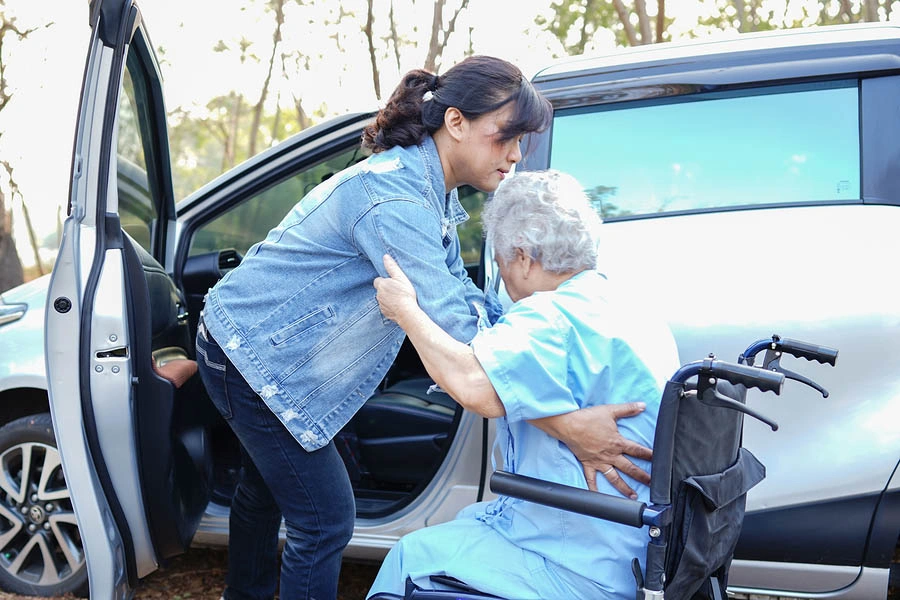
Personal drivers and home aides offer more than basic transportation – they develop ongoing relationships that adapt to your changing needs. Unlike taxi or rideshare drivers who meet you once, these caregivers learn your preferred routes, understand your mobility requirements, and become familiar with your regular destinations. Home aide drivers typically cost between $20-$29 per hour, positioning them as a mid-range choice for regular transportation needs.
The consistent relationship you build with a home aide driver provides significant advantages. These caregivers can assist with tasks beyond driving, such as helping carry groceries into your home, reading small print on labels, or providing support during medical appointments when you need someone to take notes or help with questions. This personalized approach becomes especially valuable for medical visits where having a familiar person provide assistance can reduce stress and improve communication with healthcare providers.
Transportation help from home care providers
Established senior care companies have expanded their services to include dedicated transportation options. Companies like Comfort Keepers, Right at Home, and Nurse Next Door provide professional drivers specifically trained to assist elderly clients safely and comfortably.
These services typically include:
- Transportation to medical appointments and follow-up visits
- Assistance with shopping and errands
- Social outings and family visits
- Rides to religious services and community events
Home care transportation providers focus on maintaining your independence while offering necessary support. The National Council on Aging recognizes senior transportation as a “critical support component for older adults, allowing them to maintain their independence and quality of life”. Professional drivers from these companies understand mobility challenges and can provide appropriate assistance without being intrusive.
Volunteer driver programs
Volunteer transportation programs offer another practical option, particularly for medical appointments. These programs recruit community volunteers who provide door-to-door assistance using their personal vehicles.
Rural communities have developed three distinct volunteer driver approaches: programs without volunteer reimbursement, trip/time banking where volunteers earn hours for future services, and mileage reimbursement programs. The American Cancer Society’s Road to Recovery exemplifies the first model, offering free transportation to cancer treatments.
Volunteer programs provide benefits beyond transportation. As one program coordinator explains, “Cars become little rolling living rooms, where conversations flow, music plays, and meaningful moments happen”. Many volunteer drivers offer additional assistance, such as providing a steady arm for support, help with walkers, or assistance with seatbelts.
For seniors with limited mobility, volunteer drivers often accommodate needs that public transportation cannot address, including assistance with grocery shopping or transportation to social activities beyond medical appointments. You may find these programs especially helpful if you value social interaction along with practical transportation assistance.
Ride-Sharing and On-Demand Transportation Services
Ride-sharing platforms have adapted to address the specific transportation needs of older adults. These on-demand services provide convenient alternatives for seniors who want to maintain independence without the responsibilities of car ownership.
Uber and Lyft Senior-Friendly Options
Major ride-sharing companies have developed features specifically for older adults. Uber’s senior accounts create a simplified experience with larger text and icons, making ride requests easier to manage. Family members can add seniors to their Family profiles, which allows them to book rides on behalf of their loved ones, track trips in real-time, and communicate with drivers when needed.
Lyft introduced Lyft Silver in 2025, offering a streamlined app design with enlarged text, priority access to vehicles that accommodate mobility needs, and live customer support available from 8 AM to 9 PM ET. This service includes features that allow trusted contacts to monitor ride details in real-time, providing additional peace of mind for families.
Phone-Based Ride Services: GoGoGrandparent and SilverRide
Seniors who prefer not to use smartphone apps have alternative options. GoGoGrandparent operates as a phone-based concierge service where older adults can request rides by calling a toll-free number. The service coordinates with Uber and Lyft drivers, typically arranging transportation within 15 minutes. GoGoGrandparent screens and monitors each trip, adding an extra layer of safety and oversight.
SilverRide specializes in door-through-door assisted rides that go beyond standard transportation. Their trained drivers provide assistance throughout the entire journey, making this service particularly suitable for seniors with mobility limitations or those who need additional support getting in and out of vehicles.
Benefits and Limitations of Ride-Sharing Services
Ride-sharing offers several advantages for seniors, including on-demand availability, upfront pricing, and cashless payment systems. For some seniors, these services can be more economical than maintaining a personal vehicle.
However, standard ride-sharing services have notable limitations. Most drivers receive no training in senior care or mobility assistance. Seniors unfamiliar with smartphone technology may face communication challenges. Additionally, drivers typically cannot provide appropriate response during medical emergencies.
Despite these constraints, ride-sharing companies continue expanding their senior-focused features, making these services increasingly accessible for older adults seeking reliable transportation options.
Public and Community Transportation Services
Public transportation provides essential mobility options for seniors, often at significantly reduced costs. Community-based transit systems serve as vital lifelines, connecting seniors to medical appointments, shopping, and social activities throughout their neighborhoods.
Public buses and senior discounts
Transit authorities across the country recognize seniors’ transportation needs through widespread discount programs. Many systems offer half-fare programs for seniors 65 and older, making regular travel much more affordable for those on fixed incomes.
To qualify for these reduced rates, you’ll typically need to present one of the following forms of identification:
- A Medicare Health Insurance Card
- A valid state-issued photo ID showing qualifying age
- Veteran identification cards or discharge documents
Some transit systems extend these benefits even further, offering discounts to adults as young as 62. These savings can make a significant difference when you’re managing transportation costs on a retirement budget.
Paratransit services for limited mobility
When standard public buses or trains aren’t accessible due to mobility limitations, paratransit services fill this gap. The Americans with Disabilities Act (ADA) requires these specialized transportation options within 3/4 mile of fixed bus routes or rail stations.
These services typically operate as shared-ride programs, offering curb-to-curb or door-to-door transportation in wheelchair-accessible vans. You’ll need to schedule trips 24-48 hours in advance, which allows operators to coordinate efficient routes for multiple passengers.
Eligibility requirements focus on your ability to use standard public transit independently. You may qualify if you cannot use bus or rail services even with training. Each county may operate its own paratransit system with specific eligibility requirements and booking procedures.
Senior center shuttles and community vans
Many communities operate dedicated transportation services specifically for older residents. Some municipalities provide free transportation services for residents 60 and older, covering rides to medical appointments, grocery shopping, and social activities.
These local programs often offer more flexibility than larger transit systems. For example, Chicago Ridge provides bus service for senior citizens 63+ Monday through Friday, requiring only 24-hour advance booking. Similarly, programs like CAT Connect Service offer free transportation to shopping centers for seniors 65+ from designated pickup locations.
Community transportation services like these help bridge gaps in public transportation while addressing seniors’ specific mobility needs and schedules.
Medical and Government-Supported Transportation
Government programs provide essential transportation assistance for seniors who need help accessing healthcare. These programs offer either financial support or direct transportation services, depending on your eligibility and location.
Medicare and Medicaid transportation coverage
Original Medicare covers emergency ambulance services but offers limited options for non-emergency transportation. Coverage applies primarily when other transportation methods could endanger your health. Medicare Part B covers 80% of approved ambulance costs after you meet the annual deductible of $240 in 2024.
Medicare Advantage plans often provide more extensive transportation benefits than Original Medicare. In 2024, approximately 36% of regular Medicare Advantage plans include medical-related transportation benefits. These plans may cover rides to medical appointments, making them valuable for seniors who need regular healthcare access.
Medicaid typically offers more comprehensive transportation assistance than Medicare. Most state Medicaid programs cover non-emergency medical transportation (NEMT) to doctor appointments, pharmacies, and treatment facilities. You should request rides at least 2-4 days before appointments to ensure availability. The specific services and eligibility requirements vary by state, so contact your local Medicaid office for details about what’s available in your area.
VA transportation
Veterans have access to dedicated transportation programs through the Veterans Transportation Program (VTP). This program includes Beneficiary Travel reimbursements, Veterans Transportation Service, and Highly Rural Transportation Grants.
The Disabled American Veterans (DAV) operates one of the most valuable direct assistance programs, providing free transportation to VA medical facilities through a fleet of donated vehicles. Since 1987, DAV chapters have contributed 3,833 vehicles to this program. Veterans requiring special assistance can use VTS services, which accommodate those who are visually impaired, elderly, or have mobility limitations.
These government-supported options become particularly important for veterans living in rural areas or those with limited financial resources, ensuring that military service doesn’t prevent access to earned healthcare benefits.
Key Takeaways
Seniors have diverse transportation alternatives beyond driving, from affordable public transit to personalized care services, ensuring mobility and independence remain achievable.
• Multiple affordable options exist: Public transit offers senior discounts as low as $1-2 per ride, while home aide drivers cost $20-29 per hour for personalized assistance.
• Technology adapts to senior needs: Rideshare services like Uber Silver and phone-based GoGoGrandparent eliminate smartphone barriers while providing safety monitoring.
• Government programs provide crucial support: Medicare Advantage plans increasingly cover medical transportation, while Medicaid offers comprehensive non-emergency medical transport in most states.
• Community-based solutions fill gaps: Volunteer driver programs, senior center shuttles, and paratransit services create local support networks tailored to older adults’ specific needs.
• Plan transportation transitions early: With 20% of seniors experiencing depression after losing driving privileges, exploring alternatives before they’re needed helps maintain quality of life and independence.
The key is matching transportation solutions to individual needs, budget, and mobility requirements while leveraging available discounts and assistance programs.
FAQs
Q1. What are some affordable transportation options for seniors who no longer drive? There are several affordable options available. Public transit often offers senior discounts, with fares as low as $1-2 per ride. Community-based services like senior center shuttles and volunteer driver programs provide low-cost or free transportation. For those needing more personalized assistance, home aide drivers typically cost between $20-29 per hour.
Q2. How can seniors use ride-sharing services if they don’t have smartphones? Services like GoGoGrandparent allow seniors to request rides through a simple phone call. They coordinate with Uber and Lyft, typically arranging rides within 15 minutes. Additionally, some ride-sharing companies have introduced senior-friendly features, such as Lyft Silver, which offers a simplified app with larger text and greater access to easily accessible vehicles.
Q3. What transportation assistance is available for seniors with limited mobility? Paratransit services, designed for individuals unable to use standard public transit due to disabilities or mobility limitations, provide curb-to-curb or door-to-door transportation in wheelchair-accessible vans. These services must be available within 3/4 mile of fixed bus routes or rail stations under the Americans with Disabilities Act (ADA).
Q4. Do Medicare and Medicaid cover transportation for seniors? Original Medicare primarily covers emergency ambulance services, with limited non-emergency options. However, many Medicare Advantage plans offer expanded transportation benefits. Medicaid typically provides more comprehensive coverage, including non-emergency medical transportation (NEMT) to doctor appointments, pharmacies, and treatment facilities in most states.
Q5. What transportation services are available for senior veterans? Veterans have access to several dedicated transportation programs through the Veterans Transportation Program (VTP). This includes Beneficiary Travel reimbursements, Veterans Transportation Service for those needing special assistance, and Highly Rural Transportation Grants. Additionally, the Disabled American Veterans (DAV) operates a fleet of vehicles providing free transportation to VA medical facilities.