
Seventy-two percent of caregivers experience stress while searching for memory care communities, according to recent research. The national median monthly cost of memory care reaches $6,200, A Place for Mom’s 2024 report shows. Quality of care varies significantly across facilities, with typical caregiver ratios of one staff member to five or six residents.
Memory care facility evaluation requires examining multiple factors beyond basic amenities. The physical environment must balance easy navigation with safety measures for residents who wander. Person-centered dementia care approaches have demonstrated improvements in quality of life while reducing agitation and depression in residents.
Facility selection involves critical timing considerations. Many memory care communities maintain waiting lists, making early planning essential. The selection process centers on identifying facilities that match specific resident needs rather than relying on general impressions or marketing materials.
This guide covers essential evaluation criteria and specific questions for memory care facility assessment. The information addresses both immediate care requirements and long-term considerations families face when making this decision.
Assess Individual Care Requirements
Facility evaluation requires understanding specific care needs before scheduling visits. This assessment determines which questions to ask memory care providers and helps identify suitable communities.
Daily living and medical support evaluation
Activities of daily living (ADLs) assessment forms the foundation of care planning. Document assistance requirements for bathing, dressing, eating, mobility, and toileting. Instrumental activities require separate evaluation, including medication management, meal preparation, and appointment tracking.
Medical needs documentation should include current medications, health conditions, and therapy requirements. Families can ask facilities specific questions about medical management during tours. Key inquiries include medication review frequency and protocols for sudden health changes.
Behavioral and cognitive assessment
Behavioral symptoms extend beyond physical care needs. Sundowning, wandering tendencies, agitation, and sleep disturbances each require specialized management approaches. These behaviors influence facility selection and staff training requirements.
Cognitive decline stages affect community choice. Early-stage dementia specialists differ from facilities with advanced care expertise. Language abilities, recognition capacity, and decision-making skills help determine appropriate care levels.
Priority checklist development
Memory care assessment checklists organize evaluation criteria before facility tours. Essential categories include:
- Current and anticipated future care needs
- Personal preferences for room type and outdoor access
- Cultural or religious considerations
- Dietary requirements and food preferences
- Activity interests and engagement preferences
This structured approach targets facility tours toward specific requirements rather than general impressions. Families can evaluate how each memory care facility addresses individual needs through focused questioning and observation.
Staff Training and Interaction Evaluation
Care quality depends directly on staff qualifications and training programs. Staff examination should focus on specific training requirements and interaction patterns during facility tours.
Dementia-specific training requirements
Staff training affects resident outcomes across memory care facilities. Essential information to gather includes whether all employees receive dementia-specific training, including housekeepers and kitchen staff. Certification through recognized programs like essentiALZ or CARES indicates formal training completion. Ongoing education frequency for caregivers and specialized techniques used with memory care residents provide additional training indicators.
Facilities with comprehensive person-centered dementia care training, beyond basic orientation, typically show improved safety outcomes and reduced staff turnover. Many communities now mandate dementia training for all staff members.
Caregiver assignment consistency
Dementia patients benefit from consistent caregiver assignments. Residents may not remember names but often recognize familiar faces over time. Quality memory care facilities assign one or two consistent caregivers per resident. This approach reduces anxiety from repeated exposure to new faces and maintains care continuity. Familiar caregivers can anticipate individual needs and provide personalized attention more effectively.
Behavioral management approaches
Staff responses to challenging behaviors reveal training quality levels. When residents become agitated, confused, or aggressive, trained staff recognize these behaviors as communications of unmet needs rather than symptoms. Quality programs emphasize non-pharmacological interventions before considering medication options.
Tour observations provide valuable insights into staff interactions with current residents. Staff patience, respect levels, and attention versus rushed behavior indicate actual care practices beyond promotional materials. State regulations vary regarding specific staffing requirements for memory care facilities.
Safety Features and Physical Environment Assessment
Physical environment design affects memory care quality through safety measures and navigation systems. Research shows environmental design impacts resident disorientation levels. Adults with dementia fall at least four times per year, twice the rate of those without cognitive impairment.
Security and Navigation Systems
Memory care units require secured perimeters that allow internal movement freedom. Facilities use various technologies including GPS tracking systems, door monitoring alarms, and camouflaged exit designs to reduce exit-seeking behaviors. Wayfinding systems incorporate color-coded areas, dual-format signage with words and pictures, and consistent visual markers throughout buildings.
The layout should feature continuous walking paths without dead ends. Residents who wander need circular routes that prevent frustration from blocked passages. Open floor plans provide staff with clear sightlines for monitoring while maintaining residential rather than institutional appearances.
Fall and Wandering Prevention Measures
Wandering affects six in ten dementia patients. Quality facilities implement both technological solutions and environmental modifications. Security cameras and bed monitoring systems track resident movement patterns. Environmental designs include secured outdoor spaces with walking paths and non-toxic landscaping.
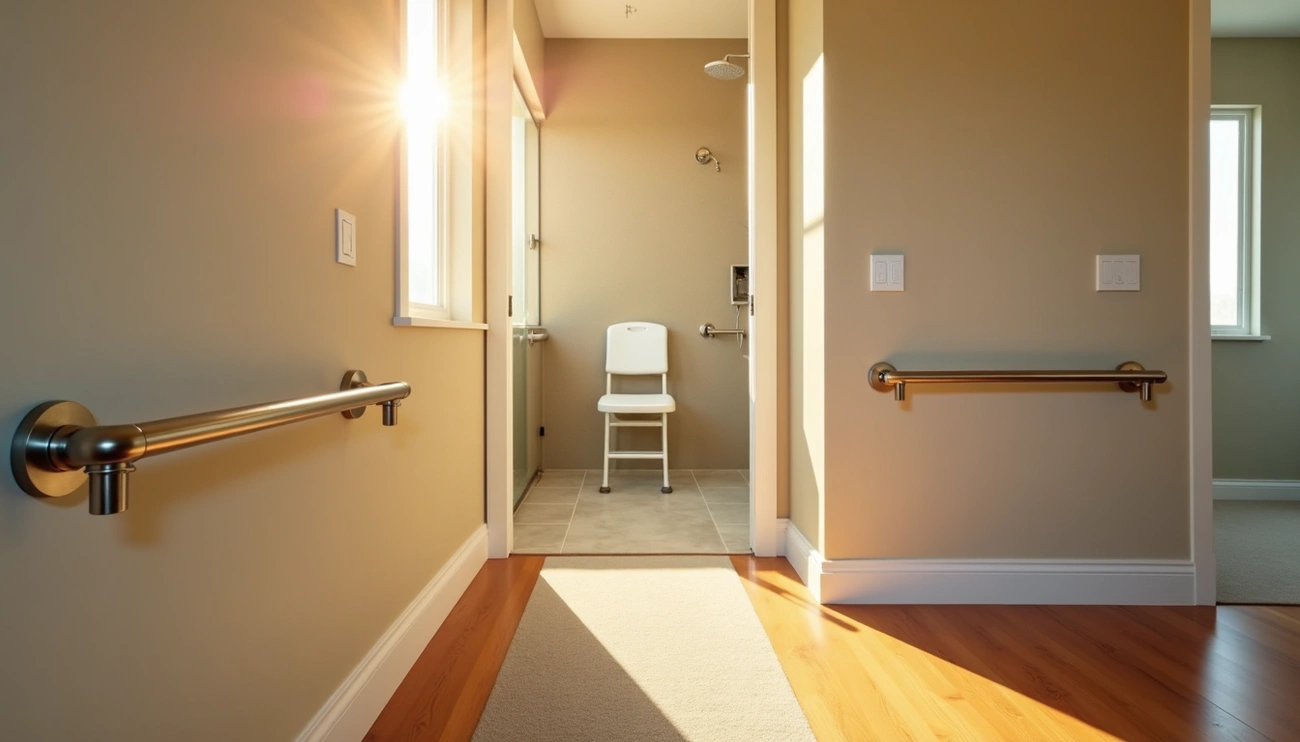
Fall prevention requires specific structural considerations. Facilities should eliminate trip hazards, provide adequate lighting, and install grab bars in appropriate locations. Some communities use floor sensors or wearable devices to alert staff when residents need assistance.
Activity Programming and Therapeutic Approaches
Memory care programming combines multiple engagement methods. Cognitive stimulation activities include puzzles, memory exercises, and reminiscence therapy sessions. Music and art therapy programs evoke memories and provide comfort for residents. Physical activities require adaptation to individual capabilities while promoting health and mood improvements.
Effective facilities tailor programming to resident abilities, preferences, and personal histories. Small group settings of 10-14 residents create more manageable environments based on residential design principles. Natural lighting throughout common areas helps regulate sleep patterns and reduces sundowning behaviors.
Staff monitoring capabilities depend on facility layout and technology integration. The standard ratio of one staff member to five or six residents requires strategic positioning of common areas and clear visual access points throughout the building.
Costs and Long-Term Planning
Financial considerations determine whether families can sustain memory care placement over time. The complex pricing structure requires careful examination to avoid unexpected expenses.
Monthly fee breakdown
Memory care facilities charge all-inclusive monthly fees averaging $6,200-$6,450 nationwide. The base rate covers room and board, meals, housekeeping, basic daily living assistance, and specialized memory support programs. Services included in this fee vary significantly between facilities.
Essential questions include: “Can I see an itemized breakdown of what’s included in the monthly rate?” and “How do your pricing tiers work?” Many communities structure payments based on service quantity, making baseline understanding critical.
Additional charges and fees
Supplemental costs beyond monthly fees frequently surprise families. Medication management costs $50 per injection, while transportation services, personal laundry, specialized therapies, incontinence care, and salon services carry separate charges. Some facilities charge $12 for blood pressure checks or $93 monthly for ordering medications from non-preferred pharmacies.
Request a complete list of potential additional charges. Care packages for cognitive issues can increase monthly costs by $1,325 to $4,625 as needs grow.
Care level changes and pricing
Dementia progression intensifies care requirements. Some communities maintain consistent pricing regardless of changing needs, while others implement tiered pricing structures.
Ask about assessment procedures: “How often do you evaluate residents’ needs?” and “What is the process if my loved one requires more care?” The average memory care stay spans 2-3 years, potentially costing $190,000-$285,000 total.
Waiting lists and entry requirements
Many facilities maintain waitlists due to limited availability. Entry fees range from hundreds to thousands of dollars, sometimes refundable if plans change. Communities may require “community fees” or deposits beyond monthly charges.
Important questions include: “What is the current wait time?” and “Are there any conditions under which the entry fee isn’t refundable?” Some facilities offer waitlist perks like access to amenities or activities before moving in.
Conclusion
Memory care facility selection affects families dealing with dementia-related decisions. The evaluation process centers on staff qualifications, environmental design, and financial structures rather than general facility impressions.
Quality memory care requires trained caregivers who understand dementia-specific needs. Facilities with consistent caregiver assignments and person-centered approaches show better resident outcomes. Environmental factors like secure navigation systems and personalized activity programs directly impact daily living quality.
Financial planning remains essential throughout the selection process. Monthly fees vary significantly between communities, with additional charges for specialized care often surprising families. Early research helps families identify facilities with availability, since many maintain waiting lists.
The assessment process works best when families identify specific resident needs before touring facilities. Targeted questions about medical support, behavioral management, and care progression policies provide clearer facility comparisons than standard marketing presentations.
Effective facility evaluation combines multiple factors rather than focusing on single elements. Families who examine staff training, safety features, activity programming, and cost structures together make more informed decisions about long-term care placement.
FAQs
Q1. What are the key factors to consider when choosing a memory care facility? When selecting a memory care facility, evaluate staff training in dementia care, safety features, personalized activities, facility layout, and cost structure. Ensure the environment is secure, easy to navigate, and promotes independence while meeting your loved one’s specific needs.
Q2. How often should memory care facilities assess residents’ needs? Quality memory care facilities regularly evaluate residents’ needs, typically every few months or when there’s a noticeable change in condition. Ask about the facility’s assessment procedures and how they adjust care plans as needs increase over time.
Q3. What types of activities are typically offered in memory care facilities? Memory care facilities often provide a range of personalized activities, including cognitive stimulation exercises, creative outlets like music and art therapy, and adapted physical activities. These programs are tailored to individual abilities and preferences to improve quality of life and engagement.
Q4. How do memory care facilities handle difficult behaviors in residents? Well-trained staff in memory care facilities understand that challenging behaviors are often communications of unmet needs. They should use non-pharmacological interventions first, focusing on identifying the underlying cause of the behavior and addressing it with patience and respect.
Q5. What is typically included in the monthly fee for memory care? The monthly fee for memory care usually covers room and board, meals, housekeeping, basic assistance with daily activities, and specialized memory support programs. However, it’s important to ask for an itemized breakdown, as services can vary between facilities, and there may be additional charges for extra care or amenities.