
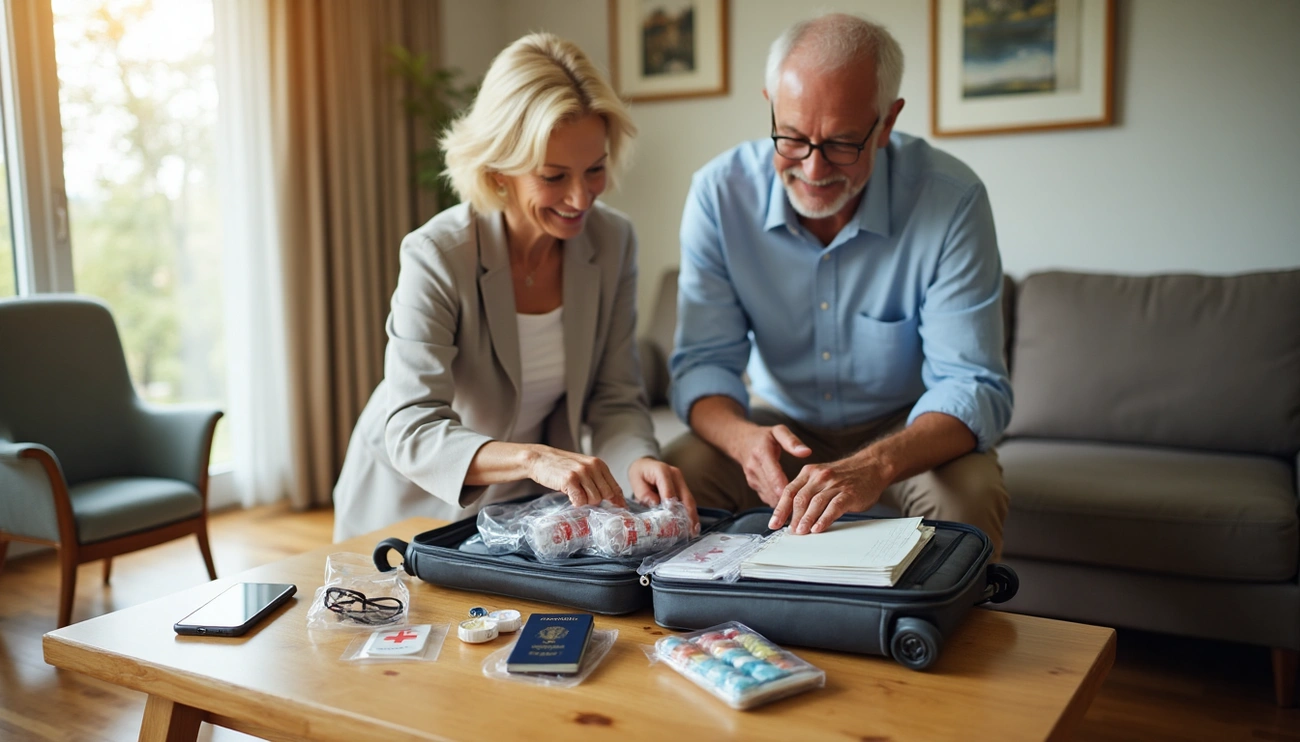
Nearly 9 in 10 older adults take at least one medication while traveling, which highlights why travel safety tips for seniors require special consideration. Exploring the world after 60 presents unique challenges that younger travelers rarely encounter.
As an older traveler, you face increased risks of severe or complicated malaria and may experience serious side effects from certain vaccines like yellow fever if you’re over 60. Busy airports and tight spaces on airplanes create fall hazards that may not concern younger passengers. Comprehensive travel insurance covering medical emergencies and evacuations becomes essential protection against unexpected health issues that could otherwise end your trip early.
Senior travel requires balancing your desire for adventure with practical precautions. Many countries now require COVID-19 immunizations as part of their visa requirements, and health experts recommend completing your vaccine series before international departure. You likely prioritize comfort and security differently than you did in younger years, with many seniors valuing quiet accommodations, safety, and convenience over budget considerations.
This guide provides practical travel tips that help you explore confidently while maintaining your health and safety. From managing medications effectively to avoiding common travel hazards, these strategies ensure your golden years include memorable travel experiences without unnecessary risks.
Plan Ahead for a Safe Trip
Successful senior travel requires thorough preparation months before departure. You need to ensure all documentation is current and your health is properly assessed before beginning your journey.
Check passport and visa requirements
Your passport must remain valid for at least six months beyond your planned return date. Many countries will deny entry if your passport expires within this timeframe. Verify visa requirements early since some destinations require advance paperwork. Even domestic locations may have specific entry requirements for seniors.
For extended stays typically over 90 days, most countries require a visa. Contact the embassy or consulate of your destination country to understand all entry and exit requirements. This step becomes particularly important if you’re planning multiple country visits or longer stays.
Consult your doctor about travel readiness
Schedule a meeting with your physician 6-8 weeks before departure. This timing allows for any necessary medical interventions before travel. During this consultation, discuss the following:
- Your specific travel plans and itinerary
- Current health conditions and how they might affect travel
- Your fitness for long flights or extensive walking
- Prescription refills to cover your entire trip, plus extras
Seniors with coronary heart disease, hypertension, chronic conditions, or recent surgery need this medical check-up even more. Your doctor can provide documentation of your medical conditions and medications, which may prove valuable during emergencies abroad.
Get necessary vaccinations and boosters
The Centers for Disease Control recommends consulting their destination-specific travel health information pages to determine required vaccines. Consider the following vaccination steps:
- Ensure all routine vaccines and adult boosters are current
- Research destination-specific vaccines like yellow fever, typhoid, or hepatitis
- Schedule vaccinations 4-6 weeks before departure to allow time to build immunity
- Bring official immunization records when traveling
For yellow fever vaccines specifically, you should carefully weigh risks versus benefits with your healthcare provider, as this vaccine can have more serious side effects in older adults.
Buy travel insurance with medical coverage
Travel insurance represents perhaps the most crucial step for senior travelers. Medicare does not provide coverage outside the United States except in limited circumstances. Comprehensive travel insurance becomes essential protection.
Look for policies that include:
- Emergency medical coverage (recommended minimum of $100,000)
- Medical evacuation coverage (recommended minimum of $250,000)
- Coverage for pre-existing conditions
- Trip cancelation and interruption protection
- 24/7 emergency assistance services
Evacuation insurance deserves special consideration. This coverage handles the substantial expense of getting you to adequate medical care during emergencies, especially when you’re too ill to fly commercially. Purchasing travel insurance provides peace of mind that makes the investment worthwhile.
Pack Smart and Prepare Medications
Medication management ranks among the most crucial travel safety tips for seniors. According to the CDC, proper preparation of prescriptions and medical supplies can prevent unexpected health issues while away from home.
Keep medications in original containers
Transferring pills into a single travel container might seem convenient, but this approach creates potential problems at security checkpoints and during medical emergencies. All medications must remain in their original, labeled containers with your full name, healthcare provider’s name, and exact dosage clearly visible. This practice ensures medications are easily identifiable, helps you move through security checkpoints efficiently, and maintains appropriate protection from environmental factors that could affect their effectiveness.
TSA regulations allow medically necessary liquids exceeding the standard 3.4-ounce limit in carry-on luggage. These items require separate screening, so allow extra time at security checkpoints. While prescription bottles aren’t technically required by TSA, individual state laws regarding prescription labeling still apply.
Carry a list of prescriptions and dosages
Documentation provides essential backup regardless of how carefully you pack. Bring copies of all written prescriptions, including generic and brand names for each medication. Leave a copy with a friend or relative at home in case of emergency refills. A medical summary listing your diagnoses, medications, and allergies proves invaluable if you need unexpected medical care while traveling.
For international trips, consider carrying a doctor’s note explaining the need for prescription drugs-preferably in English and the language of your destination. This documentation becomes particularly important when carrying narcotic or psychoactive medications, which are often limited to a 30-day supply in many countries.
Pack a basic first-aid kit
A travel health kit with items that may be difficult to find at your destination helps you manage minor health issues without seeking professional care. The American College of Emergency Physicians recommends storing first aid supplies in a durable, water-resistant container kept accessible throughout the journey.
Essential items for a senior traveler’s first-aid kit include:
- Assorted adhesive bandages and gauze
- Antiseptic wipes and hand sanitizer
- Pain relievers compatible with your regular medications
- Antibiotic ointment and hydrocortisone cream
- Basic medications for common travel ailments (antacids, anti-diarrhea medicine, mild laxatives)
- Tweezers and scissors (packed in checked luggage for flights)
Your kit should include a first-aid reference guide and emergency contact information.
Bring extra glasses, hearing aids, and batteries
Vision and hearing aids represent some of the most critical items for senior travelers. Pack spare glasses and hearing aids (if available) as backups. For hearing aid users, a specialized travel kit should contain:
- Extra batteries beyond what you think you’ll need
- Charging station and cables for rechargeable hearing aids
- Spare domes and wax guards
- Cleaning tools including cloth, wax pick, and brush
Hearing aid batteries and supplies should be stored in your personal item bag rather than checked luggage to prevent loss. Rechargeable battery cases containing lithium batteries must never go in checked luggage per TSA regulations.
Protect these devices near water by storing them in waterproof containers, particularly to prevent damage at pools or beaches. Taking these precautions allows you to enjoy your travels with peace of mind, knowing you’ve properly prepared for your health needs.
Stay Healthy During the Journey
Maintaining your health throughout your journey requires different strategies than pre-trip planning. The airline environment creates unique challenges for older travelers, but proper care helps you arrive at your destination feeling refreshed rather than depleted.
Drink plenty of water to stay hydrated
Airplane cabins typically maintain humidity levels between 10% and 20% at cruising altitudes-far below the ideal 30-60% range for human comfort. This dry environment causes moisture to evaporate from your skin and lungs, increasing your dehydration risk. The Aerospace Medical Association recommends drinking approximately 8 ounces of water per hour during flight.
Proper hydration becomes particularly crucial for seniors because:
- Your body has more difficulty regulating temperature as you age
- Dehydration can lead to confusion, urinary tract infections, and even hospitalization
- Water helps reduce bloating from fluid retention that commonly occurs during flights
Carry a refillable water bottle and alternate regular water with electrolyte-containing drinks. Coconut water, sports drinks, or electrolyte powder mixed with water help maintain proper mineral balance. Limit coffee and alcohol consumption, as these act as diuretics and contribute to dehydration.
Avoid heavy meals before and during flights
Eating properly supports your body’s adaptation to travel stresses. Maintaining your regular meal schedule helps keep energy levels balanced. However, consuming heavy meals immediately before or during flights can cause discomfort as your digestive system works harder while you remain sedentary.
Choose lighter options rich in nutrients instead. Fruits and vegetables with high water content-like apples, cucumbers, and oranges-provide nutrition while supporting hydration.
Walk and stretch during long flights
Deep vein thrombosis (DVT) represents a significant concern for older travelers, particularly on flights lasting four hours or more. These dangerous blood clots form more frequently in seniors, especially those with recent surgeries, cancer, or a family history of clotting disorders.
To minimize this risk:
- Walk around the cabin whenever the seatbelt sign is off
- Perform simple seated exercises every 30 minutes
- Consider wearing compression stockings, which help move blood back to your heart
You can improve circulation with these seated exercises:
- Lift one hip up, then the other, for 30 seconds to loosen your lower spine
- Roll your head slowly from side to side to relieve neck tension
- Raise your arms in a “surrender” motion, then bring them down while squeezing your upper back
Use antibacterial wipes on surfaces
Your immune system naturally weakens with age, making hygiene practices more important. Airplane surfaces-including seat belts, tray tables, armrests, and touchscreens-can harbor germs from previous passengers.
Pack antibacterial wipes in your carry-on bag and disinfect these high-touch areas before settling in. Practice good hand hygiene throughout your journey and minimize contact with visibly ill travelers whenever possible. These simple precautions significantly reduce your chances of illness interrupting your travel plans.
Protect Yourself from Theft and Scams
Older adults often become targets for theft and fraud while traveling. Seniors may be perceived as more vulnerable or affluent, making them attractive targets for thieves and scammers. Protecting your belongings and personal information requires vigilance throughout your journey.
Avoid flashy jewelry and valuables
Wearing expensive watches, bracelets, rings, or designer clothing creates an immediate target. The most effective approach involves choosing inconspicuous clothing and accessories that don’t advertise affluence. For travel days, pack only essential items and leave expensive jewelry and unnecessary electronics at home.
Even items like college sweatshirts or branded t-shirts can mark you as a tourist. Consider neutral clothing choices that help you blend in with locals rather than standing out as a visitor.
Use hotel safes for important items
Hotel room safes provide essential security for valuables you don’t need to carry daily. Check with your hotel about in-room safes for storing passports, excess cash, and jewelry. Test the safe’s locking mechanism upon arrival to ensure it functions properly before placing valuables inside.
For items too large for standard hotel safes, consider portable travel safes that can secure to fixed objects like pipes or bed frames.
Be cautious with ATMs and credit cards
ATM skimming scams present serious risks to travelers. Before using any ATM, take these precautions:
- Inspect the machine for anything loose, crooked, or damaged that might indicate a skimming device
- Cover the keypad with your hand while entering your PIN
- Be wary of “helpful” strangers near ATMs who may be trying to distract you
Credit card fraud remains common in tourist destinations. Consider using cash for most purchases while abroad. If you use cards, monitor transactions through mobile apps and notify your credit card company about your travel plans beforehand.
Don’t overshare travel plans on social media
Posting travel details online creates unexpected risks. Announcing when you’re leaving and for how long essentially advertises your empty home to potential thieves. Features like geo-tagging and location check-ins reveal your real-time whereabouts.
To protect yourself:
- Wait until returning home to post vacation photos
- Disable location services on your phone while traveling
- Update privacy settings to limit visibility to trusted friends only
- Avoid popular travel hashtags that make your posts more discoverable
Know What to Do in an Emergency
Emergencies can happen despite careful planning. Preparing for unexpected situations helps you handle challenges confidently while traveling.
Keep emergency contacts on hand
Create a complete emergency contact list before you leave home. Include family members, doctors, insurance providers, and credit card companies. Store this information in multiple locations-your wallet, phone, and luggage-so you can access it regardless of what happens. Share these details with a trusted person at home who can help coordinate assistance if needed. Consider storing important contact information in a traveler’s wallet that you wear during emergencies.
Register with your embassy if traveling abroad
The Smart Traveler Enrollment Program (STEP) connects you with the nearest U.S. embassy while traveling internationally at no cost. You’ll receive security alerts, health advisories, weather updates, and other critical information directly to your email. This service helps embassy officials locate and assist you during emergencies. Registration takes just a few minutes-create an account, enter your travel details, and update information if your plans change.
Know how to access local healthcare
Research healthcare options at your destination before you travel. Identify medical facilities that serve international patients. U.S. embassies can help you locate appropriate medical services and communicate with your family during health emergencies. Travel agencies, hotels, and credit card companies often provide information about local healthcare resources.
Have a backup plan for lost documents
Document loss requires immediate action. Report missing passports to local police and your country’s embassy right away. You’ll need a police report for passport replacement and insurance claims. Carry digital and physical copies of important documents to speed up the replacement process. Embassies can issue emergency passports for urgent travel needs, though these may have restrictions for travel to countries other than your home nation.
Bottom Line
Travel after 60 offers opportunities to explore the world with the wisdom and perspective that comes from decades of life experience. This guide has covered essential safety measures that allow you to journey confidently while minimizing risks.
Thorough preparation forms the foundation of safe senior travel. Medical consultations, proper documentation, and travel insurance provide the groundwork for worry-free adventures. Smart packing strategies-particularly for medications and assistive devices-help prevent common issues that could otherwise disrupt your trip.
Your physical well-being during travel requires attention to basic but important practices. Staying hydrated, moving regularly during flights, and maintaining good hygiene reduce health risks significantly. Protecting your belongings and personal information helps you avoid becoming a target for thieves and scammers who may view seniors as vulnerable.
Emergency preparedness completes your travel safety approach. Maintaining contact information, embassy registration, and knowledge of local healthcare resources helps you handle unexpected situations with less stress.
These precautions shouldn’t limit your ability to explore the world. Consider them practical tools that enable more fulfilling travel experiences rather than restrictions. These safety measures create a protective framework that allows you to focus on what matters most-creating memorable experiences and discovering new cultures.
Many seniors find travel after 60 more rewarding than earlier adventures because they can appreciate the richness of different cultures and landscapes more fully. Your golden years present an excellent opportunity to visit destinations on your bucket list while maintaining peace of mind through proper preparation.
Use these safety strategies according to your specific needs and circumstances. With proper planning and preparation, you can explore the world safely and confidently.
FAQs
Q1. What are some essential health precautions for seniors traveling abroad? Before traveling, consult your doctor, ensure your vaccinations are up-to-date, and pack all necessary medications in their original containers. Carry a list of your prescriptions and medical conditions. Stay hydrated during flights and consider wearing compression socks for long journeys.
Q2. How can senior travelers protect themselves from theft and scams? Avoid wearing flashy jewelry or expensive clothing that may attract unwanted attention. Use hotel safes for valuables, be cautious when using ATMs, and limit sharing travel plans on social media. Stay alert in crowded areas and be wary of overly friendly strangers offering unsolicited help.
Q3. What type of travel insurance should seniors consider? Look for comprehensive travel insurance that includes emergency medical coverage (at least $100,000), medical evacuation coverage (minimum $250,000), coverage for pre-existing conditions, and trip cancelation protection. Ensure the policy offers 24/7 emergency assistance services.
Q4. How can seniors stay comfortable during long flights? Stay hydrated by drinking water regularly, avoid heavy meals before and during flights, and perform simple stretching exercises in your seat. Walk around the cabin when it’s safe to do so, and consider using a neck pillow for better sleep. Pack essential items like medications in your carry-on bag.
Q5. What should seniors do in case of a medical emergency while traveling? Keep a list of emergency contacts handy, including family members and your doctor’s information. If traveling abroad, know how to contact the nearest embassy or consulate. Research local healthcare facilities at your destination in advance, and always carry your travel insurance information with you.