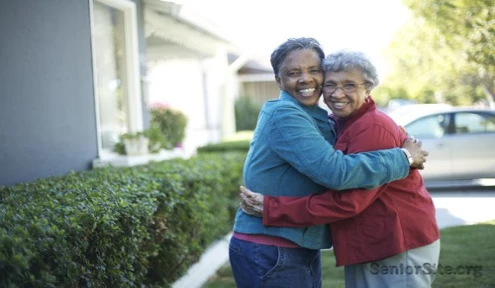

Cultural festivals for seniors create meaningful opportunities to build connections, preserve heritage, and foster belonging within senior communities. Research shows that engaging with different cultures and their celebrations provides significant benefits for older adults. These festivals function as effective community-building tools that can enhance residents’ quality of life in measurable ways.
Cultural engagement serves as exercise for the mind, potentially slowing cognitive decline and helping seniors stay mentally sharp. Cultural diversity strengthens communities by bringing together varied traditions and perspectives, fostering both belonging and social connection. These activities are becoming increasingly important as demographics shift. About 25% of seniors in the U.S. come from racial and ethnic minority groups, a number expected to reach 50% by 2060. Traditional events for seniors address four essential psychological needs: a sense of being, belonging, believing, and benevolence. Seniors who participate in familiar cultural practices experience real improvements in overall well-being.
Finding ways to celebrate diverse heritages while building stronger communities can strengthen the social fabric of senior living. This guide explores how cultural festivals create joyful, meaningful experiences for seniors and provides practical guidance for planning inclusive events that honor traditions while bringing residents together.
Benefits of Cultural Festivals in Senior Communities
Cultural festivals provide multiple advantages for senior communities beyond simple entertainment. These celebrations create meaningful opportunities for connection and belonging that can significantly impact residents’ daily lives.
Building social connections and inclusivity
Cultural festivals help seniors form genuine relationships with fellow residents. Sharing cultural traditions creates personal bonds between people who may have lived very different lives but can appreciate each other’s heritage. This type of cultural exchange allows seniors to feel valued for who they are and where they come from.
These events are especially valuable for seniors who live alone or have limited family contact, offering safe spaces for conversation and friendship. Rather than simply existing as individual housing units, senior communities become active social environments where residents connect with one another. Cultural celebrations build respect and understanding among diverse residents, creating more welcoming communities for everyone.
Addressing isolation through shared activities
Studies show that cultural engagement can reduce pain levels in socially isolated older adults. This benefit is particularly strong for unmarried seniors or those with limited family interactions.
Cultural activities help combat loneliness by bringing people together around shared interests. Museum programs designed for older adults have proven effective at reducing isolation by creating spaces where seniors can gather, discuss, and reflect together. Seniors who participate in cultural activities report better social wellness, with 70% saying that moving to a senior living community improved their social well-being.
Enhancing mental and emotional health
Regular participation in cultural events supports cognitive function and emotional well-being. Research links cultural activities to:
- Better mood and fewer depression symptoms
- Improved ability to handle stress
- Stronger memory and thinking skills
- Higher self-esteem and life satisfaction
The frequency of participation matters for health outcomes. Seniors who engage in cultural activities at least every few months show lower rates of depression. At age 80, the risk of frailty is 1.3 times higher for those who don’t participate in cultural activities compared to those who do.
Cultural Activities for Seniors
Cultural programs offer seniors multiple ways to explore traditions while building connections within their communities. These activities provide opportunities to share heritage, learn about different cultures, and create meaningful social bonds.
Food tastings and cooking demonstrations
Food creates natural bridges between different cultures and generations. Senior communities organize cultural potlucks where residents share dishes from their backgrounds, each accompanied by stories of origin. These gatherings become opportunities for residents to connect through shared meals and personal narratives.
Many communities partner with local restaurants to provide authentic cuisine tastings, while others encourage residents to share family recipes. Cooking demonstrations featuring traditional preparation methods have gained popularity, with trained chefs preparing cuisine for different cultural occasions. These demonstrations often include nutritional information tailored for seniors’ dietary needs.
One community saw attendance nearly double during a Passover celebration when Jewish residents invited others to participate. Twenty-five non-Jewish residents attended to learn about the tradition, demonstrating how food-centered events can build understanding across different backgrounds.
Music and dance performances
Musical expressions cross language barriers, making them effective tools for cultural exchange. Communities host performances featuring traditional instruments and songs, sometimes offering residents chances to learn instruments like the African djembe or Indian sitar.
Interactive performances bring world music directly to senior communities through one-hour sessions designed to spark curiosity. These events encourage participation through accessible methods like group clapping and simple movements.
Storytelling and craft workshops
Personal stories preserve cultural heritage while creating connections between residents. Storytelling festivals provide platforms for seniors to share traditions and personal experiences related to migration and community practices. This ancient art form engages the mind while allowing emotional expression and social connection.
Craft workshops designed for adults over 55 help seniors develop skills in traditional arts. Programs have featured ceramics, fiber arts, and bookmaking, enabling creative expression through culturally significant techniques.
Language and history programs
Language courses for mature students combine learning with cultural exploration. These programs focus on practical communication through role-plays and conversation practice. Five-week courses meeting twice weekly blend language instruction with cultural themes and travel topics.
History workshops encourage seniors to explore their cultural backgrounds while fostering connections across generations. Residents often bring artifacts, photos, or traditional items, creating opportunities to explain their significance and share diverse experiences within their community.
Planning Inclusive and Respectful Events
Creating respectful cultural festivals for seniors requires thoughtful planning that honors diverse traditions. Organizing these events effectively means balancing cultural authenticity with practical considerations for older adults.
Understanding cultural sensitivity
Cultural sensitivity forms the foundation for successful events. Staff training on cultural competence helps avoid stereotypes and ensures respectful interactions. This education covers communication strategies, religious beliefs, and traditional customs. Understanding cultural nuances allows for authentic representation rather than superficial gestures. Rather than simply showcasing different cultures, this approach creates environments where all residents feel genuinely celebrated.
Collaborating with residents and families
The most successful cultural events involve residents in the planning process. Creating a “culture committee” with respected residents from different backgrounds prevents misunderstandings. This resident-first approach ensures cultural nuances are respected during celebrations. Involving families adds another layer of authenticity, as they often serve as keepers of traditions. Together with community organizations, these partnerships create truly meaningful experiences.
Ensuring accessibility and comfort for all
Venue selection is crucial for senior participation. Consider:
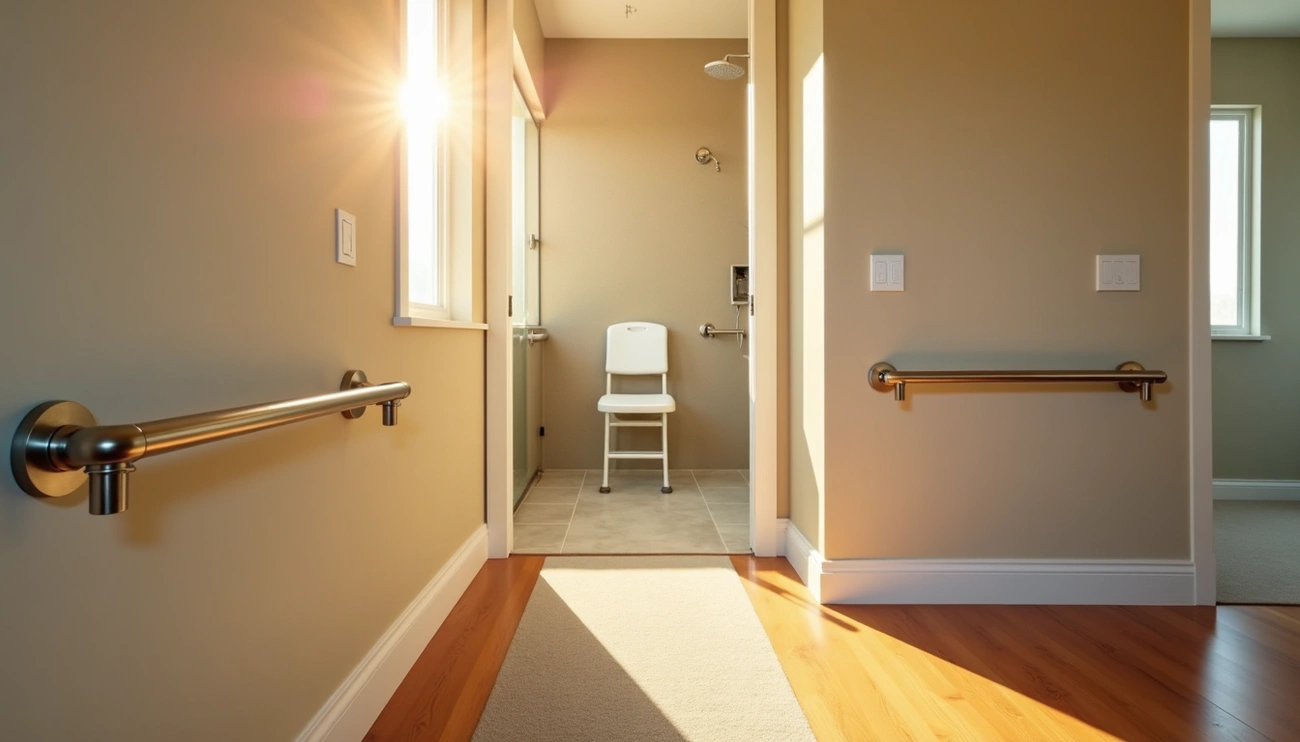
- Ramps, elevators and handrails for mobility challenges
- Accessible restrooms with grab bars
- Adequate seating with armrests
- Good lighting and clear, large-print signage
Transportation barriers often prevent participation, so organizing shuttle services from key locations makes events more inclusive.
Balancing tradition with innovation
Though preserving heritage is vital, creating new shared traditions builds community cohesion. Annual events like harvest festivals or seasonal celebrations can become beloved fixtures. These new traditions help newer residents feel connected and part of the community. Occasionally, blending traditional elements with fresh approaches creates uniquely meaningful experiences for all participants.
Building Lasting Community Through Tradition
Tradition provides the foundation for creating enduring connections in senior communities. Intentional cultural programming helps senior residences develop environments where meaningful relationships grow and cultural heritage stays alive for future generations.
Creating recurring cultural events
Regular cultural festivals turn occasional gatherings into beloved community traditions. These events may start as simple celebrations, but they gain deeper meaning as they become annual fixtures. Research shows that family emphasis on festivals significantly strengthens loyalty to these traditional events.
Consider establishing:
- Monthly potluck dinners featuring different cultural themes
- Seasonal celebrations that rotate among various traditions
- Storytelling nights where residents share cultural memories
- Holiday observations that honor diverse religious practices
Regular community gatherings like potlucks or storytelling nights provide relaxed settings for seniors to share their cultures, helping break down stereotypes and build genuine connections.
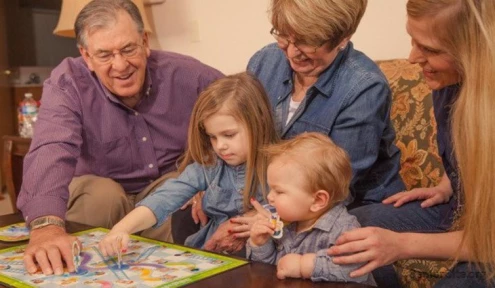
Encouraging intergenerational participation
Activities that bring together seniors and younger community members create valuable bridges between generations. More than 20% of U.S. residents are projected to be aged 65 and over by 2030, making these connections increasingly important.
Storytelling sessions allow seniors to share personal histories while language mini-lessons give them opportunities to teach aspects of their heritage. These interactions preserve cultural knowledge while enhancing seniors’ sense of purpose and contribution to their communities.
Highlighting resident heritage and talents
Many seniors have hidden cultural talents worth celebrating. The quiet resident in the corner might be skilled in traditional henna artistry, while another resident might be an excellent folk dancer.
Talent showcases where residents demonstrate skills passed down through generations serve multiple purposes:
- Preserve important cultural traditions
- Inspire other residents to share their own talents
- Create opportunities for cultural exchange and learning
- Build pride and connection within the community
These showcases help residents express their identities while creating meaningful experiences that benefit the entire community.
Bottom Line
Cultural festivals offer seniors much more than entertainment. These celebrations create meaningful connections between diverse traditions, personal histories, and community members. When planned thoughtfully, cultural events provide spaces where older adults feel valued while preserving their heritage.
Food tastings, music performances, storytelling sessions, and craft workshops give seniors practical ways to share their identities. These activities succeed because they engage multiple senses while creating natural opportunities for conversation. Cultural events require sensitivity and collaboration with residents to ensure authentic representation rather than superficial displays.
Regular cultural celebrations help transform senior communities from simple living arrangements into vibrant social environments where residents connect and thrive. Successful communities recognize that seniors possess valuable cultural knowledge and talents worth celebrating. Events that highlight these gifts honor individuals while enriching the entire community.
Cultural festivals provide seniors with essential benefits: the joy of belonging, the comfort of familiar traditions, and the pleasure of sharing their heritage with others. Our aging and increasingly diverse population makes these celebrations vital for creating inclusive communities where every resident feels at home.
Key Takeaways
Cultural festivals offer seniors powerful opportunities to combat isolation, preserve heritage, and build meaningful community connections through shared traditions and experiences.
• Cultural engagement functions like mental exercise, potentially slowing cognitive decline while reducing depression risk by 70% for regular participants.
• Food tastings, music performances, storytelling sessions, and craft workshops create natural conversation opportunities that transform senior communities into vibrant social hubs.
• Successful cultural events require resident collaboration and cultural sensitivity training to ensure authentic representation rather than superficial gestures.
• Regular cultural programming builds lasting traditions that give seniors purpose while preserving valuable cultural knowledge for future generations.
• Intergenerational participation in cultural activities helps bridge age gaps while allowing seniors to share their heritage and feel valued for their unique talents.
The most impactful cultural festivals recognize that seniors possess hidden talents and rich cultural knowledge worth celebrating. By creating recurring events that honor diverse traditions, senior communities transform from simple living arrangements into thriving ecosystems where every resident feels genuinely at home and connected to their neighbors.
FAQs
Q1. What types of cultural activities are suitable for seniors? Cultural activities for seniors can include food tastings, cooking demonstrations, music and dance performances, storytelling sessions, traditional craft workshops, and language and history classes. These activities engage multiple senses and provide opportunities for social interaction and learning.
Q2. How do cultural festivals benefit senior communities? Cultural festivals in senior communities encourage social connection, reduce isolation, and support emotional and cognitive well-being. They create opportunities for seniors to share their heritage, form meaningful relationships, and potentially slow cognitive decline through active engagement.
Q3. What should be considered when planning cultural events for seniors? When planning cultural events for seniors, it’s important to ensure cultural sensitivity, collaborate with residents and families, provide accessibility accommodations, and balance traditional elements with innovative approaches. This creates an inclusive and respectful environment for all participants.
Q4. How can cultural festivals help build lasting community among seniors? Cultural festivals build lasting community by establishing recurring events that become cherished traditions, encouraging intergenerational participation, and highlighting residents’ unique cultural heritage and talents. These activities foster a sense of belonging and purpose among seniors.
Q5. Why are intergenerational activities important in cultural festivals for seniors? Intergenerational activities in cultural festivals create valuable connections between seniors and younger community members. They allow seniors to share their cultural knowledge and personal histories, enhancing their sense of purpose while helping to preserve traditions for future generations.