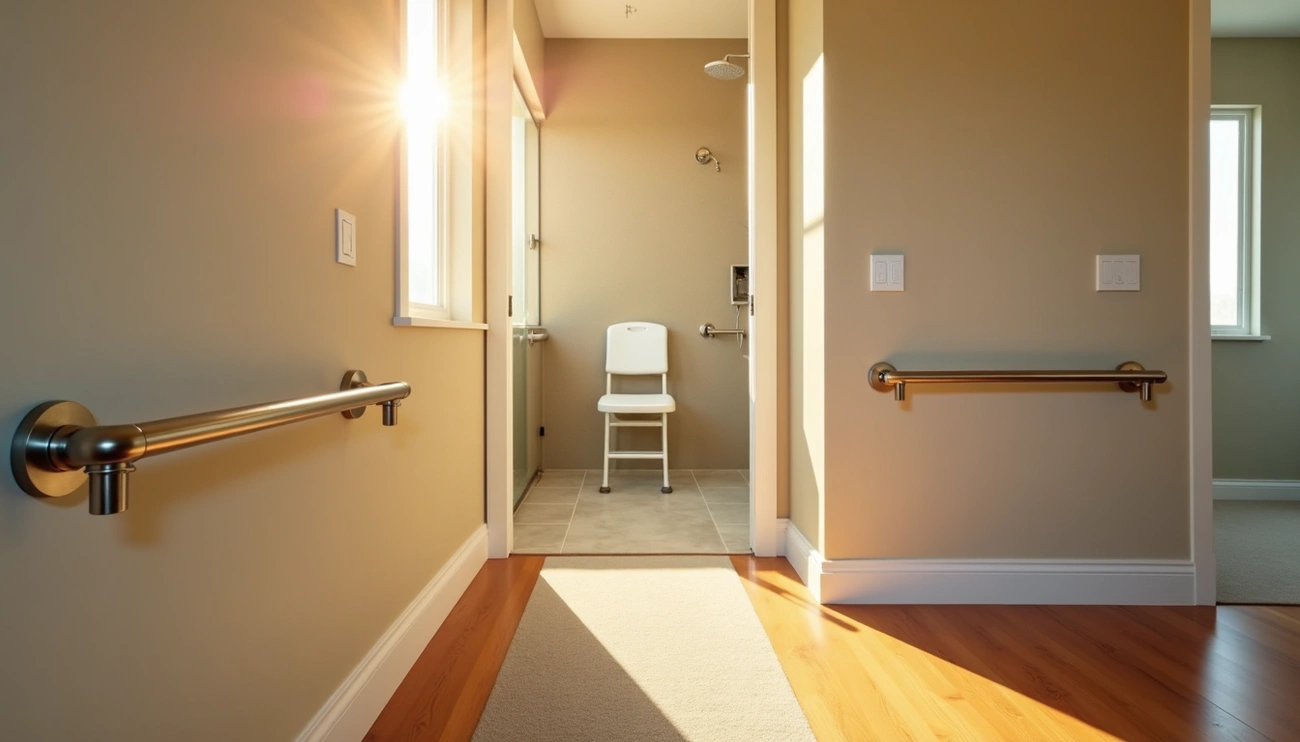

The demographics of aging present clear challenges for families and caregivers. Research shows that 1 in 5 people will be aged 60 years or older by 2050 globally, with this demographic shift expected to occur even sooner in the USA, by 2030. Life expectancy continues to increase by about three months per year, creating additional demands on care services.
Social isolation affects a significant portion of our senior population. According to the National Academies of Sciences, Engineering, and Medicine, one in four adults aged 65 and above experiences social isolation. This isolation creates more than emotional discomfort-it carries serious health consequences. Research from Manchester indicates that robot companions for elderly individuals can assist with health maintenance, support independence, and help reduce loneliness. Studies show that 80% of participants felt less lonely when a robot companion was present, and 74% reported improved quality of life after using a robot.
Technology now offers new ways to address how social isolation affects overall well-being. While traditional caregiving remains important, cost considerations present practical challenges. The average annual cost of a full-time human caregiver in the US runs around $75,000, compared to approximately $85,000 for implementing a robot for elderly care. Though the initial investment may be higher, assistive robots can provide round-the-clock companionship and monitoring that traditional care models may not always offer.
The Growing Need for Companionship in Elderly Care
Companionship has become a critical component in elderly care as more seniors face isolation. Social connection affects more than emotional well-being-it directly impacts health and quality of life for aging adults.
Loneliness and Its Health Impact
Loneliness affects approximately one in three adults in the U.S., with about 24% of community-dwelling adults age 65 and older experiencing social isolation. The health consequences extend far beyond emotional discomfort. Social isolation or loneliness is associated with a 50% increased risk of developing dementia, a 30% increased risk of coronary artery disease or stroke, and a 26% increased risk of premature death.
Isolated seniors often develop problematic behaviors including reduced physical activity, excessive alcohol intake, and smoking. Studies reveal a reciprocal relationship between loneliness and depression, with cognitive functions declining faster in older individuals living alone.
Why Traditional Care Models Fall Short
Traditional care approaches often fail to address seniors’ companionship needs effectively. About 55% of older adults report their care needs remain unmet. Modern social changes have disrupted established support systems:
• Urbanization and geographic mobility • Empty nest situations
• Shift toward nuclear families • Migration patterns that separate families
The current care system presents a top-down management approach that many elderly individuals find difficult to navigate. Even in family-based settings, caregivers frequently lack professional training to handle complex health issues. This creates significant strain for both seniors and family members. Spousal caregivers reporting strain are nearly two-thirds more likely to die within four years than non-caregivers.
The Rise of Aging-in-Place Preferences
Most seniors prefer remaining in familiar surroundings. A 2021 AARP report found that 77% of adults over 50 would prefer to age in place if given the choice. By 2024, this preference remained strong with 75% wishing to stay in their current homes.
However, aging in place presents substantial obstacles. Housing affordability concerns drive 44% of adults aged 50-plus to consider relocation. The primary factors include rising costs of rent/mortgage (71%), property maintenance (60%), and taxes (55%). Additionally, 51% of older adults acknowledge needing a home that supports independent aging.
This combination of companionship needs, care model limitations, and aging-in-place preferences creates an opportunity for robot companions to help elderly individuals maintain independence while receiving necessary support.
How Robot Companions Address Senior Care Challenges
Robot technology provides practical solutions to address the companionship needs of seniors. These devices offer both emotional and practical support that can help fill gaps in traditional elderly care approaches.
Understanding robot companions for seniors
Robot companions for elderly care are autonomous machines designed to create real or apparent companionship for seniors. Unlike standard medical devices, these robots actively engage with users through social interaction, providing support that enhances independence and quality of life. Their primary purpose is to bridge the “care gap” between abilities required for independent living and those still available to seniors. Robot companions serve various functions from offering emotional comfort to assisting with daily tasks, allowing many seniors to maintain their independence longer.
Features that make social and assistive robots effective
Socially assistive robots (SARs) include several key features that make them particularly useful for senior care:
- Interactive communication through speech, sounds, visual displays, gestures, and physical touch
- Adaptive behavior that learns about each person’s unique needs over time
- Proactive engagement that initiates conversations rather than merely responding
- Health monitoring capabilities for tracking wellness and medication management
- Cognitive stimulation through games, trivia, and memory exercises
These robots are designed with specific appearance considerations including human-likeness, expressiveness, size, and material composition. Their effectiveness comes from combining technological capabilities with empathetic design that makes seniors feel understood rather than just assisted.
Robot companion options: ElliQ and Joy for All pets
Several robot companions are currently making meaningful impacts in elderly care. ElliQ, developed by Intuition Robotics, features a swiveling head that lights up during interaction. This proactive AI companion initiates conversations, suggests activities, and connects seniors with loved ones.
What’s Great About ElliQ: Studies show 96% of ElliQ users report improved health and wellness, with 94% experiencing better quality of life overall. The device takes initiative in conversations, helping seniors who might otherwise spend long periods without social interaction.
Joy for All Companion Pets offer a different approach, resembling cats or dogs that respond to petting with realistic purring or barking. These interactive pets have proven particularly effective for seniors with dementia, reducing feelings of loneliness without the responsibilities of real pet ownership. Other examples include PARO, a therapeutic seal-like robot, and TIAGo, which offers both health monitoring and social support.
Benefits of Using Robots for Seniors
Seniors who interact with robots for elderly care report significant improvements across multiple areas of daily life. These technological companions provide practical support that addresses both emotional and physical needs of aging individuals.
Emotional support and reduced loneliness
Assistive robots help reduce feelings of loneliness among seniors, with research showing that 96% of users report improved wellness after using robot companions. These devices also help alleviate depression, with many users forming meaningful connections with their robotic assistants. As one 80-year-old user explained: “She has been a tremendous help to me… A lot of times, life gets a little difficult, and it’s nice to have somebody to look after me”.
Cognitive stimulation and memory support
Robot caregivers engage seniors’ minds through several approaches:
- Memory games and brain-stimulating activities
- Cognitive exercises that may slow mental decline
- Customized interactions based on individual abilities
Research indicates these interactions help preserve cognitive functions, particularly benefiting individuals with dementia. Robots can significantly improve cognition as measured through pre/post testing, with interactive games helping to strengthen mental abilities.
Health monitoring and medication reminders
Medication management presents challenges for seniors aging in place, with non-adherence remaining a common problem. Robots provide reliable medication reminders, which seniors often prefer over human reminders. These assistive robots also monitor vital signs, enabling early detection of health issues. This continuous health tracking allows for timely medical intervention when abnormalities arise.
Encouraging physical activity and routines
Physical activity remains essential for healthy aging. Robot companions motivate seniors to maintain active lifestyles by suggesting gentle exercise routines, providing encouragement during activities, and offering companionship during walks. Research confirms that AI-powered social robots significantly increase physical activity adherence, engagement, and exercise duration across diverse settings. These technological assistants support seniors’ mobility needs while helping to maintain independence.
Considerations for Robot Caregiver Implementation
Robot caregivers offer promising solutions for elderly care, but several practical challenges affect their adoption. These factors often determine whether robot companions succeed in real-world settings.
User acceptance and trust
Acceptance of robotic assistance varies among different senior populations. Research shows men are more receptive to robot caregivers than women. Additionally, individuals with higher education levels or professional backgrounds typically show greater interest in adopting care robots. Among surveyed older adults, 76% described their opinion of companion robots as positive, yet 24% maintained negative perceptions.
Technical requirements and maintenance
Robot caregivers require ongoing technical support that creates additional responsibilities. Staff report concerns about robots malfunctioning, moving into inappropriate areas, or triggering behavioral issues among residents with dementia. These devices need regular charging, disinfection, and repairs, which can increase workload for caregivers. Sufficient Wi-Fi infrastructure is also essential; many facilities lack consistent high-speed connections in all resident rooms.
Privacy and data security
Privacy represents a significant concern for both seniors and caregivers. Many worry about surveillance and data security. Ethical considerations include fears about:
- Reduced human contact (cited by 10% of survey respondents)
- Deception concerns (6%)
- Potential infantilization
These philosophical concerns often differ from practical worries expressed by actual end-users.
Cost and accessibility barriers
Cost remains a substantial barrier to widespread adoption. High-end social robots range from USD 135,000 to USD 600,000 per unit. This creates equity concerns, as demonstrated by survey respondents rating “equality of access based on socioeconomic factors” as their highest concern (4.72 on a 7-point scale). The expense often necessitates shared usage, raising additional hygiene concerns, particularly relevant since COVID-19.
Bottom Line
Robot companions offer practical solutions to several challenges facing seniors and their families. These technologies address social isolation while supporting the preference many seniors have to remain in their own homes. Options like ElliQ and Joy for All pets provide consistent companionship at costs that may be more manageable than round-the-clock human caregiving.
Several obstacles remain before widespread adoption becomes feasible. User acceptance differs among demographics, with some seniors welcoming robotic assistance while others express reservations. Technical requirements present ongoing challenges, particularly regarding maintenance, connectivity, and support needs. Privacy concerns and ethical questions continue to generate important discussions about implementation approaches.
Cost represents perhaps the most significant barrier. Current pricing structures limit access primarily to individuals with substantial resources or well-funded facilities, creating potential inequities in care options. Expanding affordability will be essential for robots to reach their potential in elderly care settings.
Robot companions do offer advantages that traditional care models cannot always provide. Their ability to deliver emotional support, cognitive stimulation, health monitoring, and physical activity encouragement creates a care approach that addresses multiple aspects of senior wellbeing. Their consistent availability also provides reassurance for family members concerned about loved ones living alone.
The most effective approach likely combines robotic assistance with human caregiving rather than replacing one with the other. This balanced model could enhance independence while maintaining important human connections. As both our aging population and available technologies continue developing, this integrated approach may shape how elderly care evolves.
Key Takeaways
Robot companions are revolutionizing elderly care by addressing the growing loneliness crisis affecting 1 in 4 seniors while supporting their preference to age in place.
• Loneliness is a health crisis: Social isolation increases dementia risk by 50%, heart disease by 30%, and premature death by 26% among seniors.
• Robot companions deliver measurable results: 96% of users report improved wellness, 80% feel less lonely, and 74% experience better quality of life.
• Comprehensive support beyond companionship: These robots provide medication reminders, health monitoring, cognitive stimulation, and encourage physical activity.
• Cost and accessibility remain barriers: High-end robots cost $135,000-$600,000, creating equity concerns that limit access to wealthier individuals.
• Technology complements, not replaces human care: The ideal approach combines robotic assistance with human compassion to enhance independence while maintaining essential connections.
The future of elderly care lies in balancing technological innovation with human touch, creating sustainable solutions that address both emotional and practical needs of our aging population.
FAQs
Q1. How do robot companions benefit elderly care? Robot companions provide emotional support, reduce loneliness, offer cognitive stimulation, and assist with health monitoring. They can also encourage physical activity and provide medication reminders, enhancing overall well-being and independence for seniors.
Q2. Are robot companions effective in reducing loneliness among the elderly? Yes, studies show that 80% of seniors felt less lonely when using a robot companion, and 96% reported improved wellness. These robots offer consistent social interaction and engagement, helping to alleviate feelings of isolation.
Q3. What features do robot companions for elderly care typically have? Robot companions often include interactive communication capabilities, adaptive behavior, proactive engagement, health monitoring functions, and cognitive stimulation tools. They can initiate conversations, learn individual needs, and provide personalized support.
Q4. How do robot companions compare to traditional caregiving in terms of cost? While the initial investment for a robot companion can be higher (around $85,000) compared to a full-time human caregiver ($75,000 annually), robots offer 24/7 companionship and monitoring. However, high-end social robots can cost significantly more, ranging from $135,000 to $600,000.
Q5. What challenges exist in adopting robot caregivers for the elderly? Challenges include varying levels of user acceptance and trust, technical limitations and ongoing support needs, privacy and ethical concerns, and issues of cost and accessibility. Ensuring equitable access to this technology across different socioeconomic groups remains a significant hurdle.