
Codependent Relationships: Takers and Caretakers
by: Margaret Paul, Ph.D. Takers and caretakers often seem to find each other! As a counselor who has worked with relationships for 37 years, I can tell you that this is the most frequent relationship dynamic that I encounter. Takers are people who tend to be narcissistic; that is, they are self-centered with an excessive…

by: Margaret Paul, Ph.D.
Takers and caretakers seem to find each other. In 37 years as a counselor, this is the most common relationship dynamic I see.
Takers are often narcissistic—self-centered and hungry for attention and admiration. They try to get love, attention, approval, or sex by using anger, blame, violence, criticism, irritation, righteousness, neediness, invasive touch, invasive energy, constant talking, or emotional drama. These are both obvious and hidden forms of control.
Takers want control and fear being controlled. They resist what others want, sometimes openly and sometimes quietly. This resistance shows up as denial, defensiveness, procrastination, rebellion, irresponsibility, indifference, withdrawal, emotional numbness, rigidity, or feigned incompetence.
In a relationship, takers operate from the belief that "You are responsible for my feelings of pain and joy. It is your job to make sure that I am okay."
Caretakers believe the opposite: "I am responsible for your feelings. If I do it right, you will be happy, and then I will get the approval I need." They set aside their own needs to meet the needs of others, even when those others can take care of themselves. Caretakers give from fear, not love. They give to get.
Neither takers nor caretakers take responsibility for their own feelings and wellbeing. Takers try to control others openly to get attention and admiration. Caretakers try to control situations more subtly—by being compliant, doing too much, or hiding their own wants and opinions—to get approval.
Because neither is taking care of themselves, both end up feeling angry, resentful, trapped, unappreciated, unseen, unloved, misunderstood, or unacknowledged.
I tell my clients that when they feel this way in a relationship, it's because they expect others to give them what they aren't giving themselves. If we don't see, value, or understand ourselves, or pay attention to our own wants and needs, we'll always feel upset when others treat us the way we treat ourselves.
Codependent relationships—two takers, two caretakers, or one of each—always run into trouble. Many people leave these relationships only to find the same problems in their next one. Takers and caretakers can switch roles in different relationships or around different issues, but the problems stay the same: anger, resentment, distance, lack of sexuality, boredom, and feeling unloved and unloving.
There is a way to heal this.
Relationships heal when individuals heal. When each partner does their inner work—for example, practicing the Inner Bonding process (see www.innerbonding.com for a free course)—the relationship heals. When each person takes personal responsibility for their own feelings of pain and joy, they stop blaming each other. When each person learns to fill themselves with love and share that love, instead of constantly trying to get love, the relationship heals.
Taking responsibility for your own feelings is essential to a healthy relationship. This means being aware of what you feel and understanding how you contribute to your own emotions, rather than feeling like a victim. Your feelings come from how you treat yourself and others, what you tell yourself, and what you believe—not from other people's behavior. Blaming others for your feelings creates significant relationship problems.
Start today by looking at yourself instead of your partner. You're the only one you control. You're the only one you can change.
Get matched
Looking for senior care for someone you love?
Tell us what you're considering. We'll share independent matches and pricing directly with you. No phone calls until you ask for one.
- Takes about two minutes to complete.
- Pricing details emailed to you. No phone calls until you ask for one.
- Independent matching. We do not own the communities we list.
Loading the matching form…
Powered by SilverAssist. By submitting this form you agree to our privacy policy.
More from our editors
All articles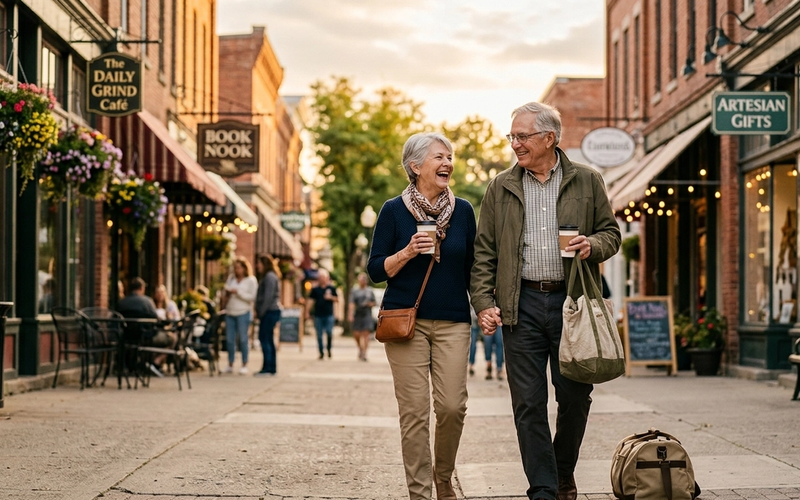
Best Weekend Trips and Short Getaways for Seniors
The best weekend trips for seniors are short, close to home, and built around one relaxed idea. Here are the kinds of short getaways that work well for older travelers, with real examples and how to plan one.
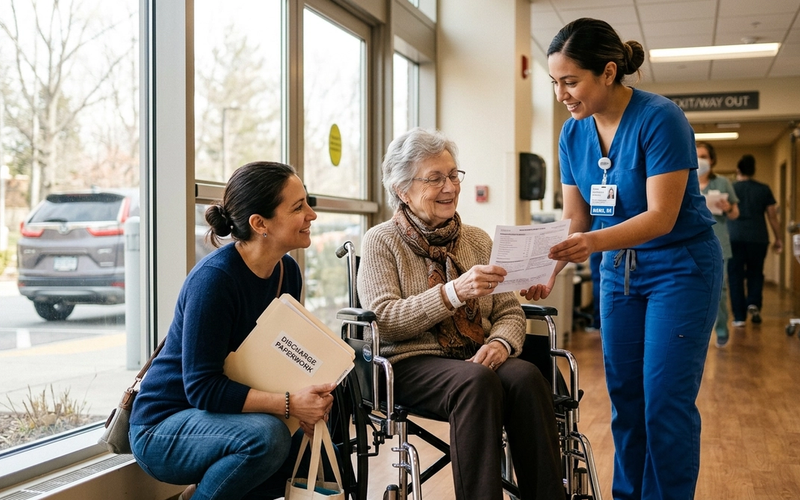
Hospital Discharge Planning for Seniors: A Family Guide
A hospital discharge for an older parent is a decision, not just a notice. Here is how discharge planning actually works, where families have leverage, and how to appeal a discharge you think is unsafe.
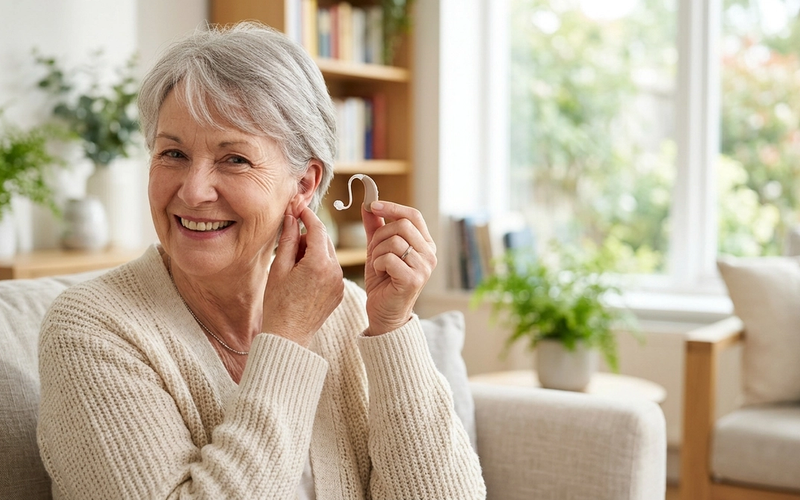
OTC Hearing Aids for Seniors: A 2026 Buyer's Guide
Over-the-counter hearing aids let adults with mild to moderate hearing loss skip the clinic and buy directly. Here is what they cost, who they fit, who should avoid them, and how they compare with prescription devices.
Explore senior living options
Comparing care for yourself or a family member? Browse communities by care type and see what each option typically costs.
- Assisted livingHelp with daily activities, costs, and how to choose a community.
- Independent livingMaintenance-free communities for active older adults.
- Home careIn-home support for seniors aging in place.
- Nursing homesSkilled nursing care and Medicare star ratings.
- Senior apartmentsAge-restricted, budget-friendly rental housing.
- Cost of senior livingCompare typical monthly prices by care type and state.