
Exploring Senior Living in Raleigh, North Carolina: The Best Communities
Raleigh, North Carolina stands out as one of the most popular retirement spots in the southeast. The city's senior population will double by 2030. Senior living in Raleigh, North Carolina gives residents easy access to top healthcare facilities, cultural spots, and pleasant weather throughout the year.

Raleigh, North Carolina draws many people approaching retirement, particularly from the Southeast. The city's population of seniors is expected to double by 2030. The appeal is straightforward: good hospitals nearby, cultural venues, and consistently mild weather. The senior living market in Raleigh keeps expanding, which means real choices exist for different tastes and budgets.
Communities here run the gamut, from independent living to luxury apartments to full-service care. What changes from one to the next is how much gets handled for you: housekeeping, activities, wellness programs. Each place has its own feel and its own price tag. That's the upside. You can match what you're looking for to what actually exists and what you can afford.
- Start by being honest about what matters: health status, how much help you actually need with mobility or memory, whether you want constant social activity or quiet time. This shapes what kind of place makes sense, independent living, assisted living, memory care, or skilled nursing. The goal isn't perfection; it's finding somewhere you can live the way you actually want to.
Top independent living communities in Raleigh
Raleigh's independent living communities each carry their own personality, from the amenities they lean into to the pace of daily life. Here's how the standouts differ.
The Cardinal at North Hills
The Cardinal at North Hills is in the North Hills Midtown District with 191 residences in the East Tower. Units range from one to three bedrooms (800 to 3,511 square feet). The location puts you near restaurants, shops, and entertainment. City views come standard.
The Cypress of Raleigh
The Cypress of Raleigh has been operating for 15 years and is known for its Life Plan Community model, meaning full care options stay available as you age. The setting is quiet. Residents get seasonal menus, fitness programs tailored to their abilities, and on-site healthcare.
Waltonwood Lake Boone
Waltonwood Lake Boone handles maintenance and household chores so residents don't have to. Staff are available 24/7. The community runs regular events and tries to involve families in activities, though the emphasis stays on residents keeping their independence.
Atria Oakridge
Atria Oakridge runs a steady calendar of activities. Apartments are spacious, common areas are comfortable, and food is prepared on-site. The activity roster includes fitness and cognitive programs, arts and crafts, music, and educational talks.
- Physical and intellectual wellness programs
- Arts and crafts sessions
- Musical performances
- Educational speakers and lifelong learning opportunities
Verena at Bedford Falls
Verena at Bedford Falls is a senior living community in North Raleigh with a heated swimming pool, fitness studio, movie theater, and full-service restaurant. Spacious apartments include wood-style flooring, granite countertops, and private balconies or patios. The location is near shops, restaurants, and healthcare facilities, with parks and walking trails nearby. Residents can choose different care levels and amenities based on their needs.
Amenities and services offered
The day-to-day extras are where communities earn their keep. Across Raleigh you'll find dining, fitness, activities, transportation, and housekeeping bundled together, all aimed at keeping residents active and independent without the burden of running a household.
Dining options
Senior communities in Raleigh offer chef-prepared meals that can be customized for dietary needs. Dining spaces include a main dining room, casual bistro for light meals, private dining for special occasions, and seasonal outdoor patio service.
Fitness and wellness programs
Staying strong and steady on your feet is one of the surest ways to hold onto independence, and the fitness calendars here reflect that. Expect low-impact aqua aerobics, chair yoga, balance and flexibility training, strength-building exercises, and Pilates fusion classes.
Social activities and events
A full social calendar does more than fill the hours; it's what keeps loneliness at bay. You'll find art classes, book clubs, educational seminars, holiday celebrations, and musical performances, with the emphasis on connection, lifelong learning, and creative expression.
Transportation services
GoWake Access provides door-to-door transportation for medical appointments, shopping, and social activities Monday through Saturday, 6 a.m. to 6 p.m. Drivers are trained in mobility assistance.
Housekeeping and maintenance
Housekeeping staff handle daily cleaning, weekly laundry and linen service, and seasonal deep cleaning. A maintenance team provides routine upkeep and emergency repairs 24/7, along with grounds keeping.
Cost considerations for senior living in Raleigh
What you'll pay in Raleigh comes down to a handful of variables: the level of care, the amenities, the location, and the services you actually use. Before you commit to a community, it pays to understand your payment options and the financial help that may be within reach.
Average monthly costs
Independent living in Raleigh costs around $4,103 per month, while assisted living runs about $5,388. Both exceed North Carolina's state average ($4,010) and the national average ($4,500).
| Care Type | Monthly Cost |
|---|---|
| Independent Living | $4,103 |
| Assisted Living | $5,388 |
| Home Health Care | $4,957 |
| Adult Day Care | $1,300 |
| Nursing Home (Semi-private) | $6,996 |
Factors affecting pricing
Several factors determine how much you'll pay for senior living in Raleigh:
- Location within the Raleigh area
- Quality and range of amenities and services
- Floor plan and unit type, from studios to one- and two-bedroom apartments or cottage-style homes
- Staffing ratios and specialized care options
- Occupancy rates and current demand
In early 2023, senior housing communities raised asking prices by 5.3% compared to the previous year, the largest single-year increase on record. Communities operating at 95% occupancy or higher raised rates more aggressively than those with available units.
Financial assistance options
North Carolina offers programs to help seniors with living costs. The State/County Special Assistance Program covers room and board in adult care homes. Recipients automatically qualify for Medicaid to cover additional care services. The Special Assistance In-Home Program provides monthly cash support for seniors aging in place who need care equivalent to facility-based services.
The Project C.A.R.E. program supports family caregivers of people with dementia, offering respite care and training.
Value comparisons between communities
Some Raleigh communities cost less than the area average. Sunrise of Cary and Cadence Garner charge about $1,200 less per month than average while maintaining high resident satisfaction scores based on 841 reviews.
When comparing communities, consider:
- What's included in the base price versus costs for add-on services
- Resident satisfaction ratings and quality reviews
- Staff-to-resident ratios
- Proximity to hospitals and family
- Available care levels and options for future needs
Social Security's 8.7% cost-of-living adjustment in 2023 helped seniors keep pace, but plan carefully. Most communities raise rates about 3.5% annually for inflation and operations.
Choosing the right senior living community
The right community fits the way you want to live as much as the care you need. Start by weighing what matters most to you: your health, your daily routines, your social interests, and your budget.
Assessing individual needs and priorities
Begin with an honest look at both today's needs and the ones likely to surface down the road. That means weighing medical requirements, lifestyle priorities, and how much social interaction your loved one wants. A few things to think through:
| Assessment Category | Key Considerations |
|---|---|
| Healthcare Needs | Current medical conditions, medication management, mobility requirements |
| Lifestyle Priorities | Desired activity level, dining preferences, social interaction needs |
| Financial Resources | Monthly budget, long-term financial planning, insurance coverage |
| Support Requirements | Personal care needs, housekeeping assistance, transportation services |
Touring communities and asking questions
Visiting potential senior living communities in person is essential. You'll see daily operations, meet staff, and get a real sense of whether a place fits your loved one. Go prepared with a list of questions and take notes so you can compare communities fairly.
- Physical environment and safety features such as accessible layouts, emergency call systems, secure entrances, and good lighting
- How well they maintain and clean the building
- Security systems, 24/7 surveillance, and emergency response plans covering medical emergencies, fires, and natural disasters
- How easy it is to move around
- Available common areas and how residents use them
Take notes during tours so you can compare facilities. Most communities provide information packets listing their services, amenities, and costs.
Evaluating staff and resident interactions
How staff interact with residents tells you a lot about the quality of care. Watch the informal, daily exchanges, not just planned activities. Look for staff who are respectful, responsive, and genuinely engaged with the people they care for.
Staff members should wear uniforms and ID badges and know residents by name. Long-term employees often indicate a stable workplace and better continuity of care.
When you visit, watch whether staff members:
- Know residents' names and show familiarity
- Respond quickly to resident requests
- Remain patient and maintain a positive attitude
- Show competence in their roles
Location and proximity to family
Location shapes daily life more than most families expect, from how content your loved one feels to how easily you can stop by. Weigh these factors:
Being close to hospitals and doctors matters. Easy family access encourages more visits and helps family members participate in activities. The neighborhood should feel safe and have nearby shops, restaurants, or places of worship.
Most facilities offer scheduled transportation for medical appointments and social activities, typically within 5 to 15 miles of the community.
Compare each community on these location factors:
| Location Factor | What to consider |
|---|---|
| Medical Access | Distance to preferred healthcare providers |
| Family Proximity | Travel time for regular family visits |
| Community Integration | Access to shopping, entertainment, worship |
| Emergency Response | Distance to hospitals and urgent care |
In North Carolina, severe weather can make roads impassable. Senior living communities near multiple hospitals and with backup power are better positioned to handle emergencies.
Conclusion
Raleigh has a growing number of senior living communities with different price points and service levels. Some offer independent living and activities; others provide memory care or skilled nursing. Financial assistance and payment plans can make them more affordable. The right choice depends on what kind of support you need now and what you expect to need later.
Before choosing a community, visit in person, talk to current residents, and ask about staffing ratios and turnover. Check whether the community can handle your health needs as they change. Raleigh's options range from small assisted living homes to large continuing care campuses, so there is likely something that fits your situation and budget.
Get matched
Looking for senior care for someone you love?
Tell us what you're considering. We'll share independent matches and pricing directly with you. No phone calls until you ask for one.
- Takes about two minutes to complete.
- Pricing details emailed to you. No phone calls until you ask for one.
- Independent matching. We do not own the communities we list.
Loading the matching form…
Powered by SilverAssist. By submitting this form you agree to our privacy policy.
More from our editors
All articles
Senior Monitoring Systems: A Complete Guide to Keeping an Aging Parent Safe at Home
Senior monitoring systems range from one-button medical alerts to passive motion sensors, cameras, GPS trackers, and caregiver apps. Here is how the main types compare on what they do, what they cost, what Medicare covers, and how to choose the right one without crossing privacy lines.
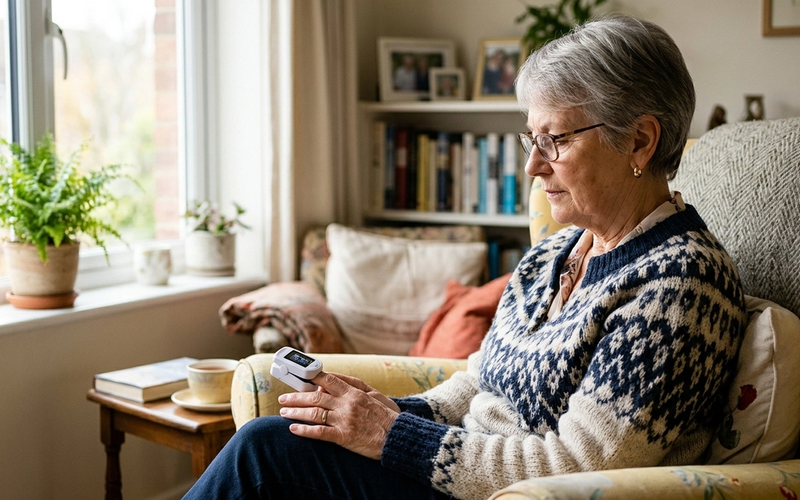
Normal Blood Oxygen Levels by Age for Seniors: What SpO2 Should Be
A normal blood oxygen level for seniors is 95 to 100 percent, the same as for any healthy adult, and it does not drop by the decade the way some charts claim. Here is what your pulse oximeter number means, when a low reading is an emergency, and why the device can read falsely high.

Cholesterol Levels by Age Chart for Seniors: What's Normal After 60
A desirable total cholesterol is under 200, with LDL under 100 and HDL over 60, and those targets are the same at 70 as they are at 40. Here is what your cholesterol numbers mean, how they really change with age, and when the number actually calls for treatment.
Explore senior living options
Comparing care for yourself or a family member? Browse communities by care type and see what each option typically costs.
- Assisted livingHelp with daily activities, costs, and how to choose a community.
- Independent livingMaintenance-free communities for active older adults.
- Home careIn-home support for seniors aging in place.
- Nursing homesSkilled nursing care and Medicare star ratings.
- Senior apartmentsAge-restricted, budget-friendly rental housing.
- Cost of senior livingCompare typical monthly prices by care type and state.