
10 Engaging Games for Seniors to Boost Fun and Interaction
Recent studies show 40% of adults aged 65 and older actively participate in gaming activities, challenging long-held assumptions about video games being exclusively for younger generations. Gaming options for seniors range from traditional card games to modern digital applications. Research data reveals significant cognitive and social benefits from regular gameplay among older adults. Games for seniors now…

Four in ten adults over 65 play video games, which challenges the common assumption that gaming is just for younger people.
Seniors play everything from card games to modern digital apps. Research shows that regular gaming improves memory, focus, and social connections. Games range from solo activities to group entertainment, with options for different skill levels and physical abilities.
This guide covers 10 games that can sharpen the mind and build friendships. Each is easy to access, learn, and play with others. They work for seniors across different ages and abilities.
- Classic card games for seniors
- Popular card game options
- Card game benefits for seniors
- Card game accessibility modifications
- Brain-boosting board games
- Best senior-friendly board games
- Cognitive benefits of board games
- Board game social interaction tips
- Digital games for memory enhancement
- Senior-friendly mobile apps
- Digital memory game benefits
- Getting started with digital games
- Social group games
- Group game recommendations
- Social benefits for seniors
- Organizing senior game groups
- Puzzle games for mental agility
- Types of senior-friendly puzzles
- Puzzle game cognitive benefits
- Choosing the right difficulty level
- Word games for mental sharpness
- Popular word game options
- Language skills benefits
- Word game difficulty progression
- Movement-based interactive games
- Seated game options
- Physical benefits
- Safety considerations
- Strategy games for critical thinking
- Easy-to-learn strategy games
- Decision-making benefits
- Strategy game social aspects
- Reminiscence games
- Memory-triggering games
- Emotional benefits
- Creating custom reminiscence games
- Multiplayer online games
- Senior-friendly online platforms
- Virtual social connection benefits
- Getting started online
- Comparison table
- Conclusion
- FAQs
Classic card games for seniors
Card games are popular with seniors. About two-thirds of adults over 50 play regularly with friends in various formats.
Popular card game options
Bridge is a top choice for those who like strategy and four-player partnerships. Rummy is more flexible—it works with 2 to 6 players and is easier to learn. Canasta mixes strategy and luck and works well for group play.
Game
Players
Complexity
Key feature
Bridge
4
4
4
High
2-6
Partnership play
2–6
Rummy
2-6
2–6
Medium
3–6
Flexible gameplay
- Canasta
- 2–6
- Medium
Balanced strategy and luck
Card game benefits for seniors
- Most older adults who play card games say the games help keep their minds sharp. Two-thirds report better mental health and overall well-being. Card games offer three main benefits.
- Mental stimulation
- Card games require strategy and memory work. As we age, keeping our minds active matters. Bridge and chess demand planning ahead. Learning new rules, memorizing sequences, or mastering a new skill all push your brain to work harder and build new connections.
Social connection
More than half of regular card players report stronger friendships through the games.
Fine motor skills
Handling cards regularly keeps hands nimble and fingers flexible.
Card game accessibility modifications
If physical limitations make regular play difficult, a few simple changes help:
Large-print cards improve visibility.
Card holders make it easier to hold a hand.
Simplified rules keep the core game intact.
Most seniors prefer playing at home, where they can arrange furniture to suit their needs and adjust rules as necessary. This setup works best because it gives control over space and comfort.
Brain-boosting board games
Board games may lower dementia risk by roughly 15 percent. Seniors who play strategic games regularly often show sharper thinking skills.
2
Best senior-friendly board games
Some board games work better for older players than others. Here are games that regularly engage seniors:
Game
2-4
2
Skill level
Main benefit
2
Players
2–4
Chess
2-4
Moderate
Strategic thinking
- 2
- 2
- Qwirkle
- Easy
- 2–4
Pattern recognition
2–4
Checkers
Easy
Problem-solving
2
Scrabble
Moderate
Vocabulary and spelling
2–4
Cognitive benefits of board games
Playing board games with others cuts dementia risk by as much as 40 percent, according to research from Harvard Health. Regular players show many mental improvements:
Better memory and thinking skills
Sharper problem-solving
App
Improved focus and concentration
Lower depression risk
Faster decision-making
Board game social interaction tips
Chess and checkers are good starting points because they're simple to learn but still require real thinking. Qwirkle, a newer game, mixes color and shape matching with strategy. Rotating partners and playing casual tournaments brings people together and keeps minds active.
Seniors in their 70s who play board games regularly often score higher on cognitive tests. Regular sessions work best for building friendships and staying sharp.
Digital games for memory enhancement
More seniors now use smartphones and tablets daily. Digital games can help improve memory and thinking skills.
Senior-friendly mobile apps
Three memory apps stand out for older adults:
App
- Main focus
- Key feature
- Cost
- Lumosity
Memory and focus
Personalized training
- Free or subscription
- Elevate
- Language and math
- Skill tracking
Free or premium
CogniFit
Cognitive skills
Detailed progress reports
Free or subscription
Digital memory game benefits
Within two weeks of regular play, older adults show improvement in recognition memory. Studies show several gains:
Better memory and thinking skills
Improved reading, writing, and math
Longer attention span and faster processing
10+
Low
Better problem-solving
Getting started with digital games
2-8
Four steps can help you start with digital games:
Pick a senior-friendly app like Lumosity or Elevate.
Start with the free version.
2-8
Play 15 to 45 minutes daily.
Track your progress using the app's built-in tools.
Low
Brain-training apps can mildly to moderately improve memory in older adults. Most people see benefits within a few weeks of regular play.
Social group games
- Two-thirds of adults over 50 play games in groups, showing how important social time is for senior wellness. These gatherings help people build real friendships.
- Group game recommendations
- Different games offer varying amounts of activity and interaction:
Game
Players
Physical activity
- Social interaction
- Bingo
- Many
- Low
High
Shuffleboard
Many
Moderate
Medium
Bocce ball
Many
Moderate
High
These games work well because they adapt to different physical abilities.
Social benefits for seniors
Group games improve mood and reduce stress. Studies show clear advantages:
Better mood and less worry
Stronger friendships and less loneliness
Happier feelings from shared time
More than half of seniors report stronger social ties through games, with women more likely to feel this benefit than men.
Organizing senior game groups
Most seniors prefer meeting at home. To run a successful group:
Make sure there's good light and comfortable seating.
Offer several games to choose from.
- Keep groups to 6 or 8 people.
- Meet on a regular schedule.
- Taking turns leading builds confidence and deeper friendships. People who host or lead games feel more capable and connected to the group.
- Beyond the fun, regular game groups help people live longer and healthier lives. Socially active seniors tend to have better physical and mental health.
Puzzle games for mental agility
Regular puzzle work can improve thinking skills in ways that match people ten years younger. Seniors who solve puzzles regularly show real mental gains.
Types of senior-friendly puzzles
- Different puzzles work different parts of the brain:
- Puzzle type
- Cognitive focus
- Recommended time
Jigsaw
Visual and spatial skills
30–45 minutes
Word games
Language processing
20–30 minutes
Logic puzzles
Critical thinking
15–20 minutes
Puzzle game cognitive benefits
Seniors who regularly solve puzzles show improvement in thinking skills. Studies point to several specific gains:
Better vision and spatial reasoning
Stronger short-term and long-term memory
Improved mental flexibility and speed
Better spatial reasoning
Puzzle solving releases dopamine, a chemical that boosts mood and satisfaction. Regular players report less stress and feel happier overall.
Choosing the right difficulty level
For seniors with early memory changes, start with 50-to-100-piece puzzles. When picking puzzles, consider these factors:
Medium difficulty for beginners
Clear, bright images
Large pieces you can see and handle easily
Gradually harder options to try next
Research shows that 500-piece puzzles suit seniors with little memory change, while 13-to-35-piece options work for more advanced decline. Success happens when the challenge matches the person.
- Word games for mental sharpness
- Seniors who do crossword puzzles regularly show better thinking skills and less brain shrinkage than people who do other thinking games. Regular word games offer real brain benefits.
- Popular word game options
- Different word games have different strengths:
Game type
Time
Main benefit
Difficulty
Crosswords
30 minutes
Memory and thinking
Moderate
Word search
15–20 minutes
Focus and attention
Easy
Anagrams
10–15 minutes
Vocabulary
Variable
Language skills benefits
Crossword players show measurable improvement in thinking skills after 12 weeks. Research points to several advantages:
Better memory and thinking speed
Stronger language learning
Improved problem-solving
Faster thinking and attention
Crossword puzzles work about as well as some prescription memory drugs for improving thinking and memory.
Word game difficulty progression
- Thursday New York Times crosswords offer a good balance of challenge. Aim for 30-minute sessions about four times a week.
- Crossword solving activates multiple brain regions, creating new connections between parts of your brain that usually don't work together. Regular players show better thinking skills than non-players.
- Word searches work well to start. Then move on to crosswords and anagrams as you improve. This progression builds thinking skills and keeps you interested.
- Movement-based interactive games
Active video games help older adults improve balance and movement. Various movement-based games show physical benefits.
Seated game options
Three seated games have shown consistent benefits:
- Game
- Physical focus
- Social element
- Tennis ball race
Hand-eye coordination
Group play
Musical ball
Upper body movement
Circle activity
Keep-away
Arm mobility
Team play
Games can be adjusted for different physical abilities, so everyone can play.
Physical benefits
Active games are light to moderate work, similar to other exercise. Regular play offers several benefits:
Better balance and coordination
2
Stronger muscles
Better hand-eye coordination
More social time
2
A typical session lasts about 40 minutes, whether played alone or in groups.
Safety considerations
Supervised programs work best. Important safety steps include:
2-4
Check that seating is stable.
Start with 15-minute sessions.
- Gradually lengthen the time.
- Adjust games to match each person's abilities.
- 2
- People using wheelchairs or walkers can participate in modified versions. They do best when activities match their abilities.
Strategy games for critical thinking
Strategy games protect brain function and help preserve thinking skills in older adults. Testing shows consistent improvements across different measures.
2
Easy-to-learn strategy games
Three strategy games balance challenge with accessibility:
Game
2–4
Learning curve
Key benefits
Players
Checkers
Easy
Problem-solving
2
2-4
Backgammon
Moderate
Probability skills
4-8
2
Qwirkle
Easy
2-6
Pattern recognition
2–4
Decision-making benefits
Strategy game players show clear improvements in thinking. Data points to several advantages:
- Better working memory and focus
- Faster thinking and sharper executive function. Executive function—the skills we use for decisions, problem-solving, memory, and attention—naturally changes with age. These abilities matter for staying independent. Understanding these changes helps us support healthy aging and maintain independence.
- Better problem-solving
- Higher quality-of-life scores
- Two 60-minute sessions weekly for 12 weeks produces measurable thinking improvements.
Strategy game social aspects
Strategy games help older adults connect and improve mental health through social time. Checkers is simple to learn but offers real challenge. Chess is particularly good at slowing cognitive decline. Both the social time and the mental work help protect brain health.
- Reminiscence games
- Reminiscence games reduce depression in seniors. These memory-focused activities improve thinking skills and emotional health.
- Memory-triggering games
- Different sensory-focused games have shown effectiveness:
Game type
Sensory focus
Group size
Time
Photo memory match
Visual
Small group
20 minutes
Music timeline
Auditory
Small group
30 minutes
Scent memory cards
Olfactory
Small group
15 minutes
Participants show better thinking and social skills through reminiscence activities. Combining long-term memory with social time produces the most benefits.
Emotional benefits
Stress-related symptoms like headaches, back pain, and trouble focusing improve significantly. Other psychological gains include:
- Better self-worth
- Stronger communication
- Less isolation
- Closer family bonds
Creating custom reminiscence games
Familiar photos and objects work best. Four strategies help:
- Pick 12 meaningful photos of family or special places.
- Make card pairs with sturdy, glossy materials.
- Mix old and newer memories.
- Reminiscence therapy works best when it engages multiple senses—sight, sound, and touch. This multi-sensory approach strengthens family bonds and supports brain health across different ability levels.
Multiplayer online games
Senior online gaming has grown by one-third in recent years. Now 15 percent of all video gamers are over 55.
Senior-friendly online platforms
Several platforms cater to senior gaming interests:
Platform
Game types
Social features
AARP Games
Chess, puzzles, cards
Multiplayer options
Chess.com
Chess variants
2-6
Tournaments, chat
MultiPopword
Word games
Live multiplayer
Virtual social connection benefits
2-4
Seniors who use technology for socializing often show better thinking, memory, and hand skills. Benefits include:
Less loneliness
Stronger community ties
Better thinking skills
Better hand-eye coordination
Getting started online
Four steps help you begin:
Choose a senior-friendly platform like AARP Games.
Start with games you already know, like chess or word games.
2–6
Try Discord or similar apps for voice chat.
Join gaming communities for seniors.
A 93-year-old recently bought a gaming PC, showing that age is no barrier. Platforms like GrandPad help families connect through games.
Use a username instead of your real name and keep personal information private. You'll enjoy it most when you balance connecting with others and protecting your privacy.
Comparison table
2–4
Different games offer different benefits, player amounts, and time needs. Each type has strengths for certain cognitive and social goals:
Game type
Main benefits
Players/group size
Difficulty level
Key features
Time needed
Classic card games
Mental sharpness, social time
2–6
Medium–high
6–8
Large cards and holders available
Variable
Brain-boosting board games
Better memory, lower dementia risk
2–4
Easy–moderate
Pattern recognition, strategic thinking
2-4
Variable
Digital games
Memory improvement, focus
Solo
Variable
2-8
Custom training, progress tracking
15–45 minutes daily
Social group games
Better mood, less loneliness
Many
Easy–moderate
High interaction, flexible
Variable
Puzzle games
Vision, memory, spatial skills
Solo
2
Variable
Multiple cognitive pathways
30–45 minutes
Word games
Memory and thinking improvement
Solo or small groups
Moderate
Language skills development
Get matched
Looking for senior care for someone you love?
Tell us what you're considering. We'll share independent matches and pricing directly with you. No phone calls until you ask for one.
- Takes about two minutes to complete.
- Pricing details emailed to you. No phone calls until you ask for one.
- Independent matching. We do not own the communities we list.
Loading the matching form…
Powered by SilverAssist. By submitting this form you agree to our privacy policy.
More from our editors
All articles
Best Weekend Trips and Short Getaways for Seniors
The best weekend trips for seniors are short, close to home, and built around one relaxed idea. Here are the kinds of short getaways that work well for older travelers, with real examples and how to plan one.

Hospital Discharge Planning for Seniors: A Family Guide
A hospital discharge for an older parent is a decision, not just a notice. Here is how discharge planning actually works, where families have leverage, and how to appeal a discharge you think is unsafe.
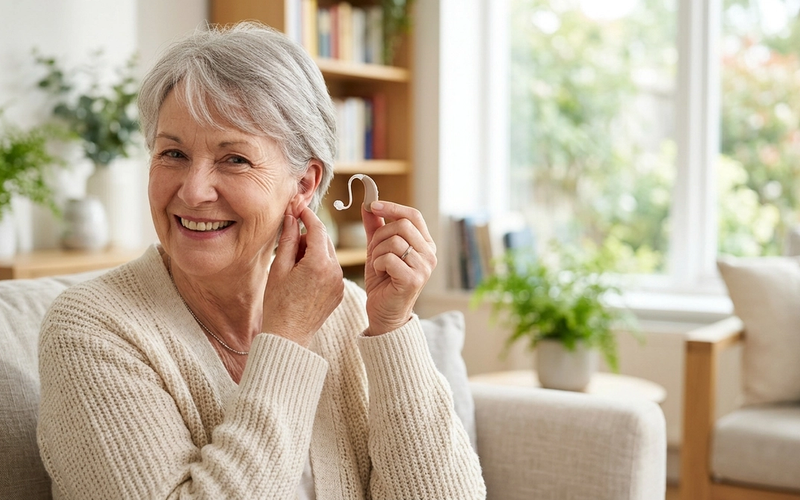
OTC Hearing Aids for Seniors: A 2026 Buyer's Guide
Over-the-counter hearing aids let adults with mild to moderate hearing loss skip the clinic and buy directly. Here is what they cost, who they fit, who should avoid them, and how they compare with prescription devices.
Explore senior living options
Comparing care for yourself or a family member? Browse communities by care type and see what each option typically costs.
- Assisted livingHelp with daily activities, costs, and how to choose a community.
- Independent livingMaintenance-free communities for active older adults.
- Home careIn-home support for seniors aging in place.
- Nursing homesSkilled nursing care and Medicare star ratings.
- Senior apartmentsAge-restricted, budget-friendly rental housing.
- Cost of senior livingCompare typical monthly prices by care type and state.