
Spending too much time indoors can lead to depression, anxiety, isolation, and decreased vitamin D levels in seniors. Outdoor activities for seniors offer a practical solution with benefits that extend far beyond fresh air and sunshine.
The CDC recommends that all adults 65 and older participate in at least 150 minutes of moderate physical activity each week. Research shows that staying active outdoors can reduce fall risks and make daily tasks easier, potentially helping seniors maintain independence longer. Regular moderate aerobic exercise stimulates the brain’s ability to build and maintain new network connections.
One study found that independent older adults who went outdoors daily at age 70 reported fewer health complaints at 77 compared to their less active counterparts. These active seniors experienced less muscle and skeletal pain, fewer sleep issues, and less decline in daily living activities.
Outdoor activities for older adults positively impact mental health by reducing stress and anxiety while improving mood and overall well-being. Senior outdoor activities can lower stress, enhance self-esteem, improve focus, and boost cardiovascular health.
This guide explores 15 outdoor activities for seniors that accommodate various interests and ability levels, including options for seniors with limited mobility. Whether you’re seeking peaceful solo pursuits or social outdoor games, these activities provide a pathway to better health and increased happiness.
Nature Walks
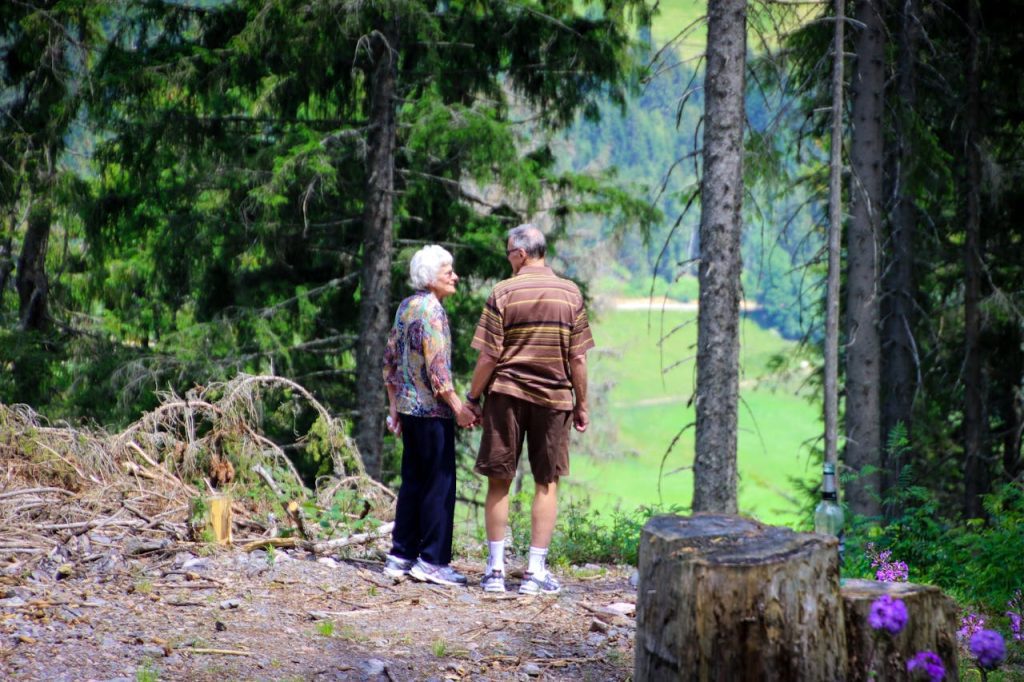
Low-impact nature walks rank among the most accessible outdoor activities for seniors, offering significant physical and mental health benefits. You may find that regular walks in natural settings provide both gentle exercise and an opportunity to connect with the environment.
Nature Walks benefits for seniors
Regular nature walks deliver powerful health advantages for older adults. Studies show that walking in natural environments can reduce blood pressure by nearly 2% and lower pulse rates by almost 4%. These walks also improve cardiovascular health by increasing circulation and potentially decreasing the risk of heart disease.
Spending time in nature significantly enhances mental wellbeing. Research indicates that seniors who enjoy outdoor walks experience lower levels of anxiety, depression, and stress. Nature walks can boost cognitive function, as participants perform better on tasks requiring creativity and complex problem-solving. Seniors who walk outdoors daily often report fewer health complaints, including less muscle pain and improved sleep quality.
How to enjoy Nature Walks safely
Safety remains important when planning nature walks. You should select flat, well-maintained paths free of obstacles to reduce fall risks. Proper preparation makes all the difference:
- Wear supportive, non-slip footwear and comfortable, breathable clothing
- Apply sunscreen with SPF 15 or higher 15 minutes before going outdoors
- Carry water and healthy snacks to maintain energy levels
- Check air quality reports before heading out
- Consider bringing a walking buddy or caregiver for added security
Walking at a comfortable pace with frequent rest breaks helps prevent overexertion. You should listen to your body and stop if experiencing shortness of breath or dizziness.
Nature Walks for limited mobility
Limited mobility doesn’t mean missing out on nature walks. Many parks now offer wheelchair-accessible trails specifically designed with seniors in mind. Boulder’s Open Space and Mountain Parks features 30 different trails accessible to most wheelchairs, walkers, and scooters.
Let’s say you use mobility aids – you can seek paved paths or designated accessible trails. Even those with mobility challenges can benefit from brief, gentle strolls in nature. Many locations now provide all-terrain mobility devices, such as Boulder’s power assist hand-bike program. These adaptations ensure that outdoor activities for seniors with limited mobility remain engaging and beneficial for physical and mental health.
Gardening
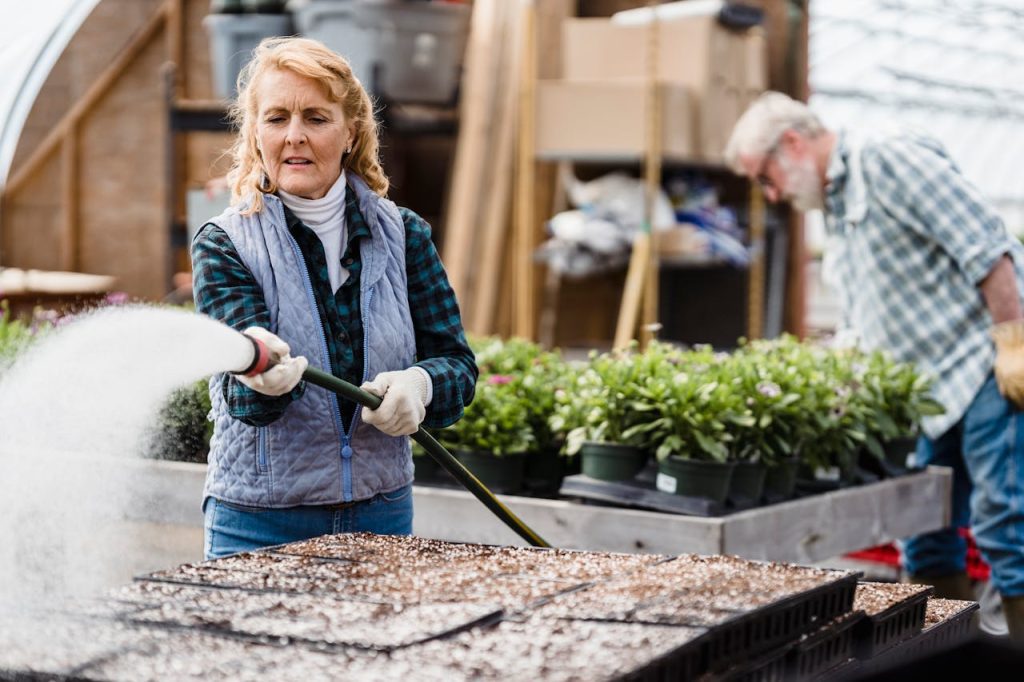
Gardening stands out as one of the most rewarding outdoor activities for seniors, combining physical exercise with the joy of nurturing living things. This therapeutic hobby allows older adults to stay active while enjoying nature’s soothing presence.
Gardening health benefits
Tending to plants delivers impressive physical advantages for seniors. Research shows that gardening can reduce the risk of heart disease and stroke, with one study finding that adults who gardened regularly had 27% lower risk of heart attack. Regular gardening activities, including digging, planting, and watering, provide low-impact exercise that improves cardiovascular health, muscle strength, and joint flexibility. Exposure to sunlight during gardening helps seniors produce essential vitamin D, which supports bone health and immune function.
Gardening significantly enhances mental wellbeing. Studies reveal that seniors who garden have noticeably lower levels of depression and anxiety than non-gardeners. This calming activity reduces cortisol levels in the brain, decreasing stress and anxiety. Gardening may even reduce dementia risk by up to 36%. The activity stimulates cognitive function through planning garden layouts and problem-solving when managing pests or diseases.
Gardening tools for seniors
Selecting appropriate tools makes gardening more accessible and enjoyable. Ergonomic tools with padded, slip-resistant grips provide stability and comfort, particularly helpful for those with joint pain. Lightweight materials like aluminum, fiberglass, and carbon steel reduce fatigue during extended gardening sessions. Long-handled tools bring reach to where it’s needed without crouching or stretching.
Essential equipment includes:
- Pruning shears with spring-assisted mechanisms for easier cutting
- Garden kneelers and foldable seats to reduce pressure on knees and back
- Lightweight watering cans with balanced designs
Gardening for limited mobility
Limited mobility shouldn’t prevent seniors from enjoying this fulfilling outdoor activity. Raised garden beds eliminate the need for bending or kneeling, bringing plants to a comfortable working height. These can be built at a height suitable for seated gardening, making them perfect for wheelchair users.
Container gardening presents another excellent solution, as pots can be placed on tables or stands at accessible heights. Arranging containers near the house on level surfaces reduces walking distance and minimizes trip hazards. For accessible garden layouts, ensure paths are at least 3 feet wide with firm, non-slip surfaces to accommodate mobility aids.
Outdoor Yoga
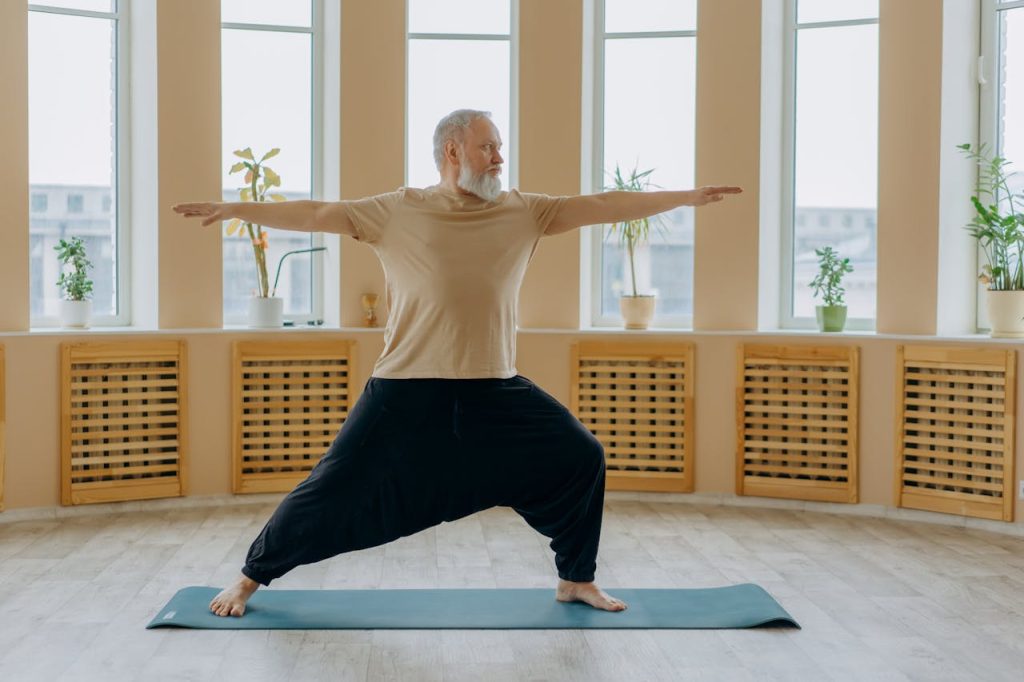
Yoga practiced in the fresh air offers a unique combination of physical exercise and nature connection for older adults. This gentle yet effective outdoor activity for seniors brings together mindful movement and natural surroundings for enhanced wellness benefits.
Outdoor Yoga for flexibility and balance
Practicing yoga outdoors helps seniors improve flexibility, balance, and stabilization. The uneven surfaces encountered outside naturally challenge different muscle groups, leading to increased strength and better balance that helps prevent falls. Outdoor yoga bridges the connection between mind, body, and nature.
Regular outdoor yoga sessions provide impressive health benefits for seniors:
- Improved flexibility and range of motion
- Enhanced stress reduction through deep breathing
- Better balance and stability
- Effective pain management for chronic conditions
- Improved cognitive function
Studies indicate a powerful link between physical fitness through activities like outdoor yoga and decreased risk factors for cognitive decline. One Michigan State University study found seniors who exercised outdoors performed better at memory tasks than those who exercised indoors.
Best locations for Outdoor Yoga
The ideal setting enhances the outdoor yoga experience. Private balconies offer a perfect starting point for seniors new to outdoor yoga, providing accessibility and comfort. Neighborhood parks present excellent opportunities for weekly sessions, possibly creating a social experience through group classes.
Waterside locations like lakeshores provide soothing background sounds that enhance relaxation. Beaches offer unique benefits as the sand creates a challenging yet forgiving surface that’s gentler on joints. Pools represent another excellent option, with aqua yoga providing low-impact, full-body workouts.
Outdoor Yoga safety tips
Select locations with privacy to maintain a comfortable environment. Check weather forecasts thoroughly before heading out, seeking shaded areas to avoid direct sunlight. Perform a safety check of your chosen location, ensuring even ground free from rocks, sticks, or other obstacles.
Seniors should prepare appropriately by bringing sunscreen, bug spray, and hand sanitizer. Seniors with limited mobility can still participate through chair yoga, which adapts traditional poses while offering similar benefits.
Bird Watching
Bird watching offers a perfect blend of relaxation and mental stimulation for older adults seeking senior outdoor activities. With over 7.7 million seniors participating in bird watching, this increasingly popular hobby provides numerous benefits without requiring strenuous physical exertion.
Bird Watching as a mindful activity
Bird watching naturally promotes mindfulness by encouraging seniors to be present in the moment. This peaceful activity functions like gentle meditation, requiring patience and focus that leads to improved mental clarity. Observing birds helps lower stress levels and boosts overall mood. The cognitive benefits extend further as seniors challenge themselves to recognize and remember different bird species, thereby exercising memory and stimulating brain function.
The mental engagement resembles solving crossword puzzles with wings, potentially helping maintain cognitive sharpness as one ages. The calming rhythm of nature and the joy of witnessing colorful feathered visitors creates a profound sense of connection with the natural world.
Bird Watching gear for seniors
The right equipment enhances the bird watching experience substantially. Essential items include:
- Binoculars with 8x magnification and 25-30mm lenses for clear viewing
- Field guides specific to your region for bird identification
- Comfortable seating near viewing areas to prevent fatigue
- Bird feeders to attract various species to your yard
For those with hand tremors or stability issues, binocular harnesses distribute weight across shoulders rather than straining the neck. Binocular mounts that attach to tripods or monopods provide stability for those who struggle to hold equipment steady.
Bird Watching for limited mobility
Window bird watching stations create accessible opportunities for seniors with mobility challenges. These setups bring nature directly to those who cannot venture outdoors easily. Feeders that mount directly to windows or clear window tray feeders effectively bring birds almost into your home.
Organizations like Birdability advocate specifically for inclusive birding experiences, focusing on people with mobility challenges, chronic illness, vision impairments, and other health concerns. Adaptive equipment such as wheelchair-mounted scopes leave hands free for maneuvering while keeping optics at comfortable viewing height. Digital adapters that connect smartphones to binoculars can also help those with tremors by allowing them to view birds on larger screens rather than through traditional eyepieces.
Fishing
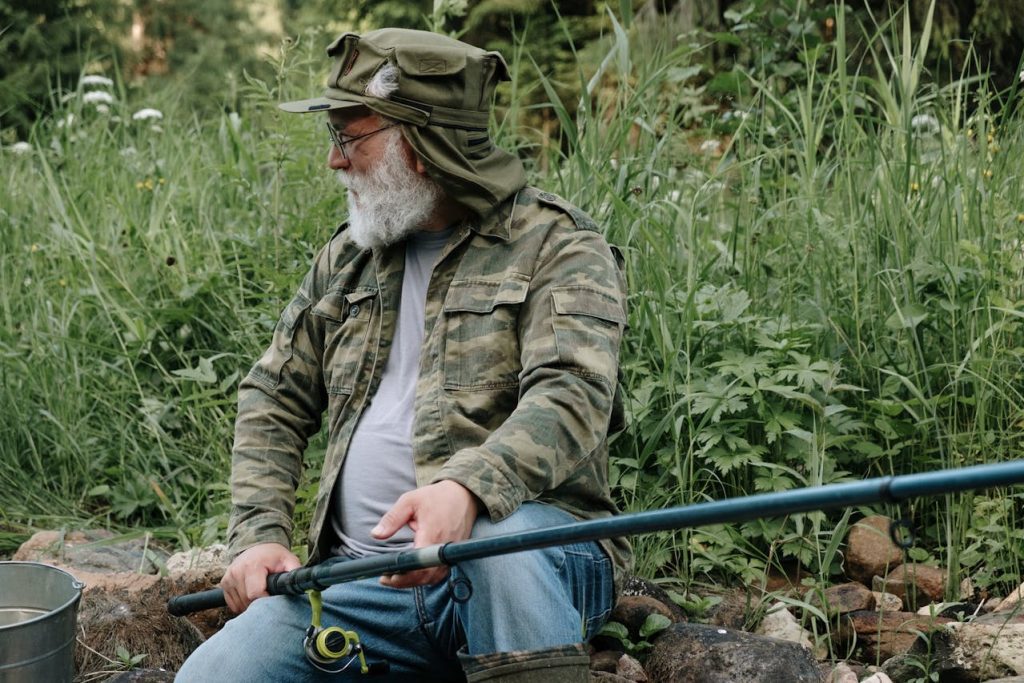
Fishing stands among the most calming outdoor activities for seniors, offering both mental relaxation and gentle physical engagement. This low-impact pastime adapts well to various ability levels while providing health benefits and fostering a deeper connection with nature.
Fishing as a relaxing outdoor activity
Fishing promotes mental wellbeing through its peaceful, meditative qualities. The tranquil environment by water bodies combined with the rhythmic motions of fishing reduces stress levels and lowers cortisol, creating a profound sense of calm. This mindful activity helps seniors stay present in the moment, potentially alleviating symptoms of anxiety and depression. Fishing encourages improved mobility and cognitive abilities as seniors plan their fishing strategy and react when fish bite.
Fishing equipment for seniors
Selecting appropriate gear makes fishing accessible for all seniors, regardless of physical limitations. Essential equipment includes:
- Adaptive equipment like electric reels, fishing rod mounts, and stabilizing straps enable those with limited hand mobility to enjoy fishing independently
- Ergonomic options including rods with larger handles and reel grips improve comfort for those with arthritis or reduced grip strength
- Visibility aids such as high-contrast fishing lines and brightly colored bobbers assist seniors with vision limitations
For those using wheelchairs, specialized rod holders that attach directly to chairs provide stability without requiring constant holding.
Fishing safety tips
Safety remains essential for an enjoyable fishing experience. Choose accessible locations with flat, paved paths and sturdy railings or docks designed for wheelchair access. Pack appropriate gear including non-slip footwear, sun protection, and plenty of water to prevent dehydration. Consider using the buddy system by fishing with friends or family members for both safety and companionship.
Always check weather forecasts before heading out and inform someone of your fishing plans and expected return time. Carry a charged cell phone for emergencies and consider wearing a medical bracelet if you have existing health conditions.
Outdoor Games
Group games create joyful experiences for older adults seeking fun outdoor activities. These accessible pastimes combine light exercise with social engagement, providing multiple health advantages.
Popular outdoor games for seniors
Bocce ball ranks among the most beloved games for seniors, requiring minimal equipment while improving hand-eye coordination. Horseshoes offers gentle physical activity that’s easy on the joints. Cornhole (bean bag toss) provides accessible entertainment requiring simple underhand tosses toward a target. Additional favorites include:
- Croquet, which encourages strategic thinking while promoting gentle movement
- Giant Jenga, which tests skills and strategy in an oversized version of the classic game
- Lawn bowling, which combines precision, balance, and strategic thinking
Social benefits of outdoor games
Outdoor games foster meaningful connections among participants. Group activities like scavenger hunts bring seniors together, developing friendships and building community. Research shows outdoor sports programs help include or reintegrate individuals with physical disabilities, demonstrating their social value. These shared experiences lead to improved self-esteem and reduced feelings of isolation often experienced by older adults.
Outdoor games for limited mobility
Several adaptations make games accessible for all ability levels. Washers, similar to horseshoes but played seated, works well for those with mobility challenges. Croquet can be easily modified for wheelchair users. Giant versions of classic games like chess allow participation while accommodating physical limitations.
Community Events

Attending local community events provides seniors with engaging outdoor activities that combine social interaction with cultural experiences. Many areas organize special gatherings designed with seniors’ needs in mind throughout warmer months.
Types of community events for seniors
Outdoor concerts featuring diverse musical styles from jazz to classical offer popular entertainment options for older adults. Cultural festivals celebrate local traditions while farmers markets provide fresh produce shopping in social settings. Additional options include:
- Craft shows featuring local artisans
- Outdoor performances including theater and movies
- Sporting events where seniors can enjoy community atmosphere
How to find local events
You can discover local events through several reliable sources. Municipal websites often maintain event calendars with current listings. Senior centers display flyers and announcements about upcoming activities. Local newspapers frequently feature event sections that many seniors read regularly. Friends and family members often provide the best recommendations for enjoyable gatherings.
Benefits of attending community events
Community events offer meaningful social connections that help reduce isolation. These outdoor gatherings provide gentle physical activity through walking and light movement. Cultural engagement stimulates cognitive function while creating memorable experiences with loved ones. Many seniors find that attending local events helps them feel more connected to their communities.
Dancing Outdoors
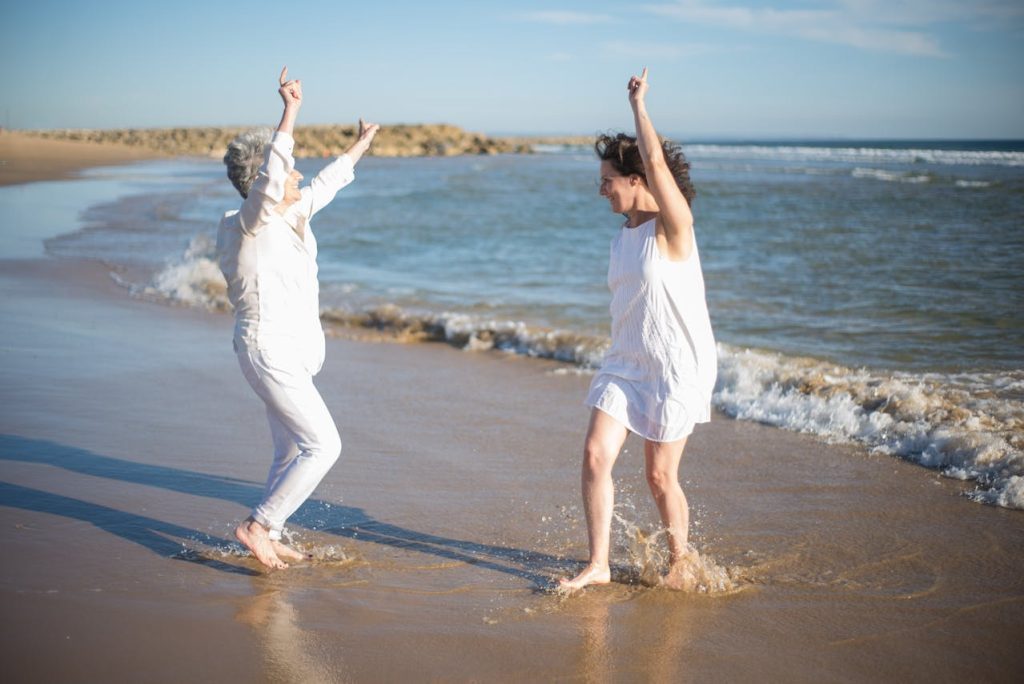
Dancing combines music and movement to create an enjoyable outdoor activity for seniors that offers multiple health benefits while providing social opportunities.
Health benefits of dancing for seniors
Dancing outdoors improves physical health by increasing muscle tone and decreasing body fat, helping reduce fall risks. This aerobic exercise supports cardiovascular health through repetitive movements that increase heart rate and promote healthy blood flow. Dancing boosts mental wellness by increasing dopamine levels in the brain, positively affecting emotional wellbeing. Regular dance practice improves balance, coordination, and flexibility, all essential for maintaining mobility as you age.
Types of outdoor dance events
Outdoor venues host various dance styles that work well for seniors. Line dancing in parks offers straightforward movements that anyone can learn. Ballroom dancing at outdoor events creates opportunities for social interaction while providing gentle exercise. Latin dances like cha-cha and salsa allow seniors to express joy through rhythm during warmer months. Community centers often organize outdoor dance classes designed specifically for older adults.
Dancing for limited mobility
Limited mobility doesn’t prevent participation in dance activities. Chair dancing allows you to practice movements while seated, stretching side to side and moving your feet. Gentle seated dance classes require no special equipment yet offer similar benefits to standing routines. Accessibility features like ramps and wheelchair lifts make dance venues increasingly available to everyone.
Outdoor Arts & Crafts
Taking creative pursuits outdoors offers seniors a refreshing way to express themselves while enjoying fresh air. Artistic activities in natural settings provide outdoor activities for seniors that engage both creativity and gentle physical movement.
Creative outdoor activities for seniors
Outdoor sketching groups allow artistically minded seniors to capture landscapes while connecting with others who share similar interests. Painting classes focused on nature subjects let older adults express creativity while surrounded by inspiring scenery. Photography excursions encourage seniors to document beautiful outdoor settings, which can be especially appealing for beginners. Pottery classes held outdoors provide hands-on experiences that help maintain fine motor skills.
Art supplies for outdoor use
Seniors benefit from art materials designed specifically for outdoor use:
- Craft kits with large-print instructions and easy-grip tools
- Paint-by-number sets suitable for outdoor settings
- Simple jewelry making supplies for creative expression
- Group craft projects that encourage social interaction
Benefits of outdoor crafting
Outdoor arts and crafts activities stimulate the mind through creative problem-solving. These pursuits help maintain fine motor skills through hands-on creative work. Many seniors find these activities both therapeutic and personally rewarding. Attending craft shows provides opportunities to appreciate local art while enjoying outdoor venues and possibly creating pieces themselves. Outdoor crafting gives seniors meaningful ways to express creativity while benefiting from time spent in natural settings.
Visiting Botanical Gardens

Botanical gardens provide serene retreats for seniors seeking peaceful outdoor activities amid nature’s beauty. These living museums offer more than just plants; they create immersive experiences that benefit older adults in multiple ways.
Why seniors love botanical gardens
Botanical gardens offer therapeutic spaces that foster well-being and connection. The gentle sounds of rustling leaves and birdsong, combined with colorful blooms, create peaceful environments that reduce stress and anxiety. These gardens promote mindfulness, allowing seniors to be fully present in the moment. For many older adults, time spent among plants improves mood and counters feelings of isolation.
Accessibility in botanical gardens
Most botanical gardens feature wide, smooth pathways ideal for wheelchairs and walkers. Many gardens offer complimentary wheelchair loans and electric mobility scooters for rent. Benches throughout garden grounds provide convenient resting spots, while shaded areas offer protection from direct sunlight. Check if the garden offers accessibility maps highlighting wheelchair-friendly routes.
Tips for planning a visit
To maximize enjoyment at botanical gardens:
- Visit during mornings or weekdays when crowds are smaller
- Wear comfortable, closed-toe shoes suitable for walking
- Bring water, sunscreen, and a wide-brimmed hat
- Consider joining guided tours for educational insights
- Check websites beforehand for special events or exhibits
Picnicking in the Park
Picnics combine the joys of fresh air, good food, and social connection, making them ideal outdoor activities for seniors with benefits beyond simple enjoyment.
How to plan a senior-friendly picnic
Choose locations with accessibility features like flat terrain and minimal walking distance from parking areas. Provide comfortable seating with armrests to support seniors with arthritis or balance issues. When preparing food, focus on nutritious options that are easy to handle, such as:
- Sandwiches with low-sodium ingredients
- Fresh-cut fruits and vegetable sticks
- Cheese cubes and other finger foods
Ensure adequate hydration by bringing plenty of water or natural fruit juices.
Best picnic spots for seniors
Ideal picnic locations feature shaded areas to prevent excessive sun exposure. Parks with picnic pavilions, accessible restrooms, and well-maintained paths create safe environments for older adults. Spots close to parking lots minimize walking distances, accommodating those with mobility challenges.
Picnic safety and comfort tips
Sun protection remains important as seniors have more sensitive skin. Apply broad-spectrum sunscreen regularly throughout the day. To ensure food safety, keep hot foods above 140°F and cold foods properly chilled. For additional comfort, bring lightweight cotton blankets that seniors can use if they feel cool in breezy weather.
Tai Chi in the Park
Tai Chi represents a gentle yet powerful outdoor activity for seniors that combines movement meditation with physical benefits. This ancient Chinese practice has evolved into an ideal exercise form for older adults seeking balance in both body and mind.
Tai Chi benefits for older adults
Tai Chi offers substantial advantages for seniors’ health. The practice improves balance and stability by focusing on controlled, deliberate movements that strengthen muscles and reduce fall risk by approximately 67%. The practice enhances flexibility while remaining gentle on joints, making it accessible for individuals with arthritis. Despite its low-impact nature, Tai Chi effectively improves cardiovascular health. From a mental perspective, its meditative qualities decrease stress, foster relaxation, and even boost cognitive function.
How to start Tai Chi outdoors
Beginning Tai Chi outdoors requires minimal preparation. Choose flat, shaded areas with sufficient space for free movement. Having a qualified instructor ensures proper technique and safety. You can find classes at community centers or follow online tutorials. For optimal results, practice for an hour 2-3 times weekly for at least six months.
Tai Chi for limited mobility
Limited mobility poses no barrier to enjoying Tai Chi. Seated Tai Chi provides the same benefits while accommodating mobility challenges. This adaptation helps muscles stay active and joints nimble while promoting mindfulness. The practice remains fully adaptable, meeting practitioners wherever they are in their mobility journey.
Attending Farmers Markets
Farmers markets serve as vibrant community hubs offering seniors a unique outdoor activity that combines healthy eating, gentle exercise, and social engagement in one enriching experience.
Why farmers markets are great for seniors
Farmers markets provide exceptional nutritional benefits through freshly harvested produce picked shortly before sale, helping seniors maintain optimal health. These markets often offer organic food options that support both health and environmental sustainability. Walking between vendor stalls provides low-impact exercise while spending valuable time outdoors throughout the market season from June to October. The Senior Farmers Market Nutrition Program (SFMNP) offers financial assistance to lower-income seniors, making fresh produce more accessible.
What to buy at farmers markets
Seniors can purchase locally grown fruits, vegetables, honey, and herbs directly from farmers. Seasonal produce offers superior taste compared to shipped alternatives. Many markets feature additional offerings including homemade goods, artisan breads, seafood options, and unique cultural foods. The vibrant colors and variety encourage dietary diversity important for senior nutrition.
Socializing at farmers markets
Farmers markets create family-like environments where seniors expand their social networks with vendors and fellow shoppers. Many describe these interactions as meaningful social participation opportunities. As one market visitor expressed, “I meet my friends here!”. Markets occasionally feature entertainment like live music, enhancing the community atmosphere.
Outdoor Photography
Photography offers a wonderful way for seniors to explore the outdoors while creating lasting memories. This versatile outdoor activity for seniors combines creative expression with gentle physical movement.
Photography as a senior hobby
Photography provides older adults with a purposeful way to engage with their surroundings. This fulfilling hobby encourages seniors to get up and move, whether walking through a park or visiting a cityscape. Photography remains highly adaptable for those with mobility limitations, as it can be enjoyed from a chair or even indoors. Taking photos helps seniors maintain cognitive sharpness by requiring focus and awareness of their environment. Many photography clubs specifically cater to older adults, offering workshops and outings where seniors can build meaningful connections.
Best outdoor photography subjects
For seniors exploring outdoor photography, nature offers abundant inspiration. Landscapes, wildlife, and seasonal changes provide excellent subjects that don’t require extensive travel. Family gatherings create opportunities to capture precious moments that can be enjoyed immediately and revisited later. Photographing gardens, parks, or even neighborhood scenes can yield satisfying results without demanding strenuous effort.
Tips for beginners
To improve outdoor photography skills:
- Maximize natural light by shooting during early morning or late evening “golden hours”
- Avoid harsh midday sun when photographing people outdoors
- For indoor shots near windows, position yourself between the subject and window
- Use comfortable, lightweight cameras that can be easily carried
Reading Outdoors
Reading outdoors combines intellectual stimulation with natural surroundings, making it an ideal outdoor activity for seniors who seek both mental engagement and the healing power of nature.
Benefits of reading in nature
Reading outside offers numerous advantages for seniors’ wellbeing. Being outdoors improves mood and cardiovascular health. The natural environment helps calm the nervous system and creates a sense of connection to the community. During outdoor reading sessions, seniors benefit from sunshine that stimulates vitamin D production, which is crucial for bone health as density declines with age. Even brief outdoor exposure provides substantial mental benefits while keeping the brain actively engaged.
Best outdoor reading spots
Finding the perfect outdoor reading location enhances the experience. Porches and patios rank among the most popular spots, allowing seniors to enjoy beautiful weather without venturing far. Parks offer tranquil settings with benches and shade trees. Many libraries now feature dedicated outdoor spaces with patios and lawns specifically designed for reading. Look for places that provide both comfort and protection from excessive sun exposure.
Reading accessories for comfort
Proper equipment makes outdoor reading more enjoyable. A comfortable folding chair with an adjustable footrest and attached umbrella creates the perfect portable reading spot. Water bottles with triple-walled designs prevent condensation from damaging books while keeping beverages cool. Items like lightweight blankets and small snacks enhance comfort during extended reading sessions. For those seeking ultimate relaxation, hammocks offer an affordable luxury that many consider “one of life’s greatest pleasures” for outdoor reading.
Comparison Table
Benefits of outdoor activities vary depending on the type of residence and individual preferences. The following table covers key considerations to help you choose activities that best match your interests and physical abilities:
| Activity | Physical Benefits | Mental Benefits | Equipment/Supplies Needed | Accessibility Options | Safety Considerations |
|---|---|---|---|---|---|
| Nature Walks | Reduces blood pressure, improves circulation | Reduces anxiety and depression | Supportive footwear, sunscreen, water | Wheelchair-accessible trails, mobility aids | Check air quality, use walking buddy |
| Gardening | Improves cardiovascular health, muscle strength | Reduces depression, lowers stress | Ergonomic tools, padded grips, kneelers | Raised beds, container gardens | Use lightweight tools, avoid overexertion |
| Outdoor Yoga | Improves flexibility, balance, stability | Reduces stress, enhances cognitive function | Yoga mat, comfortable clothing | Chair yoga adaptations | Choose shaded areas, check ground surface |
| Bird Watching | Gentle physical activity | Improves mindfulness, mental clarity | Binoculars, field guides, comfortable seating | Window watching stations, wheelchair-mounted scopes | N/A |
| Fishing | Low-impact movement | Reduces stress, promotes relaxation | Adaptive equipment, ergonomic rods | Wheelchair-accessible docks, rod holders | Check weather, use buddy system |
| Outdoor Games | Light exercise, improved coordination | Enhanced social connections | Game equipment (varies by activity) | Seated versions, modified rules | N/A |
| Community Events | Walking, light activities | Reduces isolation, improves mood | N/A | Accessible venues, seating areas | N/A |
| Dancing Outdoors | Improves muscle tone, balance | Increases dopamine levels | Comfortable shoes | Chair dancing options | N/A |
| Outdoor Arts & Crafts | Fine motor skills | Creative stimulation | Craft supplies, comfortable tools | Adapted tools, seated options | N/A |
| Botanical Gardens | Gentle walking exercise | Reduces stress and anxiety | N/A | Wheelchair loans, mobility scooters | Use sun protection, stay hydrated |
| Picnicking | Light walking | Social engagement | Comfortable seating, food supplies | Accessible locations near parking | Food safety, sun protection |
| Tai Chi | Improves balance, flexibility | Decreases stress, boosts cognition | N/A | Seated adaptations | Choose flat surfaces |
| Farmers Markets | Walking exercise | Social interaction | Shopping bags | N/A | N/A |
| Outdoor Photography | Gentle movement | Cognitive engagement | Lightweight cameras | Can be done from seated position | N/A |
| Reading Outdoors | Light activity | Mental stimulation | Comfortable chair, umbrella | Accessible reading spots | Sun protection |
Conclusion
These outdoor activities provide seniors with accessible pathways to better health and enhanced quality of life. The 15 options we’ve explored accommodate different interests and physical abilities while delivering measurable wellness benefits.
Regular outdoor engagement offers multiple advantages for older adults. Activities like tai chi, gardening, and nature walks improve balance, cardiovascular health, and muscle strength while reducing fall risks. Beyond physical benefits, outdoor pursuits stimulate cognitive function and may help seniors maintain independence as they age.
Social connections play a crucial role in senior wellness. Community events, group games, and farmers markets create meaningful interactions that combat isolation. These shared experiences often lead to improved mood and expanded social networks within local communities.
Mobility limitations need not prevent outdoor enjoyment. Raised garden beds, wheelchair-accessible trails, and seated exercise adaptations ensure that physical challenges don’t limit participation. Many activities can be modified to meet individual needs and preferences.
Consider trying one or two activities that appeal to you most. Start with short sessions and gradually increase participation as you become more comfortable. Whether you choose peaceful bird watching, creative photography, or social dancing, outdoor engagement can enrich your daily life through connection with nature and community.
The key lies in finding activities that match your interests and current abilities. Listen to your body, make necessary adaptations, and focus on enjoyment rather than performance. Regular outdoor participation can contribute to lasting improvements in both physical health and overall well-being.
Key Takeaways
These 15 outdoor activities provide seniors with accessible pathways to better health, social connection, and enhanced quality of life regardless of physical limitations.
• Regular outdoor activity reduces health complaints by 27% – Seniors who engage daily report less pain, better sleep, and maintained independence longer.
• Nature-based activities boost both physical and mental health – From reducing blood pressure to decreasing depression, outdoor engagement delivers measurable wellness benefits.
• Accessibility adaptations make activities inclusive for all – Raised garden beds, wheelchair trails, and seated exercise options ensure mobility challenges don’t prevent participation.
• Social outdoor activities combat isolation effectively – Community events, group games, and farmers markets create meaningful connections that improve mood and self-esteem.
• Low-impact activities like tai chi reduce fall risk by 67% – Gentle movements improve balance, flexibility, and stability while remaining joint-friendly for seniors with arthritis.
The key to success lies in starting small, choosing activities that match your interests and abilities, and gradually building outdoor engagement into your routine for lasting health and happiness benefits.
FAQs
Q1. What are some enjoyable outdoor activities for seniors? There are many enjoyable outdoor activities for seniors, including nature walks, gardening, bird watching, fishing, and attending community events. These activities provide physical and mental health benefits while allowing seniors to connect with nature and socialize.
Q2. How can seniors with limited mobility participate in outdoor activities? Seniors with limited mobility can still enjoy outdoor activities through adaptations like wheelchair-accessible trails, raised garden beds, window bird watching stations, and seated exercises like chair yoga or tai chi. Many activities can be modified to accommodate different ability levels.
Q3. What are the health benefits of outdoor activities for older adults? Outdoor activities offer numerous health benefits for seniors, including improved cardiovascular health, better balance and flexibility, reduced stress and anxiety, enhanced cognitive function, and increased vitamin D production. Regular outdoor engagement can also help maintain independence and reduce the risk of falls.
Q4. Are there outdoor activities that can help seniors socialize? Yes, many outdoor activities provide excellent opportunities for seniors to socialize. Community events, farmers markets, group games, and outdoor dance classes are great ways for older adults to connect with others and combat feelings of isolation.
Q5. What safety precautions should seniors take when engaging in outdoor activities? When participating in outdoor activities, seniors should wear appropriate footwear, use sun protection, stay hydrated, and be aware of weather conditions. It’s also advisable to start with gentle activities, listen to your body, and consider using a buddy system for added safety, especially when trying new activities.