
15 Must-Ask Questions Before Picking an Assisted Living Facility: Expert Guide
Selecting the right assisted living facility requires asking specific questions that directly impact your loved one’s quality of life. About half of all families working with A Place for Mom receive referrals to between four and six different communities during their search process. The evaluation process can be daunting for families. According to the Centers for Disease…

Choosing an assisted living facility means asking specific questions that directly affect your loved one's quality of life. Most families visit four to six communities during their search.
The evaluation process is demanding. According to the CDC, 82% of assisted living facilities operate as for-profit businesses, which means you need to assess each option carefully. During facility tours, ask about staff-to-resident ratios—these numbers directly affect care quality and emergency response times. Accredited communities have met established care standards.
This guide covers 15 important questions to ask when choosing an assisted living facility. These questions address personalized care plans, medical needs, daily routines, and safety measures like emergency response systems. Using these questions, you can evaluate each community effectively for your loved one.
- What types of care levels does the facility offer?
- Care levels explained
- Why understanding care levels matters
- Senior care often involves transitions—times when a resident's care level needs to change. These transitions affect a senior's well-being and quality of life. Knowing what to expect during these shifts helps ensure a smooth experience that preserves dignity and comfort as someone ages.
- What is the staff-to-resident ratio?
- Staffing ratio definition
- Why it impacts quality of care
- How to evaluate staff availability
- What training and certifications do caregivers have?
- Caregiver qualifications overview
- Why caregiver training is essential
- Questions to ask about staff credentials
The staff—caregivers, nurses, and administrative personnel—are the heart of any facility. Their qualifications, experience, and ongoing training matter most. Knowing who will be caring for your loved one helps you assess whether they have the skill and professionalism to provide good, compassionate support.
- Is staff available 24/7, including medical personnel?
- 24/7 availability explained
- Why round-the-clock care matters
- How to verify staff presence
- What safety and security measures are in place?
- Common safety features in assisted living
- Why safety protocols are critical
- Checklist of safety elements to inspect
- How are emergencies handled?
- Emergency response protocols
- Why this question is vital
- When you evaluate senior living options, understand how the facility handles emergencies and provides hospital access. This directly affects resident safety and your peace of mind. Ask about emergency drills and how quickly residents can reach medical care. A facility with solid emergency procedures and clear pathways to medical care demonstrates its commitment to resident safety. Quick, safe transport to medical facilities is essential.
- What is included in the monthly cost?
- Understanding base fees vs. add-ons
- Why cost transparency is important
- Assisted living costs vary widely. Each facility structures fees differently. The advertised price is just the starting point. You need to understand what services are included and watch for hidden costs. Look at several factors to fit your loved one's needs and your budget. This prevents unexpected expenses and ensures financial stability over time.
- What happens if a resident runs out of money?
- Financial contingency planning
- Why this question protects long-term care
- Senior care is expensive. Understanding Medicaid and other subsidies helps. These programs are financial resources for eligible seniors and families. They can cover medical expenses and long-term care costs, such as nursing home care, assisted living, and in-home care. Learn about who qualifies, how to apply, and what benefits are offered. This helps you make informed decisions and get the best care for your loved one without excessive financial stress.
- A personalized care plan ensures an older adult receives the right support. This process typically involves several stages, each designed to tailor care to the individual's specific needs. It begins with a thorough assessment in which healthcare professionals evaluate the senior's physical health, cognitive abilities, emotional well-being, and social needs. This initial evaluation is often done by a
- Care plan components
- Why personalization matters
- How to ensure your loved one's needs are met
Quality senior care addresses your loved one's physical health, emotional well-being, and social engagement needs. A good care plan focuses on their overall happiness and comfort. Regularly assess their changing needs, talk openly with caregivers, and advocate for what your loved one wants. This ensures care plans adapt as circumstances change, improving their quality of life.
- What types of activities and social programs are offered?
- Activity types in assisted living
- Why engagement is key to well-being
- How to assess the activity calendar
- Dining at the community includes multiple options. Residents can choose between formal dining rooms, casual cafés, or meals in their rooms. The kitchen staff prepares meals using fresh ingredients when possible. They accommodate dietary needs with a personalized approach. Dietitians and chefs work with residents and families to create individual meal plans that address allergies, dietary restrictions, and preferences such as vegetarian, vegan, gluten-free, low-sodium, and diabetic-friendly options. Dining is enjoyable and worry-free, combining nutrition and good taste.
- How are new residents welcomed and integrated?
- Onboarding and orientation practices
- Why first impressions matter
- What to ask about welcome programs
- What are the visitation policies for family and friends?
- What are the terms of the contract and discharge policies?
- Key contract clauses to review
- Why understanding discharge rules is important
- What to ask before signing
- Can residents personalize their living space?
- Comparison table
- Conclusion
- FAQs
What types of care levels does the facility offer?
Care level structures at assisted living facilities determine how well a community can support residents as their needs change. Knowing what support levels are offered matters when considering assisted living.
Care levels explained
Assisted living "levels of care" refer to how much help a person needs with activities of daily living (ADLs) and health management. Most facilities offer two to four levels of care.
These levels typically follow this pattern:
- Level 1 (Low): For seniors who need minimal help. They can walk independently and may only need medication reminders or light housekeeping.
- Level 2 (Moderate): Residents need regular help with specific ADLs like bathing or dressing while remaining independent in other areas.
- Level 3 (High): More comprehensive care for those needing extensive support with multiple ADLs, often requiring two caregivers for certain tasks.
- Specialized Care: Many facilities offer memory care units specifically for residents with Alzheimer's disease or dementia.
Why understanding care levels matters
Care level directly affects cost. Higher levels typically cost more per month. Understanding care levels helps you evaluate whether a facility can meet both current and future needs.
Care levels allow residents to "age in place" longer. When health declines, residents can receive more intensive care while staying in their familiar assisted living apartment instead of moving to a nursing home.
Different care levels include independent living, assisted living, memory care, and skilled nursing. Each offers different services and environments. A smooth transition between levels ensures consistent care and preserves dignity. This requires careful planning, open communication, and forward thinking. Choose a community that can adapt as needs change.
Transitional care includes services that help people move smoothly between different care levels. As you evaluate facilities, consider how they handle these transitions.
Quality facilities conduct regular reassessments, typically quarterly, semi-annually, or annually. Ask about their process for modifying care plans if a resident's condition changes unexpectedly, such as after a stroke.
Facilities should have clear communication protocols that involve both residents and family members in transitional care decisions. This reduces stress and ensures continuity of care.
Ask if the facility offers a full continuum of care on one campus, as this can make future transitions less disruptive.
What is the staff-to-resident ratio?
Staffing levels at assisted living facilities directly influence the quality of care your loved one receives daily. When touring communities, ask about caregiver-to-resident ratios early in the conversation.
Staffing ratio definition
Staff-to-resident ratio indicates how many residents each caregiver oversees. Most assisted living communities have about a 1:8 ratio during the day, with one staff member responsible for eight residents. At night, ratios typically increase to about 1:15, since residents generally need less help while sleeping.
Why it impacts quality of care
Staffing ratios directly affect care quality and response times. Research shows proper staffing levels result in:
- Fewer pressure ulcers and infections
- Lower rates of weight loss and dehydration
- Reduced use of physical restraints
- Better independence in daily living activities
- Fewer emergency room visits and rehospitalizations
Adequate staffing ensures residents receive timely help and supports their overall well-being. When staffing is too low, residents may wait for help, which is especially risky for those with incontinence or mobility challenges.
How to evaluate staff availability
When touring facilities, ask these specific staffing questions:
- What are the caregiver-to-resident ratios during day and night shifts?
- Are at least two caregivers on-site at all times?
- Is a nurse available 24/7, and what's the emergency response time?
- How does staffing adjust when resident needs change?
- Many senior living communities aim for consistent staffing. This builds stronger relationships between residents and staff, provides more personalized care, and improves residents' well-being. When staff work with the same residents regularly, they learn individual preferences, routines, and health needs. This creates a more stable and supportive environment. Staff rotations are sometimes needed for coverage or training. However, consistency is the goal, especially for direct resident care.
Only 12 states currently require minimum staffing ratios, so carefully check each facility's staffing approach. Always ask how staffing adjusts during staff absences or for residents requiring higher levels of care.
What training and certifications do caregivers have?
Staff training and certification levels directly affect care quality in assisted living communities. When you evaluate facilities, caregiver credentials are a key factor.
Caregiver qualifications overview
Good care depends on qualified staff. Most assisted living facilities require caregivers to have at least a high school diploma or equivalent. Many positions also require additional credentials, such as Certified Nursing Assistant (CNA) certification, Home Health Aide (HHA) training, or specialized dementia care certifications.
Training programs generally include at least 75 hours of classroom and clinical instruction, with some states requiring specific state testing. The National Institute on Aging reports that caregivers with proper certification provide higher-quality care compared to those lacking formal training.
Why caregiver training is essential
Staff training is essential for excellent resident care. Properly trained caregivers manage medical conditions better, respond appropriately to emergencies, and provide emotional support.
Trained caregivers reduce hospital admissions by up to 60% for seniors over 70. Comprehensive training helps staff recognize and address the specific needs of residents with conditions like dementia.
Thorough caregiver education also improves communication with healthcare providers, better access to resources, and overall caregiver well-being.
Staff credentials matter for resident well-being and safety. Beyond just the number of staff, their qualifications, experience, and ongoing training affect care quality. Ask specific questions to make informed decisions.
When evaluating potential facilities, include these credential-focused questions:
- What qualifications and certifications do staff members hold?
- How frequently do staff receive ongoing training and what topics does this cover?
- Are caregivers trained in specialized areas like dementia care or emergency response?
- Do all caregivers maintain CPR and first aid certification?
- Is a nurse available on staff 24/7?
- What is the staff turnover rate? (High turnover often signals management problems)
Ask about continuing education opportunities beyond basic certifications. Quality facilities prioritize ongoing learning to keep staff current on best practices and safety protocols. This commitment to professional development typically results in better resident outcomes and higher satisfaction.
Is staff available 24/7, including medical personnel?
Staff availability throughout the night is important when choosing an assisted living facility. Qualified staff directly affect emergency response times and resident safety.
24/7 availability explained
"24/7 staffing" means different things in different settings. Assisted living facilities typically offer 24-hour supervision with caregivers and medication technicians on duty, but they do not have the 24-hour medical care with registered nurses found in nursing homes. Professional caregivers are on site around the clock, but registered nurses usually work during business hours (Monday through Friday, 9-5).
Nursing homes offer more medical supervision, with licensed nurses available 24 hours a day. Some assisted living communities work with local physicians who make scheduled visits instead of having doctors on staff.
Why round-the-clock care matters
Continuous staff presence reduces the risk of falls, medication errors, and other emergencies. Residents with cognitive impairments benefit especially from 24-hour monitoring for safety and security.
Regular caregiver interaction helps reduce loneliness, which is important for residents' emotional health. Caregivers also ensure residents get prompt help with urgent needs at any time.
How to verify staff presence
When evaluating facilities, ask these specific staffing questions:
- Which staff types (CNAs, LPNs, RNs) work overnight shifts?
- What staff-to-resident ratio is maintained during night hours?
- How do night staff monitor residents throughout their shift?
- What technological aids (bed monitors, wander guards) supplement direct supervision?
- What emergency response protocol exists for overnight situations?
Regulations vary by state. Some states require at least one awake staff member at all times in facilities with 17 or more residents, while others require two staff members on-site 24 hours a day. Ask about your state's requirements to understand what to expect for overnight care.
What safety and security measures are in place?
Safety measures are essential for good care in assisted living communities. Checking security protocols helps families feel confident rather than constantly worried about a loved one's well-being.
Common safety features in assisted living
Quality facilities implement multiple layers of security to protect residents. These typically include:
- Gated entrances with controlled access points
- 24-hour security personnel monitoring the premises
- Video surveillance systems in common areas and entrances
- Emergency call systems (pull cords, pendant buttons, or wearable devices)
- Electronic access control with key cards for staff
- Fire safety equipment including sprinklers and smoke detectors
Many facilities now offer specialized wander management systems, particularly important for memory care units where residents with dementia might exit unsupervised.
Why safety protocols are critical
For residents with mobility challenges or cognitive decline, effective safety measures save lives. Falls are among the leading causes of injury for seniors, with approximately three million older adults treated annually in emergency rooms for fall-related injuries.
Inadequate safety alert systems often result in accidents when residents cannot request help quickly. Secure medication storage prevents accidental misuse, a critical concern in communal living environments.
Checklist of safety elements to inspect
When touring assisted living facilities, include these safety questions:
- Is the property well-lit and properly fenced?
- What fall prevention measures exist (handrails, grab bars, non-slip flooring)?
- Medication management ensures resident safety and well-being. Facilities use careful systems including secure storage and strict administration rules. Highly trained staff and advanced systems minimize errors and ensure residents take medications as prescribed. This focus on medication practices shows a facility's commitment to high-quality care.
- What is the fire evacuation plan and how often are drills conducted?
- Are emergency response protocols clearly documented?
- For residents with cognitive impairments, preventing wandering is an important part of their care. Facilities use various security measures including physical barriers, technology, and staff training. They often use secure areas with alarmed doors and fenced outdoor spaces to prevent unsupervised exits. Many also use specialized wander management systems that include wearable devices sending alerts if a resident approaches an exit, or pressure-sensitive mats detecting movement. Staff also receive training in de-escalation and crisis management.
These safety elements protect residents' physical health, dignity, and independence. When evaluating facilities, prioritize those with strong safety measures and clear security policies.
How are emergencies handled?
Emergency response protocols directly impact resident safety during crises at assisted living facilities. Emergency planning should be a high priority when evaluating potential communities.
Emergency response protocols
Quality facilities maintain detailed emergency plans for multiple potential hazards beyond basic fire safety. Written protocols typically cover natural disasters, power outages, medical emergencies, and infectious disease outbreaks. These plans include:
- Evacuation procedures with clearly defined routes and transportation arrangements
- Many senior living communities now use technology like RFID tags, wearable devices, and specialized software for emergency preparedness. These systems provide real-time location data and make roll calls easier, giving staff a clear picture of where residents are. This helps communities respond faster and improves accountability during emergencies.
- Methods for transferring medical records and medications
- Sheltering-in-place guidelines with food, water, and supply provisions
- Accommodations for residents with mobility challenges or cognitive impairments
The Centers for Medicare & Medicaid Services (CMS) requires Medicare and Medicaid participating providers to implement emergency preparedness plans with risk assessment, communication protocols, and testing procedures.
Why this question is vital
Poor emergency planning creates serious risks during emergencies. Past disasters showed that inadequate preparation led to preventable injuries. First responder access is essential, so most facilities conduct regular drills to test staff readiness and plan effectiveness.
When looking at a senior living facility, ask about their emergency plans. Focus on two key areas: emergency drills and hospital access. A facility that regularly practices emergency drills for fire, earthquakes, or medical emergencies shows strong commitment to resident safety. Also, know how close the facility is to medical centers and hospitals, as this is critical for seniors who might need immediate medical care.
Ask how often the facility conducts emergency drills and what specific scenarios they practice. Regulations require staff to receive emergency preparedness training annually and participate in regular drills testing evacuation procedures. Request information about:
- Response times from local hospitals during emergencies
- Partnerships with emergency medical services are important for resident safety. They show the facility's commitment to ensuring residents receive prompt, effective care during urgent situations. These connections provide a complete safety net supporting resident well-being.
- Family notification systems during crisis situations
- Resident assessment procedures following emergencies
After any emergency—such as a natural disaster, power outage, or medical crisis—resident assessments are essential. These assessments cover immediate medical needs and also evaluate residents' emotional and psychological well-being, ensuring complete care during their recovery. This process identifies residents who need extra support, showing the importance of thorough, proactive care after emergencies. - Records of previous emergency responses or drills
Look for evidence that the facility maintains active relationships with local emergency management agencies. This is critical for coordinating responses during crises.
What is included in the monthly cost?
Monthly fees vary significantly between assisted living facilities, so understand exactly what services your payment covers. Asking for a detailed cost breakdown is one of the most important questions when evaluating assisted living options.
Understanding base fees vs. add-ons
Assisted living communities generally use one of three pricing models. The all-inclusive model charges a single monthly fee covering housing, meals, housekeeping, activities, transportation, and personal assistance. The à la carte model sets a base housing rate and bills separately for individual services as needed. The tiered structure offers three to five care levels with prices corresponding to required staff time and specific services.
Base fees typically include:
- Housing and utilities
- Meals (usually three daily)
- Basic housekeeping
- Maintenance
- Social activities
- Transportation for appointments
Add-on services significantly increase costs. Medication management costs about $552 per month, escort services average $266 monthly, and transportation to medical appointments is around $66 per trip.
Why cost transparency is important
About one in three seniors worry about unexpected charges on their bills. Clear pricing helps families make informed financial decisions and builds trust between residents and facilities. Facilities that provide itemized costs before contract signing help residents avoid hidden fees after moving in.
Comparing pricing across facilities is challenging because senior living costs include more than rent; they cover many services and amenities. Look closely at what each facility's pricing model includes, from basic care services to specialized therapies or transportation. Understanding these pricing differences matters to make an informed decision fitting your budget and your loved one's needs. This ensures transparency and prevents unexpected costs.
When evaluating assisted living options, ask these specific pricing questions:
- When looking at assisted living costs, understand that the quoted price might not include all care levels. Many facilities use tiered pricing. The base rate usually covers rent, meals, and basic amenities. Additional services like medication management, help with daily activities, or specialized memory care are often charged separately. This allows for personalized care, so families only pay for the support a resident needs. When you get a cost quote, ask if it's just the base rate or if it includes a specific care level. This prevents unexpected costs.
- What specific services are included in the monthly base fee?
- Do you use pricing tiers for different care levels?
- How frequently do prices increase and by what percentage?
- Paying for senior care is expensive, and many families worry about running out of money. Planning ahead ensures seniors can continue receiving care if personal funds run out. Fortunately, programs exist to help. Knowing about options like Medicaid and state or local assistance programs helps families find lasting support and peace of mind.
All communities must legally disclose their complete fee structure. Understanding both current costs and potential future increases helps families develop appropriate long-term financial plans.
What happens if a resident runs out of money?
Financial planning for unexpected costs is crucial when choosing assisted living. With annual costs reaching approximately $120,000 for private rooms at some facilities, plan for what happens when funds are depleted.
Financial contingency planning
Begin planning for potential financial depletion at least one year before resources are exhausted. About 7 out of 10 individuals will need some form of long-term care during their lifetime.
Set aside an emergency fund for care transitions. Facilities often require residents to move to new accommodations if they cannot maintain payments. Regularly review financial plans as care needs change to prevent unexpected financial difficulties.
Why this question protects long-term care
Assisted living facilities maintain different policies regarding residents who deplete their resources. Facilities that don't accept Medicaid typically discharge residents who can no longer pay private rates, providing approximately 30 days' notice.
Understanding these policies beforehand protects your loved one from care disruptions. Many states offer eviction protections: 25 of 47 responding states have safeguards for Medicaid enrollees who cannot pay monthly fees. The most common protection, found in 15 states, requires facilities to help transition residents to new accommodations.
What to ask about Medicaid and subsidies
When evaluating assisted living facilities, include these financial contingency questions:
- Does the facility accept Medicaid for current residents who deplete their resources?
- What specific services does Medicaid cover here? (Note: Medicaid typically doesn't cover room and board)
- Are there limits on Medicaid-eligible beds in this community?
- What alternative payment options do you accept? (Some facilities accept VA benefits, life insurance policies, or reverse mortgages)
- When a resident's funds run out, we work with them and their family to explore all available financial assistance programs, such as Medicaid, veterans' benefits, and state or local aid. We also help residents transition smoothly to an appropriate and affordable setting, ensuring their care continues and giving peace of mind to everyone involved.
Some states cap room and board costs for Medicaid beneficiaries. Texas, for example, limits this fee based on the current SSI rate minus a personal needs allowance. Nearly 1 in 6 assisted living residents relies on Medicaid for daily care services.
What is the process for creating a personalized care plan?
Personalized care plans guide a resident's well-being in assisted living communities. When you evaluate potential facilities for your loved one, understand how these plans are developed.
Care plan components
Quality care plans address several dimensions of resident needs:
- Health and medical needs: Medication management, chronic condition monitoring, and therapeutic services
- Daily living assistance: Support with bathing, dressing, mobility, and meal preferences
- Social and emotional elements: Activities aligned with interests, family connections, and mental health support
- Cognitive support: Specialized strategies for memory-related issues
Most facilities develop these plans using assessments that evaluate Activities of Daily Living (ADLs), health history, and individual care requirements.
Why personalization matters
Personalized care recognizes that each resident has unique preferences, health needs, and lifestyle goals. This approach allows residents to maintain dignity and independence while receiving necessary support.
Residents with individualized care plans often experience better quality of life, improved health outcomes, and higher satisfaction. This personalization builds trust between residents and caregivers, creating relationships beyond basic care tasks.
How to ensure your loved one's needs are met
When touring facilities, ask these key questions about care planning:
- How do you involve residents and families in developing care plans?
- Which professionals contribute to care plan creation? (Look for interdisciplinary teams)
- How often are care plans reviewed and updated?
- What technology supports care plan implementation and monitoring?
- How do you incorporate personal preferences, routines, and history into daily care?
Effective assisted living care plans balance medical, physical, and social needs while preserving resident autonomy. Quality facilities conduct regular assessments and modify plans as residents' conditions and needs change.
What types of activities and social programs are offered?
Social programs are an important part of assisted living communities. The variety and quality of activities offered directly affect residents' happiness and health.
Activity types in assisted living
Most assisted living facilities provide a variety of activities tailored to different interests and physical capabilities. Physical programs typically include tai chi classes, walking groups, and modified exercises designed for seniors with mobility limitations. Cognitive stimulation activities feature educational presentations, book discussions, brain-training games, and creative art sessions.
Many communities also schedule regular social events, including game tournaments, seasonal celebrations, and musical performances. Facilities with structured activity programming provide consistent opportunities for physical exercise, social interaction, intellectual stimulation, and spiritual practice, as well as coordinated outings to community destinations.
Why engagement is key to well-being
Taking part in facility activities offers clear health benefits for residents. Social engagement reduces isolation and supports emotional health. Regular social interaction improves cognitive abilities and memory.
Regular physical activity helps residents maintain muscle tone, build endurance, and decrease joint pain associated with arthritis. Residents who actively participate in community programs show measurable improvements in quality of life, physical functioning, and social connection.
How to assess the activity calendar
When evaluating assisted living options, ask these activity-related questions:
- What is the weekly activity schedule, including weekend programming?
- How does the facility balance physical, mental, creative, and social activities?
- What accommodations exist for residents with different ability levels?
- Do residents have input into activity planning?
- What transportation options support off-site activities?
Quality activity programs engage residents meaningfully. The best communities offer balanced programs that are enjoyable and purposeful, supporting residents' well-being.
What are the dining options and dietary accommodations?
Dining services affect daily life in assisted living communities. They offer both nutritional support and social engagement. The quality and flexibility of meal options influence residents' health and satisfaction.
Most facilities include three daily meals and snacks in their monthly fee. Dining arrangements vary by community, with options including restaurant-style service with wait staff, casual cafés for lighter meals, private dining rooms for family gatherings, and in-room meal service for residents with mobility limitations.
Newer communities are increasingly offering flexible dining schedules instead of fixed mealtimes. Many now provide extended hours or all-day dining, letting residents maintain their personal routines and eat when hungry, rather than following a set institutional schedule.
Nutritional quality directly affects resident health outcomes. Poor dietary habits increase risks for chronic conditions, including diabetes and heart disease. Facilities with registered dietitians on staff ensure meals are nutritionally balanced and meet medical requirements. When elderly residents have personal choice in menu options, they eat more, which helps them maintain better nutrition and healthier weights.
When evaluating assisted living facilities, include these dining-related questions during your tour:
- How are special diets accommodated (diabetic-friendly, low-sodium, gluten-free)?
- Are texture-modified options available for residents with swallowing difficulties?
- How often do menus rotate, and who plans them?
- Can residents provide input on menu planning?
- What credentials do dining staff hold?
- How are cultural and religious dietary preferences honored?
Sample a meal during your facility tour. Look for communities that balance nutritional needs with enjoyable dining, since both are important for residents' well-being.
How are new residents welcomed and integrated?
The welcome process at assisted living facilities helps residents adjust to their new environment. These first interactions often affect how satisfied a resident is with the community over time.
Onboarding and orientation practices
Better assisted living communities develop structured welcome protocols starting before move-in day. Effective orientation programs typically feature:
- Pre-arrival checklists and moving assistance resources
- Personal welcome elements such as gift baskets or door nameplate cards
- Early assessment of daily preferences and routines
- Formal introductions to key staff and neighboring residents
- For families looking into senior care, accessing information that is easy to understand is important, especially for those new to the process.
Some facilities use an "anchor person" approach, assigning one consistent caregiver as the resident's main support during the transition period. Many communities also implement resident ambassador programs, pairing new arrivals with current residents who offer guidance, companionship, and social introductions.
Why first impressions matter
First impressions form very quickly, sometimes in as little as 50 milliseconds. For seniors entering assisted living, these early experiences greatly affect how well they adjust.
Facilities prioritizing thoughtful welcomes report several advantages:
- Decreased transition anxiety
- Reduced risk of hospital readmission in the first week
- Stronger trust relationships between residents, families, and staff
- More rapid social integration within the community
What to ask about welcome programs
When evaluating assisted living facilities, include these welcome-related questions:
- Before a new resident arrives, our team gathers information to learn about their preferences, needs, and life story. This involves several steps:
* **Pre-admission interview:** We conduct a detailed interview with the resident and their family about daily routines, dietary preferences, hobbies, social interests, and specific care requirements. This conversation helps us understand their personality and lifestyle.
* **Personalized questionnaire:** Residents and families complete a questionnaire about preferred wake-up times, bathing routines, favorite music, and spiritual practices. This document is an important reference for our care team.
* **Family collaboration:** Family members provide valuable insight. We encourage their input and collect stories and observations that help us understand their loved one and ensure a smooth, comfortable transition.
* **Medical and social history review:** Our clinical team reviews medical records, social histories, and previous care plans. This step helps us understand health considerations, past experiences, and potential challenges, allowing us to tailor our care approach proactively. - What specific welcome activities take place during the first 24 hours?
- Does your facility offer a resident buddy or ambassador program?
- What support systems exist during the typical 2-4 week adjustment period?
- Family members are an important part of the orientation process, helping their loved ones settle in smoothly. This time involves several steps: initial consultations, facility tours, understanding care plans, and attending welcome events. This shows the community's commitment to complete care and the value of families working together to create a supportive environment.
During facility tours, pay attention to staff interactions with current residents, particularly whether staff address residents by name and show genuine personal connections. These everyday interactions often reveal more about the community's culture than formal orientation programs.
What are the visitation policies for family and friends?
Connecting with loved ones after moving to assisted living is important for a resident's emotional health. Family visitation policies differ greatly among facilities, even though federal regulations state that "residents have the right to receive visitors of the resident's choosing at the time of the resident's choosing." Most communities now offer flexible visiting hours, and many provide 24-hour access.
Some states have specific rules for family access. Florida's "No Patient Left Alone Act" allows residents to designate an "essential caregiver" who is guaranteed visitation for at least two hours daily. This means families can visit consistently, even if other restrictions are in place. Facilities also cannot require vaccination as a condition for visitation.
Family connections directly affect resident health outcomes. During pandemic-era visiting restrictions, many residents experienced "failure to thrive" when meaningful social interactions were limited. Beyond emotional support, family members often act as advocates who monitor care quality and provide critical input on care plans.
When creating your facility checklist, include these visitation questions:
- Are there set visiting hours or is 24-hour access permitted?
- What spaces are available for private visits with family?
- Can visitors join residents for meals or activities?
- Is overnight visitation allowed, and what approval process exists?
- Are guest accommodations available for out-of-town family?
During your tour, observe how current residents interact with visitors. Quality facilities recognize that family connection is an essential part of resident care. While many facilities had restrictive policies during the pandemic, most now have more open visitation rules. They understand the important role families play in resident well-being.
What are the contract terms and discharge policies?
Contract terms and discharge policies protect residents in assisted living. These written agreements explain the legal relationship between residents and facilities, clarifying what each party expects.
Key contract clauses to review
Resident agreements contain several important parts that families should carefully examine:
- Term duration: Month-to-month agreements offer more flexibility than long-term contracts
- Fee structure: Contracts should clearly separate base rates from additional services and specify how often rates can increase
- Termination rights: Both resident and facility termination provisions require careful review, including notice periods
- Discharge conditions: Every contract should list specific scenarios that could trigger involuntary discharge
- Personal property: Policies regarding belongings removal following termination should be explicitly stated
These agreements define the resident experience, including rights and responsibilities for the entire stay.
Why understanding discharge rules is important
Involuntary discharge can create significant disruption for vulnerable residents. Most states require facilities to provide written notice at least 30 days before involuntary discharge unless the resident poses immediate danger to themselves or others.
Forty-five states and the District of Columbia have regulations requiring notification before involuntary discharge. The remaining five states have no such requirement, leaving residents potentially vulnerable to sudden relocation.
Even in emergency situations, facilities must document the specific nature of the danger and explain how the new setting will address the resident's needs.
What to ask before signing
Before finalizing any resident agreement, families should ask these specific questions:
- What circumstances allow for involuntary discharge?
- How much notice will residents receive before discharge?
- What appeal rights exist for residents who disagree with discharge decisions?
- If discharge becomes necessary, we help residents and their families plan for the move. Our team of social workers, nurses, and therapists works with residents and families to assess individual needs and develop a personalized discharge plan. This plan often covers home care services, medical equipment, follow-up appointments, family education, and connections to community resources. We aim to make the transition smooth and supported, so residents continue to get the care they need in their next home.
- Are mandatory arbitration clauses included, and can they be removed?
Understanding these contractual elements protects residents from unexpected disruptions and ensures appropriate care continuity if circumstances change.
Can residents personalize their living space?
Personalizing their living space helps residents feel a sense of belonging and comfort in assisted living facilities. How much residents can customize their rooms often determines how quickly they adjust to a new home.
Most facilities permit residents to bring familiar items from home. These typically include personal furniture pieces such as favorite chairs, small dressers, and meaningful bedside lamps. Familiar items help reduce anxiety and confusion, particularly for residents with memory impairments.
"Familiar surroundings create psychological comfort," explains Dr. Rachelle Blough, a gerontologist at the University of Minnesota. "When residents surround themselves with personal mementos, photographs, and cherished belongings, they maintain connections to their identity and life story."
Safety considerations limit personalization. Fire codes typically restrict the amount of furniture in apartments, and facility policies often specify approved methods for hanging wall decorations. Many communities prohibit nails or screws in walls, recommending damage-free hanging solutions instead.
When evaluating potential facilities, ask these specific questions about personalization policies:
- What percentage of furniture can residents bring from home?
- Are there size restrictions for personal furniture items?
- What methods are permitted for hanging wall decorations?
- Can room layouts be reconfigured while maintaining safety standards?
- Are there restrictions on types of electronic equipment allowed?
Research shows that residents who can personalize their living spaces are more satisfied and adjust better emotionally after moving. Communities that balance safety requirements with personalization often see residents fare better and have fewer problems adjusting.
Comparison table
Question topic
Key components
Why it matters
Recommended questions to ask
Care levels
– Level 1 (Low): Minimal assistance
– Level 2 (Moderate): Regular assistance
– Level 3 (High): Comprehensive care
– Specialized Memory Care
Affects cost and ability to age in place
– What levels are offered?
– How are transitions handled?
– Is there a continuum of care?
Staff-to-resident ratio
– 1:8 during day
– 1:15 at night
– Varies by state requirements
Directly impacts quality and timeliness of care
– What are day/night ratios?
– Are two caregivers always present?
– How does staffing adjust for needs?
Staff training
– High school diploma minimum
– CNA/HHA certifications
– 75+ hours training
– Specialized certifications
Trained staff reduce hospital admissions by 60%
– What qualifications do staff hold?
– How often is ongoing training?
– What specialized training exists?
24/7 availability
– 24-hour supervision
– Medical staff during business hours
– Emergency response protocols
Reduces accidents and ensures timely assistance
– What type of staff overnight?
– What is emergency protocol?
– How are residents monitored?
Safety measures
– Gated entrances
– 24-hour security
– Emergency call systems
– Fire safety equipment
Prevents falls and protects residents
– What fall prevention exists?
– How are medications secured?
– What is evacuation protocol?
Monthly costs
– Base fees (housing, meals)
– Add-on services
– Tiered pricing structure
Helps families plan financially
– What's included in base rate?
– How often do prices increase?
– What additional fees exist?
Financial contingency
– 30-day notice policies
– Medicaid acceptance varies
– State protections exist
Protects against care disruption
– Do you accept Medicaid?
– What's the discharge policy?
– What payment options exist?
Care planning
– Health/medical needs
– Daily living assistance
– Social/emotional elements
– Cognitive support
Ensures personalized care delivery
– How often are plans reviewed?
– Who contributes to planning?
– How are preferences incorporated?
Activities
– Physical activities
– Mental stimulation
– Social events
– Off-site excursions
Enhances well-being and social engagement
– How often are activities scheduled?
– What types are offered?
– How are different abilities accommodated?
Visitation
– 24-hour access common
– Essential caregiver rights
– Private visiting spaces
Critical for emotional well-being
– What are visiting hours?
– Can visitors join meals?
– Is overnight visiting allowed?
Room personalization
– Personal furniture allowed
– Wall decorations permitted
– Safety guidelines exist
Creates sense of home and comfort
– What can be brought in?
– What hanging methods allowed?
– Any size restrictions?
Conclusion
Choosing an assisted living facility means considering both practical needs and emotional factors that affect a resident's well-being. This guide examines 15 questions covering care levels, staffing ratios, costs, and how residents can personalize their living space. Each question helps ensure residents receive the right care while keeping their dignity and independence.
Thorough research before making a facility decision helps ensure long-term satisfaction. Staff qualifications and training affect care quality, while good safety protocols protect residents during emergencies. Understanding financial arrangements—base fees, potential add-ons, and plans for when funds run low—prevents unexpected financial difficulties.
Personalization is essential for resident satisfaction. Facilities show respect for residents by creating individualized care plans, offering diverse activities, meeting dietary needs, and allowing living space customization. Flexible visitation policies help families provide emotional support, which improves residents' quality of life.
Use this checklist when touring communities to find the right fit for your loved one. Many families report that comparing three to five facilities provides adequate perspective without creating decision fatigue. The community you choose will affect a resident's health, emotional well-being, and dignity for years. A thorough evaluation is essential.
FAQs
When evaluating staff qualifications at an assisted living facility, look for staff with certifications like CNA or HHA. They should receive at least 75 hours of training and undergo regular ongoing education. Well-trained staff significantly improve care quality and reduce hospitalizations.
Personalization greatly impacts a resident's well-being. Look for facilities that let residents bring their own furniture and decorations, offer individualized care plans, and provide a variety of activities. These options help residents maintain their identity and independence.
Safety features include gated entrances, 24-hour security personnel, emergency call systems, fire safety equipment, and fall prevention measures like handrails and non-slip flooring. These features help protect residents and provide peace of mind for families.
Policies vary, but many facilities require 30 days' notice before discharge due to financial issues. Some accept Medicaid for current residents who deplete resources. Ask about specific policies, including whether the facility helps with transitions if a move becomes necessary.
Seek facilities with flexible visiting hours, ideally offering 24-hour access for family and friends. Ask about policies for private visits, joining residents for meals, and overnight stays. Some states have laws guaranteeing visitation rights for designated essential caregivers.
Frequently asked questions
Get matched
Looking for senior care for someone you love?
Tell us what you're considering. We'll share independent matches and pricing directly with you. No phone calls until you ask for one.
- Takes about two minutes to complete.
- Pricing details emailed to you. No phone calls until you ask for one.
- Independent matching. We do not own the communities we list.
Loading the matching form…
Powered by SilverAssist. By submitting this form you agree to our privacy policy.
More from our editors
All articles
Best Weekend Trips and Short Getaways for Seniors
The best weekend trips for seniors are short, close to home, and built around one relaxed idea. Here are the kinds of short getaways that work well for older travelers, with real examples and how to plan one.
Hospital Discharge Planning for Seniors: A Family Guide
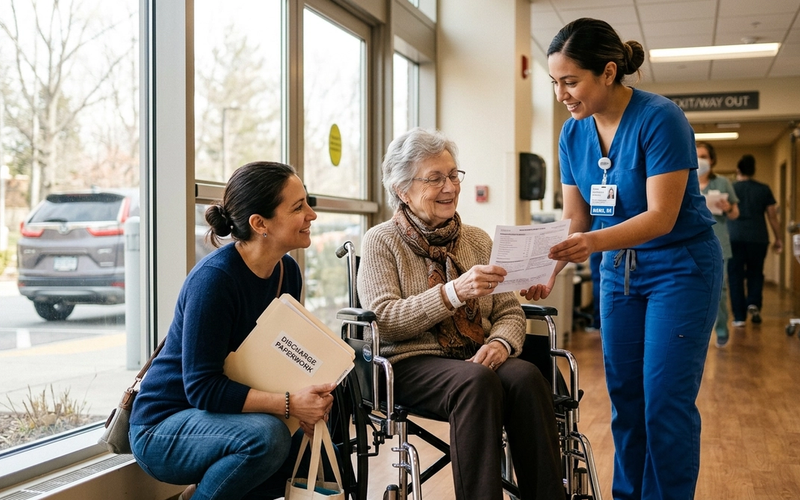
A hospital discharge for an older parent is a decision, not just a notice. Here is how discharge planning actually works, where families have leverage, and how to appeal a discharge you think is unsafe.

OTC Hearing Aids for Seniors: A 2026 Buyer's Guide
Over-the-counter hearing aids let adults with mild to moderate hearing loss skip the clinic and buy directly. Here is what they cost, who they fit, who should avoid them, and how they compare with prescription devices.
Explore senior living options
Comparing care for yourself or a family member? Browse communities by care type and see what each option typically costs.
- Assisted livingHelp with daily activities, costs, and how to choose a community.
- Independent livingMaintenance-free communities for active older adults.
- Home careIn-home support for seniors aging in place.
- Nursing homesSkilled nursing care and Medicare star ratings.
- Senior apartmentsAge-restricted, budget-friendly rental housing.
- Cost of senior livingCompare typical monthly prices by care type and state.