
Craft activities provide seniors with more than just a way to fill time. Research shows that learning new crafts regularly can help reduce the risk of developing dementia. This cognitive protection makes creative activities worth considering for any senior’s routine.
Art activities for seniors deliver benefits that go well beyond the finished projects themselves. Seniors who engage in crafts experience improved mood, better cognitive function, and increased feelings of accomplishment. These activities also strengthen hand-eye coordination and fine motor skills while helping to reduce stress. You don’t need complicated projects to see results. Even simple craft ideas give the brain’s executive function area-which handles decision-making and following step-by-step instructions-valuable exercise. A study from George Washington University found that art activities encourage risk-taking and playfulness while strengthening identity and improving cognitive abilities.
We’ve compiled 15 accessible craft activities that seniors can enjoy regardless of their skill level. These projects range from decorative mason jars to zentangle drawing, each designed to engage the mind, improve dexterity, and create moments of satisfaction. Whether you prefer working alone or with others, these activities offer meaningful ways to stay engaged and support your overall well-being.
Decorative Mason Jars
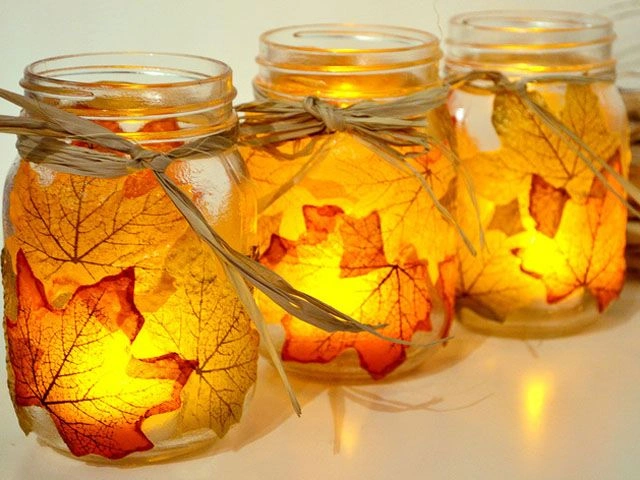
Mason jars offer a simple yet satisfying canvas for creative expression that goes far beyond their traditional canning purposes. These glass containers provide endless possibilities for personalization, making them ideal for seniors seeking accessible craft projects.
What is Decorative Mason Jars?
Decorative mason jars transform ordinary glass containers into functional art pieces. Rather than simply storing food, these decorated jars become attractive vases, candle holders, or standalone decorative items through creative touches. The appeal lies in their versatility-jars can be painted, wrapped in fabric, adorned with ribbons, or filled with meaningful items to create personalized keepsakes.
Why Decorative Mason Jars are great for seniors
Mason jar projects adapt well to different ability levels, making them particularly suitable for older adults. The decorating process strengthens fine motor skills through activities such as ribbon tying and applying small decorative elements. Creating memory jars or happiness jars offers emotional benefits by encouraging seniors to collect and display meaningful mementos or positive messages. These finished jars serve as visual reminders of cherished memories that can provide comfort and joy when revisited. The decorating process itself creates a calming activity that fosters accomplishment and well-being.
How to do Decorative Mason Jars
Basic supplies include:
- Clean glass jars with lids
- Paint (acrylic or glass enamel works best)
- Decorative elements (ribbons, burlap, lace, dried flowers)
- Mod Podge or similar crafting glue
- Basic tools (scissors, paintbrushes)
Start by cleaning the jar thoroughly with rubbing alcohol. Apply paint to the exterior surface if desired, allowing it to dry completely. Attach decorative elements using double-sided tape or Mod Podge. For memory jars, fill with small photographs, mementos, or handwritten notes. Happiness jars work well with positive affirmations written on colorful paper slips. Complete the project by adding a ribbon around the jar’s neck for a finished appearance.
The completed jars serve multiple practical purposes, including holders for battery-operated candles, fresh flowers, or organizational containers for craft supplies.
Pressed Flower Crafts
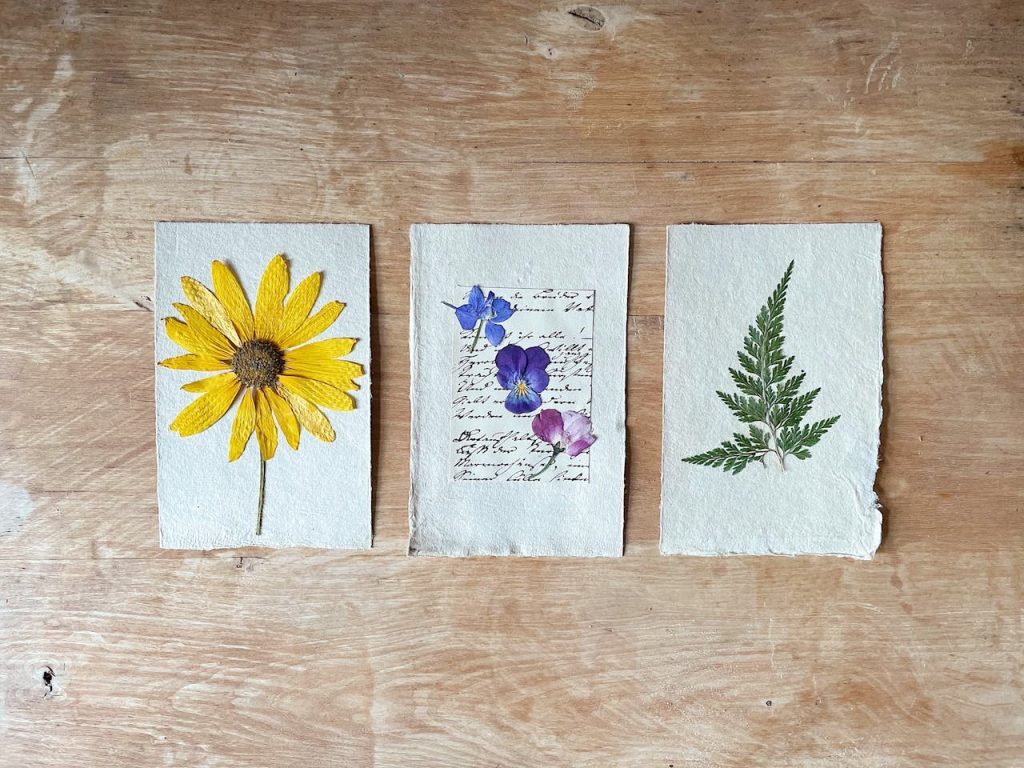
Pressed flower crafts connect seniors with a gentle art form that has existed for centuries across cultures worldwide. This timeless activity captures the delicate beauty of flowers in a lasting format, creating keepsakes that preserve special moments and memories.
What is Pressed Flower Crafts?
Pressed flower crafts preserve flowers and plants by flattening and drying them for artistic use. The process transforms fresh blooms into delicate, papery versions that maintain their color and shape. You can incorporate these preserved specimens into bookmarks, framed artwork, greeting cards, and candle decorations. The appeal of this craft lies in its ability to capture meaningful occasions-flowers from weddings, birthdays, or special events become treasured mementos.
Why Pressed Flower Crafts are great for seniors
This craft offers remarkable therapeutic benefits for older adults. The meditative process of selecting, arranging, and pressing flowers helps reduce stress through its calming, focused nature. The activity requires attention to detail, which naturally quiets worried thoughts and creates a peaceful state similar to meditation.
Pressed flower activities also stimulate cognitive function through creative problem-solving and planning. The precise movements needed to arrange delicate specimens improve fine motor skills and hand-eye coordination. Working with natural materials strengthens your connection to nature, which research shows can improve mood and mental health.
These crafts serve as powerful memory keepers. You can preserve flowers from meaningful celebrations like anniversaries or birthdays, creating keepsakes that bring comfort and joy while keeping precious memories alive.
How to do Pressed Flower Crafts
What you’ll need:
- Fresh flowers with single-layered petals
- Absorbent paper (parchment paper, newspaper, or cardboard)
- Heavy books or a flower press
- Cardstock for mounting finished pieces
Getting started: Choose flowers with thin petals like pansies, violets, daisies, or small ferns. Avoid thick or water-rich flowers. Place your selected flowers between absorbent paper, then inside a heavy book. Add weight on top and wait 2-4 weeks for complete drying.
For faster results, try the microwave method using paper towels and ceramic tiles, which takes just 60 seconds.
Once your flowers are pressed, you can create beautiful bookmarks, greeting cards, or framed art using a small amount of clear-drying craft glue.
Mini Sketchbooks
Mini sketchbooks offer seniors a portable canvas for creative expression that fits comfortably in a pocket or purse. These compact drawing companions make artistic exploration possible wherever inspiration strikes.
What is Mini Sketchbooks?
Mini sketchbooks are compact versions of traditional artist notebooks, typically measuring a fraction of standard size. These portable companions contain blank pages perfect for quick sketches, doodles, or written reflections. The beauty of mini sketchbooks lies in their versatility-they work well with various media including charcoal, crayons, colored pencils, soft pastels, and even watercolors. Despite their small size, they offer unlimited potential for creative expression.
Why Mini Sketchbooks are great for seniors
Mini sketchbooks deliver several unique advantages for older adults. First, they’re remarkably affordable-small wire-bound sketch pads often cost less than $10, making them an accessible creative outlet.
Second, these portable companions offer mental health benefits through self-expression. Regular sketching helps seniors process emotions, reduce stress, and maintain cognitive function. The simple act of drawing engages multiple brain regions simultaneously.
Third, mini sketchbooks encourage seniors to observe their surroundings more closely, fostering mindfulness and present-moment awareness. They work equally well for solitary reflection or social artistic gatherings.
How to do Mini Sketchbooks
Creating homemade mini sketchbooks requires simple steps:
- Gather materials: Paper (recycled printer paper works well), cardstock for covers, ruler, cutting tool, stapler or needle and thread
- Prepare pages: Cut paper into desired size. For a pocket-sized book, divide standard paper into smaller sections
- Create cover: Cut slightly larger pieces of cardstock or decorative paper for the front and back
- Assemble: Stack folded pages inside cover, secure with staples along spine or stitch with needle and thread
- Customize: Add personal touches like stickers, drawings, or washi tape to make it uniquely yours
For seniors with limited dexterity, pre-made mini sketchbooks from craft stores offer a convenient alternative. Either option provides endless opportunities for creative expression in a pocket-sized format.
Beading Projects
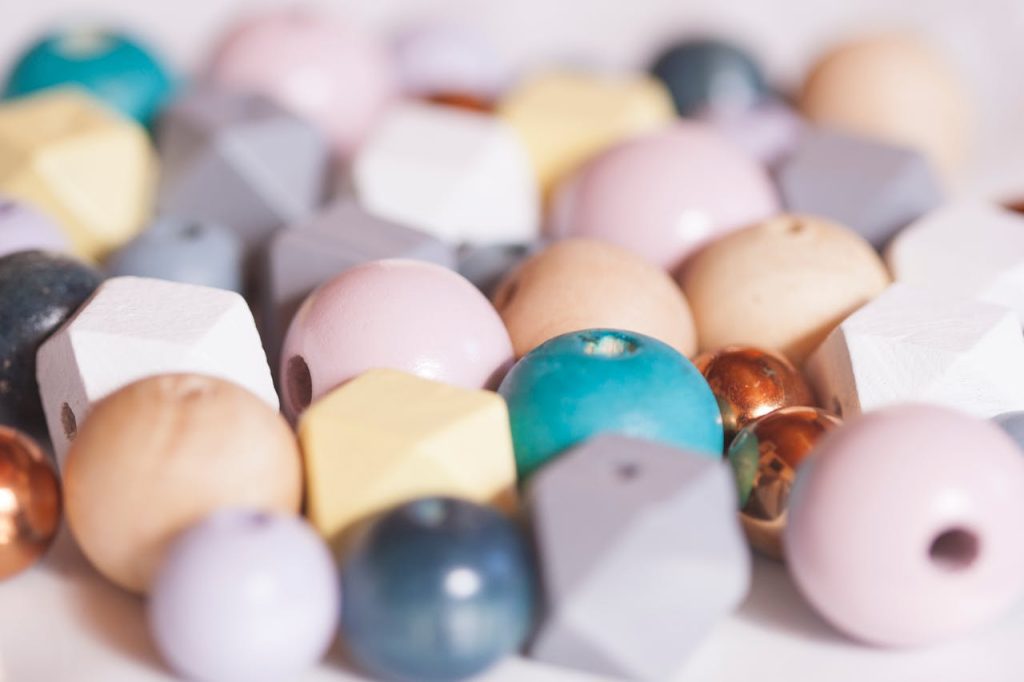
Creating jewelry and decorative items through beading offers seniors an accessible craft that combines artistic expression with practical benefits. This activity transforms simple beads into beautiful accessories while providing valuable exercise for both mind and hands.
What is Beading Projects?
Beading projects involve stringing beads onto cord, wire, or thread to create jewelry and decorative items. Seniors can make necklaces, bracelets, earrings, keychains, and anklets using various bead sizes, colors, and textures. The craft adapts easily to different skill levels and interests, from simple single-strand bracelets to more elaborate multi-colored patterns.
Why Beading Projects are great for seniors
Beading provides several important benefits for older adults:
- Improved hand dexterity and concentration: Working with beads strengthens small hand muscles and enhances focus
- Enhanced daily living skills: Better bead manipulation translates to improved ability with clothing fasteners like buttons and zippers
- Adaptable to arthritis: Larger beads accommodate limited fine motor skills while still providing benefits
- Cognitive stimulation: The activity can help with dementia symptoms through mental engagement
- Stress reduction: The repetitive, meditative nature of beading reduces anxiety
- Social connection: Group beading sessions encourage sharing techniques and building friendships
Different bead sizes offer specific advantages. Smaller beads encourage the pincer grasp, while larger beads develop the “3-jaw chuck” grasp.
How to do Beading Projects
You’ll need basic supplies to get started:
- Large beads (easier for seniors to handle)
- Stretchy string or thread
- Scissors
- Optional clasps
For seniors with arthritis, these approaches work well:
- Choose large, colorful beads that are easier to grasp
- Use elastic cord for bracelets that slip on without requiring clasps
- Arrange your bead pattern before stringing to maintain the design
- Begin with simple projects like single-strand bracelets or necklaces
The finished pieces make meaningful gifts for family and friends, giving your creative work a special purpose. Regular beading sessions can help maintain dexterity while providing artistic satisfaction.
Memory Collages

Creating personalized memory collages opens doors to the past through visual storytelling. This craft combines reminiscence with artistic expression, making it particularly valuable for older adults seeking meaningful creative activities.
What is Memory Collages?
Memory collages are visual compositions that tell personal stories through carefully arranged photos, memorabilia, and decorative elements. Unlike traditional artwork, these creations serve as tangible connections to cherished memories and life experiences. Memory collages typically incorporate photographs, magazine clippings, fabric scraps, tickets, notes, and other mementos arranged on a sturdy base. Each element contributes to a narrative that reflects significant moments, relationships, or themes from one’s life journey. The beauty lies in their personalization-no two memory collages look alike.
Why Memory Collages are great for seniors
Memory collages deliver remarkable benefits for seniors beyond simple creative expression. They stimulate cognitive function by encouraging memory recall and processing. Research shows older adults naturally process and remember positive images better, creating stronger brain connections with emotionally meaningful visuals.
The craft helps seniors with memory issues by triggering conversations about the past and evoking positive emotions. Studies indicate seniors who regularly participate in artistic activities have a 31% lower risk of cognitive decline compared to those who don’t.
For those with limited mobility, collage-making remains accessible yet engaging. The process exercises critical thinking skills including planning, decision-making, and visual processing. The activity naturally reduces stress and anxiety while providing a safe outlet for expressing emotions that might be difficult to verbalize.
How to do Memory Collages
Getting started requires simple materials:
- Sturdy base (cardboard, posterboard, or wood)
- Acid-free glue sticks
- Sharp scissors
- Decorative elements (ribbons, stickers)
- Background papers with various designs
Begin by selecting a meaningful theme such as family milestones, travel memories, or favorite hobbies. Sort materials into clear categories using transparent folders or labeled boxes to stay organized. Set up a comfortable workspace with good lighting and ample room.
Before gluing, experiment with different arrangements. Place larger photos as anchor points with smaller images filling spaces between them. For visual interest, position photos at various angles rather than straight lines. Once satisfied with the layout, secure items with archival-safe adhesive and add decorative touches as desired.
The finished collage becomes both a therapeutic creation and a treasured keepsake that connects generations through visual storytelling.
Watercolor Greeting Cards
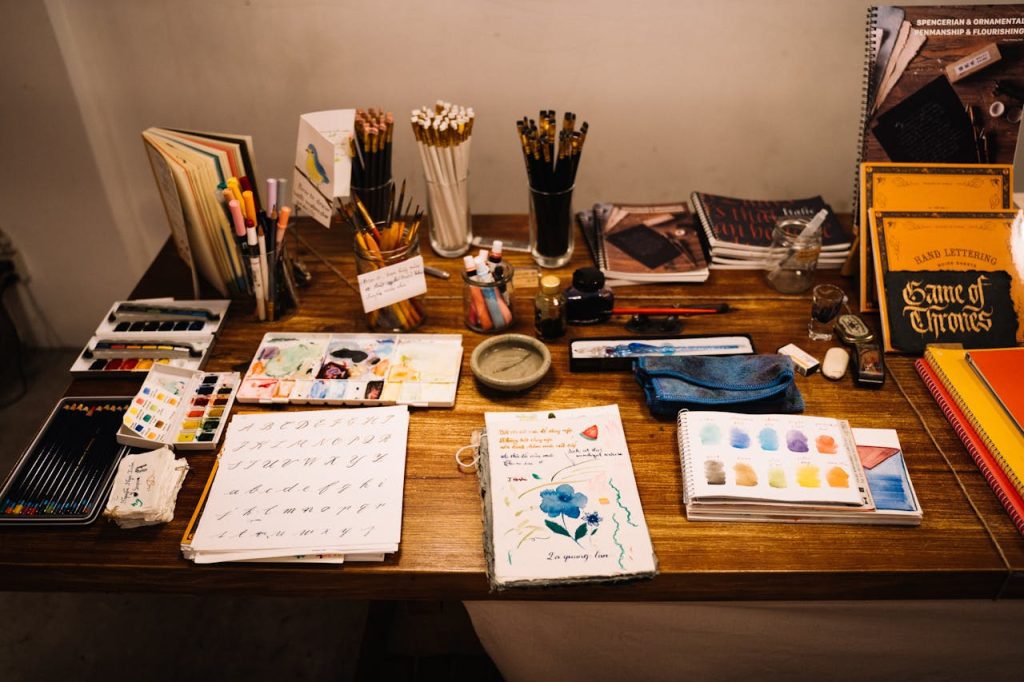
Watercolor greeting cards combine artistic expression with personal communication, offering seniors a meaningful way to create heartfelt gifts while exploring their creativity.
What is Watercolor Greeting Cards?
Watercolor greeting cards are personalized notes created with watercolor paints. These handcrafted cards feature unique designs that range from simple color washes to more detailed artwork. Each watercolor creation carries the maker’s personal touch, making these cards special keepsakes that recipients often treasure.
Why Watercolor Greeting Cards are great for seniors
Watercolor painting offers significant health benefits for older adults. The activity improves manual dexterity through brush control while keeping the mind engaged. Seniors recovering from surgery find that painting encourages proper posture and provides gentle exercise for arm muscles.
Creating cards also provides social connection opportunities. Many seniors enjoy painting cards for friends in nursing homes or assisted living communities, which helps build relationships and gives purpose to their artistic efforts. Watercolor greeting cards balance creative satisfaction with practical value.
How to do Watercolor Greeting Cards
You’ll need these basic supplies to get started:
- Watercolor paper cards (pre-folded or make your own)
- Watercolor paints
- Different brush sizes (round and flat brushes work well)
- Water container
- Paper towels
Start with simple techniques like color washes or basic shapes. After the paint dries, you can add details using fine-tip markers. Try beginner-friendly subjects such as flowers, candles, or simple landscapes. Watercolor’s “perfectly imperfect” quality makes it forgiving for seniors who may have dexterity concerns.
Bird Feeder Station
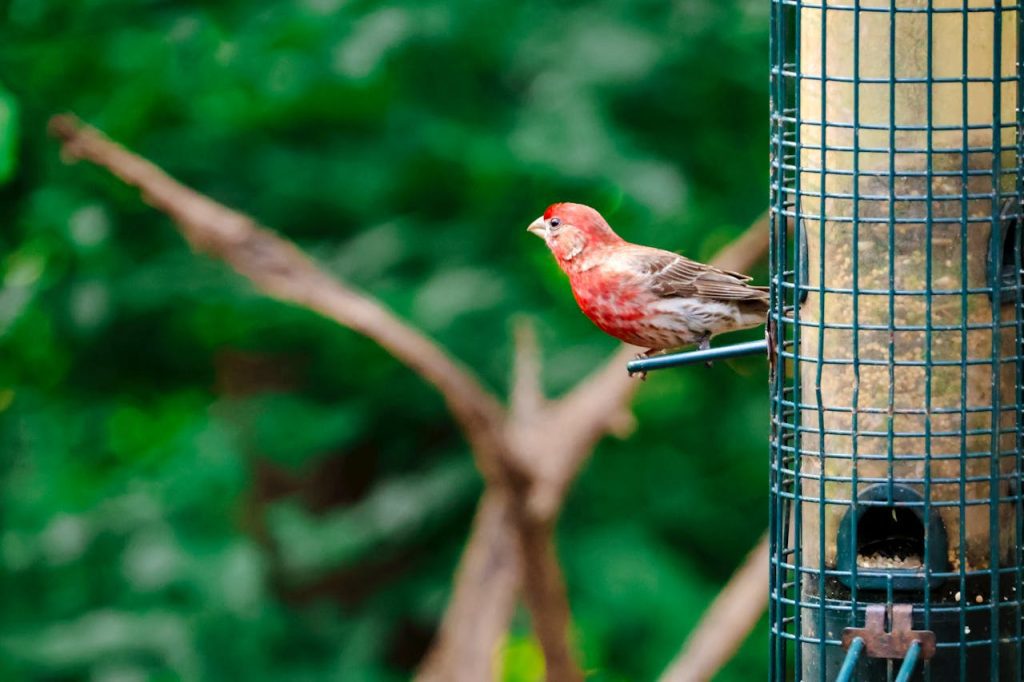
Bird feeder stations bring nature directly to your doorstep, offering seniors an outdoor activity that connects creativity with wildlife observation.
What is Bird Feeder Station?
A bird feeder station consists of multiple feeders, water sources, and perches arranged in one outdoor location to attract different bird species. These stations create a complete feeding environment that encourages birds to stay longer and brings more variety to your backyard compared to single feeders.
Why Bird Feeder Station is great for seniors
Bird feeder stations offer significant therapeutic benefits for older adults. The daily routine of maintaining feeders creates a sense of purpose and usefulness. Building and filling feeders provides gentle physical exercise that strengthens arm muscles and improves hand-eye coordination.
Bird watching itself delivers mental health benefits. Research shows that just 30 minutes of observing birds creates “lower anxiety, greater wellbeing, and increased connection to nature”. For seniors dealing with isolation, bird stations help reduce loneliness and depression while stimulating conversation and keeping the senses alert.
How to do Bird Feeder Station
Setting up a basic station requires these materials:
- Multiple bird feeders (tube feeders work well with platform feeders)
- Bird bath or shallow water dish
- Sturdy mounting post or shepherd’s hook
- Appropriate bird seed for your local species
Position your station where you can watch comfortably from inside, but place it at least 30 feet from windows to prevent bird collisions. Choose a spot near trees or shrubs where birds feel safe. Clean feeders every two weeks to maintain bird health.
Rock Painting
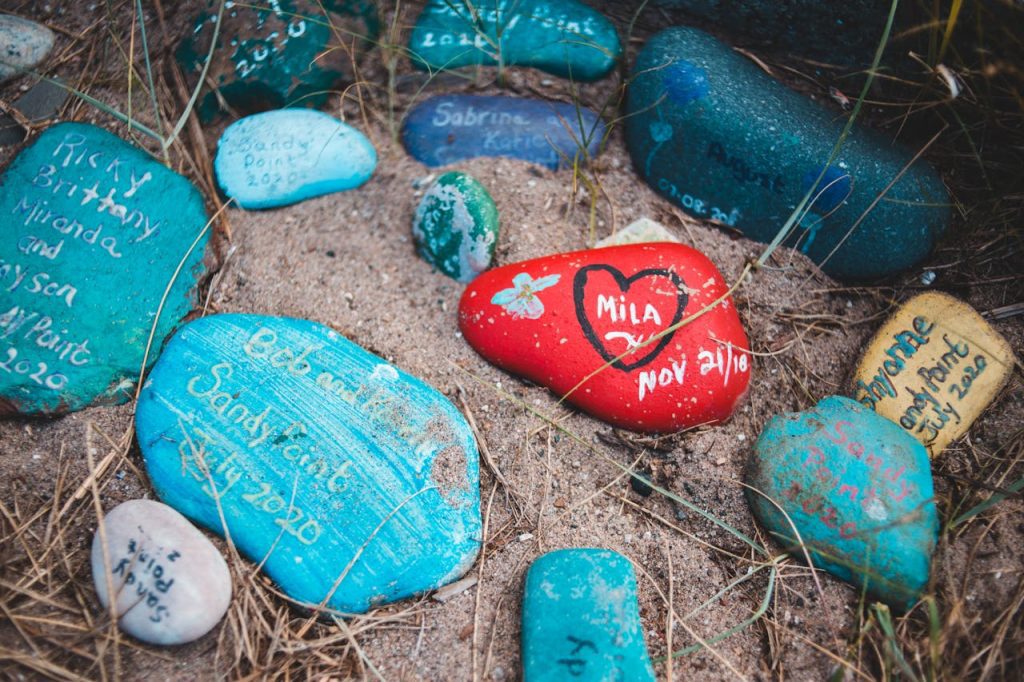
Ordinary stones become colorful art pieces through rock painting, one of the most accessible craft activities for seniors. This simple activity requires minimal supplies while offering maximum creative freedom.
What is Rock Painting?
Rock painting transforms smooth stones into decorative art through paint application. This ancient practice dates back thousands of years as one of humanity’s earliest forms of creative expression. Modern rock painting allows artists to create simple decorative pieces or intricate designs with inspirational messages.
Why Rock Painting is great for seniors
Rock painting delivers multiple benefits for older adults. The activity serves as a meditative practice that reduces stress and anxiety while promoting relaxation. The focused attention required naturally helps distract from daily worries. Painting detailed designs maintains fine motor skills and hand-eye coordination. Completed projects provide a strong sense of accomplishment. Many seniors participate in community kindness initiatives by sharing painted rocks or hiding them for others to discover.
How to do Rock Painting
Basic supplies include:
- Smooth, flat rocks (available at craft stores or collected from nature)
- Acrylic paints or paint pens
- Brushes in various sizes
- Protective sealer (spray or brush-on varieties)
Start by washing rocks completely clean. Apply a base coat of paint if desired, then add designs using brushes or paint pens. After the paint dries thoroughly, apply sealer to protect the artwork from weather. Beginner-friendly patterns include simple dots, flowers, or inspirational words.
Fabric Scrap Keychains
Leftover fabric pieces don’t need to end up in the trash. Fabric scrap keychains give those colorful remnants a second life as useful accessories that seniors can create and enjoy daily.
What is Fabric Scrap Keychains?
Fabric scrap keychains are small accessories made from fabric remnants attached to key rings. These handmade items turn fabric pieces that might otherwise be thrown away into personalized keychains. Each one reflects the creator’s style through their choice of fabric colors and patterns. Unlike mass-produced keychains from stores, these handmade versions carry personal meaning and unique character.
Why Fabric Scrap Keychains are great for seniors
Creating fabric keychains offers practical benefits for seniors. The cutting and assembling process helps maintain hand strength and coordination. Since these keychains serve a real purpose-keeping keys organized-seniors can feel satisfied knowing they’ve made something genuinely useful.
For seniors who find threading needles difficult, no-sew techniques make this craft accessible. Simple fabric glue or tape eliminates the need for stitching while still creating durable results. The finished keychains also make meaningful gifts that friends and family members can use regularly, creating ongoing connections to the maker.
How to do Fabric Scrap Keychains
You’ll need these basic supplies:
- Fabric scraps in different colors and patterns
- Key rings
- Fabric glue or double-sided tape
- Sharp scissors
Cut your fabric pieces to about 3 inches wide by 4 inches long. Fold the fabric around the key ring and secure it with fabric glue for a no-sew approach. If you prefer sewing, stitch the edges together for extra durability. Small buttons or fabric flowers can add decorative touches.
Most seniors can complete one keychain in less than 30 minutes, making this an ideal project for short crafting sessions.
Recipe Scrapbook
Family recipes often live on scraps of paper or in fading memories, but recipe scrapbooks preserve these culinary treasures for future generations. These personalized collections create lasting connections between past and present through the stories behind favorite dishes.
What is Recipe Scrapbook?
Recipe scrapbooks are customized albums that preserve family cooking traditions alongside their accompanying stories. Unlike standard cookbooks, these handcrafted collections combine recipes with photographs, personal notes, and memories tied to special dishes. You can organize recipe cards by family member, meal type, or special occasions, displaying them in protective sleeves or mounting them on decorative backgrounds.
Why Recipe Scrapbook is great for seniors
Creating recipe scrapbooks offers notable cognitive advantages for seniors. The process sharpens mental acuity by building synaptic connections through memory recall while organizing treasured family recipes. This activity also helps reduce depression by reminding seniors of positive life experiences. Categorizing and arranging recipes stimulates problem-solving abilities, while the physical aspects of handling materials helps maintain hand dexterity.
Beyond cognitive benefits, recipe scrapbooks serve as meaningful family heirlooms that preserve cooking knowledge for children and grandchildren. This activity allows seniors to share stories about holiday traditions, special occasion meals, and the people who created these cherished recipes.
How to do Recipe Scrapbook
You’ll need these basic supplies to get started:
- 6″x8″ scrapbook album with page protectors
- Decorative scrapbook paper
- Blank index cards for writing recipes
- Craft scissors and adhesive
- Optional decorations (stickers, washi tape)
Start by gathering family recipes, either by copying them onto index cards or photographing original handwritten versions. Cut decorative paper to fit your album pages and attach recipe cards using creative borders for visual appeal. Consider organizing recipes by categories such as appetizers, main dishes, or desserts, or group them by the family members who created them. Add photographs of the finished dishes or the cooks themselves to make each page more personal.
No-Sew Fleece Blankets
Soft fleece blankets offer warmth and comfort through a simple craft that requires no sewing experience. These projects provide seniors with an opportunity to create useful items while exercising their hands in a gentle, therapeutic way.
What is No-Sew Fleece Blankets?
No-sew fleece blankets combine two pieces of soft fleece fabric using a simple knotting technique instead of stitching. The blankets feature fringed edges created by cutting strips along the border, then tying corresponding strips from each layer together. This method creates sturdy, double-sided blankets that serve as lap covers, throws for chairs, or thoughtful handmade gifts.
Why No-Sew Fleece Blankets are great for seniors
These blanket projects offer several advantages for older adults. The knotting process provides gentle exercise for hand muscles and joints, helping maintain dexterity without straining arthritic hands . Seniors can work at their own pace, taking breaks as needed throughout the project. The soft texture of fleece fabric creates a soothing sensory experience during crafting .
Additionally, completed blankets serve practical purposes in daily life. They work well as lap blankets for reading or watching television, and many seniors enjoy giving them as gifts to family members or residents in care facilities .
How to do No-Sew Fleece Blankets
You’ll need these materials:
- 2 coordinating pieces of fleece fabric (1.5 yards for smaller blankets, 2 yards for adult-size)
- Sharp fabric scissors
- Ruler or measuring tape
Follow these steps:
- Place both fleece pieces together with the sides you want visible facing outward
- Cut a 4-inch square from each corner
- Cut strips around all four edges, making each strip 4 inches deep and 1 inch wide
- Tie each pair of corresponding strips together with simple knots
- Gently pull the edges to tighten the knots and create a finished appearance
Most seniors complete this project in about 2 hours, though the timeline can vary based on the blanket size and individual working pace.
Clay Sculptures
Clay sculpting provides a hands-on creative experience that goes beyond traditional craft activities, offering seniors a tactile medium that engages both mind and body through direct manipulation of materials.
What is Clay Sculptures?
Clay sculptures are three-dimensional artworks created by shaping and molding clay using hands and basic tools. This ancient art form allows seniors to transform soft, pliable material into permanent objects through drying or firing processes. Air-dry clay works particularly well for seniors since it requires no kiln yet produces durable finished pieces. You can choose from several clay varieties, including water-based, polymer, and self-curing options, each offering different working properties and finishing requirements.
Why Clay Sculptures are great for seniors
Working with clay delivers remarkable therapeutic benefits for older adults. The tactile nature of clay provides sensory stimulation that can trigger positive emotional responses. Manipulating clay helps maintain hand dexterity while remaining accessible even for seniors with limited mobility.
Clay therapy serves as a powerful communication tool, particularly valuable for seniors with dementia who may find verbal expression challenging. Research demonstrates that clay activities can reduce physical symptoms like tremors and stiffness. The soft, smooth texture of clay creates a calming effect that helps reduce anxiety.
How to do Clay Sculptures
Starting clay work requires basic supplies: air-dry or polymer clay for beginners, simple tools like wooden modeling implements and metal loops, plus a protective work surface such as ceramic tile or parchment paper.
Begin with simple shapes after conditioning the clay thoroughly through kneading until it becomes pliable. Work from larger forms toward smaller details, keeping unused clay moist by covering with plastic. Seniors with dexterity challenges should start with larger pieces before attempting fine details. Once your sculpture is complete, allow air-dry clay to dry naturally or bake polymer clay according to package instructions.
Fall Leaf Suncatchers
Autumn leaves provide natural materials for creating colorful window decorations that brighten indoor spaces throughout the fall season. These simple suncatchers require few supplies yet create beautiful displays that celebrate nature’s seasonal changes.
What is Fall Leaf Suncatchers?
Fall leaf suncatchers are window decorations made by preserving autumn leaves between transparent materials. When hung in sunny windows, these crafts create colorful light patterns while showcasing nature’s vibrant fall colors. You can create suncatchers using either pressed natural leaves sealed between contact paper or leaf-shaped cutouts filled with colored tissue paper.
Why Fall Leaf Suncatchers are great for seniors
Creating leaf suncatchers connects seniors with the changing seasons while providing gentle physical activity. Collecting leaves outdoors encourages light exercise and fresh air exposure. The arranging process helps maintain fine motor coordination through precise placement of delicate materials.
This seasonal craft offers immediate visual rewards when sunlight filters through the finished pieces, creating cheerful displays that can lift spirits during shorter fall days. For seniors who spend more time indoors, these projects bring nature’s beauty inside while providing a sense of seasonal participation.
How to do Fall Leaf Suncatchers
Creating leaf suncatchers requires basic materials:
- Clear contact paper or laminating sheets
- Freshly fallen leaves in various colors
- Scissors
- Optional: paper plates for borders
Start by collecting colorful leaves during outdoor walks or from your yard. Press leaves flat between book pages for several hours to remove moisture. Cut two pieces of contact paper the same size. Remove the backing from one sheet and arrange your pressed leaves on the sticky surface. Place the second sheet on top, pressing out air bubbles. Trim edges if desired and hang in a sunny window using tape.
The finished suncatchers can last throughout the fall season, providing ongoing enjoyment as natural light creates changing patterns throughout the day.
Time Capsule Keepsake Box
Personal history takes on new meaning when preserved in time capsule keepsake boxes, offering seniors a chance to capture life’s treasured moments for future discovery.
What is Time Capsule Keepsake Box?
A time capsule keepsake box contains carefully chosen items stored in a container with a designated future opening date. These aren’t ordinary storage boxes-they’re memory vessels that hold personal stories through tangible mementos. Each box creates a snapshot of current life, preserving moments that time might otherwise blur.
Why Time Capsule Keepsake Box is great for seniors
Time capsule projects deliver unique advantages for older adults’ mental health. The selection process stimulates cognitive function as seniors choose meaningful items and document their importance. These memory projects also bring families together through shared storytelling and planning activities. For seniors dealing with memory challenges, the boxes become powerful conversation starters, helping when verbal communication feels difficult. The anticipation of a future opening date adds excitement while honoring past experiences.
How to do Time Capsule Keepsake Box
Creating your time capsule requires these simple steps:
- Choose a durable container such as a wooden box, metal tin, or decorated shoe box
- Collect personal items including photographs, handwritten notes, and small meaningful objects
- Add written reflections about current favorites, hopes for the future, or messages to your future self
- Set a specific opening date-perhaps a milestone birthday or anniversary
- Store the box in a safe, dry place where family members can access it later
These projects connect generations through shared memories, creating lasting family treasures that tell your unique story.
Zentangle Drawing
Stroke by stroke, meditative patterns come to life through Zentangle drawing, a craft that pairs artistic expression with mindfulness techniques to create detailed designs.
What is Zentangle Drawing?
Zentangle represents a structured drawing method developed in 2004 that relies on basic elements including straight lines, “s” curves, “c” shapes, circles, and dots to build beautiful patterns. This art form welcomes beginners, requiring no special artistic background yet producing sophisticated-looking results. The approach differs from traditional drawing by emphasizing the creative process rather than the end product, with each deliberate stroke made individually.
Why Zentangle Drawing is great for seniors
This drawing method delivers significant wellness benefits for older adults. The practice reduces anxiety and creates a sense of calm through its meditative quality. Research demonstrates that brief Zentangle sessions can meaningfully decrease stress levels. The activity also sharpens focus, builds concentration, and strengthens problem-solving skills. For seniors dealing with depression, randomized controlled trials show symptom improvement following Zentangle instruction. The precise movements involved help maintain fine motor skills as well.
How to do Zentangle Drawing
You’ll need just a few basic supplies:
- 3.5-inch square paper (known as a “tile”)
- Black pen
- Pencil
Start by taking a moment for gratitude and deep breathing. Place four dots in the corners of your tile, then connect them to create a border. Draw a curved line or “string” to divide your space into sections. Fill each area with repetitive patterns using deliberate, mindful strokes. When finished, add pencil shading for depth, sign your creation, and take time to appreciate what you’ve made.
Comparison Table
Finding the right craft activity depends on your specific needs, abilities, and preferences. This comparison table helps you evaluate each project based on key factors that matter most for seniors.
| Craft Activity | Materials Required | Skill Level | Main Benefits | Time Investment | Physical Requirements |
|---|---|---|---|---|---|
| Decorative Mason Jars | Clean jars, paint, decorative elements, glue | Beginner | Fine motor skills, emotional benefits, memory keeping | Not mentioned | Basic hand dexterity |
| Pressed Flower Crafts | Fresh flowers, absorbent paper, heavy books | Beginner | Stress reduction, cognitive function, nature connection | 2-4 weeks drying | Minimal |
| Mini Sketchbooks | Paper, cardstock, stapler/thread, ruler | Beginner | Mental health, mindfulness, self-expression | Under 1 hour | Basic hand control |
| Beading Projects | Beads, string/cord, scissors | Beginner to Intermediate | Hand dexterity, concentration, social interaction | Not mentioned | Adaptable to various levels |
| Memory Collages | Photos, glue, scissors, decorative elements | Beginner | Cognitive function, memory processing, emotional expression | Not mentioned | Basic cutting/pasting skills |
| Watercolor Greeting Cards | Watercolor paper, paints, brushes | Beginner | Manual dexterity, posture improvement, social connection | Not mentioned | Basic brush control |
| Bird Feeder Station | Feeders, mounting post, bird seed | Beginner | Physical activity, anxiety reduction, nature connection | Daily maintenance | Moderate mobility |
| Rock Painting | Smooth rocks, acrylic paint, brushes, sealer | Beginner | Stress reduction, hand-eye coordination, focus | Not mentioned | Basic painting skills |
| Fabric Scrap Keychains | Fabric scraps, key rings, glue/tape | Beginner | Hand dexterity, eco-friendly, practical use | Under 30 minutes | Basic cutting skills |
| Recipe Scrapbook | Album, paper, index cards, adhesive | Beginner to Intermediate | Cognitive benefits, memory recall, organization | Not mentioned | Basic fine motor skills |
| No-Sew Fleece Blankets | 2 fleece pieces, scissors, ruler | Beginner | Hand exercise, tactile stimulation, practical use | About 2 hours | Basic hand strength |
| Clay Sculptures | Clay, modeling tools, work surface | Beginner to Advanced | Sensory stimulation, dexterity, emotional expression | Not mentioned | Adaptable to ability |
| Fall Leaf Suncatchers | Contact paper, leaves, scissors | Beginner | Physical activity, mindfulness, seasonal connection | Few hours | Basic cutting skills |
| Time Capsule Keepsake Box | Container, mementos, writing materials | Beginner | Cognitive stimulation, family bonding, memory preservation | Not mentioned | Minimal |
| Zentangle Drawing | Paper tile, black pen, pencil | Beginner | Stress reduction, focus improvement, fine motor skills | Not mentioned | Basic drawing ability |
Conclusion
Creative activities provide seniors with valuable opportunities to maintain cognitive function while enjoying meaningful engagement. These 15 craft projects demonstrate that you don’t need expensive supplies or advanced skills to experience the benefits of artistic expression.
Each activity addresses different needs and abilities. Decorative mason jars and pressed flower crafts work well for those seeking gentle fine motor exercise, while beading projects and clay sculpting accommodate varying dexterity levels. Memory collages and recipe scrapbooks help preserve family history, and activities like zentangle drawing offer stress reduction through focused attention.
The accessibility of these crafts makes them particularly suitable for seniors. Most projects use common household items or inexpensive craft supplies. Whether you prefer indoor activities like watercolor greeting cards or outdoor projects like bird feeder stations, options exist for different interests and physical abilities.
Group craft sessions can help address social isolation, while individual projects provide personal satisfaction and accomplishment. Tactile activities like no-sew fleece blankets and fabric keychains offer sensory engagement that benefits overall well-being.
Caregivers and family members can use these activities to create structured engagement opportunities. Starting with simpler projects like rock painting or fall leaf suncatchers allows seniors to build confidence before trying more involved crafts. The variety ensures that changing abilities or interests can be accommodated over time.
These craft activities serve multiple purposes: they exercise fine motor skills, stimulate cognitive function, provide social interaction opportunities, and create useful or decorative items. For seniors looking to stay engaged and families seeking meaningful activities to share, these accessible projects offer practical solutions that support both mental stimulation and personal satisfaction.
Key Takeaways
These 15 simple craft activities prove that creativity isn’t just fun-it’s essential medicine for seniors’ minds and hearts.
• Crafting boosts brain health: Regular creative activities reduce dementia risk by 31% while strengthening memory, focus, and problem-solving abilities.
• Simple supplies, maximum benefits: Most projects require basic materials yet deliver profound cognitive stimulation, stress reduction, and improved hand dexterity.
• Accessibility matters most: From beading for arthritis to no-sew blankets, these crafts adapt to various physical abilities and skill levels.
• Social connection through creation: Group crafting combats isolation while individual projects like memory collages preserve family legacies and trigger positive reminiscence.
• Therapeutic value beyond art: Activities like zentangle drawing and watercolor painting provide meditative experiences that significantly reduce anxiety and depression.
The beauty of these crafts lies in their dual purpose-creating tangible keepsakes while simultaneously exercising the mind, strengthening social bonds, and fostering a sense of accomplishment that enhances overall quality of life for seniors.
FAQs
Q1. What are some easy craft activities suitable for seniors with limited dexterity? Several craft activities are ideal for seniors with limited dexterity, including no-sew fleece blankets, rock painting, and decorative mason jars. These projects require minimal fine motor skills while still providing creative satisfaction and cognitive benefits.
Q2. How can craft activities help improve cognitive function in older adults? Craft activities stimulate various cognitive functions in seniors. For example, memory collages enhance recall, beading projects improve concentration, and zentangle drawing boosts focus and problem-solving skills. Regular engagement in these activities can help maintain and even improve cognitive abilities.
Q3. Are there any craft projects that can help seniors connect with nature? Yes, several craft activities can help seniors connect with nature. Bird feeder stations encourage outdoor engagement and wildlife observation, while pressed flower crafts and fall leaf suncatchers allow seniors to incorporate natural elements into their artistic creations.
Q4. What craft activities can help reduce stress and anxiety in seniors? Many craft activities have a calming effect on seniors. Zentangle drawing, watercolor painting, and clay sculpting are particularly effective in reducing stress and anxiety due to their meditative qualities and focus on the creative process.
Q5. How can craft activities promote social interaction among seniors? Craft activities can be excellent social catalysts for seniors. Group projects like creating memory collages or recipe scrapbooks encourage sharing of personal stories and experiences. Even individual crafts like beading or painting can become social activities when done in a communal setting, fostering conversation and connection.