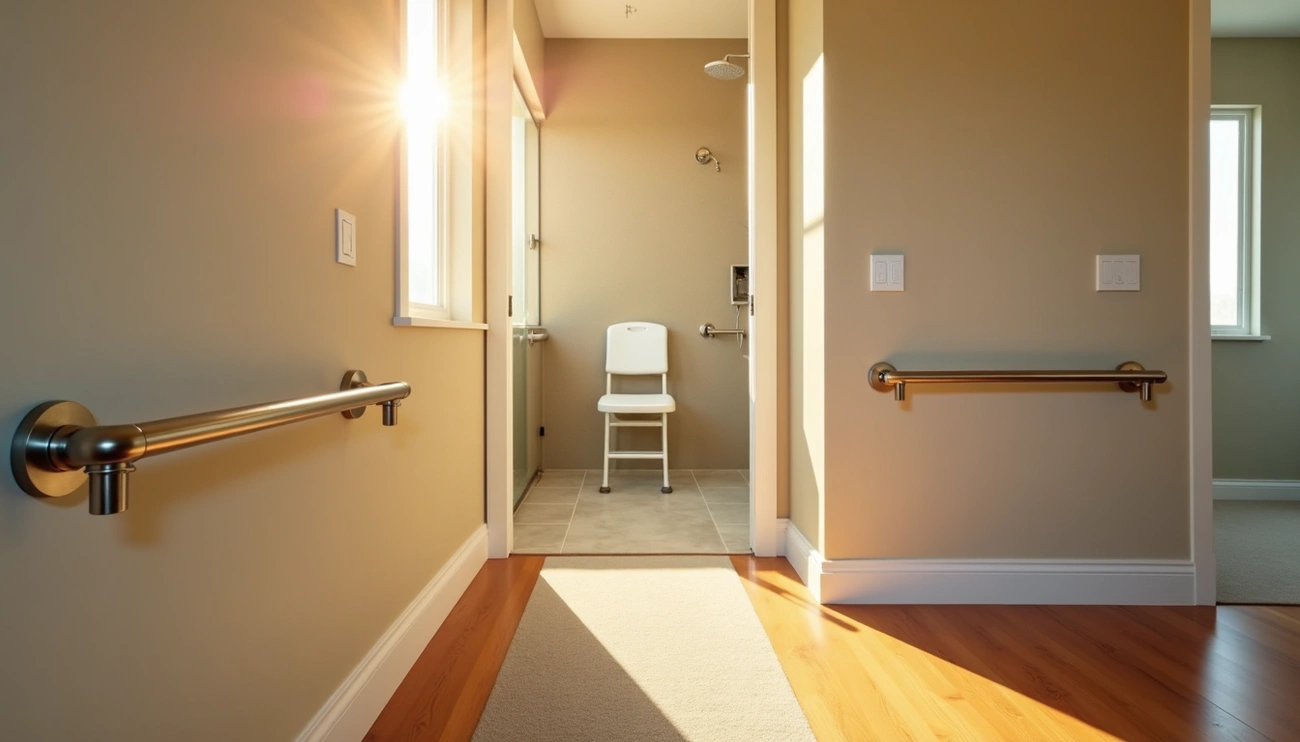

Did you know that 88% of Americans ages 50 to 80 want to live in their own homes as long as possible? Yet surprisingly, only 15% have considered the necessary home modifications to make this happen. When exploring senior living options, this disconnect between desire and planning highlights the challenge many of us face.
Navigating the world of senior housing options can feel overwhelming, especially with costs varying dramatically-from $1,500 to $6,000 monthly for independent living communities, $4,300 for assisted living, and up to $8,365 for nursing homes. Additionally, these figures fluctuate significantly depending on your state and the specific community you choose.
Unfortunately, many seniors remain unaware of the full spectrum of housing choices available. Some believe nursing homes are the only option, which is far from the truth. In fact, today’s senior living landscape offers everything from village models with neighborhood support networks to niche retirement communities designed around specific lifestyles and interests.
This comprehensive senior living guide will walk you through the various types of senior housing options, help you evaluate your needs, explain state-by-state differences, and provide crucial financial planning considerations to find the perfect place to call home in 2025 and beyond.
Understanding the Types of Senior Living Options
Senior living communities offer different levels of care designed to meet the specific needs of older adults. Understanding these options helps in making informed decisions for yourself or a loved one.
Independent living communities
Independent living communities primarily serve active seniors who want to eliminate home maintenance responsibilities while enjoying an engaging social environment. These communities feature various residence options including apartments, cottages, villas, and townhomes with accessibility features like grab bars and wider entries. Most provide services such as housekeeping, dining plans, scheduled transportation, and security, along with amenities like fitness centers, pools, and entertainment spaces. Since these communities don’t offer personal care or medical services, costs are typically 30-50% less than assisted living, ranging from $12,000 to $42,000 annually (approximately $3,500 monthly at the high end).
Assisted living facilities
Unlike independent living, assisted living provides support with activities of daily living while allowing residents to maintain independence. Staff assist with bathing, dressing, eating, and medication management. These facilities feature 24/7 staff availability for emergency assistance, housekeeping, and transportation services. Nationally, assisted living costs average $4,300 monthly, although figures vary by location, with some states reporting averages around $4,800 monthly.
Memory care units
Memory care is specifically designed for individuals with Alzheimer’s or other forms of dementia. This sector has grown significantly, with unit numbers increasing by nearly 84% between 2013 and 2023. These facilities provide a structured environment with set routines to reduce stress for residents. Security features include alarmed doors, coded elevators, and enclosed outdoor spaces, with many offering tracking bracelets that allow freedom while monitoring location. Memory care typically costs 20-30% more than assisted living, averaging $6,935 monthly or $83,220 annually.
Skilled nursing homes
Skilled nursing facilities deliver the highest level of care, providing 24-hour supervision along with medical services from registered nurses and other healthcare professionals. These facilities offer both short-term rehabilitation after hospitalization and long-term care for complex conditions. Unlike other options, nursing homes focus primarily on health rather than lifestyle. The average cost for a private room is approximately $299 daily ($109,000 annually), while a semi-private room averages $263 daily ($96,000 annually).
How to Evaluate Your Needs and Preferences
Properly evaluating your needs before selecting a senior living option helps ensure you find the perfect match for your lifestyle, health requirements, and personal preferences. By systematically assessing these areas, you can make a decision that supports your well-being for years to come.
Assessing daily living assistance requirements
Evaluating your ability to perform Activities of Daily Living (ADLs) serves as the foundation for determining appropriate care needs. Research shows that more than 20% of seniors over 85 require assistance with ADLs. Begin by honestly assessing your ability to:
- Personal care: Bathing, dressing, grooming, and oral hygiene
- Mobility: Standing from sitting positions, walking independently, and transferring in/out of bed
- Daily functioning: Eating, maintaining continence, and managing medications
Moreover, consider Instrumental Activities of Daily Living (IADLs) such as transportation, meal preparation, housework, and financial management-skills typically lost before basic ADLs. These assessments help determine whether independent living is suitable or if assisted living would better support your needs.
Considering social and emotional needs
Emotional well-being profoundly impacts overall health. Consequently, more than 17% of adults aged 65+ report not having someone to confide in, increasing risks of loneliness, depression, and even premature death. When evaluating senior living options, consider communities that provide:
- Regular social engagement opportunities
- Structured activities promoting connection
- Access to emotional support resources
Seniors living in communities report less isolation-related health issues compared to those living alone. Studies indicate isolation increases risk of premature death, dementia (50%), heart disease (29%), and stroke (32%).
Factoring in medical conditions and future care
Preparation for future care (PFC) has become an essential developmental task of aging. Older adults who engage in planning have better health outcomes after residential transitions. When evaluating options, consider:
- Current medical needs and how they might evolve
- Management requirements for chronic conditions like diabetes, heart disease, or arthritis
- Availability of on-site healthcare professionals
- Emergency response systems and accessibility features
Remember that for seniors with chronic diseases, medication adherence is crucial-something senior living communities address through structured medication management.
State-by-State Differences in Senior Housing Options
The landscape of senior living options differs dramatically across the United States, creating a patchwork of regulations, costs, and resources that can be challenging to navigate.
How regulations vary by state
Each state independently regulates senior housing, resulting in significant differences nationwide. Nearly 30 different terms are used across states to refer to similar group housing options. What one state calls “assisted living” might be termed “residential care” or “personal care homes” in others. This inconsistent terminology creates confusion for families searching across state lines.
Furthermore, state oversight varies considerably. While some states inspect facilities annually, others allow two years between inspections. The regulatory body itself differs by state-typically falling under each state’s health department, social services department, or aging division. These agencies establish different requirements for staffing ratios, meal services, room specifications, medication management, and caregiver qualifications.
Availability of subsidized housing programs
Federal housing assistance programs are primarily administered through state and local agencies on aging. The Section 202 Supportive Housing for the Elderly program provides funding for housing development and subsidies for low-income adults aged 62+. Similarly, Section 811 supports housing for low-income adults with disabilities.
Additionally, the U.S. Department of Agriculture offers the Section 515 program, which subsidizes apartment complexes in rural areas. Geographic location significantly impacts availability-the Midwest and South generally offer more affordable senior living options compared to the Northeast and West Coast.
Finding local senior housing directories
Every state maintains an Agency on Aging that serves as the primary resource for senior housing information. These agencies can connect you with local senior housing directories, explain eligibility requirements for subsidized options, and provide application assistance.
Online resources like SeniorHousingNet.com allow searching by ZIP code, while the Eldercare Locator (1-800-677-1116) connects callers to appropriate local Area Agencies on Aging. HUD-approved Housing Counseling Agencies also offer resources on local and non-profit affordable senior housing options.
Financial Planning and Insurance Considerations
Planning for the financial aspects of senior living requires careful consideration of payment methods, insurance options, and hidden costs that could impact your budget long-term.
Understanding private pay vs. Medicaid/Medicare
Medicare primarily covers medical care rather than long-term care, paying for skilled nursing care for only the first 100 days following hospitalization-covering 100% for the first 20 days and requiring co-payments for days 21-100. In contrast, Medicaid serves as the primary payer for long-term care nationwide, but eligibility requires meeting specific income and asset limits that vary by state. Unfortunately, only 18% of residential care facilities accept Medicaid payments, and those that do often limit coverage to a minority of their beds, creating waiting lists lasting months or years.
Long-term care insurance options
Long-term care insurance (LTCI) helps cover costs that Medicare doesn’t, including assisted living and memory care. The best time to purchase is in your mid-50s, as premiums increase substantially with age and pre-existing conditions. For a healthy 55-year-old man, a $165,000 policy costs approximately $900 annually, while a woman the same age pays around $1,500. Many now opt for hybrid policies combining long-term care and life insurance, allowing premium recovery if you cancel after the surrender period (typically 10 years).
Budgeting for monthly and hidden costs
Beyond the base monthly rate (national median: $5,900 for assisted living), numerous hidden costs can increase your bill substantially:
- One-time fees: Community fees, move-in fees, and deposits
- Care level charges: Tiered pricing based on assistance needed with daily activities
- À la carte services: Medication management ($750-1,080 monthly), laundry, transportation, and meal services
- Social activities: Premium outings and personal training often cost extra
Indeed, these additional charges can increase monthly costs by several thousand dollars, potentially depleting savings faster than anticipated-even those with $1 million in assets find resources quickly diminished.
Conclusion
Choosing the right senior living option undoubtedly represents one of the most significant decisions facing older adults and their families. Throughout this guide, we’ve explored the spectrum of housing choices available in 2025, from independent living communities to skilled nursing facilities, each designed to address specific needs and preferences.
First and foremost, understanding your current and potential future needs serves as the foundation for making informed decisions. Daily living assistance requirements, social connections, and medical conditions all play crucial roles when evaluating which option might work best for you or your loved one.
Additionally, the stark differences between states cannot be overlooked. Regulations, terminology, and costs vary dramatically depending on location, making research into local resources essential. Area Agencies on Aging offer valuable assistance for navigating these state-specific considerations.
Financial planning, above all, deserves careful attention. Medicare limitations, Medicaid eligibility requirements, and the potential benefits of long-term care insurance should factor into your decision-making process. Hidden costs beyond the base monthly rate can significantly impact your budget over time.
As we’ve seen, today’s senior living landscape offers far more choices than many realize. Whether you prioritize independence, need some assistance with daily activities, or require specialized memory care, options exist to match your specific situation.
Remember, the key to finding the right fit lies in thorough research, honest assessment of needs, and planning ahead. By taking these steps, you can ensure your golden years or those of your loved ones unfold in an environment that provides the right balance of support, engagement, and comfort.
FAQs
Q1. What factors should I consider when choosing a senior living facility? When selecting a senior living facility, consider your daily assistance needs, social preferences, and medical requirements. Visit multiple facilities, ask about costs, amenities, and special services. Don’t forget to inquire about waiting lists and availability. It’s crucial to find a place that matches your lifestyle and provides the right level of care.
Q2. Which states are considered the best for senior living? While personal preferences vary, states like Florida, Arizona, Tennessee, Delaware, and South Carolina are often highly rated for senior living. These states offer favorable climates, tax benefits, quality healthcare, and a range of senior-friendly amenities. However, the best state for you depends on your individual needs and preferences.
Q3. How do costs for assisted living vary across different states? Assisted living costs can differ significantly from state to state. For example, Vermont tends to be one of the most expensive states for assisted living, while Mississippi is often among the least expensive. Factors influencing these differences include local cost of living, availability of facilities, and state-specific regulations.
Q4. What options are available for seniors who can’t afford traditional assisted living? Several options exist for low-income seniors needing assisted living. These include HUD’s Section 202 Supportive Housing for the Elderly program, Housing Choice Vouchers, veterans benefits, and Medicaid waivers. Additionally, some states offer their own assistance programs to help reduce the cost of assisted living for eligible seniors.
Q5. How can I plan financially for future senior living expenses? Financial planning for senior living should include understanding the limitations of Medicare, exploring long-term care insurance options, and considering Medicaid eligibility requirements. It’s important to budget not only for base monthly rates but also for potential hidden costs like community fees, tiered care charges, and à la carte services. Starting this planning process in your mid-50s can help ensure you’re prepared for future needs.