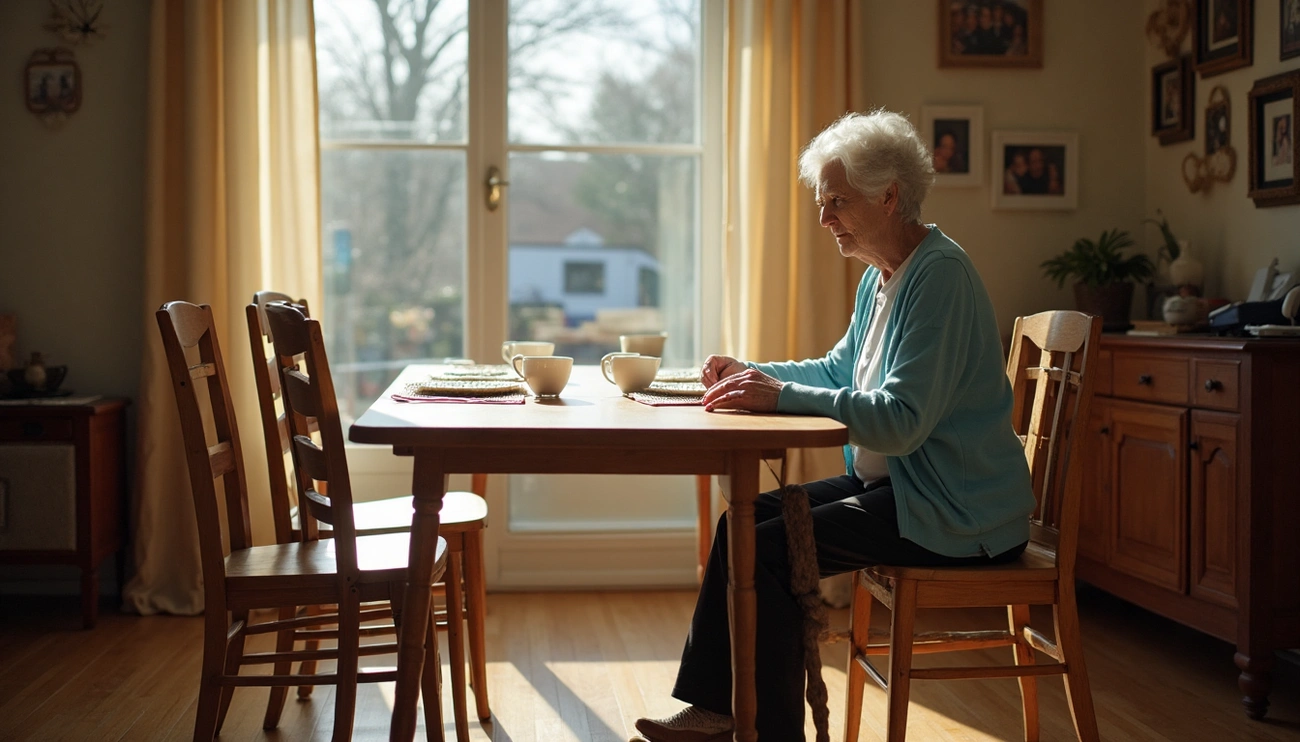
Elderly isolation affects a quarter of American adults aged 65 and older, creating a silent health crisis that often goes unnoticed in our society. Despite our increasingly connected world, many seniors find themselves profoundly alone, with one in three adults aged 50 to 80 reporting feelings of social isolation in the past year.
The consequences of this isolation extend far beyond mere loneliness. In fact, lacking meaningful social connection increases the risk of premature death by more than 60%. Social isolation and loneliness in elderly individuals are distinct but related issues-one being an objective lack of contact, the other a subjective feeling of being alone. Both conditions can trigger devastating health outcomes, including a 29% increased risk of heart disease, a 32% higher chance of stroke, and a 50% greater likelihood of developing dementia. Perhaps most shocking, chronic loneliness can damage health as severely as smoking 15 cigarettes daily.
The economic impact is equally staggering. The CDC estimates that loneliness costs the U.S. economy approximately $406 billion annually, with an additional $6.7 billion in Medicare expenses specifically for socially isolated older adults. Throughout this article, we’ll explore why elderly isolation has become so prevalent, examine its profound health implications, identify risk factors, and share practical solutions to help reconnect our seniors with their communities.
Why elderly isolation is more common than we think
Social disconnection among elderly individuals is significantly more widespread than many realize. Approximately one-quarter (24%) of community-dwelling Americans aged 65 and older are socially isolated, while 35% of adults aged 45 and older and 43% of adults aged 60 and older report feeling lonely. These statistics reveal a hidden epidemic affecting millions of older adults.
The difference between loneliness and social isolation
Although often used interchangeably, loneliness and social isolation represent distinct experiences. Social isolation is the objective lack of social contact – the physical separation from others with few social relationships or infrequent interactions. Conversely, loneliness is the subjective feeling of being alone or separated.
This distinction matters because the two don’t always coincide. An older adult can live alone without feeling lonely, while another might feel profoundly lonely despite being surrounded by others. Furthermore, one person may choose solitude and find it fulfilling, while another experiences the same situation as distressing isolation.
Why older adults are more vulnerable
Older individuals face unique risk factors that accumulate with age. As we grow older, we’re more likely to experience:
- Loss of significant relationships through death of spouses, friends, and family members
- Chronic health conditions that limit mobility and independence
- Sensory impairments like hearing and vision loss that hinder communication
- Major life transitions such as retirement or relocation
- Transportation challenges, especially after stopping driving
Notably, physical limitations create a cascade effect – hearing loss makes conversations frustrating, leading many seniors to withdraw from social interactions altogether. Additionally, factors like living alone, limited finances, or being a caregiver for an ill spouse can compound isolation risks.
How modern life contributes to disconnection
Contemporary society has inadvertently created conditions that increase elderly isolation. Family sizes have shrunk, with younger generations often moving away for work opportunities. Moreover, retirement can suddenly eliminate workplace relationships, with studies showing that for every social group lost after retirement, quality of life decreases by 10% six years later.
Our increasingly digital world can also exclude seniors unfamiliar with technology. Meanwhile, community designs prioritizing cars over walkability can trap older adults without transportation. Above all, social connections remain fundamentally important throughout life – research indicates they’re even stronger influences on longevity than physical exercise, smoking, or alcohol consumption.
The hidden health risks of being alone
The physical and mental toll of isolation extends far beyond emotional discomfort, affecting virtually every bodily system. Research reveals that social disconnection fundamentally alters how our bodies function, creating serious health risks that often go unrecognized.
Increased risk of heart disease and stroke
Social isolation and loneliness significantly impact cardiovascular health, increasing the risk of heart attack or death from heart disease by 29%. Likewise, the risk of stroke rises by 32%. For those already diagnosed with heart conditions, social isolation increases mortality rates two to three-fold during a six-year follow-up period. Even more concerning, socially isolated adults with three or fewer social contacts monthly face a 40% higher risk of recurrent stroke or heart attack.
Cognitive decline and dementia
The brain suffers profoundly from isolation. Studies show social disconnection is associated with a 50% increased likelihood of developing dementia. Loneliness triggers changes in the brain similar to Alzheimer’s disease-including reduced brain cell connections and lower levels of brain-derived neurotrophic factor, essential for brain cell formation and repair. This may explain why lonely individuals experience faster rates of cognitive decline than their socially connected peers.
Elderly isolation and depression
Mental health deteriorates rapidly in isolation. Research indicates loneliness contributes to approximately 18% of depression cases among older adults one year later, with effects persisting up to 12 years. Furthermore, depression and loneliness form a vicious cycle-depressed individuals withdraw socially, thereby increasing isolation, which subsequently worsens depression. Among those experiencing depression, loneliness strongly predicts symptom clusters including pain and fatigue.
Weakened immune system and poor sleep
Perhaps most surprising is how isolation undermines basic biological functions. Lonely individuals show higher inflammatory responses and decreased antiviral immunity. Their bodies produce more stress hormones and inflammatory proteins while becoming less responsive to cortisol’s anti-inflammatory effects. Sleep quality also suffers dramatically-40-70% of older adults already experience poor sleep, but loneliness exacerbates this problem. Those who are both lonely and socially isolated face the greatest likelihood of insufficient sleep, creating yet another pathway to declining health.
What puts seniors at risk of isolation
Several key factors increase seniors’ vulnerability to social disconnection. Understanding these risk factors is essential for preventing elderly isolation before it takes root.
Loss of mobility or transportation
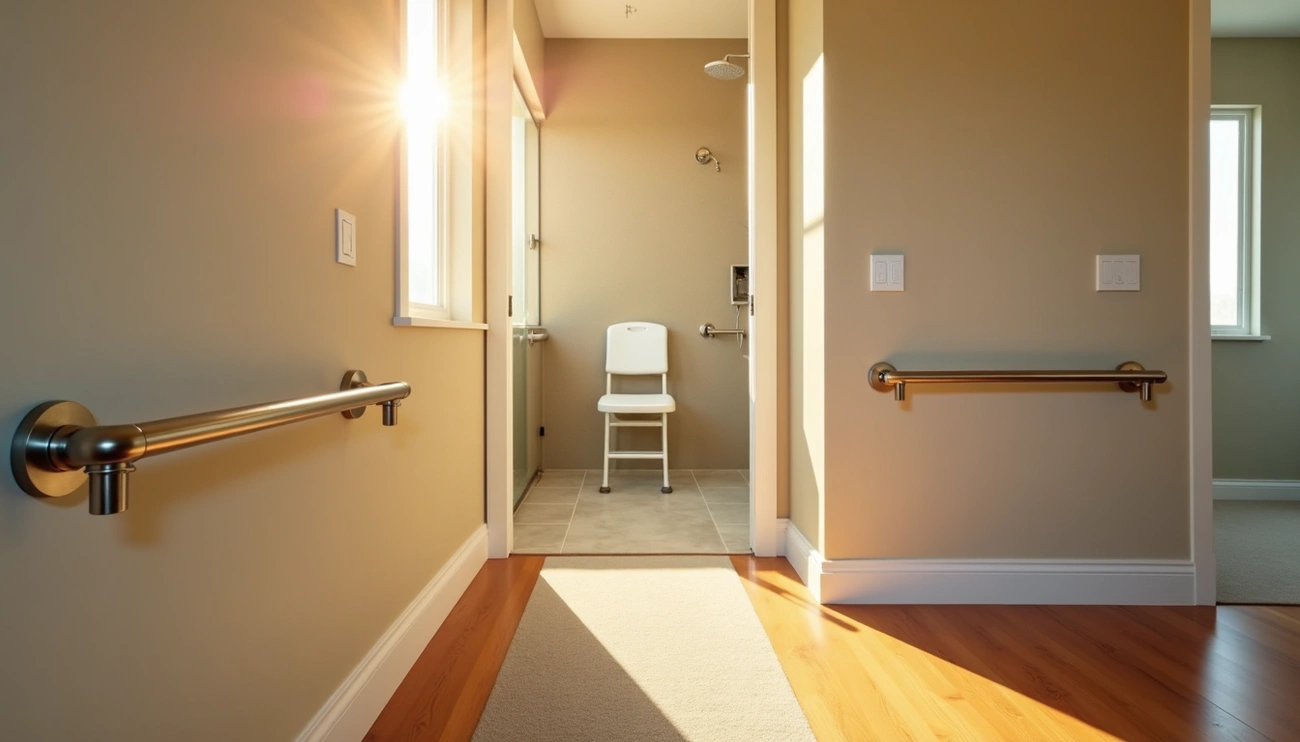
Mobility challenges fundamentally restrict seniors’ social worlds. Approximately 28% of older adults have difficulty with mobility, making it harder to leave home for activities they once enjoyed. This limitation creates what many describe as a “shrinking world” experience, where physical boundaries increasingly confine their lives. Many older adults also develop a fear of falling, causing them to further restrict activities or avoid leaving home entirely, creating a self-imposed isolation. When transportation options disappear-particularly after giving up driving-seniors find themselves unable to attend social gatherings, religious services, or community events that previously anchored their social lives.
Hearing or vision problems
Sensory impairments profoundly impact social connections. Untreated hearing loss has been particularly associated with greater social isolation, as conversations become frustrating exercises in misunderstanding. Often, older adults with hearing difficulties withdraw from social interactions altogether rather than continually asking others to repeat themselves. Vision problems similarly limit independence, with self-reported visual impairment strongly associated with social isolation even after adjusting for other factors like chronic illness or functional limitations. Most concerning, seniors experiencing dual sensory impairment (both vision and hearing loss) alongside cognitive impairment report the highest loneliness rates-17% compared to 9% in those without impairments.
Living alone or far from family
The physical absence of companions represents a direct isolation risk. In 2020, approximately 27% of Americans aged 60+ lived alone, including nearly 50% of women over 75. Geographic separation from family members contributes significantly, with about 25% of elderly individuals reporting isolation due to family living far away. Some seniors living alone may go days without seeing or talking with another person, particularly those with limited social networks.
Grief, retirement, or major life changes
Life transitions frequently trigger isolation. Nearly 50% of older adults who lose a spouse experience significant loneliness, with many describing an “everlasting sadness”. Retirement similarly disrupts social networks, with about 40% of seniors experiencing significant isolation afterward due to lost workplace connections. These transitions often coincide with diminished feelings of purpose and self-worth, further reducing motivation for social engagement.
How to reduce social isolation in elderly
Combating isolation requires practical, consistent action. Research shows a variety of approaches can reconnect seniors to their communities and improve overall wellbeing.
Encourage daily social routines
Establishing consistent daily routines provides essential structure for older adults. Studies indicate that seniors with regular social interaction patterns experience higher positive affect and lower negative affect. These routines create predictability and comfort, reducing anxiety while increasing self-esteem as seniors maintain independence in daily activities.
Use technology to stay connected
Digital solutions offer powerful ways to bridge isolation. Virtual senior centers using online platforms have shown remarkable results, with 80% of participants feeling less lonely and 60% experiencing increased connectedness. Video calling apps like Zoom, Skype, and WhatsApp enable face-to-face interaction regardless of distance, while online communities connect seniors with similar interests.
Join local clubs, classes, or faith groups
Group activities at senior centers provide opportunities for meaningful engagement. Options like book clubs, game nights, and educational classes stimulate cognitive function while fostering social bonds. Community college programs designed for seniors offer courses ranging from academic subjects to practical skills, creating environments for intellectual growth and peer connection.
Adopt a pet for companionship
Pet ownership significantly reduces loneliness risk, with research showing pet owners are 36% less likely to report feelings of loneliness than non-pet owners. This benefit is particularly pronounced for seniors living alone. Beyond emotional support, pets facilitate neighborhood connections, as pet owners are 60% more likely to meet neighbors.
Volunteer or participate in community programs
Volunteering creates purpose while building social connections. Senior volunteers report better health outcomes-80% report good, very good, or excellent health compared to just 50% among non-volunteers. Programs like AmeriCorps Seniors offer structured opportunities through Foster Grandparents, RSVP, and Senior Companions.
Talk to a doctor or mental health provider
Professional support remains essential for addressing severe isolation. Online therapy provides accessible options for homebound seniors, while some healthcare providers can connect patients with community resources through “social prescribing”. Mental health professionals can help identify underlying issues contributing to isolation and develop personalized strategies for reconnection.
Conclusion
Social isolation among elderly individuals represents a significant yet often overlooked crisis affecting millions of Americans. Throughout this exploration, we have seen how deeply isolation impacts not just emotional wellbeing but physical health as well. The stark reality remains – elderly isolation increases mortality risk by over 60%, comparable to smoking 15 cigarettes daily.
Most importantly, this crisis demands immediate attention from families, communities, and policymakers alike. Research clearly demonstrates that social disconnection accelerates cognitive decline, weakens cardiovascular health, and damages immune function. The economic burden – $406 billion annually – further emphasizes why addressing this issue benefits everyone.
Fortunately, numerous effective strategies exist to combat isolation. Daily social routines provide essential structure, while technology bridges physical distances between loved ones. Community engagement through clubs, classes, or faith groups creates meaningful connections. Pet ownership offers companionship that significantly reduces loneliness risk. Volunteering opportunities give seniors purpose while building relationships.
Healthcare providers also play a crucial role by screening for isolation during routine visits and connecting patients with appropriate resources. Family members can help by checking in regularly, assisting with transportation, and encouraging participation in community activities.
Though elderly isolation presents complex challenges, its solutions need not be complicated. Small, consistent efforts make remarkable differences in seniors’ lives. Our collective responsibility involves ensuring older adults remain connected, valued, and engaged members of society. Their wellbeing affects us all – and addressing isolation today creates stronger communities for every generation.
FAQs
Q1. How common is social isolation among older adults? Approximately 24% of Americans aged 65 and older experience social isolation, while 35% of adults aged 45 and older report feeling lonely. This issue affects millions of seniors and is more prevalent than many people realize.
Q2. What are the health risks associated with elderly isolation? Elderly isolation can increase the risk of heart disease by 29%, stroke by 32%, and dementia by 50%. It also weakens the immune system, contributes to depression, and can be as harmful to health as smoking 15 cigarettes daily.
Q3. What factors contribute to social isolation in seniors? Common factors include loss of mobility, transportation challenges, hearing or vision problems, living alone or far from family, and major life changes such as retirement or the loss of a spouse. These issues can significantly limit an older adult’s ability to maintain social connections.
Q4. How can technology help reduce elderly isolation? Technology can play a crucial role in combating isolation. Video calling apps, online communities, and virtual senior centers can help older adults stay connected with family, friends, and peers, regardless of physical distance.
Q5. What are some effective ways to reduce social isolation in the elderly? Encouraging daily social routines, joining local clubs or classes, adopting a pet, volunteering, and participating in community programs can all help reduce isolation. Additionally, talking to a doctor or mental health provider can provide professional support and resources for addressing severe isolation.