
Finding affordable housing that supports your independence during retirement can present challenges for many seniors. According to the Census Bureau, the average sales price for a new manufactured home as of July 2023 was $118,000, not including land costs. This price point makes modular homes an accessible option for those planning their next living arrangement.
Affordability concerns remain at the top of many baby boomers’ lists as they consider housing for their retirement years. Senior manufactured homes offer a practical alternative to traditional housing or costly assisted living facilities. These homes accommodate various needs, from compact units under 1,000 square feet to larger designs exceeding 2,000 square feet with up to five bedrooms. The construction timeline also works in your favor-manufactured homes for seniors can be completed in half the time of traditional stick-built homes, allowing you to move forward with your plans without lengthy delays.
The real benefit of these homes lies in how they support your independence. Modular construction allows seniors to maintain the level of independence they desire. Features like single-story layouts eliminate stairs, while zero-step entryways remove elevation changes between exterior and interior spaces, creating safer living environments designed with senior mobility in mind. Many senior-friendly homes also include non-slip flooring in bathrooms and high-traffic areas to reduce fall risks.
This article covers the key features that make modular homes suitable for seniors, their cost advantages, how they support aging in place, and the customization options available to match your specific needs and preferences.
Design Features That Make Modular Homes Senior-Friendly
The structural design of modular homes addresses common challenges seniors face in maintaining independence as they age. These practical features create living spaces that accommodate changing mobility needs without sacrificing comfort.
Single-story layouts for easy mobility
Senior manufactured homes typically feature ranch-style floor plans that keep all living areas on one level. This single-level approach reduces fall risks while making daily activities more manageable. You can access every room without navigating stairs, eliminating potential hazards that come with climbing steps.
Wide doorways and hallways for assistive devices
Quality modular homes for seniors include doorways measuring at least 36 inches wide with hallways spanning a minimum of 36 inches. These dimensions accommodate wheelchairs, walkers, and other mobility aids comfortably. Open floor plans with fewer walls further improve navigation, allowing easier movement throughout your home.
Zero-step entry and non-slip flooring
Zero-step entryways create smooth transitions between outdoor and indoor spaces without elevation changes. This design works alongside non-slip flooring installed in bathrooms and areas where water might collect. The improved traction significantly reduces fall risks, particularly important in potentially slippery areas.
Accessible bathrooms with roll-in showers
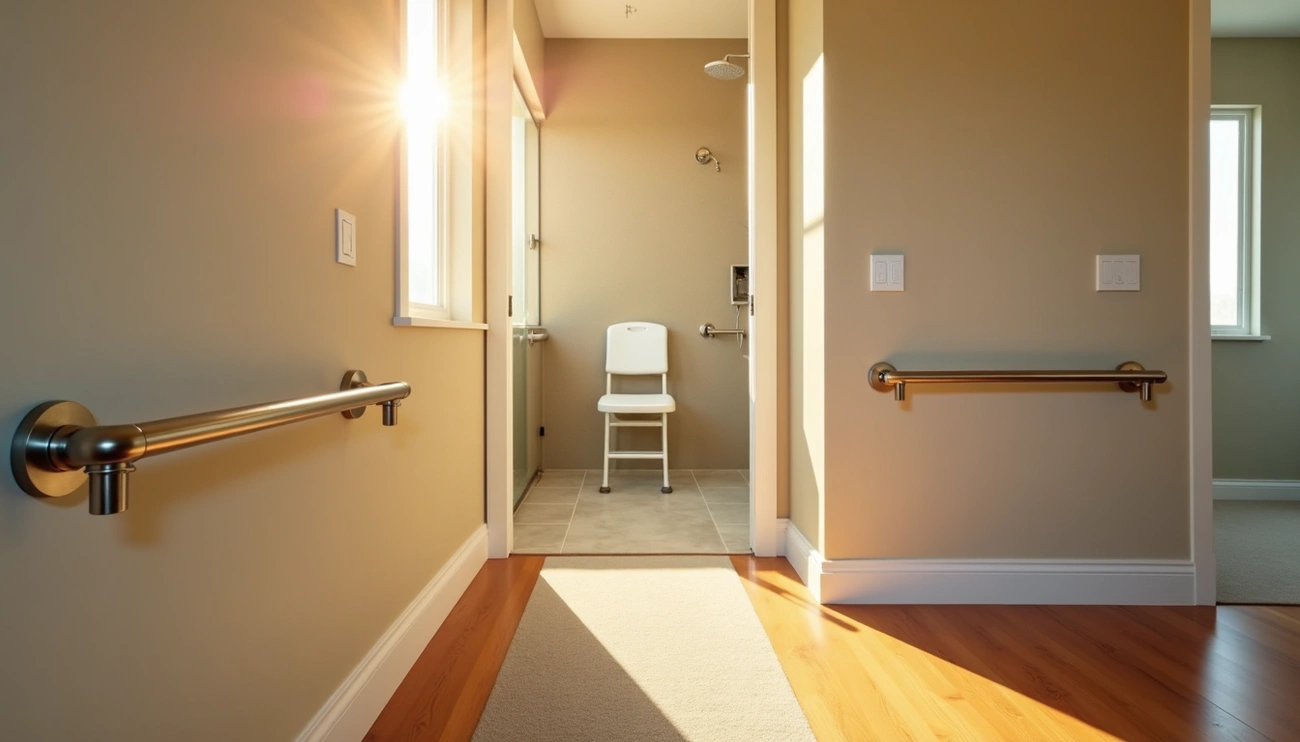
Bathroom design receives special consideration with roll-in showers that remove dangerous tub edges. These showers include practical features such as:
- Adjustable showerheads for different heights
- Handheld spray options for easier use
- Built-in seating for comfort and safety
These modifications make bathing safer and more comfortable, supporting your ability to maintain personal care independently.
Lever-style handles and grab bars
Research shows lever handles require about 50% less effort to operate compared to traditional doorknobs. This change benefits anyone with limited hand strength or arthritis. Strategic placement of grab bars near entrances and in bathrooms provides additional support and stability where you need it most.
Affordability and Energy Efficiency
Financial considerations often top the list for seniors planning their retirement living options. Modular homes deliver value through both upfront savings and ongoing cost reductions that protect retirement budgets.
How modular homes reduce construction costs
The economics behind modular construction create substantial savings compared to traditional building methods. Off-site construction of a low-rise multifamily project can save 20 percent of total construction costs. This affordability comes from streamlined manufacturing processes where homes are built in controlled factory environments rather than on-site.
Time savings translate directly to cost benefits. Modular building accelerates project timelines by 30 to 50 percent, with the average modular home taking just over eight months from permit to completion. Shorter construction periods reduce labor expenses and minimize financing costs during the building process.
Waste reduction also contributes to affordability. Traditional construction sites often discard materials, while modular factories use recycling practices and precise measurements that can reduce waste by up to 90 percent.
Energy-saving features like LED lights and smart thermostats
Senior manufactured homes now incorporate numerous energy-efficient elements:
- Smart thermostats that learn usage patterns and adjust temperatures automatically
- Energy-efficient windows with special low-E coatings that reduce energy loss by 30-50 percent
- LED lighting throughout the home, more durable and efficient than incandescent options
- ENERGY STAR certified appliances that meet strict environmental standards
These features can save homeowners up to 50 percent on annual energy costs when compared to traditional homes. The typical ENERGY STAR household saves approximately $450 each year on energy bills.
Low-maintenance materials for long-term savings
Modular homes for seniors utilize durable, low-maintenance materials that reduce ongoing expenses. Components like vinyl siding and metal roofs resist damage and require less frequent replacement or repair.
The construction technique itself creates tighter seals throughout the home, with better-quality windows and doors than typically found in stick-built houses. This superior construction quality means fewer maintenance issues and lower operational costs throughout retirement years.
How Modular Homes Support Aging in Place
For nearly 90% of seniors, the desire to remain in their own homes as they age is a top priority. Aging in place refers to staying in your own home and community as you grow older, maintaining independence for as long as possible. This living arrangement promotes life satisfaction, a positive quality of life, and improved self-esteem.
Understanding what aging in place involves
Aging in place extends beyond simply staying in the same location. It means having health and social supports that enable safe, independent living for as long as you wish and are able. This approach allows seniors to remain surrounded by familiar settings, routines, and comforts while accessing needed services.
Supporting your independence over time
Senior manufactured homes are designed with customization in mind, accommodating changing mobility, accessibility, and convenience needs. These homes feature single-level layouts, wider doorways, and open floor plans that make movement safer and more comfortable. Modular construction allows for incorporating accessibility features from the start, rather than expensive retrofitting later.
Comparing costs with assisted living options
The median monthly cost of assisted living in 2024 is $4,995, while modular homes typically offer lower ownership costs without sacrificing quality. The best modular homes for seniors are equipped with necessary features to accommodate changing needs over time, allowing seniors to remain independent and avoid the disruption and expense of moving to assisted living facilities.
Customization Options for Personal Needs
Modern modular home design centers on personalization, letting seniors create living spaces that match their individual needs and preferences. These homes offer adaptability for changing circumstances, unlike traditional housing with limited modification options.
Layout flexibility and room configurations
Modular homes for seniors come in various sizes, typically ranging from 400 to 1,200 square feet. Whether you prefer modern, traditional, or something in between, today’s builders provide flexibility in layouts. Many seniors choose single-floor ranch styles with open floor plans that eliminate narrow passages, creating more spacious environments. Some designs even include dedicated areas for in-home therapy or medical equipment, or extra bedrooms for caregivers or visiting family members.
Adding features like ramps, wider counters, or smart tech
Senior-friendly homes can incorporate accessibility enhancements beyond basic layouts. These include adjustable-height countertops and sinks for wheelchair users, reinforced walls to support grab bars, and smart home technology for hands-free control of lighting, temperature, and security systems. Some features like accessibility ramps typically require third-party professionals after home delivery.
Choosing finishes and styles that reflect personal taste
Modular homes for seniors offer extensive aesthetic choices. From selecting exterior siding and roofing materials to picking interior flooring, cabinetry, fixtures, and appliances, the options rival those of traditional architect-designed houses. Senior manufactured homes can include custom built-in storage solutions tailored to specific needs, ensuring both functionality and personal expression work together effectively.
Bottom Line
Modular homes provide a practical housing solution for seniors who want to balance affordability with independence during retirement. The cost advantages are clear, with average prices of $118,000 compared to traditional housing and potential energy savings of up to 50% annually.
The design features built into these homes address common senior living challenges. Single-story layouts, wider doorways, and accessible bathrooms work together to create safer living environments that adapt to changing mobility needs. These elements help you maintain independence in your own home rather than requiring costly assisted living arrangements.
For seniors looking to age in place, modular homes offer the flexibility to customize your living space according to your specific needs and preferences. Whether you need space for medical equipment, want smart home technology, or prefer particular finishes and layouts, these homes can accommodate your requirements from the start.
When you consider your retirement housing options, modular homes present several key advantages: lower upfront costs, reduced ongoing expenses, safer design features, and the ability to remain in familiar surroundings. The median monthly cost of assisted living at $4,995 makes the economics of homeownership particularly appealing for many seniors on fixed incomes.
The construction timeline also works in your favor. With completion times 30-50% faster than traditional building methods, you can move forward with your housing plans without extended delays. This efficiency, combined with the long-term cost savings and independence these homes provide, makes them a viable option worth exploring as you plan for your retirement years.
Key Takeaways
Modular homes offer seniors an affordable path to comfortable retirement living while maintaining independence and dignity in their golden years.
• Significant cost savings: Modular homes average $118,000 compared to traditional housing, with 20% lower construction costs and up to 50% energy bill reductions through efficient features.
• Senior-friendly design features: Single-story layouts, 36-inch wide doorways, zero-step entries, and accessible bathrooms with roll-in showers eliminate mobility barriers and fall risks.
• Aging in place support: These homes enable 90% of seniors to stay independent longer, avoiding assisted living costs of $4,995/month while maintaining familiar surroundings.
• Customizable for changing needs: Flexible layouts from 400-1,200 sq ft accommodate mobility aids, smart technology, and personal preferences without expensive retrofitting later.
• Faster construction timeline: Modular homes complete 30-50% faster than traditional builds, allowing quicker transitions with less disruption during retirement planning.
The combination of affordability, accessibility, and customization makes modular homes an ideal bridge between independent living and costly assisted care facilities, empowering seniors to age comfortably on their own terms.
FAQs
Q1. What makes modular homes a good option for seniors? Modular homes offer affordability, energy efficiency, and senior-friendly design features like single-story layouts and accessible bathrooms. They support aging in place, allowing seniors to maintain independence while saving on costs compared to traditional housing or assisted living facilities.
Q2. How do modular homes accommodate changing mobility needs? These homes incorporate wide doorways, zero-step entries, and non-slip flooring to enhance safety and accessibility. They can also be customized with features like grab bars, lever-style handles, and roll-in showers to adapt to evolving mobility requirements as seniors age.
Q3. Are modular homes more cost-effective than traditional housing for seniors? Yes, modular homes are generally more affordable. With an average price of $118,000, they offer significant savings compared to traditional homes. Additionally, their energy-efficient features can reduce utility bills by up to 50%, providing long-term financial benefits for seniors on fixed incomes.
Q4. Can modular homes be customized to individual preferences? Absolutely. Modular homes for seniors come in various sizes and styles, typically ranging from 400 to 1,200 square feet. They offer flexibility in layout, finishes, and features, allowing seniors to create living spaces that reflect their personal tastes and accommodate specific needs.
Q5. How do modular homes support aging in place? Modular homes are designed to support long-term independence. Their accessible design features, combined with the ability to incorporate smart home technology and medical equipment, allow seniors to remain in their homes safely and comfortably as they age, avoiding the need for assisted living facilities.