
Nearly 28% of Americans age 65 and older-over 16 million people-now live alone. The reality of solo aging continues to grow, with 16.5 percent of adults age 55 and older (15.2 million people) being childless.
These statistics reflect an important shift: a growing number of people are navigating their later years without the traditional support system of a spouse or children. A solo ager is typically an individual 50 or older who is aging without a life partner or children to provide support. This trend affects women more significantly, with 33 percent of U.S. women age 65 and older living alone, compared to almost 22 percent of men in the same age group.
Aging independently offers certain advantages, but it also creates distinct challenges. Solo agers often face increased risks of loneliness and isolation, which research links to higher rates of cognitive decline, chronic illness and premature death. Without the built-in network that family often provides, maintaining community connections becomes essential for emotional well-being.
Planning ahead makes the difference between struggling and thriving as you age independently. Many people share common goals as they grow older: staying in their own homes, maintaining independence for as long as possible, and having reliable support when needed. Making these goals reality requires deliberate preparation.
This guide explores practical strategies for aging independently with confidence. You’ll find actionable steps for creating the right living environment, securing your financial future, establishing legal protections, and building a reliable support network. Each section addresses the specific needs of those aging without traditional family support systems.
Understanding Solo Aging
The term “solo ager” emerged recently to describe a growing segment of our aging population. Understanding who falls into this category requires recognizing the unique circumstances and challenges faced by those aging without traditional family support.
Who qualifies as a solo ager?
Solo agers include individuals navigating their later years without the conventional family support system. This encompasses people who never married, are widowed, divorced, or those without children. Additionally, individuals with children who live far away, have children with disabilities who cannot provide care, or are estranged from family members may effectively function as solo agers.
The numbers tell a significant story. Approximately 12% of adults ages 50-plus in the United States are considered kinless seniors. Among Baby Boomers, one quarter never had children and about one-third of Americans aged 45 to 62 are currently single. This trend appears less common in Hispanic, Black, and Asian communities, which traditionally rely more on extended family.
Members of the LGBTQ community show higher rates of solo aging and childlessness. Research using 2010 data from the Health and Retirement Study found that 22.6% of participants were at high risk for becoming “elder orphans”-defined as unmarried and childless, or unmarried with children who are not in contact.
Challenges you may face aging alone
Solo agers encounter distinct obstacles that can affect their quality of life. Social isolation increases as they age, potentially creating serious consequences for emotional, mental, and physical health. Research shows that social isolation and loneliness connect to higher risks for:
- High blood pressure, heart disease, and obesity
- Weakened immune function and anxiety
- Depression and cognitive decline
- Dementia, including Alzheimer’s disease
Another challenge involves the lack of available caregivers when needed. Without family members to monitor health conditions or notice changes that may signal health problems, solo agers face increased risk for undetected medical issues. This can result in longer hospital stays, more frequent readmissions, and earlier mortality compared to those with meaningful social connections.
Financial vulnerability presents an additional concern. Only an estimated one-third of solo agers have someone to help manage their households or handle day-to-day expenses if they become unable to do so. Many solo agers haven’t planned adequately for ongoing living assistance-approximately 80% lack such plans.
Starting your planning early
Planning ahead becomes essential for solo agers. Without the built-in safety net of family, establishing support systems before you need them proves critical. A growing concern facing solo agers involves finding themselves “unbefriended”-having no one to act as a health care proxy during a medical crisis.
Many solo agers believe they will age safely in their current home, but this assumption often proves unrealistic without proper preparation. Starting a solo aging plan early provides the most options for living independently.
Early planning allows you to thoughtfully select your living environment, establish legal protections, build social networks, and arrange financial affairs before a crisis occurs. The University of North Carolina’s Partnerships in Aging Program emphasizes early planning’s importance, referring to this as being the “CEO of Your Aging Process”.
Preparing while still healthy and independent helps you maintain control over your future and avoid rushed decisions during emergencies. Despite this importance, research shows that among solo agers, only 55% have advance directives in place. Taking action now creates a foundation for independence and dignity throughout your aging journey.
Plan Your Living Environment
Creating the right living environment stands as one of the most important decisions for solo aging. Where and how you live directly affects your independence, safety, and quality of life when aging without traditional family support.
Should you age in place or move?
About 77% of Americans over age 50 prefer to age in place rather than relocating. This preference makes sense, especially if your home holds meaningful memories. However, you need to evaluate whether your current residence truly meets your long-term needs.
Consider your living options before you need extensive care. Ask yourself these questions:
- Is your home in a walkable area or near public transportation?
- Does your house have accessibility barriers like stairs or narrow doorways?
- Could you afford home maintenance and potential modifications?
- Are healthcare facilities and social opportunities nearby?
For solo agers, aging in place alone in a suburban home may become challenging over time. Research shows that about 30% of older adults anticipate a future with little to no traditional family support.
Home safety modifications to consider
If you decide to remain at home, several modifications can improve safety and accessibility:
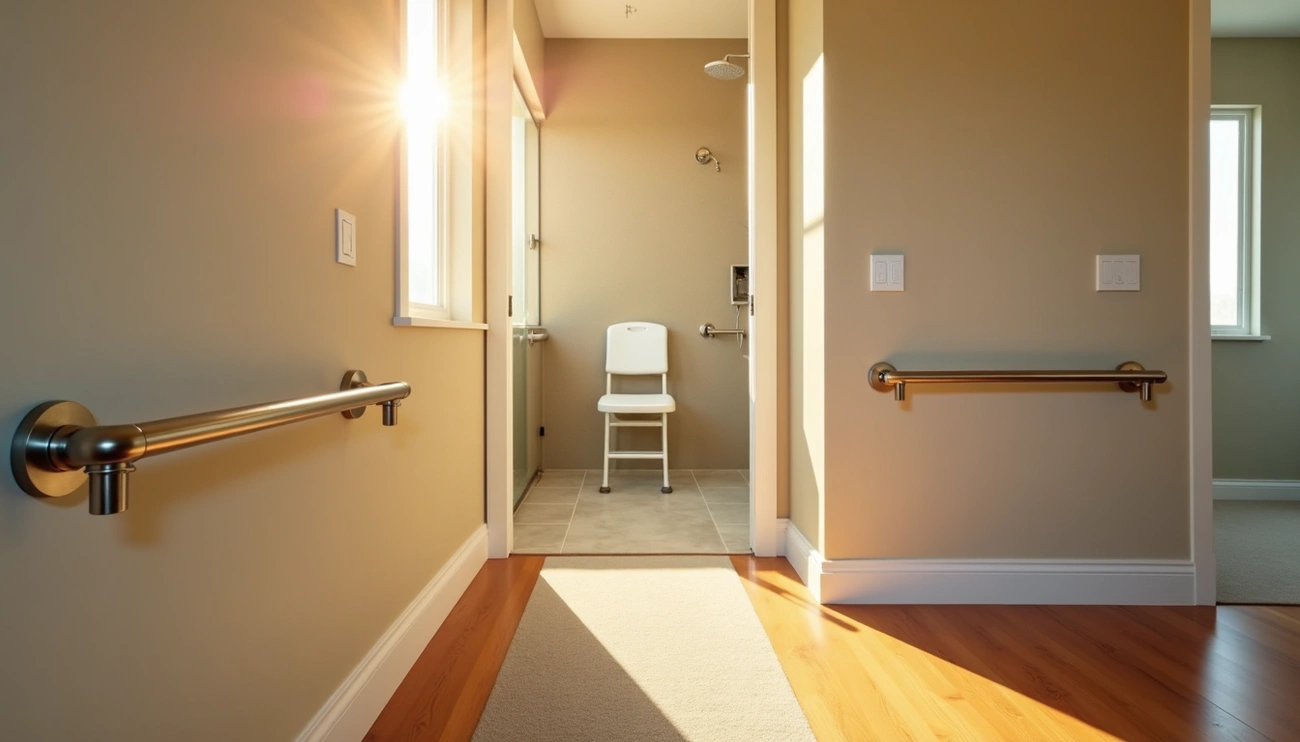
- Quick DIY projects: Install shower seats and grab bars, replace burnt-out bulbs with brighter non-glare alternatives, place sturdy chairs in dressing areas, remove clutter and throw rugs, and keep frequently used items at waist-to-shoulder height.
- Moderate modifications: Install handrails in hallways, replace doorknobs with lever handles, add non-slip flooring, and implement single-lever faucets to prevent burns.
- Major upgrades: Consider stair lifts, walk-in tubs, widened doorways for mobility devices, and ramps for exterior access.
Approximately two-thirds of older adults report that home modifications would have allowed them to maintain independence longer.
When to consider senior living communities
Even well-modified homes may eventually become insufficient. Signs that suggest considering senior living include difficulty managing daily activities like cooking, cleaning or medication management. Increased fall risk or mobility challenges may also signal the need for a more supportive environment.
For solo agers, senior living communities offer distinct advantages:
- Built-in social networks to combat isolation
- Coordinated healthcare services
- Maintenance-free living
- Peace of mind knowing help is always available
These communities can sometimes cost less than aging in place with extensive home care. The median annual cost for a home health aide ($80,000) exceeds that of assisted living ($70,000).
How to Pay for Solo Aging
Financial security becomes especially important when you lack traditional family support during your later years. The costs and planning strategies differ significantly when you’re managing retirement expenses alone.
Understanding healthcare and long-term care expenses
Healthcare costs during retirement can be substantial. A retired 65-year-old couple might need approximately $315,000 for healthcare costs during retirement. When you’re aging alone, this entire burden falls on your shoulders.
Long-term care expenses vary dramatically depending on location and the type of care you need. According to 2023 data, monthly costs for a home health aide ranged from $6,483 in Columbus, Ohio to $8,580 in Boulder, Colorado. Assisted living facilities averaged between $4,600 and $8,093 monthly across different regions. Nursing home care presents the highest costs, often exceeding $100,000 annually in many states.
Private health insurance and Medicare generally don’t cover long-term care expenses. This coverage gap makes financial preparation essential, especially since approximately 70% of today’s 65-year-olds will need long-term care services.
Building retirement savings as a solo ager
Solo agers face what researchers call a “single tax”-an extra financial burden of $440,000 to $1 million across their lifetime due to inability to share housing costs, utilities, and other expenses. This reality makes robust savings strategies essential:
- Maximize contributions to tax-advantaged accounts, including catch-up contributions after age 50
- Consider health savings accounts (HSAs) for tax-free medical expense withdrawals
- Explore community resources and benefit programs that can reduce financial strain
- Evaluate whether selling your home or business could help fund retirement needs
Research shows solo agers often have lower incomes and less in savings than partnered households. Meeting with a financial advisor becomes particularly valuable to ensure your resources last throughout your lifetime.
How insurance and annuities can help
Long-term care insurance represents an important consideration, ideally purchased in your mid-50s when premiums remain lower. For instance, a 55-year-old single male might pay around $950 annually for a $165,000-benefit policy, while a female the same age would pay approximately $1,500.
Annuities function as personal pensions, providing guaranteed income regardless of market fluctuations. Fixed annuities deliver predictable income, while variable annuities offer potential growth with market risk.
Solo agers can benefit from specific annuity features. While joint payout options don’t apply to single individuals, lifetime income guarantees with cash refund provisions can protect your investment. Research the financial strength of any insurance company before purchasing these products.
How to Establish Legal Protections
Legal planning forms the foundation of successful solo aging, yet many people delay these preparations until crisis strikes. Without family members to step in during emergencies, legal documents become your voice when you cannot speak for yourself.
Advance directives and living wills
Advance directives are legal documents that only activate when you cannot communicate your wishes. These essential tools include living wills that detail your preferences for medical treatments in serious or end-of-life situations. A living will answers crucial questions about respirators, feeding tubes, and other life-sustaining measures.
This gap leaves many solo agers vulnerable to having decisions made without their input. Advance directives protect your autonomy and provide clear guidance for healthcare providers when you need it most.
Selecting a healthcare power of attorney
A healthcare power of attorney (sometimes called a healthcare proxy) designates someone you trust to make medical decisions on your behalf. For solo agers, this becomes particularly important since doctors won’t automatically know who to contact during emergencies.
Consider these factors when selecting this person:
- Choose someone who understands your values and wishes
- Ensure they’re willing to advocate for your preferences
- Consider whether they live close enough to respond quickly
- Verify they aren’t already overwhelmed by similar commitments for others
Your healthcare proxy needs legal access to your medical information through a HIPAA authorization form.
Financial power of attorney essentials
Financial power of attorney authorizes someone to handle your finances if you become incapacitated. Without this document, no one can legally pay your bills, manage investments, or make financial decisions without court intervention.
You have several options: durable power of attorney grants broad authority, limited power of attorney restricts decisions to specific areas, while springing power of attorney activates only upon your declared incompetence.
Professional fiduciaries as an alternative
Professional fiduciaries serve as impartial individuals who manage affairs for those without immediate family. These professionals typically include trust officers, certified public accountants, care managers, or attorneys.
Consider a professional fiduciary if you:
- Lack trusted friends or extended family
- Have a complex financial situation
- Worry about burdening friends with financial responsibilities
- Want objective management of your affairs
The fiduciary assumes a legal duty to act exclusively in your best interest, keeping detailed records and following strict ethical guidelines. While professionals charge fees, they provide expertise, objectivity, and protection from potential exploitation.
How to Build Support Networks for Independent Living
Building meaningful connections becomes essential when aging without traditional family support. Research shows loneliness increases risks for cardiovascular disease, dementia, stroke, depression, and premature death. Creating a robust support network requires intentional planning and effort.
Finding and maintaining social connections
Expanding your social circle takes deliberate action. You can start with activities that match your interests and schedule:
- Join local senior centers or community college courses
- Volunteer with causes aligned with your values
- Participate in hobby clubs or walking groups
- Attend library events or author talks
Building new relationships requires patience. One solo ager shared that after moving to a high-rise building, it took nearly two years before residents began opening up, but by year four, she received invitations for coffee and dinner. Persistence pays off when creating lasting connections.
Community and volunteer service options
Area Agencies on Aging (AAAs) serve as central contact points for aging-related resources. These agencies connect older adults to essential services including:
- Transportation assistance
- Home-based help
- Nutritional programs
- Social activities
The Retired Senior Volunteer Program offers another valuable resource, linking people 55+ with organizations needing their skills. Volunteers can contribute anywhere from a few hours to 40+ hours weekly.
Professional care management support
Geriatric care managers, typically licensed nurses or social workers specializing in elder care, provide valuable assistance through:
- Coordinating medical services
- Evaluating in-home care needs
- Making home visits
- Addressing emotional concerns
These professionals charge between $100-$250 hourly, with initial assessments ranging from $150-$750 depending on scope.
What is the Village model?
The Village model represents a grassroots movement connecting older adults who want to age in place. These membership-based nonprofit organizations provide:
- Transportation assistance
- Home repairs and maintenance help
- Health and wellness programs
- Social and educational activities
Approximately 40% of Village members volunteer for other members. Villages typically charge yearly dues ranging from $10-$900 for individuals and $15-$1,309 for couples.
Bottom Line
Solo aging success comes down to preparation across four key areas: housing, finances, legal protections, and support networks. While aging independently presents challenges, taking action now gives you the greatest control over your future.
This guide covered practical strategies for each area. Your living environment needs to support your changing needs, whether through home modifications or senior living communities. Financial planning becomes more critical when you cannot share costs with a partner, making early preparation essential for long-term security.
Legal documents serve as your voice when you cannot speak for yourself. Advance directives, healthcare proxies, and powers of attorney protect your autonomy during medical crises. Without these protections, others may make decisions that don’t reflect your wishes.
Building connections takes deliberate effort but provides both practical assistance and emotional support. Community resources, volunteer programs, and professional services can fill gaps that family traditionally covers. The Village model offers another option for aging in place with peer support.
The key to successful solo aging lies in creating systems of support while maintaining your independence. You don’t have to do everything alone, but you can direct your own journey with appropriate help when needed.
Start with one area that feels most urgent to you. Contact your local Area Agency on Aging for resources, schedule an appointment with a financial advisor, or speak with an attorney about legal documents. Small steps today can make a significant difference in your ability to age with dignity and security.
Key Takeaways
Solo aging affects nearly 28% of Americans 65+ and requires proactive planning across multiple life areas to maintain independence and security.
• Start planning early while healthy – only 55% of solo agers have advance directives, leaving many vulnerable during medical crises.
• Secure legal protections including healthcare proxies, financial power of attorney, and advance directives to maintain control when you cannot speak for yourself.
• Build robust support networks through community involvement, volunteer services, or Village models to combat isolation and access practical help.
• Plan financially for higher costs – solo agers face a “single tax” of $440,000-$1 million extra lifetime expenses due to inability to share costs.
• Evaluate your living environment early, considering home modifications or senior communities before care needs become urgent.
The key to successful solo aging lies in creating systems of support while maintaining autonomy. Independence doesn’t mean doing everything alone, but rather directing your own journey with appropriate assistance when needed.
FAQs
Q1. How can I prepare for aging alone? Start planning early by securing legal protections like advance directives and powers of attorney, building a strong support network, evaluating your living environment, and creating a robust financial plan. Consider consulting with professionals such as financial advisors and geriatric care managers to help navigate the unique challenges of solo aging.
Q2. What are the essential needs of older adults aging independently? The three primary needs are a comprehensive aging plan, a healthy lifestyle, and a sense of community. An aging plan should address legal, financial, and healthcare concerns. Maintaining physical and mental health through proper nutrition and exercise is crucial. Lastly, cultivating social connections helps combat isolation and provides emotional support.
Q3. What options are available for elderly individuals without family support? Several options exist, including hiring a professional fiduciary to manage affairs, joining a Village model for community support, utilizing services from Area Agencies on Aging, and considering senior living communities. These resources can provide necessary care, social connections, and assistance with daily living tasks.
Q4. When should I consider alternative living arrangements as a solo ager? Consider alternative living arrangements when you experience difficulty managing daily activities, face increased fall risks or mobility challenges, or feel socially isolated. It’s best to evaluate your options before a crisis occurs, allowing you to make informed decisions about senior living communities or home modifications that can support your independence and safety.
Q5. How can I build a support network as I age independently? To build a support network, actively engage in community activities, join local senior centers or hobby clubs, volunteer for causes you care about, and participate in educational programs. Consider hiring a geriatric care manager for professional support and explore the Village model in your area for additional resources and social connections.