
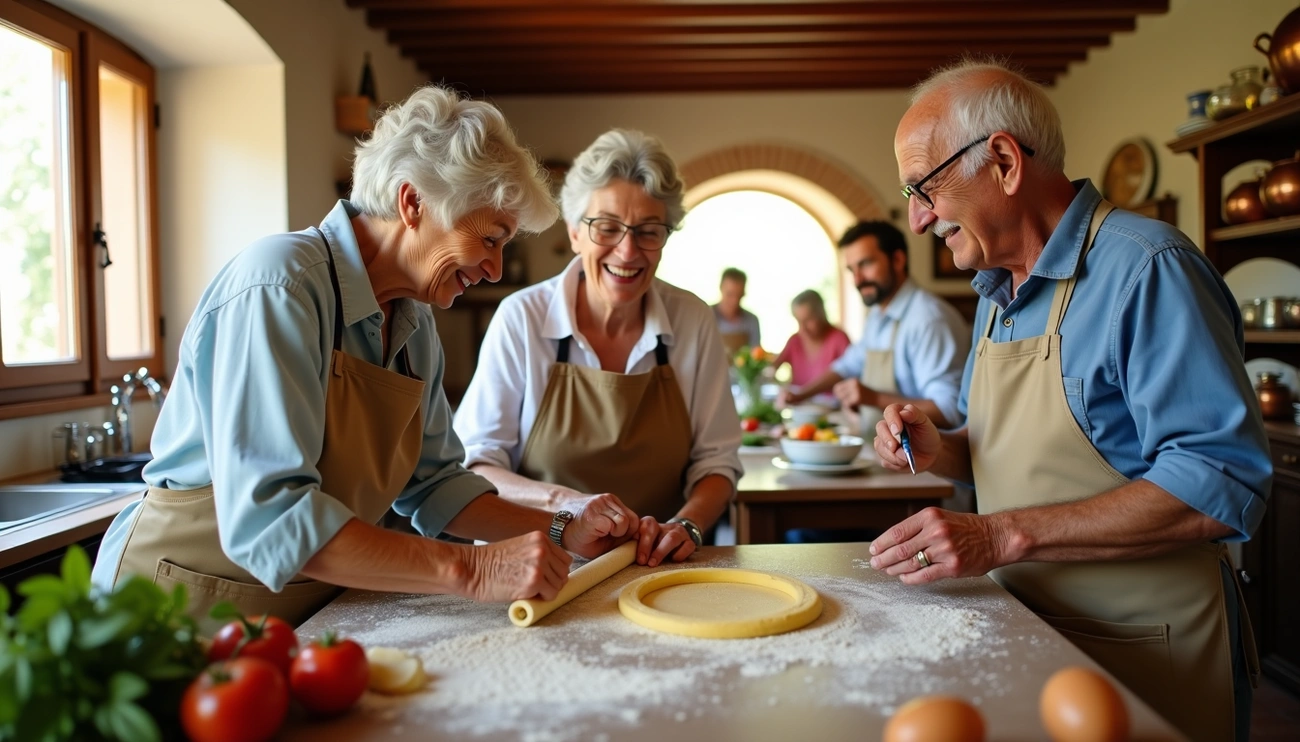
Cultural immersion experiences offer a practical approach to travel that extends far beyond standard sightseeing. When you choose cultural immersion over traditional tourism, you integrate yourself into another culture, live alongside locals, and gain genuine understanding of their daily routines. This type of travel involves active participation rather than passive observation from hotel lobbies or tour buses.
For seniors and retirees, cultural immersion travel provides specific opportunities to expand your horizons during a life stage when many peers may be limiting their activities. According to a study published in the Journal of Travel Research, travelers who engaged in authentic cultural immersion experiences reported higher levels of personal growth. Cultural immersion programs for adults allow you to step outside familiar routines and explore new customs in meaningful ways. You might spend several months in a Tuscan villa while learning Italian, for example.
This guide explores why cultural immersion activities become more valuable as you age, the cognitive and social benefits they provide, and practical preparation steps for your journey. You’ll also find information about the best cultural immersion programs for adults and strategies for making the most of these experiences. Whether you’re planning your first immersive travel adventure or looking to enhance future trips, this guide will help you create memories that extend well beyond typical tourist activities.
What is a cultural immersion experience?
True cultural immersion experiences involve much more than visiting popular landmarks or attractions. The concept represents an intentional approach to travel where you fully integrate yourself into a community’s daily life, customs, and traditions. Cultural immersion focuses on active participation rather than passive observation. Instead of simply viewing a destination from a distance, you become a temporary member of the local community.
How it differs from traditional tourism
Traditional tourism primarily focuses on sightseeing, checking off famous landmarks, and enjoying comfortable accommodations with predetermined itineraries. This “tick-box” style of travel often shields visitors from experiencing the authentic culture they came to explore. Cultural immersion travel, conversely, centers around:
- Deep engagement with local communities and traditions
- Extended stays in one location rather than rapid movement between attractions
- Personal connections with residents through homestays, shared meals, and participation in daily routines
- Active learning of language, customs, and cultural practices
- Authentic experiences that reflect real daily life rather than staged performances
The fundamental difference lies in perspective. Standard tourism positions you as an observer looking in from the outside, whereas cultural immersion invites you to become part of the community fabric, even if temporarily. As one local Peruvian guide stated, “True travel is about connecting with people, not just seeing places”.
Cultural immersion travel demands more effort and isn’t always comfortable, but it delivers substantially richer rewards. When you choose immersion over traditional tourism, you gain insights about a culture that can’t be found in guidebooks or standard tours. You also create meaningful relationships with locals that sometimes last a lifetime.
Why it matters more as we age
The value of authentic cultural immersion experiences increases significantly as you grow older. Cultural immersion provides unique opportunities for mental stimulation and emotional connection that become increasingly important in later years.
Engaging with new cultural practices keeps your mind sharp and curious. Learning new languages, customs, or skills at any age challenges cognitive patterns and builds mental flexibility. This type of experiential learning combats age-related cognitive decline by creating new neural pathways.
Cultural immersion naturally fosters social connections, which help reduce the isolation that sometimes accompanies aging. When you share meals, stories, or activities with locals and fellow travelers, you build relationships based on genuine shared experiences.
Cultural immersion can be particularly valuable for seniors because it offers opportunities to rediscover curiosity and learning beyond structured education. Many cultural immersion programs for adults are specifically designed to accommodate various physical abilities and interests while still providing authentic experiences.
Seniors often bring valuable life experience and perspective to cultural exchanges, creating mutually beneficial interactions. The unhurried pace of retirement allows for extended immersion experiences that working adults rarely have time to pursue.
Cultural immersion helps you gain not just knowledge but also wisdom about different ways of living. This deeper understanding helps you question your own cultural assumptions and appreciate alternative approaches to life’s challenges. Cultural immersion travel isn’t about checking destinations off a list-it’s about expanding your worldview and continuing personal growth regardless of age.
Benefits of cultural immersion for seniors
Cultural immersion experiences provide seniors with practical advantages that extend well beyond standard travel enjoyment. These authentic experiences contribute to overall well-being in ways that traditional tourism cannot match. Research consistently demonstrates how cultural immersion supports healthy aging through multiple pathways.
Boosts cognitive flexibility
Cultural engagement directly impacts brain health, with studies showing it can predict positive changes in cognitive function among older adults over time. When seniors interact with cultural heritage, both cognitive and affective responses are stimulated, effectively keeping the human brain active. Cultural immersion experiences make learning an integral part of the process, creating new neural pathways that help combat age-related cognitive decline.
One study found that cultural immersion can significantly increase creativity, cognitive flexibility, and adaptability to new situations. This mental stimulation occurs naturally as you navigate unfamiliar customs, attempt new languages, and solve the everyday challenges that arise when living in a different culture. These experiences trigger certain episodic memory processes, evidenced by how personal stories emerge when seniors engage with cultural content.
Encourages social connection
Isolation poses a serious health risk for aging adults, yet cultural immersion provides natural opportunities for meaningful interaction. Research indicates that social connections are a vital element of cultural experiences, with participants in one study suggesting socialization should be prioritized because they linked it directly to improved health and well-being.
Cultural immersion activities naturally foster relationships by providing you with opportunities to engage with locals and fellow travelers who share similar interests. One study found that the opportunity to network with people from the same cultural background was identified as a primary reason why people participated in physical activities. These connections help reduce feelings of isolation that sometimes accompany aging.
Promotes physical activity
Cultural immersion frequently involves physical movement that benefits your health. Regular physical activity has been proven effective in preventing chronic diseases, including cardiovascular, respiratory, neurological, metabolic, and musculoskeletal conditions. Cultural immersion experiences often include:
- Walking through local neighborhoods and markets
- Participating in traditional dances or movement practices
- Engaging in land-based activities like gardening or cooking
- Learning crafts that require fine motor skills
A study of Indigenous older adults found strong connections between physical literacy and culturally grounded forms of movement. Programs that integrate physical activity with cultural practices have shown remarkable success in improving overall well-being.
Enhances empathy and cultural sensitivity
Cultural immersion develops empathy and understanding in ways that benefit both participants and communities. Cultural immersion experiences cultivate empathy by fostering understanding, perspective-taking, and dismantling cultural barriers. Higher cultural intelligence is directly linked to better social interactions and successful adaptation.
The University of California conducted a study showing that individuals who engaged in immersive cultural experiences demonstrated significant increases in cross-cultural adaptation, tolerance for ambiguity, and open-mindedness. Research from the University of Minnesota found that immersion participants had higher levels of self-awareness, cultural sensitivity, and interpersonal communication skills compared to non-participants.
These experiences benefit communities by promoting cultural preservation and economic development. Inclusive environments where cultural differences are understood and valued lead to higher morale and mental well-being. When you feel respected and appreciated for your unique background, you are more likely to be engaged and satisfied with your living situation.
How to prepare for a cultural immersion trip
Proper preparation for cultural immersion experiences helps you connect more effectively with local communities and maximize your travel investment. Finding the right destination, packing appropriately, and learning basic customs sets the foundation for meaningful experiences that extend beyond typical tourist activities.
Choosing the right destination
Selecting the right location requires matching destinations to your personal interests and physical abilities. Consider destinations rich in history and cultural heritage such as Rome, Athens, or Cairo that offer opportunities to explore ancient civilizations. UNESCO World Heritage sites like Machu Picchu in Peru or the Great Wall of China provide exceptional cultural contexts for immersive experiences. Off-season travel often provides better opportunities for genuine connections with locals plus offers significant savings and smaller crowds.
You may find it helpful to prioritize places where you can engage with local communities rather than tourist-heavy areas. Look for destinations with established cultural immersion programs for adults that offer homestays or extended residency options. Research online, ask friends who have traveled extensively, and consult with travel professionals who specialize in cultural experiences.
Packing for local living
Packing appropriately shows respect for local customs and helps you blend in with community members. Research typical attire in your destination beforehand and pack accordingly. Many cultures have specific expectations regarding clothing, especially for religious sites or formal occasions.
Pack light and include comfortable walking shoes suitable for exploring neighborhoods and markets. Consider bringing small gifts from your home country to share with hosts or new friends you meet during your stay. Practical items often work better than luxury goods when engaging in authentic cultural immersion activities.
Learning basic language skills
How can you show respect and open doors to warmer receptions from locals? Even mastering a few key phrases in the local language dramatically enhances your cultural immersion experience. Focus on learning everyday expressions like “hello,” “please,” “thank you,” and “I don’t speak (local language)”. These simple efforts demonstrate respect and create opportunities for meaningful interactions.
Prior to departure, spend at least 15-30 minutes daily practicing basic vocabulary using language apps, phrasebooks, or online tutorials. Costa Rica, Dominican Republic, and Peru offer excellent opportunities for Spanish language immersion, as these countries are known for clear pronunciation and patient locals willing to help language learners.
Understanding local customs
Research about local customs and cultural etiquette prevents unintentional offense and deepens your understanding of daily life. Before traveling, learn about greetings, eye contact norms, dining etiquette, and other social practices specific to your destination. For instance, in Japan, bowing is customary when greeting someone, whereas in Thailand, the “wai” gesture shows respect.
Approach cultural differences with genuine curiosity rather than judgment. Remember that immersion requires accepting other ways of doing things, as there is never just one “right” way. This open-minded attitude helps you see the world from fresh perspectives and creates connections across cultural differences.
Top cultural immersion activities to try
Finding authentic experiences creates the foundation for meaningful travel for seniors. The following cultural immersion activities offer practical ways to connect with local communities and create lasting memories.
Homestays with local families
Living with locals provides insight into daily life that hotels cannot offer. Homestays allow you to share meals, stories, and authentic moments with your hosts. Through platforms like Homestay.com, seniors can find accommodations that connect them with host families worldwide. These experiences often include participating in everyday activities like cooking, shopping, and gardening in exchange for your stay. Many seniors report that homestays provided their most treasured travel memories, with one traveler noting, “It’s more than a vacation; it’s living in and being part of a community”.
Cooking and food tours
Culinary experiences offer practical pathways to understanding culture. Many regions offer specialized food tours for mature travelers that combine cooking classes with visits to local markets, farms, and food producers. Programs like “Let’s Eat the World” keep groups small (typically no more than 8 people) and connect participants with local chefs, grandmothers, and food artisans. These experiences include hands-on preparation of regional specialties, from tortelli in Italy to paella in Spain.
Language immersion programs for adults
Senior-specific language courses combine morning lessons with afternoon cultural activities suited for mature learners. These programs typically include visits to local markets, cultural monuments, and restaurants, allowing you to practice new skills in real-world settings. Many participants highlight how these programs helped them discover local traditions, like one student who experienced Semana Santa festivities in Malaga while improving her Spanish.
Volunteering in the community
Volunteering abroad allows seniors to share valuable skills while making meaningful connections. Organizations like Projects Abroad offer “Grown-up Specials” specifically designed for volunteers aged 50+. These structured experiences balance altruistic work with cultural and leisure activities, from teaching English to environmental conservation.
Attending local festivals and events
Local celebrations provide windows into a culture’s values and traditions. Festivals reflect community beliefs and histories while offering natural opportunities to connect with locals. Approaching festivals respectfully means researching their significance beforehand, dressing appropriately, and being mindful of customs and protocols.
Tips for making the most of your experience
Certain practices can help you gain more from your cultural immersion experiences and create meaningful connections with local communities. These approaches focus on practical steps that enhance your journey.
Keep an open mind
Flexibility helps you enjoy travel without unnecessary stress. Cultural immersion requires approaching each destination as a student rather than a critic, allowing yourself to experience unfamiliar customs without immediate judgment. When you encounter practices different from your own, consider them as alternative approaches rather than wrong methods. This openness often leads to the most memorable moments of your journey.
Engage with locals daily
Regular interaction with local residents creates genuine connections. Learn a few basic words in the local language-simple greetings like “hello” and “thank you” demonstrate respect and usually result in warmer receptions. Attend cultural performances, visit neighborhood markets, or start conversations with shopkeepers who often provide insights about local hidden gems.
Document your journey
Keep photos, maintain a travel journal, or record brief video clips throughout your travels. These records preserve your experiences and help you share stories with family and friends after you return home. Writing down specific moments or amusing incidents adds personal details that photos alone cannot capture.
Balance rest with exploration
Plan itineraries that include rest periods along with activities. Consider scheduling one or two significant activities each day while reserving time for relaxation. This approach helps you maintain energy throughout your trip, allowing for deeper cultural connections without becoming exhausted.
Conclusion
Cultural immersion experiences change how you connect with the world around you. Living alongside locals, participating in daily customs, and stepping away from standard tourist activities creates deeper travel experiences than traditional sightseeing. These authentic encounters provide mental stimulation that keeps your mind sharp while fostering social connections that help combat isolation.
The benefits extend well beyond enjoyment. Research shows these experiences boost cognitive flexibility, create natural opportunities for social interaction, encourage physical activity, and develop empathy across cultural boundaries. Cultural immersion allows you to question assumptions and appreciate different approaches to life’s challenges.
Successful immersion requires thoughtful preparation. Choosing destinations that match your interests, packing appropriately for local living, learning basic language phrases, and understanding cultural customs establishes the foundation for meaningful connections. Activities such as homestays with families, food tours, language programs, volunteer opportunities, and local festivals offer pathways to authentic cultural experiences.
Maintaining an open mind becomes essential for discovery. Daily engagement with locals, documenting special moments, and finding balance between exploration and rest helps you make the most of these experiences.
Cultural immersion travel offers something traditional tourism cannot provide: opportunities to continue personal growth regardless of age. You bring valuable life experience and perspective to cultural exchanges while gaining wisdom from different ways of living. The benefits of cultural immersion extend well beyond your return home, enriching your worldview and creating lasting memories.
Key Takeaways
Cultural immersion experiences offer seniors transformative travel opportunities that go far beyond traditional tourism, providing authentic connections with local communities and meaningful personal growth.
• Cultural immersion boosts cognitive flexibility and mental sharpness by challenging seniors to navigate new customs, languages, and daily routines in unfamiliar environments.
• Living with local families through homestays, participating in cooking classes, and engaging in community volunteering create genuine social connections that combat isolation.
• Proper preparation is essential: choose destinations matching your interests, learn basic language phrases, understand local customs, and pack appropriately for authentic local living.
• Maintain an open mind and engage with locals daily to maximize your experience-approach each destination as a student of its culture rather than just an observer.
• Balance exploration with rest periods to maintain energy throughout your journey, allowing for deeper cultural connections without exhaustion or overwhelm.
These immersive experiences provide unique opportunities for continued learning and personal development in retirement, creating lasting memories and expanding worldviews in ways that traditional sightseeing simply cannot match.
FAQs
Q1. What is cultural immersion and how does it differ from traditional tourism? Cultural immersion involves actively participating in a community’s daily life and customs, rather than just observing from a distance. Unlike traditional tourism, it focuses on extended stays, personal connections with locals, and authentic experiences that reflect real daily life.
Q2. What are some benefits of cultural immersion for seniors? Cultural immersion offers seniors cognitive benefits by challenging mental patterns, encourages social connections to combat isolation, promotes physical activity through local practices, and enhances empathy and cultural sensitivity by fostering understanding across cultures.
Q3. How can seniors prepare for a cultural immersion trip? Seniors can prepare by choosing destinations that match their interests, packing appropriately for local living, learning basic language phrases, and researching local customs and etiquette. It’s also important to select accommodations that allow for genuine interactions with the local community.
Q4. What are some recommended cultural immersion activities for seniors? Recommended activities include homestays with local families, participating in cooking classes or food tours, joining language immersion programs designed for adults, engaging in community volunteer work, and attending local festivals and events.
Q5. How can seniors make the most of their cultural immersion experience? To maximize the experience, seniors should maintain an open mind, engage with locals daily, document their journey through photos or journaling, and balance exploration with rest. It’s also beneficial to venture beyond tourist areas and participate in everyday local activities.