

Reading offers significant benefits beyond simple entertainment for older adults. Research shows that regular reading reduces stress, improves memory, and provides valuable mental stimulation for older adults. The right book can become a trusted companion, allowing you to explore new worlds and ideas from your favorite reading chair.
Establishing a regular reading routine can improve your sleep patterns and create opportunities for meaningful conversations when you discuss favorite stories with friends and family. If you’re seeking both enjoyment and cognitive benefits, discovering books that match your interests can enhance your daily life considerably. Reading provides multiple advantages for seniors, including continued learning and social connection through shared literary experiences.
This guide presents 17 exceptional books that offer compelling narratives across different genres. You’ll find heartwarming stories of late-life adventures, thought-provoking historical fiction, and engaging mysteries. Whether your preferences lean toward memoirs, literary fiction, or traditional whodunits, these recommendations feature unforgettable characters and stories that speak to the wisdom and life experience that come with age.
A Man Called Ove by Fredrik Backman
Fredrik Backman’s novel introduces us to Ove, a 59-year-old widower in Sweden whose gruff demeanor conceals decades of love and unwavering principles. The story begins when Ove decides to end his life after losing his beloved wife Sonja and facing forced retirement, convinced his usefulness has ended.
Book theme and plot
Ove represents the traditional man who follows rules, distrusts modern technology, and lives by clear standards. “Men are what they are because of what they do. Not what they say,” captures his worldview throughout the story. His attempts at suicide face constant interruption from new neighbors, especially a pregnant Iranian woman named Parvaneh and her family. These disruptions slowly draw him back into community involvement as he grudgingly assists with neighborhood matters. Backman weaves together Ove’s current situation with flashbacks showing his childhood, his courtship of Sonja, and their shared life, building a complete picture of one man’s experience with love and loss.
Why seniors love A Man Called Ove
Older readers connect strongly with this story because Ove feels familiar-he reminds many of a grandfather, father, or neighbor they’ve known and cherished. The narrative explores themes especially meaningful to older adults: processing grief, adjusting to retirement, discovering new purpose after major changes, and forming surprising friendships. Backman shows how Ove’s lifetime of practical knowledge and firm principles prove valuable to those around him. Despite its Swedish setting, the story speaks to universal experiences that cross cultural and generational lines.
Emotional impact of A Man Called Ove
Backman skillfully blends heartbreaking moments with genuine humor, creating an emotional experience that deeply affects readers. “It makes the readers miss their families and grips them with nostalgia. It tugs at your heart. You feel grief, and just when your eyes well up with tears, you find yourself suddenly bursting out laughing”. Ove’s journey from loneliness to community connection demonstrates how healing happens through relationships and shows that joy remains possible even after profound loss. The book provides both emotional release and reassurance, particularly for older readers navigating similar life changes.
The Nightingale by Kristin Hannah
Kristin Hannah’s historical novel brings readers into Nazi-occupied France through the experiences of two sisters facing impossible choices. Published in 2015, this narrative has reached over 4.5 million readers worldwide and appears in 45 languages.
Book theme and plot
The narrative centers on Vianne Mauriac and her younger sister Isabelle Rossignol, whose responses to the German invasion differ dramatically. Vianne, a teacher and mother, fights to protect her daughter after her husband becomes a prisoner of war. She must house German officers in her home while watching the persecution of Jewish neighbors escalate around her.
Isabelle takes a different path, joining the French Resistance to create an escape route through the Pyrenees for downed Allied airmen. Her dangerous work earns her the code name “Nightingale”. Both sisters confront choices that challenge their understanding of courage, survival, and their own capabilities.
Why seniors love The Nightingale
This novel appeals strongly to older readers because it highlights women’s wartime experiences often missing from history books. Seniors who lived through this era or heard accounts from family members find particular resonance in these stories. The themes of family loyalty, survival instincts, and discovering inner strength during crisis speak to experiences many older adults recognize from their own lives.
The detailed character development and emotional complexity provide both engaging storytelling and thoughtful reflection, making it a frequent choice for book clubs and personal reading.
Historical context in The Nightingale
Hannah drew inspiration from actual resistance fighters, particularly Belgian member Andrée de Jongh, who established the Comet line escape network. Her research into women’s resistance roles included documenting those who sheltered Jewish families despite enormous personal risk. This historical foundation, combined with authentic details of occupied France, offers readers an immersive experience of this significant period.
The story examines the moral dilemmas ordinary citizens faced under Nazi rule while bringing attention to previously overlooked accounts of women performing acts of extraordinary courage.
Major Pettigrew’s Last Stand by Helen Simonson

Helen Simonson’s debut novel presents Major Ernest Pettigrew, a widowed retired British Army officer navigating life in the English village of Edgecombe St. Mary. This thoughtful story has become particularly beloved among older readers who appreciate authentic portrayals of mature characters.
Book theme and plot
Major Pettigrew, at 68, upholds traditional English values and proper conduct in all aspects of life. His structured world changes after his brother’s death brings him into contact with Mrs. Jasmina Ali, a Pakistani shopkeeper who shares his appreciation for literature. Their developing friendship challenges both characters as they face community disapproval and family complications. The Major finds himself confronting his son’s mercenary attitudes, village narrow-mindedness, and his own preconceptions while discovering that meaningful relationships can still develop later in life. Simonson weaves together themes of connection across cultural divides and the courage required to pursue what matters most.
Why seniors love Major Pettigrew
Older readers find much to appreciate in this novel’s realistic approach to later-life challenges. The story features characters dealing with genuine concerns: loneliness after loss, strained family relationships, and community judgment. Major Pettigrew refuses to accept that age should limit his choices or diminish his relevance, a perspective that resonates with many senior readers. His determination to pursue meaningful connection despite social obstacles offers an affirming message about remaining active participants in life. The book’s measured pace and intelligent dialogue appeal to readers seeking substantial storytelling rather than superficial entertainment.
Cultural themes in Major Pettigrew
The novel explores how different backgrounds and perspectives can either divide or unite people. While examining English village traditions alongside Pakistani customs, the story reveals deeper contrasts between generations, economic classes, and social expectations. Rather than oversimplifying these differences, Simonson demonstrates how genuine understanding develops through shared values and mutual respect. The Major’s journey shows how long-held attitudes can evolve when challenged by authentic human connection, offering readers an encouraging perspective on building bridges in an increasingly diverse society.
The Boys in the Boat by Daniel James Brown

Published in 2013, Daniel James Brown’s non-fiction work documents the extraordinary journey of nine working-class young men from the University of Washington rowing team who achieved Olympic victory at the 1936 Berlin Olympics.
Book theme and plot
The narrative unfolds during the Great Depression and Hitler’s rise to power, following the University of Washington rowing team’s pursuit of Olympic gold. Joe Rantz, a student from an impoverished background, joins the rowing team partly to maintain his university enrollment. The team faces significant obstacles, including grueling training sessions in harsh weather conditions and personal challenges related to family circumstances and identity. Coach Al Ulbrickson and boat builder George Pocock guide these young men as they develop into a precisely coordinated crew capable of competing against established elite teams. The story reaches its climax at the Berlin Olympics, where the team overcomes illness, poor lane assignments, and manipulation by German officials to achieve victory in a dramatic finish.
Why seniors love The Boys in the Boat
Older readers connect with this story because it captures a historical period many experienced personally or learned about through family accounts. The themes of persevering through economic hardship resonate with seniors who have faced similar challenges throughout their lives. The emphasis on teamwork and mutual trust reflects values that many older readers consider fundamental. The book’s detailed historical background provides educational value alongside its compelling narrative.
Inspiration from The Boys in the Boat
The book demonstrates resilience during one of America’s most challenging economic periods. Joe’s evolution from someone who relies solely on himself to a person who discovers strength through trusting teammates reflects personal growth patterns familiar to many seniors. The team’s success against considerable odds illustrates how persistence and collaborative effort can overcome substantial obstacles.
The Immortal Life of Henrietta Lacks by Rebecca Skloot

Rebecca Skloot’s award-winning nonfiction work examines how cells from a poor Black tobacco farmer changed modern medicine without her knowledge or consent. Published after a decade of research, this remarkable true story follows Henrietta Lacks, whose cancer cells, taken in 1951, became the first immortal human cell line in history.
Book theme and plot
Skloot weaves together science and human drama as she traces how HeLa cells became essential to modern medicine, contributing to polio vaccine development, gene mapping, and cloning research. Henrietta’s family remained unaware of her cells’ medical importance for more than 20 years and struggled to afford basic healthcare while her cells generated millions in pharmaceutical profits. Working closely with Henrietta’s daughter Deborah, Skloot reconstructs both the scientific advancement of the cells and the deeply personal impact on the Lacks family.
Why seniors love Henrietta Lacks
Older readers find this book particularly engaging because it spans medical and social changes they witnessed throughout their lifetimes. The story examines how medical ethics evolved from the 1950s through today, covering issues many seniors remember experiencing firsthand. Themes of family legacy, proper recognition, and justice resonate strongly with elderly readers who understand the importance of these principles.
Scientific and ethical questions
The book addresses complex bioethical issues that remain relevant today. Skloot examines informed consent practices, racial disparities in healthcare access, and fundamental questions about ownership of human tissue. These challenging topics often spark meaningful discussions among seniors about medical ethics and patient rights developments they’ve observed over decades.
The Help by Kathryn Stockett
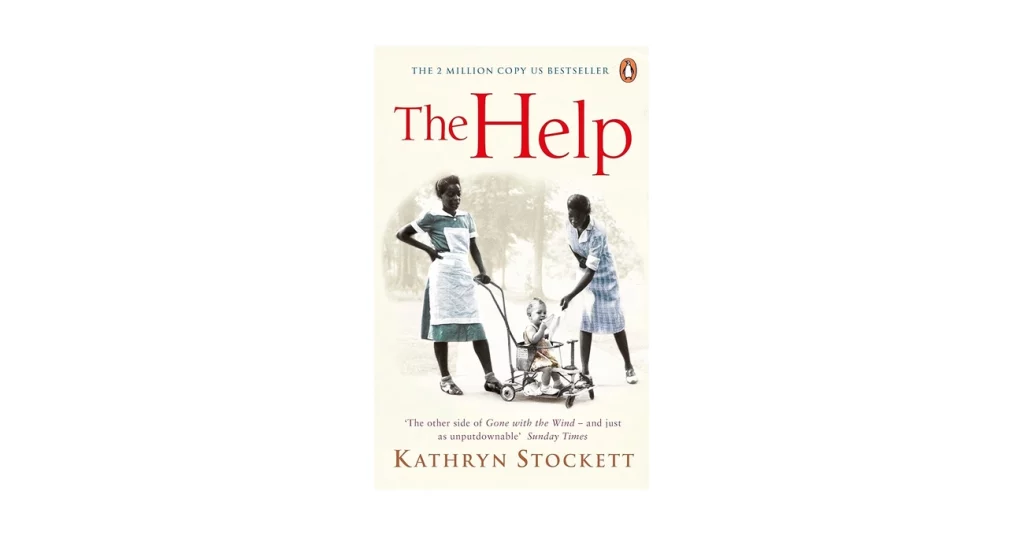
Kathryn Stockett’s debut novel transports readers to 1960s Jackson, Mississippi, where racial tensions shape daily interactions between white families and their Black domestic workers. Published in 2009, this historical fiction became a literary phenomenon, spending over 100 weeks on The New York Times Best Seller list.
Book theme and plot
The story centers on three women whose lives intersect across racial divides: Eugenia “Skeeter” Phelan, a young white woman with writing aspirations; Aibileen Clark, a Black maid who has cared for seventeen white children; and Minny Jackson, Aibileen’s outspoken friend whose honesty creates employment challenges. When Skeeter returns from college, she begins secretly collecting stories from local maids for a book project that exposes their experiences in white households. The three women risk personal safety as they challenge established social boundaries.
Why seniors love The Help
Older readers connect strongly with this novel because many witnessed the civil rights era firsthand or lived through the social changes it depicts. The book provides context for historical events many seniors experienced personally. The themes of courage, cross-cultural friendship, and moral conviction appeal to values many elderly readers consider fundamental.
Social issues in The Help
The narrative addresses racial discrimination through specific examples, from segregated facilities for domestic workers to limited library access. However, the story emphasizes human relationships that cross social barriers. The characters demonstrate how individuals can confront unfair systems through determined action.
The Thursday Murder Club by Richard Osman
Richard Osman’s debut mystery introduces four elderly amateur detectives who gather weekly at their luxury retirement village to investigate unsolved crimes. Published in 2020, this cozy mystery achieved remarkable success, selling 45,000 copies within its first three days.
Book theme and plot
The narrative takes place at Coopers Chase, a retirement community in Kent, where residents Elizabeth Best, Ron Ritchie, Joyce Meadowcroft, and Ibrahim Arif establish The Thursday Murder Club to examine cold cases. Their amateur investigations become urgent when a property developer is murdered on their doorstep. Osman structures the story using Joyce’s diary entries alongside third-person narration, creating multiple perspectives on the unfolding mystery.
Why seniors love The Thursday Murder Club
Senior readers appreciate how Osman presents characters in their 70s and 80s as the story’s central figures rather than background players. The book shows how decades of life experience equip these retirees with detective skills that younger people lack. Readers connect with characters who are portrayed realistically-flawed and mischievous rather than idealized.
Humor and mystery elements
The novel combines classic mystery elements with genuine humor. Osman creates comedy through the contrast between aging bodies and sharp minds working to solve complex crimes. The story also explores deeper themes of friendship, purpose, and mortality that resonate with older readers seeking both entertainment and meaning.
The 100-Year-Old Man Who Climbed Out the Window by Jonas Jonasson

Jonas Jonasson’s international bestseller presents a hilariously improbable adventure that has sold over three million copies worldwide and been translated into 35 languages. This comic novel blends absurdity with historical satire to create an entertaining reading experience.
Book theme and plot
Allan Karlsson decides to skip his 100th birthday celebration by climbing out his nursing home window in his slippers. At the bus station, he accidentally steals a suitcase filled with criminal money, triggering a chaotic chase involving gangsters, police, and several accidental deaths. Flashbacks reveal Allan’s remarkable past, where he influenced major 20th-century events while meeting leaders like Franco, Stalin, Truman, and Mao Tse-tung. Throughout his adventures, Allan maintains cheerful indifference to politics and a fondness for vodka.
Why seniors connect with The 100-Year-Old Man
This novel appeals to older readers because Jonasson avoids common stereotypes about elderly people. Allan is portrayed as someone whose body has aged while his mind remains sharp and curious. His adventures demonstrate that life can continue to offer new experiences regardless of age. The book challenges assumptions that aging means becoming irrelevant or incapable of handling unexpected situations.
Adventure and humor elements
The narrative’s matter-of-fact tone creates consistent comedy throughout both timelines. Allan’s rational response to absurd situations-whether dealing with gangsters or advising world leaders-provides genuine humor. His practical attitude toward extraordinary circumstances shows readers that maintaining perspective remains possible at any stage of life.
Still Alice by Lisa Genova
Lisa Genova’s 2007 novel presents a first-person journey through early-onset Alzheimer’s disease. Genova, who holds a neuroscience background, brings authentic detail to this story that has significantly influenced how readers understand dementia.
Book theme and plot
The story follows Alice Howland, a 50-year-old Harvard linguistics professor who begins experiencing disorientation and memory loss. After her devastating early-onset Alzheimer’s diagnosis, Alice faces rapidly changing cognitive abilities. The narrative chronicles her experience month by month across two years, providing an intimate view of her confusion, fear, and efforts to maintain dignity. Told primarily from Alice’s perspective, readers witness her creating memory tests for herself, visiting care facilities, and developing contingency plans as her condition deteriorates.
Why seniors love Still Alice
Older readers connect deeply with this novel because it portrays someone facing a condition many fear developing themselves. The authentic representation of Alice as a complete person beyond her diagnosis resonates with elderly readers concerned about maintaining their identity through health challenges. The focus on family relationships throughout Alice’s decline reflects real concerns many seniors have about potentially becoming dependent on loved ones. The book validates that a person remains worthy of love and respect even when memory fails.
Alzheimer’s awareness in Still Alice
The novel educates readers about early-onset Alzheimer’s, including its genetic aspects. Following Alice’s cognitive decline provides readers with insight into the disease’s progression from a patient’s perspective. Julianne Moore’s portrayal in the film adaptation earned her both a Golden Globe and an Academy Award, raising further awareness about the condition. The book achieves what medical texts often cannot: it helps readers understand dementia from the inside, fostering compassion rather than fear.
The Unlikely Pilgrimage of Harold Fry by Rachel Joyce
Rachel Joyce’s debut novel follows 65-year-old Harold Fry, who receives a letter from a former colleague dying of cancer and impulsively decides to walk across England to see her. This tender story of an ordinary man’s extraordinary pilgrimage captivated readers worldwide after being longlisted for the 2012 Man Booker Prize.
Book theme and plot
After receiving a farewell letter from Queenie Hennessy, Harold writes a brief reply but finds himself walking past mailbox after mailbox without posting it. A chance conversation with a gas station attendant convinces him that as long as he continues walking, Queenie will survive. Harold’s 627-mile journey from southwest England to Berwick-upon-Tweed becomes both a physical challenge and an emotional excavation. Throughout his 87-day trek, Harold confronts his strained marriage to Maureen, their painful estrangement from their son David, and years of unresolved regrets.
Why seniors love Harold Fry
Older readers find deep meaning in Harold’s search for purpose after retirement. His journey speaks directly to anyone navigating life’s later chapters, demonstrating that personal growth and redemption remain possible at any age. The story validates seniors’ experiences through Harold’s realization that “it was as much of a gift to receive as it was to give, requiring both courage and humility”. His encounters with strangers along England’s roads remind elderly readers that life continues to offer unexpected connections and possibilities.
Themes of redemption and journey
The pilgrimage serves as a powerful metaphor for Harold’s internal healing process. At its heart lies the tragic story of his son’s suicide and Harold’s desperate hope to save someone when he couldn’t save David. According to one reviewer, “The book highlights the capacity of human beings to live with illusions that permanently scar them”. Yet the story ultimately offers redemption through Harold’s gradual reconnection with Maureen and his acceptance of past mistakes that many seniors understand intimately.
The Secret Keeper by Kate Morton
Kate Morton’s 2012 historical mystery spans multiple decades to create an intricate puzzle of identity and memory. This sophisticated novel has attracted many elderly readers with its complex storytelling and unexpected revelations.
Book theme and plot
The story moves between 1961, when sixteen-year-old Laurel witnesses her mother Dorothy kill a stranger at their family home, and fifty years later as Laurel investigates this shocking event while her mother nears death. Her search reveals a complicated wartime story involving her mother, a photographer named Jimmy, and a wealthy woman named Vivien during 1940s London. The London Blitz creates a dramatic setting where these three characters’ lives become permanently connected.
Why seniors love The Secret Keeper
Senior readers appreciate this novel’s focus on uncovering family history before it becomes too late. The story speaks to older adults through its exploration of how memories define both identity and family relationships. Many elderly readers relate to Laurel’s struggle to understand how her loving mother could have committed such a violent act.
Mystery and family secrets
The novel centers on how little we may actually know about our parents. Morton carefully builds the mystery with subtle hints that lead to a shocking conclusion few readers anticipate. The story shows how family secrets can simultaneously protect and harm the people we care about most.
The Art of Racing in the Rain by Garth Stein
Garth Stein’s 2008 novel presents life’s challenges through the eyes of Enzo, a philosophical dog who believes in his future reincarnation as a human. This heartfelt story has resonated with millions of readers through its wisdom and emotional depth.
Book theme and plot
The story centers on Denny Swift, a race car driver in Seattle, and his loyal companion Enzo who observes his master’s life journey. Racing serves as a central metaphor for overcoming life’s obstacles throughout the narrative. Enzo witnesses Denny’s marriage to Eve, the arrival of their daughter Zoe, and Eve’s difficult battle with brain cancer. Following Eve’s death, Denny must fight a bitter custody battle with his in-laws for Zoe, with Enzo playing an important role in the outcome.
Why seniors love The Art of Racing
You may find this novel particularly meaningful for its thoughtful examination of mortality, family relationships, and life’s purpose. The book’s exploration of life’s closing chapters speaks to readers contemplating their own legacy and meaning. The racing philosophy that “the car goes where your eyes go” provides practical wisdom about maintaining focus on positive outcomes despite difficult circumstances.
Animal perspective and emotional depth
Enzo’s unique narrative voice offers both gentle humor and deep insight into human nature. His inability to speak combined with his profound understanding of human emotions reveals how pets often witness our most private and vulnerable moments. The story demonstrates how animal companions provide comfort and perspective during life’s most difficult challenges.
When Breath Becomes Air by Paul Kalanithi
Paul Kalanithi’s memoir documents his experience as a 36-year-old neurosurgeon facing terminal lung cancer. Published after his death in 2015, this powerful work spent 68 weeks on the New York Times bestseller list and earned Pulitzer Prize finalist recognition.
Book theme and plot
Kalanithi originally studied literature before entering medicine, bringing unique perspective to his illness narrative. When diagnosed with stage IV metastatic lung cancer at the height of his surgical career, he confronted questions about mortality and meaning that few his age face. Rather than focusing solely on medical details, his account examines what makes life worthwhile when time becomes precious. Despite deteriorating health, Kalanithi chose to continue writing and became a father, showing how purpose can persist through suffering.
Why seniors love When Breath Becomes Air
This memoir speaks directly to concerns many older readers face about illness, dignity, and life’s remaining chapters. Kalanithi’s dual perspective as physician and patient offers insights into healthcare experiences that seniors often navigate. His refusal to ask “Why me?” and determination to find meaning until the end provides encouragement for readers confronting their own health challenges or supporting loved ones through illness.
Life and mortality themes
Kalanithi writes, “Coming in such close contact with my own mortality had changed both nothing and everything”. His approach to terminal illness-accepting reality while embracing remaining possibilities-offers practical wisdom for readers at any life stage. The memoir explores how serious illness affects family relationships and personal priorities without becoming overly sentimental. Even facing death, Kalanithi remained “vigorous, open, full of hope not for an unlikely cure, but for days that were full of purpose and meaning”.
The Sweetness at the Bottom of the Pie by Alan Bradley
Alan Bradley’s debut novel presents one of mystery fiction’s most memorable characters: eleven-year-old Flavia de Luce, a brilliant amateur chemist with a specialty in poisons.
Book theme and plot
The story takes place in the English countryside during 1950, opening when Flavia discovers a dead bird with a postage stamp pierced through its beak on her family’s doorstep. Soon after, she finds a stranger dying in their cucumber patch. When police arrest her father for the murder, Flavia mounts her bicycle, Gladys, and launches her own investigation, consistently staying ahead of the authorities. Her adventure reveals secrets about her father’s past, valuable stamps, and an old schoolmaster’s mysterious death.
Why seniors love Sweetness at the Bottom
Older readers find this novel appealing for several key reasons. Flavia’s exceptional intelligence balanced with genuine emotional vulnerability creates an engaging protagonist. Her sharp narrative voice delivers both humor and authentic suspense. The sophisticated vocabulary and clever wordplay attract readers who appreciate well-crafted entertainment without graphic violence. Many seniors connect with the story’s capture of that youthful feeling of being “absolutely unstoppable”.
Classic mystery appeal
Bradley deliberately draws inspiration from the Golden Age of mystery writing, echoing Agatha Christie, Dorothy Sayers, and Arthur Conan Doyle. The English country house setting, intelligent amateur detective, and carefully planted clues satisfy traditional mystery fans while offering a fresh perspective through its distinctive young narrator. The methodical revelation of evidence follows classic mystery conventions that many senior readers appreciate.
I Am Malala by Malala Yousafzai
This memoir chronicles the extraordinary true story of a Pakistani girl who risked her life defending education rights. Published in 2013, Malala’s autobiography documents her childhood in Pakistan’s Swat Valley under Taliban rule and her development into a global advocate for female education.
Book theme and plot
Malala’s story begins in a region where families traditionally celebrate sons over daughters, yet her father encouraged her education. When the Taliban started restricting girls’ schooling, 11-year-old Malala began writing an anonymous BBC blog about daily life under oppression. Her growing activism culminated in the terrifying moment when Taliban gunmen boarded her school bus, asked “Who is Malala?” and shot her in the head. The memoir then follows her remarkable recovery and development into an international symbol for educational rights.
Why seniors love I Am Malala
Older readers find deep inspiration in this account of courage against overwhelming obstacles. The memoir helps many seniors understand global issues through personal narrative, turning distant news stories into deeply human experiences. Many elderly readers value how Malala’s story demonstrates that individuals at any age can create meaningful change.
Empowerment and education
Malala consistently argues that education provides humanity’s most effective tool against oppression. Her well-known statement, “One child, one teacher, one book, one pen can change the world” speaks directly to senior readers who understand education’s lasting value.
The Book Thief by Markus Zusak
Markus Zusak’s historical novel takes an unusual approach by using Death as the narrator to tell a story set in Nazi Germany. Published in 2005, this international bestseller has been translated into 63 languages and sold 17 million copies worldwide.
Book theme and plot
The narrative centers on nine-year-old Liesel Meminger, who steals her first book at her brother’s funeral. After her placement with foster parents Hans and Rosa Hubermann, Liesel develops a deep love for words as Hans teaches her to read. The story follows Liesel as she witnesses Nazi book burnings, endures air raids, and forms a bond with Max, a Jewish man the Hubermanns hide in their basement. The novel explores how literature sustains hope and humanity during wartime’s most difficult moments.
Why seniors love The Book Thief
Many older readers appreciate this novel because it presents a historical period they either lived through or learned about from their parents and grandparents. The book’s focus on mortality, human resilience, and meaningful relationships speaks to experiences that resonate with elderly audiences. The celebration of reading and storytelling appeals particularly to lifelong book lovers who understand literature’s power to shape our worldview.
What’s Great About The Book Thief
Death’s unique narrative voice creates both emotional distance and deep compassion while providing distinctive insights into historical events. The experimental writing style, including bold text and centered formatting, offers a memorable reading experience that mirrors how memories can surface unexpectedly. This approach brings fresh perspective to familiar wartime stories while honoring the experiences of those who lived through this period.
Olive Kitteridge by Elizabeth Strout
Elizabeth Strout’s Pulitzer Prize-winning work presents Olive Kitteridge, a retired mathematics teacher whose complicated personality drives this engaging novel set in coastal Maine.
Book theme and plot
This 2008 publication uses 13 connected stories to explore human relationships with remarkable depth in the fictional town of Crosby. You follow Olive, a stern woman who often seems difficult but observes and participates in her neighbors’ lives with surprising insight. The narrative reveals her relationships with her pharmacist husband Henry, her son Christopher, and various community members over time. Olive wrestles with loneliness and family tensions while occasionally showing unexpected compassion for others facing their own struggles.
Why seniors love Olive Kitteridge
Older readers appreciate this novel for its honest portrayal of aging without sentimentality. Olive appears as authentically human-neither idealized nor vilified-with genuine strengths and flaws that many recognize in themselves or others. Her journey speaks to seniors who understand that life brings both complications and disappointments along with moments of grace. The book validates that personal growth continues well into one’s seventies, while Olive’s hard-won wisdom about human connection resonates with readers who have reached similar realizations through their own experiences.
Interconnected stories and realism
The novel’s structure mirrors how you actually encounter people in real life-catching glimpses of their stories rather than seeing the complete picture. Each chapter provides different perspectives on Olive, creating a multifaceted portrait that reminds readers how no single view of any person tells the whole story. Her character develops throughout these linked vignettes, offering seniors a realistic portrayal of late-life resilience mixed with genuine human imperfection.
Book Comparison Guide
The following table summarizes key details about each recommended book to help you choose titles that match your interests:
| Title & Author | Genre | Main Focus | Why Seniors Choose This Book | Key Features |
|---|---|---|---|---|
| A Man Called Ove by Fredrik Backman | Literary Fiction | Widower rediscovering purpose | Addresses grief and retirement transitions | Intergenerational friendships, community connections |
| The Nightingale by Kristin Hannah | Historical Fiction | Sisters in Nazi-occupied France | Appeals to those with WWII-era connections | Based on real resistance fighters |
| Major Pettigrew’s Last Stand by Helen Simonson | Literary Fiction | 68-year-old finding late-life romance | Features authentic mature characters | Cultural understanding, traditional values |
| The Boys in the Boat by Daniel James Brown | Nonfiction | 1936 Olympic rowing team | Connects with Great Depression experiences | Teamwork, economic hardship themes |
| The Immortal Life of Henrietta Lacks by Rebecca Skloot | Nonfiction | Medical ethics and HeLa cells | Spans historical medical changes | Patient rights, scientific advancement |
| The Help by Kathryn Stockett | Historical Fiction | Civil rights era domestic workers | Resonates with civil rights memories | Social change, courage themes |
| The Thursday Murder Club by Richard Osman | Mystery | Elderly amateur detectives | Shows seniors as capable protagonists | Humor balanced with mystery |
| The 100-Year-Old Man Who Climbed Out the Window by Jonas Jonasson | Humor | Centenarian’s absurd adventure | Challenges aging stereotypes | Historical satire, unexpected comedy |
| Still Alice by Lisa Genova | Literary Fiction | Early-onset Alzheimer’s journey | Addresses cognitive health concerns | Medical accuracy, family relationships |
| The Unlikely Pilgrimage of Harold Fry by Rachel Joyce | Literary Fiction | 65-year-old’s walking quest | Validates later-life growth potential | Redemption, self-discovery |
| The Secret Keeper by Kate Morton | Mystery | Family secrets across timelines | Appeals to family history interest | Complex plotting, surprising revelations |
| The Art of Racing in the Rain by Garth Stein | Literary Fiction | Dog narrator observing human life | Connects with mortality, family themes | Animal perspective, racing metaphors |
| When Breath Becomes Air by Paul Kalanithi | Memoir | Doctor facing terminal illness | Addresses mortality questions | Medical insight, philosophical depth |
| The Sweetness at the Bottom of the Pie by Alan Bradley | Mystery | 11-year-old amateur detective | Appeals to traditional mystery fans | Golden Age style, witty protagonist |
| I Am Malala by Malala Yousafzai | Memoir | Education activism under oppression | Inspires through courage example | Global perspective, educational advocacy |
| The Book Thief by Markus Zusak | Historical Fiction | Nazi Germany through Death’s eyes | Connects with WWII historical interest | Unique narration style, literary power |
| Olive Kitteridge by Elizabeth Strout | Literary Fiction | Interconnected small-town stories | Honest aging portrayal | Realistic character flaws, emotional complexity |
This comparison helps you identify books that align with your preferred genres and themes. Consider starting with titles that address topics or time periods that interest you most.
Conclusion
Finding books that match your interests can enhance your daily reading experience significantly. This collection spans multiple genres and themes, offering options whether you prefer historical fiction, memoirs, or contemporary stories with mature protagonists.
You might find yourself drawn to Ove’s community connections, inspired by the Nightingale sisters’ wartime courage, or entertained by the Thursday Murder Club’s clever investigations. Books featuring characters like Major Pettigrew, Allan Karlsson, and Harold Fry demonstrate how personal growth and adventure remain possible throughout life.
Historical selections provide context for events you may remember from your own experience or family stories, while contemporary memoirs address questions about purpose and meaning that become increasingly relevant over time. These stories validate the wisdom that comes with age while offering fresh perspectives on common concerns.
Perhaps you’re interested in the philosophical insights found in “The Art of Racing in the Rain,” the medical ethics explored in “The Immortal Life of Henrietta Lacks,” or the gentle humor of “Major Pettigrew’s Last Stand.” Each book invites you to explore different emotions and ideas through engaging storytelling.
Consider visiting your local library or bookstore to explore these recommendations. You might start with the title that caught your attention most, or ask a librarian for guidance based on your specific interests. Many libraries also offer book clubs focused on senior readers, providing opportunities to discuss these stories with others who share your reading interests.
The goal is finding books that bring you enjoyment and perhaps spark interesting conversations with family and friends. These recommendations offer a starting point for discovering stories that speak to your experiences and interests.
FAQs
Q1. What types of books are particularly enjoyable for senior readers? Many seniors enjoy a variety of genres, including historical fiction, memoirs, and mysteries. Books like “The Nightingale” by Kristin Hannah, “A Man Called Ove” by Fredrik Backman, and “The Thursday Murder Club” by Richard Osman are popular choices that offer engaging stories with relatable characters and themes.
Q2. Are there any book series that have gained popularity among older adults recently? While specific series popularity can vary, many seniors enjoy ongoing mystery series or historical fiction sagas. Books like “The Thursday Murder Club” series by Richard Osman have gained a strong following among older readers for their wit and engaging elderly protagonists.
Q3. Which books offer profound insights or life lessons for readers of any age? Books like “When Breath Becomes Air” by Paul Kalanithi and “The Art of Racing in the Rain” by Garth Stein offer deep reflections on life, mortality, and human relationships that resonate with readers across generations. These stories often prompt thoughtful discussions and personal introspection.
Q4. What makes a book particularly appealing to senior readers? Senior readers often appreciate books with mature characters facing realistic challenges, stories that explore themes of purpose and legacy, and narratives that offer both entertainment and emotional depth. Books like “Major Pettigrew’s Last Stand” by Helen Simonson exemplify these qualities.
Q5. Are there any classic novels that seniors might enjoy revisiting or reading for the first time? Classics like “Pride and Prejudice” by Jane Austen or “To Kill a Mockingbird” by Harper Lee remain popular choices for seniors. These timeless stories offer rich character development, social commentary, and themes that continue to resonate, making them rewarding reads at any age.