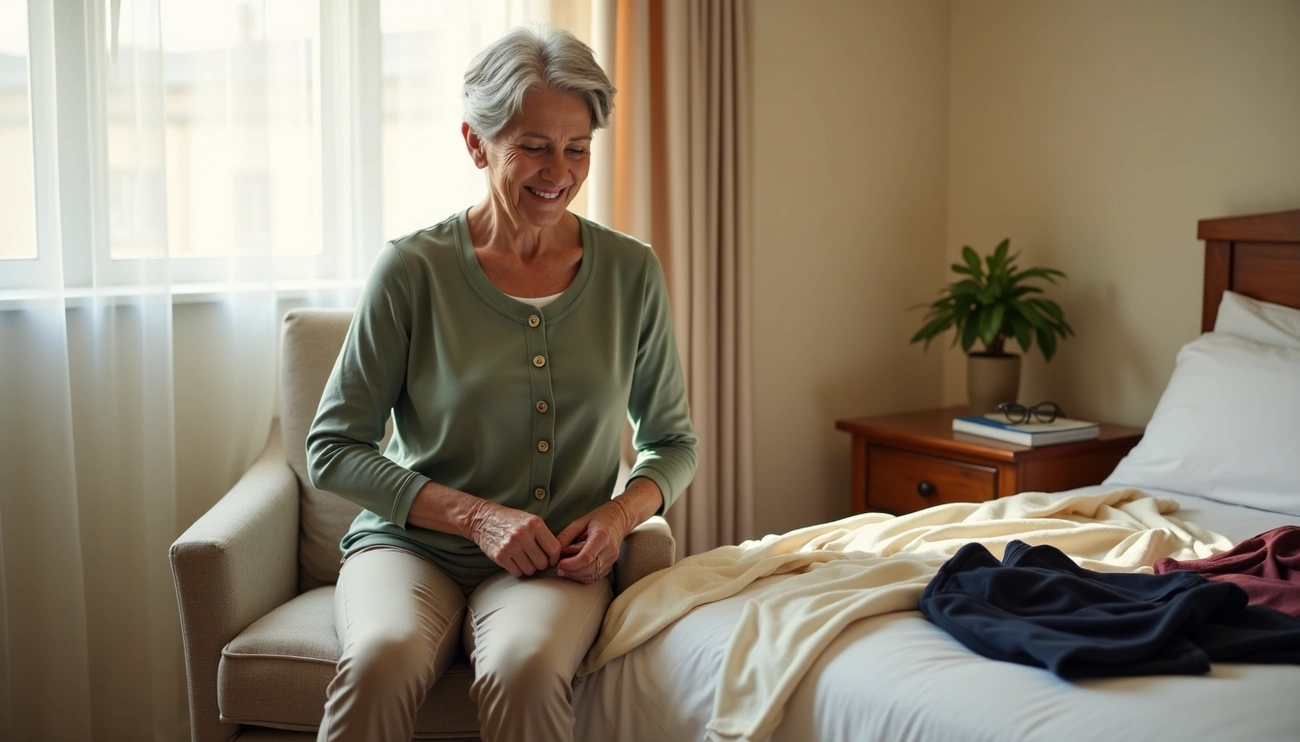
Dressing can become a daily challenge for many seniors. According to research from residential care communities in the U.S., 46 to 62 percent of residents need assistance with dressing. Joint stiffness, arthritis, and changes in dexterity can turn simple tasks like buttoning a shirt or managing a zipper into frustrating struggles.
Adaptive clothing for seniors offers practical solutions to these common dressing challenges. These specially designed garments feature magnetic closures, elastic waistbands, and pull-on styles that make getting dressed easier while preserving personal style. You may find open-back designs helpful for assisted dressing situations, or comfortable clothes for elderly women that prioritize both function and dignity.
Perhaps your loved one struggles with traditional buttons, or you’re a caregiver looking for ways to make dressing assistance easier and more dignified. This guide explores what elderly adaptive clothing offers, key features to look for when shopping, how to build a practical wardrobe, and helpful tips for caregivers supporting seniors with daily dressing needs.
What Is Adaptive Clothing and Why It Matters for Seniors
Understanding adaptive clothing basics
Adaptive clothing is specifically designed for people living with physical disabilities, mobility issues, cognitive challenges, and sensory sensitivities. These garments incorporate features that make getting dressed easier and more comfortable, such as magnetic closures instead of small buttons, side zippers, and fabrics that move with you.
Retailers typically separate adaptive clothing into two categories: assisted dressing (apparel that a caregiver helps the wearer put on) and self-dressing (apparel that a more independent wearer can put on themselves). The clothing addresses practical challenges seniors face, including:
- Velcro pants that eliminate difficult buttons
- Shoes that slip on without sacrificing support
- Dress shirts with magnetic buttons
Handling small buttons or lining up zippers can be difficult for seniors, particularly those with limited mobility or hand dexterity. Several brands now offer magnetic, snap-on, or Velcro clothing designed to enable self-dressing or make assisted dressing simpler for caregivers.
How adaptive clothing supports independence
Independence plays a crucial role in a senior’s sense of identity and well-being. The ability to dress oneself fosters confidence and preserves privacy. Designs with full-length side zippers, magnetic or Velcro fasteners, and elastic waistbands eliminate the need for bending, twisting, or fumbling with small buttons, allowing seniors who might otherwise rely on a caregiver to dress themselves.
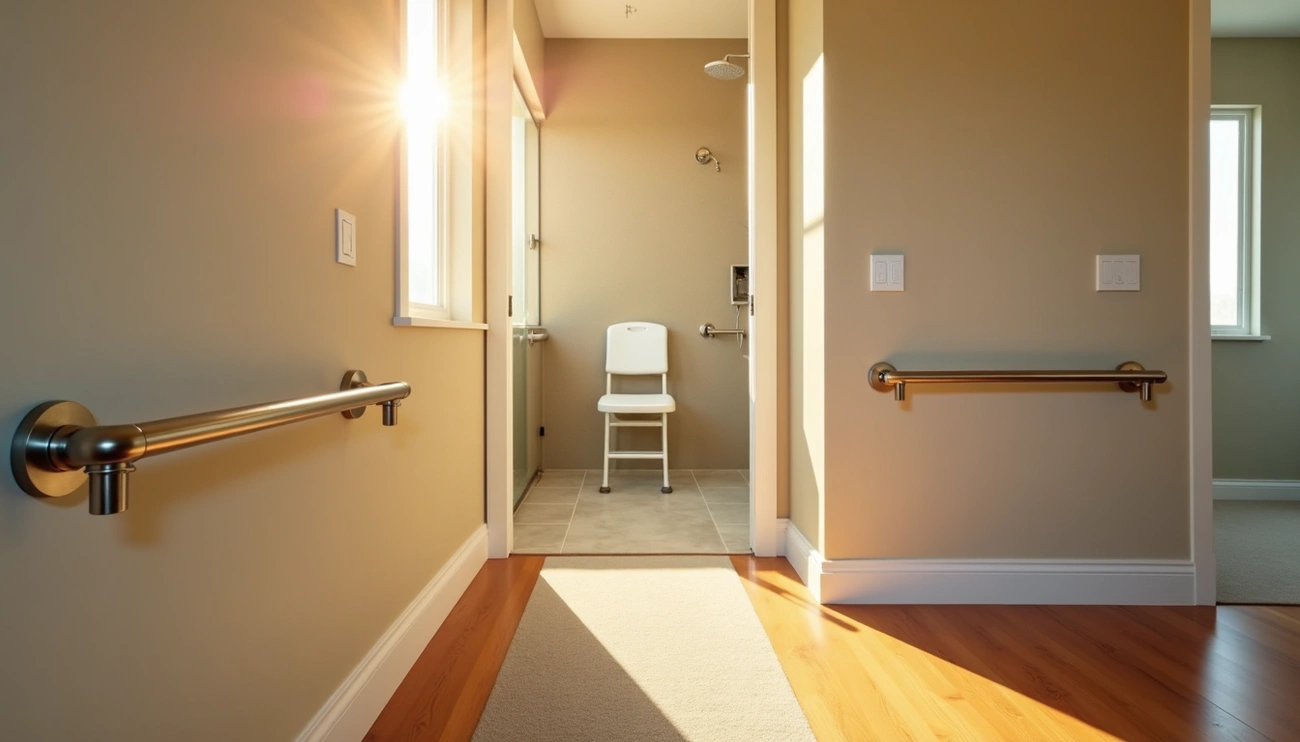
Research shows that maintaining control over personal care activities like dressing has a strong correlation with higher life satisfaction and emotional well-being in older adults. Adaptive clothing supports that autonomy by reducing dependence and minimizing the risk of falls in tight or slippery spaces like bathrooms and bedrooms.
The dignity factor in dressing
When independence may feel like it’s being lost gradually, there’s a particular challenge that comes with being unable to slip on a pair of pants or button a shirt. Adaptive wear was either institutional or completely custom and very expensive in the past. Now options exist that people would be excited about wearing, according to research that explored factors shaping one’s sense of dignity.
Adaptive clothing enables seniors to maintain their dignity by wearing clothes that suit their style and needs, which can significantly boost their self-esteem and overall sense of control.
Key Features of Adaptive Clothing for Seniors
Magnetic and Velcro closures
Magnetic closures replace traditional buttons with magnets that automatically snap together when brought close, creating secure fastening without requiring fine motor skills. The magnets align along the front of shirts, so bringing two sides of the garment together causes them to click into place automatically with no precision required. This technology extends to pants, where a magnetic fly replaces the traditional button and zipper, making bathroom visits easier and more independent.
Velcro closures work on a simple peel-and-stick mechanism that allows quick fastening and unfastening. The adjustable nature of Velcro accommodates swelling or changes in body size throughout the day. These closures eliminate the need for intricate buttons or zippers, reducing time and effort needed to dress.
Elastic waistbands and pull-on styles
Elastic waist pants fit comfortably without requiring belts or complicated fastenings. The full-elastic waistband provides stretch at the waist while ensuring pull-on pants stay in place without rolling over. This design makes dressing simpler for seniors who require assistance or experience mobility challenges.
Open-back designs for assisted dressing
Open-back garments feature snaps down the entire length, making seated dressing easier for caregivers and seniors. These designs reduce stress during assisted dressing for seniors with medical conditions, disabilities, or restricted mobility. Wheelchair users find these designs particularly helpful.
Adaptive footwear options
Adaptive shoes include Velcro straps that eliminate shoelace tying. Many styles feature expandable, stretchable, or adjustable components that accommodate swollen feet comfortably. Hook and loop closures adjust to moderate or severe swelling throughout the day.
Easy-care fabrics that simplify laundry
Adaptive garments use washable fabrics designed for frequent laundering. These durable materials withstand regular use without buttons falling off or zippers breaking, making them practical for daily wear.
Building a Practical Adaptive Wardrobe
Essential clothing pieces to start with
You don’t need to replace an entire wardrobe at once. Start with pieces that address the biggest dressing challenges first. A practical foundation includes:
- 3 to 5 comfortable bottoms — pull-on pants, soft denim, stretch skirts
- 5 to 7 tops — easy layers with comfortable necklines
- 2 to 3 layering pieces — cardigans or light jackets
- 1 to 2 event-ready outfits for special occasions
This approach makes mornings simpler, especially when caregivers help plan daily outfits.
Mix and match wardrobe planning
A capsule wardrobe with several basic pieces allows you to create multiple outfits without overwhelming choices. Focus on neutral bottoms that pair with multiple tops, then add variety through colorful shirts or accessories. This strategy provides options while keeping decisions manageable.
Comfortable clothes for elderly women for different occasions
Adaptive clothing now works for real-life activities. You may need options for dining with neighbors, attending entertainment events, participating in fitness classes, joining book clubs, or visiting local museums and restaurants. Soft, breathable fabrics work well for yoga or balance classes, while magnetic-closure blouses suit wine socials and musical matinees without appearing clinical.
Choosing the right fabrics and fit
Cotton blends offer breathability and comfort against sensitive skin, absorbing moisture and maintaining even temperature. Bamboo fabric provides silky smoothness with antibacterial properties that keep skin dry. Polyester blends with spandex add stretch for clothing that moves with changing body positions.
Consider durability when shopping — washable, wrinkle-resistant fabrics withstand frequent laundering without buttons falling off or zippers breaking.
How Caregivers Can Help with Dressing
Respecting dignity during assisted dressing
Always explain what you’re doing and ask permission before helping, even when cognitive function may be affected. Privacy matters during dressing assistance. Close doors and draw curtains to create a private space for changing clothes.
Work on one area at a time rather than completely undressing the person. This approach maintains modesty and helps preserve dignity during what can feel like a vulnerable time. Allow seniors to make clothing choices whenever possible. You might offer a choice between two shirts or let them decide the timing for getting dressed. These small decisions preserve autonomy during a deeply personal daily activity.
Tips for making dressing easier
Create a system that reduces confusion and frustration. Lay out clothing on a plain background in the proper order: underwear and socks first, followed by bottoms, then tops, and shoes last. Make sure all buttons are undone and zippers pulled down before you begin.
Establish a daily routine by helping with dressing at the same time each day. Many caregivers find that dressing right after breakfast works well because it creates predictability and reduces anxiety. Consider the environment where dressing takes place:
- Proper lighting: Ensure the room has adequate light to see clothing details clearly
- Comfortable temperature: Keep the room warm enough for changing clothes
- Seating available: Have a chair or bench nearby if balance becomes a concern
- Simple instructions: Give one-step directions when needed, such as “put your arm in the sleeve”
When to consider adaptive clothing solutions
Sometimes environmental changes and routines aren’t enough to make dressing easier. Signs that adaptive clothing might help include spending several minutes struggling with buttons or zippers, balance issues while standing to dress, or needing increasing amounts of caregiver assistance.
Adaptive clothing reduces physical strain for both seniors and their caregivers during this important daily task. When traditional clothing becomes a source of frustration despite your best efforts, adaptive features can restore independence and make assisted dressing more manageable for everyone involved.
Conclusion
Adaptive clothing can make daily dressing easier for seniors while preserving independence and dignity. The features explored in this guide, such as magnetic closures and elastic waistbands, address common dressing challenges without compromising personal style.
You don’t need to replace an entire wardrobe at once. Start with a few essential pieces that address your biggest challenges, then expand gradually as you discover what works best. The right adaptive clothing helps seniors maintain control over personal care while making caregiving easier for everyone involved.
Whether you’re researching options for yourself or a loved one, adaptive clothing offers practical solutions that can make morning routines less stressful and more manageable.
FAQs
Q1. What exactly is adaptive clothing for seniors? Adaptive clothing is specially designed apparel for people with physical disabilities, mobility issues, or cognitive challenges. These garments feature modifications like magnetic closures, Velcro fasteners, elastic waistbands, and pull-on styles that make dressing easier and more comfortable without requiring fine motor skills or complex movements.
Q2. How does adaptive clothing help seniors maintain their independence? Adaptive clothing allows seniors to dress themselves without assistance by eliminating difficult tasks like buttoning small buttons, pulling zippers, or bending and twisting. Features like magnetic fasteners and elastic waistbands enable self-dressing, which fosters confidence, preserves privacy, and supports emotional well-being by maintaining control over personal care activities.
Q3. What are the most important features to look for in adaptive clothing? Key features include magnetic or Velcro closures that replace traditional buttons, elastic waistbands and pull-on styles for easy wear, open-back designs for assisted dressing, adaptive footwear with adjustable straps, and easy-care fabrics that are durable and machine washable.
Q4. What essential pieces should I start with when building an adaptive wardrobe? Begin with 3 to 5 comfortable bottoms like pull-on pants or stretch skirts, 5 to 7 easy-to-wear tops, 2 to 3 layering pieces such as cardigans, and 1 to 2 outfits suitable for special occasions. This foundation addresses daily dressing challenges without requiring a complete wardrobe replacement.
Q5. When should caregivers consider introducing adaptive clothing solutions? Consider adaptive clothing when seniors struggle with buttons or zippers for several minutes, experience balance issues while standing to dress, or require increasing caregiver assistance. These signs indicate that adaptive features could reduce frustration and physical strain for both seniors and their caregivers during daily dressing routines.