
Affordable Home Care in Raleigh, NC: Options for Every Budget
Many families struggle to find affordable home care in Raleigh, NC while looking for quality care for their loved ones. The rising costs of senior care services push residents to look at care options that line up with their financial capabilities. The community needs care that’s available to everyone, as studies show more than 60% of Raleigh’s seniors need help with daily activities…

Many families in Raleigh struggle to find affordable home care for aging relatives. Senior care costs keep rising, and money often limits what families can actually choose. Over 60% of Raleigh's seniors need help with daily activities, but not everyone can pay for it. The gap between need and affordability is real.
Raleigh offers several home care options: professional caregivers, companionship services, and specialized programs for seniors with specific needs. This article covers in-home care, adult day centers, and partial care solutions. We'll look at affordable options, government programs, and practical steps for finding care that fits your budget.
- Raleigh has a range of home care services available, from basic support to skilled nursing. This guide walks through what's available, what it costs, and how to find providers. The goal is to give you what you need to make decisions for your family. Most seniors can stay in their own homes with the right help.
- Affordable home care services for seniors
- Government assistance programs
- Non-profit organizations
- Sliding scale fee options
- Choosing the right home care provider
- Evaluating caregiver qualifications
- Checking agency credentials
- Reading client reviews and testimonials
- Tips for reducing home care costs
- Utilizing family caregivers
- Learning about respite care options
- Looking into shared care arrangements
- Conclusion
Understanding home care options in Raleigh
Raleigh has several senior care options. Some are simple—help with housekeeping or errands. Others are more intensive. The right choice depends on what your loved one needs and what your family can manage.
In-home care in Raleigh comes in three main levels:
- Level I – Home management: housekeeping, cooking, bill paying
- Level II – Personal care: help bathing, dressing, eating
- Level III – Specialized care: support for dementia, depression, or other conditions
Adult day care centers offer part-time care, usually 4 to 12 hours a day, at about $98 per day. The state average is $1,105 monthly—less than in neighboring states. These centers combine social activities with medical oversight and serve seniors with different needs.
Assisted living facilities in Raleigh run about $3,860 per month and offer 24-hour support. The area has 50 facilities: 14 large, 3 medium, and 26 small. Some, like Cadence North Raleigh and Brighton Gardens, specialize in memory care or help with daily tasks.
Each option has trade-offs. In-home care lets seniors stay in a familiar setting. Adult day centers provide structure and social contact. Assisted living costs more but provides round-the-clock staffing. The best choice depends on the senior's needs, what the family can provide, and budget.
Affordable home care services for seniors
Raleigh seniors can access affordable care through financial assistance programs. The Special Assistance In-Home Program provides monthly cash payments and case management to help seniors stay in their homes longer.
Government assistance programs
North Carolina's Division of Aging runs several programs. The Community Alternatives Program (CAP/DA) offers Medicaid coverage for in-home care instead of nursing home placement. You typically need to meet these conditions:
- Age 65 or older (or 18–64 with a qualifying disability)
- Income at or below federal poverty level
- Need help with daily living activities
- U.S. citizenship and North Carolina residency
Non-profit organizations
Local nonprofits like Resources for Seniors offer home care assistance, adult day programs, and help with home repairs. These groups focus on keeping seniors independent and safe at home.
Sliding scale fee options
Many Raleigh providers offer rates based on household income and family size. Sliding scale fees start at $5 per session for qualifying incomes. CareYaya's student caregiver program charges $15 per hour.
The Home Care Independence Program lets you hire family or friends as caregivers while keeping costs manageable. You stay in control of care decisions. If you qualify for the CAP/DA Medicaid waiver, you can direct your own personal care services, choosing and managing your caregiver yourself.
Choosing the right home care provider
Finding the right provider takes time. You need to know what questions to ask, what credentials matter, and how to spot a trustworthy agency.
Evaluating caregiver qualifications
When hiring a caregiver in Raleigh, look for these core qualifications:
- Successful completion of state-approved training programs
- Valid certification in first aid and CPR
- Adequate physical fitness to assist patients
- Natural ability to communicate with empathy
- Clear background checks and thorough screening
Checking agency credentials
Home care agencies in Raleigh must hold a current North Carolina home care license issued by the Medical Care Commission. When evaluating an agency, confirm they have liability insurance, worker's compensation coverage, documented staff training, and regular nurse oversight of their caregivers.
Credential Type
Requirement
State License
Current NC home care license
Insurance
Liability and worker's compensation
Staff Training
Documented ongoing education
Supervision
Regular RN oversight
Reading client reviews and testimonials
Client feedback tells you a lot about how an agency actually performs. Ask the agency for references and check independent review sites. Look for patterns in what families say about caregiver reliability, responsiveness, and how well the agency handles changes in care needs.
Good agencies match caregivers and clients thoughtfully, considering personality, medical needs, and daily routines. They keep families in the loop and adjust care plans when something isn't working.
A quality agency assigns a nurse to oversee caregivers and monitor adherence to care plans. They also answer calls 24/7 for emergencies and can shift care quickly if your parent's needs change.
Ask any potential agency directly about their licenses, insurance, training programs, and costs. Reputable providers share this information openly.
Tips for reducing home care costs
Senior care expenses add up fast, but you have options to manage costs without sacrificing quality. Understanding what's available in Raleigh can make a real difference.
Utilizing family caregivers
Family members often step in as primary caregivers, which can cut costs significantly. But this only works if everyone is realistic about capacity. Set clear schedules, define who does what, have a backup plan for emergencies, and talk regularly about whether the arrangement is sustainable.
- Clear schedules and defined responsibilities
- Backup plans ready for emergencies
- Regular talks about care requirements
- Realistic goals for time commitments
Learning about respite care options
Respite care gives family caregivers a break and costs less than full-time agency care. Agencies in Raleigh offer flexible schedules—a few hours a week, or longer stretches when you need it—so you can match care to your budget and situation.
Care Type
Duration
Average Cost
Hourly Care
2-4 hours
$15-20/hour
Daily Care
8-12 hours
$120-180/day
Weekly Care
40 hours
$600-800/week
Looking into shared care arrangements
Shared care arrangements can lower costs while keeping seniors covered. CareYaya matches seniors with nursing and pre-med students from Duke, UNC, and NC State who charge around $15 an hour—significantly less than traditional home care agencies.
You can save further by combining approaches. Student caregivers might cover daytime hours while family handles evenings and weekends. Insurance can help too: private insurance, Medicaid, and veterans' benefits may cover home care, and long-term care insurance specifically includes these services.
Raleigh's agencies also offer transitional care for seniors leaving the hospital. These programs start intensive and taper down as the person regains independence.
Conclusion
Raleigh has senior care options across different budgets and needs. Professional agencies, government programs, and newer arrangements like shared care all exist. Many providers offer sliding-scale fees or special programs, so income level does not have to be a barrier.
Start by checking provider licenses and asking what assistance programs apply to your situation. Raleigh has enough options that most families can find something workable if they spend time comparing them.
Get matched
Looking for senior care for someone you love?
Tell us what you're considering. We'll share independent matches and pricing directly with you. No phone calls until you ask for one.
- Takes about two minutes to complete.
- Pricing details emailed to you. No phone calls until you ask for one.
- Independent matching. We do not own the communities we list.
Loading the matching form…
Powered by SilverAssist. By submitting this form you agree to our privacy policy.
More from our editors
All articles
Best Weekend Trips and Short Getaways for Seniors
The best weekend trips for seniors are short, close to home, and built around one relaxed idea. Here are the kinds of short getaways that work well for older travelers, with real examples and how to plan one.
Hospital Discharge Planning for Seniors: A Family Guide
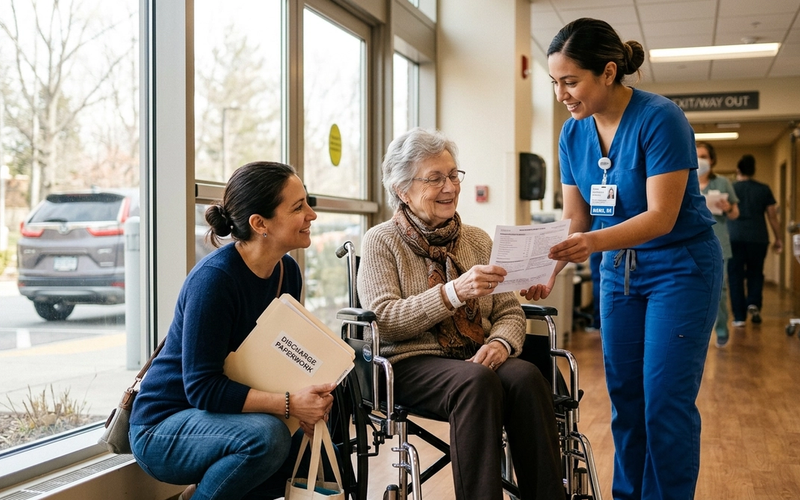
A hospital discharge for an older parent is a decision, not just a notice. Here is how discharge planning actually works, where families have leverage, and how to appeal a discharge you think is unsafe.

OTC Hearing Aids for Seniors: A 2026 Buyer's Guide
Over-the-counter hearing aids let adults with mild to moderate hearing loss skip the clinic and buy directly. Here is what they cost, who they fit, who should avoid them, and how they compare with prescription devices.
Explore senior living options
Comparing care for yourself or a family member? Browse communities by care type and see what each option typically costs.
- Assisted livingHelp with daily activities, costs, and how to choose a community.
- Independent livingMaintenance-free communities for active older adults.
- Home careIn-home support for seniors aging in place.
- Nursing homesSkilled nursing care and Medicare star ratings.
- Senior apartmentsAge-restricted, budget-friendly rental housing.
- Cost of senior livingCompare typical monthly prices by care type and state.