
Alcohol and Aging: Your Essential Safety Guide for the Golden Years
Alcohol and aging present serious health concerns that many people don’t recognize until they reach their later years. Alcohol use is rising among older adults, even though alcohol ranks as the third leading preventable cause of cancer in the U.S.. Understanding these risks becomes crucial for anyone in their golden years. Your body responds differently to alcohol…

Alcohol and aging create serious health concerns that many people don't fully grasp until they're older. Drinking is increasing among seniors, even though alcohol is the third leading preventable cause of cancer in the U.S. Understanding these risks matters.
Your body handles alcohol differently as you age. Older adults feel alcohol's effects more intensely than younger people do. That's because aging slows your metabolism and changes your body composition, both of which affect how alcohol moves through your system. Drinking can trigger or worsen mental health problems. Most doctors recommend that people over 60 avoid alcohol entirely.
Heavy drinking later in life carries real consequences. It's linked to faster cognitive decline—affecting memory, thinking, and judgment. Women may face greater risks than men. Even one drink a day increases mortality risk for older adults with existing health conditions or limited income.
This guide explains what happens when older adults drink and what specific risks emerge. You'll find signs of alcohol problems in seniors and guidance on talking to a doctor. We also cover treatment options. If you're worried about your own drinking or a family member's, this information can help you understand the stakes.
- How Alcohol Affects the Aging Body
- As you age, your body processes alcohol less effectively, making you more vulnerable to its effects. The main reason: you have less water in your body. Since alcohol dissolves in water, less water means the alcohol concentrates more heavily in your bloodstream. You end up with a higher blood alcohol level (BAC) after the same amount a younger person drinks. Your liver also metabolizes alcohol more slowly with age, so it stays in your system longer. Less muscle mass compounds the problem. The result is that older adults feel alcohol's effects much faster and harder.
- Changes in body composition and metabolism
- At what age should you stop drinking alcohol?
- Health risks of alcohol in older adults
- Increased risk of falls and injuries
- Worsening of chronic conditions like diabetes and heart disease
- Alcohol and cancer risk in the elderly
- Aging effects of alcohol on the brain
- Mental health and emotional triggers
- Loneliness and isolation
- Grief and loss
- Using alcohol to cope with stress or boredom
- How alcohol worsens depression and anxiety
- Recognizing and addressing alcohol misuse
- Signs of alcohol abuse in older adults
- How alcohol interacts with medications
- When to talk to a doctor
- Support groups and treatment options
- Conclusion
- Key takeaways
- FAQs
How alcohol affects the aging body
Your relationship with alcohol changes as you get older. Many seniors don't realize that their favorite drink affects them differently at 65 than it did at 45. Several physical factors make drinking riskier with age.
Your body holds less water as you age. Younger bodies have more water to dilute alcohol. When you have less water, the alcohol becomes more concentrated in your bloodstream. You get drunk faster and feel stronger effects, even from small amounts. For seniors, this means even modest drinking carries real consequences.
Your liver also works more slowly. After drinking the same amount as a younger person, you'll have a higher blood alcohol level. Because your liver processes alcohol less efficiently, it stays in your system longer. One or two drinks can leave you feeling disoriented, dizzy, or tired. That increases your risk of falls and injuries.
Changes in body composition and metabolism
As you age, your body fat increases while muscle and water decrease. Since water dilutes alcohol in your blood, less water means alcohol gets more concentrated. Your metabolism also slows down, keeping alcohol in your body longer.
The enzyme that breaks down alcohol (alcohol dehydrogenase) becomes less active with age. This means higher peak blood alcohol levels compared to younger people drinking the same amount. Seniors with heavy drinking patterns also tend to have less physical activity than non-drinkers.
At what age should you stop drinking alcohol?
No single age applies to everyone. The National Institute on Alcohol Abuse and Alcoholism recommends that healthy adults over 65 who don't take medications limit themselves to no more than seven drinks a week, with no more than three on any single day. Some experts are stricter. One dementia specialist recommends that people 65 or older eliminate alcohol completely.
The World Health Organization says there is no safe amount of alcohol for older adults with age-related health vulnerabilities. If you take medications, be especially cautious: one study found that one in five older drinkers took medications that interact negatively with alcohol.
Health risks of alcohol in older adults
Alcohol poses much greater risks for older adults than for younger people. Even moderate drinking can cause serious problems for seniors.
Increased risk of falls and injuries
Falls are a major concern when older adults drink. Older drinkers are 2.3 times more likely to have falls requiring emergency care than non-drinkers. The risk jumps higher with heavier drinking. Those who get drunk monthly or more frequently have 10.2 times higher risk of fall injuries.
Falls are the leading cause of injury-related death in older people. They often result in:
- Bone fractures that heal slowly
- Head trauma requiring hospitalization
- Loss of independence due to injury complications
- Extended recovery periods that affect overall health
Worsening of chronic conditions like diabetes and heart disease
Alcohol makes it harder to manage chronic conditions common in older adults. For people with diabetes, drinking disrupts blood sugar control and can cause dangerous low blood sugar. That's because your liver prioritizes processing alcohol over maintaining steady glucose levels.
Heart problems also get worse with drinking. Heavy alcohol use causes high blood pressure, heart failure, and increased stroke risk. If you already have heart disease, alcohol creates a vicious cycle that worsens high blood pressure.
Alcohol and cancer risk in the elderly
Cancer risk rises significantly with regular drinking among seniors. About 5% of all new cancer cases in the U.S. are linked to alcohol. Even light drinking poses risks. For example, women who drink just one drink a day have higher breast cancer risk than those who drink less than once a week.
Alcohol increases risk for several cancer types:
- Mouth and throat cancers
- Voice box and esophageal cancers
- Liver cancer
- Breast cancer
- Colorectal cancer
Aging effects of alcohol on the brain
Regular drinking accelerates brain aging. Even moderate consumption of 1–2 drinks daily can shrink overall brain volume. Alcohol causes white matter loss, decreased brain volume, and neuronal death, potentially speeding up normal brain aging.
Some studies suggest light drinking might have minor cognitive benefits, but heavy drinking clearly increases dementia risk. The brain changes from alcohol use stack on top of the normal cognitive changes that come with aging.
Mental health and emotional triggers
Emotional pain often pushes older adults to drink more. Recognizing these triggers helps you understand when drinking becomes a concern for yourself or someone you care about.
Loneliness and isolation
Social isolation makes seniors vulnerable to drinking problems. Lonely men drink more and engage in riskier drinking patterns than lonely women. The COVID-19 pandemic made this clear. Older adults who felt isolated were nearly twice as likely to drink more than those who rarely felt isolated (19% versus 10%).
Grief and loss
Losing a spouse or close family member raises the risk of drinking problems. About 1 in 10 bereaved adults experience prolonged grief. Widowers are especially vulnerable to drinking heavily. Bereavement increases alcohol consumption more in men than women, particularly for those over 75, who have very high rates of alcoholism.
Using alcohol to cope with stress or boredom
Retirement can bring unexpected emotional challenges. Many seniors struggle with boredom, loss of purpose, or financial worries after leaving work. About 5% more retirees become heavy drinkers within their first year of retirement. Some turn to drinking to fill empty hours or manage stress from major life changes.
How alcohol worsens depression and anxiety
Alcohol may feel like it eases emotional pain, but it actually makes mental health problems worse over time. Heavy drinking triggers depression by disrupting brain chemicals like dopamine and GABA receptors. Even moderate drinking can reduce how well antidepressants work. This creates a trap: people drink to manage depression that alcohol is actually making worse.
Recognizing and addressing alcohol misuse
Knowing the warning signs of alcohol misuse in seniors helps you act. Recognizing these signs gets an older loved one the care they need.
Signs of alcohol abuse in older adults
Several warning signs may point to alcohol problems in seniors. Physical and behavioral indicators include:
- Memory loss, depression, and anxiety
- Poor appetite and unexplained bruises
- Neglect of personal hygiene
- Hiding drinking or increased isolation
- Injuries while drinking
- Drinking to cope with emotions
Declining self-care, building tolerance for alcohol, or seeming drunk often suggest problematic drinking. These signs can develop slowly, making them easy to miss at first.
How alcohol interacts with medications
Mixing alcohol and medications creates serious risks for older adults. Among at-risk drinkers, 42.2% were taking medications that could interact dangerously with alcohol. Common dangerous combinations include:
- Alcohol with sedatives (increased drowsiness)
- Anticoagulants and alcohol (excessive bleeding)
- Pain medications combined with alcohol
Even aspirin with alcohol increases stomach bleeding risk. Always check with your doctor about potential interactions between your medications and alcohol.
When to talk to a doctor
A gentle, non-judgmental approach works best when discussing drinking concerns. Doctors should screen older patients regularly, since 10% to 15% of older adults in primary care struggle with alcohol. Yet fewer than 1 in 10 people with alcohol problems ever get treatment.
If you notice warning signs in yourself or a loved one, schedule an appointment with your primary care doctor. They can assess the situation and recommend next steps.
Support groups and treatment options
Older adults struggling with drinking have several options. These include behavioral therapy, FDA-approved medications, and support groups. Alcoholics Anonymous and other peer groups offer social support. Among long-term AA participants, 81% achieve abstinence.
Other support options include:
- SMART Recovery
- Women for Sobriety
- Secular Organizations for Sobriety
Finding the right mix of support and treatment often takes trying different approaches to see what works for you.
Conclusion
Understanding how alcohol affects older adults matters. Aging changes how your body processes alcohol, making you more sensitive to its effects and increasing health risks significantly.
Alcohol gets more dangerous as you age. Regular drinking leads to more frequent and serious falls. It worsens existing health conditions and makes your brain age faster. Emotional challenges like loneliness and grief can make alcohol seem like an answer, but it actually creates more problems.
Catching warning signs early helps you take action. Watch for memory problems, unexplained injuries, changes in self-care, and dangerous interactions with medications. Doctors, treatment programs, and support groups like Alcoholics Anonymous offer real help when you need it.
Many people assume moderate drinking stays safe at any age, but research says otherwise. For many older adults—especially those with health conditions or taking medications—avoiding alcohol completely may be the safest choice. There is no truly safe amount for those with age-related health concerns.
Taking action makes a difference, whether you're concerned about yourself or a family member. Talk openly with your doctor, explore available support, and make informed decisions about drinking. Understanding these risks helps you maintain better health and quality of life as you age.
Key takeaways
To stay healthy and safe as you age, understand how alcohol affects your body. Here's what matters:
• Aging bodies process alcohol differently: Slower metabolism and less water mean seniors feel alcohol's effects faster and longer than younger adults.
• Health risks multiply with age—Alcohol increases fall risk 2.3 times, worsens chronic conditions like diabetes and heart disease, and speeds up brain aging.
• Emotional triggers drive misuse: Loneliness, grief, and retirement stress often lead seniors to use alcohol as a coping tool, creating dangerous cycles.
• Medication interactions are dangerous—Over 40% of at-risk older drinkers take medications that interact dangerously with alcohol, including blood thinners and pain medications.
• Professional help is available—Warning signs include memory loss, unexplained injuries, and declining self-care; treatment options include behavioral therapy, support groups, and medical care.
The safest approach for many adults over 65, especially those with health conditions or taking medications, may be complete abstinence. Early recognition and intervention greatly improve quality of life for older adults.
FAQs
Q1. How does alcohol affect older adults differently than younger people?
As you age, your body processes alcohol less efficiently. Older adults have higher blood alcohol levels and feel the effects faster due to changes in body composition and slower metabolism. This increases risks of falls, injuries, and other health problems.
Q2. Is there a safe amount of alcohol for seniors to consume?
There is no universally safe amount. The National Institute on Alcohol Abuse and Alcoholism recommends that healthy adults over 65 who don't take medications limit themselves to no more than seven drinks a week, with no more than three on any single day. For those 65 or older with health issues or who take medications, avoiding alcohol entirely may be best.
Q3. What are the main health risks of alcohol consumption for older adults?
Main risks include increased fall and injury risk, worsening of chronic conditions like diabetes and heart disease, higher cancer risk, and accelerated brain aging. Alcohol also interacts dangerously with medications commonly used by seniors.
Q4. How can I recognize signs of alcohol misuse in an older adult?
Signs include memory loss, depression, anxiety, poor appetite, unexplained bruises, neglect of hygiene, hiding drinking habits, increased isolation, and frequent injuries. Declining self-care and appearing drunk often are also warning signs.
Q5. What support options are available for older adults struggling with alcohol misuse?
Support includes behavioral therapy, FDA-approved medications, and support groups like Alcoholics Anonymous. Other options are SMART Recovery, Women for Sobriety, and Secular Organizations for Sobriety. Ask your doctor for personalized treatment recommendations.
Frequently asked questions
Get matched
Looking for senior care for someone you love?
Tell us what you're considering. We'll share independent matches and pricing directly with you. No phone calls until you ask for one.
- Takes about two minutes to complete.
- Pricing details emailed to you. No phone calls until you ask for one.
- Independent matching. We do not own the communities we list.
Loading the matching form…
Powered by SilverAssist. By submitting this form you agree to our privacy policy.
More from our editors
All articles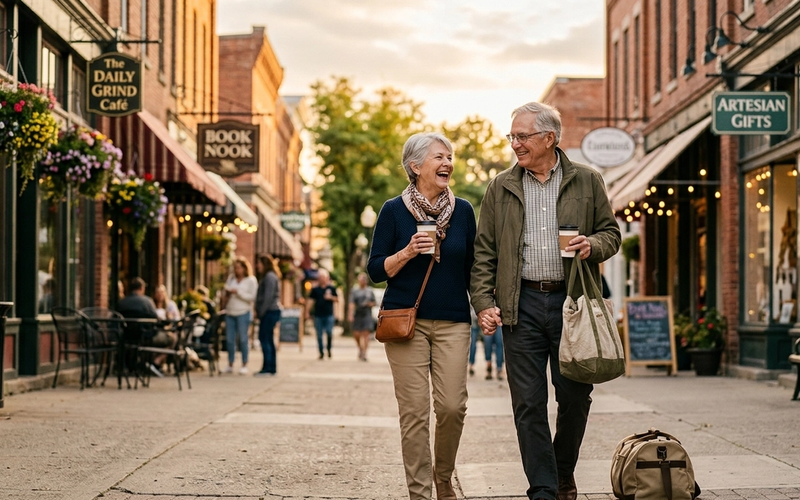
Best Weekend Trips and Short Getaways for Seniors
The best weekend trips for seniors are short, close to home, and built around one relaxed idea. Here are the kinds of short getaways that work well for older travelers, with real examples and how to plan one.
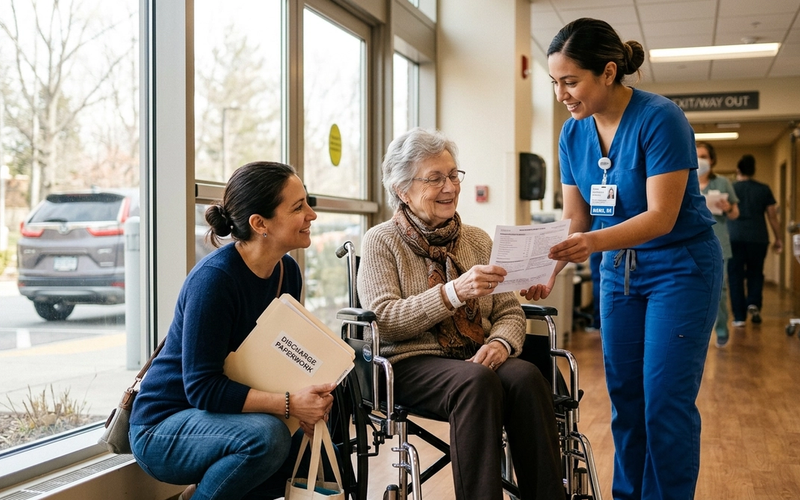
Hospital Discharge Planning for Seniors: A Family Guide
A hospital discharge for an older parent is a decision, not just a notice. Here is how discharge planning actually works, where families have leverage, and how to appeal a discharge you think is unsafe.
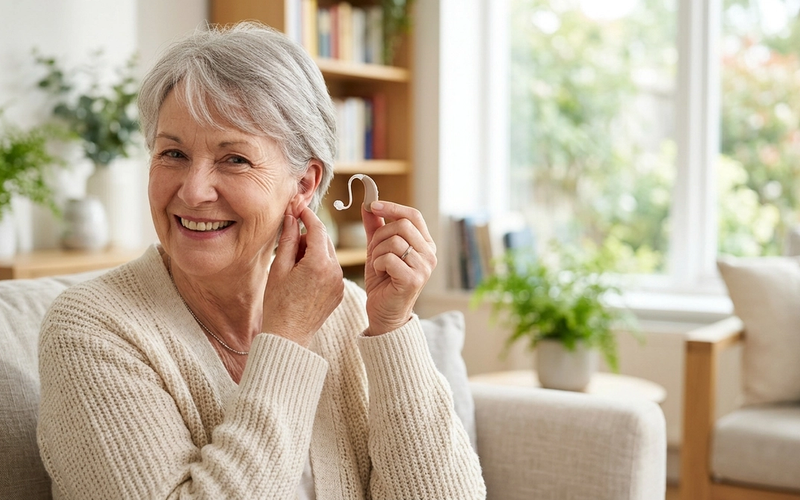
OTC Hearing Aids for Seniors: A 2026 Buyer's Guide
Over-the-counter hearing aids let adults with mild to moderate hearing loss skip the clinic and buy directly. Here is what they cost, who they fit, who should avoid them, and how they compare with prescription devices.
Explore senior living options
Comparing care for yourself or a family member? Browse communities by care type and see what each option typically costs.
- Assisted livingHelp with daily activities, costs, and how to choose a community.
- Independent livingMaintenance-free communities for active older adults.
- Home careIn-home support for seniors aging in place.
- Nursing homesSkilled nursing care and Medicare star ratings.
- Senior apartmentsAge-restricted, budget-friendly rental housing.
- Cost of senior livingCompare typical monthly prices by care type and state.