
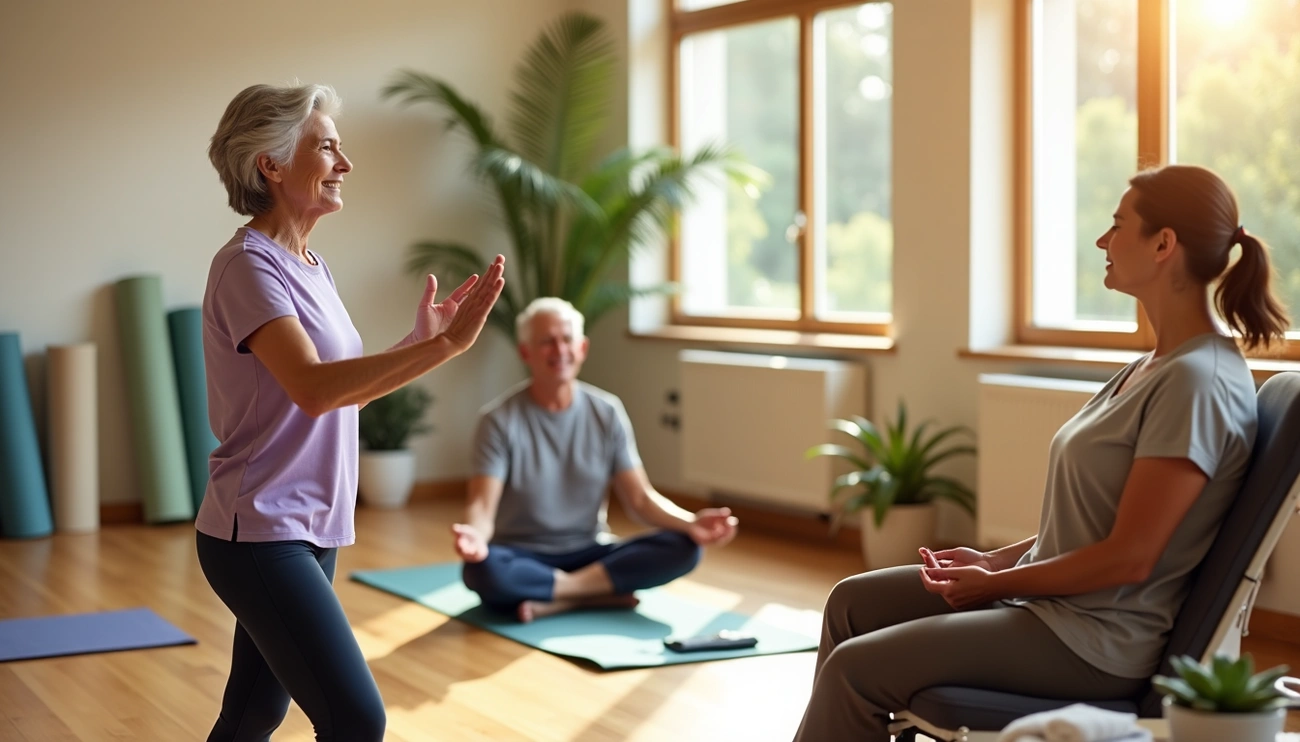
Chronic pain affects more than 50 million adults across the United States, with many seeking alternative therapies for pain as practical solutions. Among Americans over 65, approximately 65% report experiencing pain lasting three months or longer. Research indicates that between 59 and 90% of patients who try alternative medicine for pain find these approaches helpful.
This guide explores evidence-based natural pain management options that can help you find relief without relying solely on medications. You’ll discover how acupuncture, massage therapy, gentle movement practices, and mindfulness techniques work for seniors dealing with chronic pain. The guide covers the benefits of non-pharmacological interventions for pain, important safety considerations for older adults, and practical steps for creating a personalized plan that combines multiple alternative therapies for effective pain relief.
Understanding Alternative Therapies for Pain Relief in Seniors
What are alternative therapies
Alternative therapies for pain refer to diverse medical and healthcare practices not presently considered part of conventional medicine . The National Center for Complementary and Integrative Health classifies most complementary health approaches into two subgroups: natural products (herbs, vitamins, minerals, probiotics sold as dietary supplements) and mind-body practices (yoga, meditation, massage therapy, acupuncture, tai chi) .
These approaches share a common philosophy based on the belief that the body has the power to heal itself . Treatment focuses on your individual symptoms and circumstances, often using techniques that address the mind, body, and spirit together.
According to a 2012 national survey, more than 30 percent of adults use health care approaches that are not typically part of conventional medical care . These therapies have moved from alternative options to mainstream consideration, particularly for managing conditions where conventional medicine offers management rather than cure.
Why seniors turn to natural pain management
Older adults choose non-pharmacological interventions for pain for several practical reasons. These measures have a lower frequency of adverse reactions compared with pharmacologic approaches . Since older adults often manage multiple health conditions and medications, reducing the risk of drug interactions becomes essential.
Most people use alternative medicine for pain to treat musculoskeletal conditions or issues associated with chronic or recurring pain . Effective non-pharmacological approaches include physical therapy, cognitive behavioral therapy, and patient education interventions . These strategies work best when combined with conventional treatments rather than used alone.
How alternative medicine differs from traditional treatments
Understanding terminology helps clarify your options. Alternative medicine refers to therapeutic approaches used in place of conventional medicine . Complementary medicine describes therapies used together with conventional treatments . Integrative medicine combines mainstream medical therapies and complementary approaches in a coordinated way .
The fundamental difference lies in approach. Alternative therapies for pain management emphasize treating you as a whole person rather than focusing solely on symptoms . Traditional medicine typically targets specific conditions with standardized protocols, while alternative approaches individualize treatment based on your unique circumstances and needs.
Most people who use non-mainstream approaches also use conventional health care . The question isn’t choosing one over the other but understanding how different approaches can work together for better pain management outcomes.
Evidence-Based Alternative Therapies for Seniors
Clinical research supports several alternative therapies for pain relief with measurable outcomes for older adults. These approaches offer natural pain management options backed by scientific trials.
Acupuncture for chronic pain
The BackInAction trial enrolled 800 adults aged 65 and older with chronic low back pain. At six months, those receiving standard acupuncture showed significantly better disability scores compared to usual medical care, with 39.1% experiencing clinically meaningful improvements versus 29.4% in the control group. Enhanced acupuncture with maintenance sessions achieved 43.8% improvement rates. Benefits persisted at 12 months, with serious adverse events remaining below 1%. Acupuncture has been recommended as first-line care for treating chronic low back pain by the American College of Physicians.
Massage therapy for muscle and joint pain
Research demonstrates massage offers significant relief for arthritis-related pain. A 2018 trial found that 200 patients with knee osteoarthritis receiving weekly one-hour whole-body massages experienced substantial improvement in pain and mobility after eight weeks. For hand arthritis, daily 15-minute moderate-pressure massage reduced pain up to 57% while improving grip strength. Moderate pressure proves critical, as it stimulates pressure receptors that signal the brain to release pain-relieving neurochemicals like serotonin.
Tai chi and gentle movement practices
Tai chi significantly lowers pain severity and interference while reducing fear of falling in older adults with multisite pain. A fibromyalgia study found participants practicing tai chi twice weekly for 12 weeks reported less pain, fewer depression symptoms, and better sleep than control groups. The practice strengthens stabilizing muscles and improves body awareness, making it effective for fall prevention.
Yoga for flexibility and pain reduction
Studies show yoga proves as effective as physical therapy for chronic low back pain. Gentle yoga helps increase mobility, improve balance, and reduce joint pain, with one in three seniors experiencing falls annually. The practice builds proprioception and strengthens core and lower body muscles without straining joints.
Mindfulness and meditation techniques
An eight-week mindfulness meditation program for older adults with chronic low back pain showed 81% completion rates, with participants meditating an average of 4.3 days per week. Pain acceptance scores significantly improved, as did physical function. Research indicates mindfulness meditation can reduce chronic pain by 57%, and by over 90% in those who master the practice.
Physical therapy and therapeutic exercise
Physical activity improves pain severity and physical function across multiple chronic pain conditions. Exercise programs incorporating aerobic, strength, flexibility, and balance training show small to moderate effect sizes in reducing pain. Even two minutes of daily resistance exercise can ease pain effectively.
Benefits and Safety Considerations for Older Adults
Key benefits of non-pharmacological interventions for pain
Nonpharmacological interventions offer measurable improvements for older adults managing chronic pain. Research shows these approaches provide statistically significant benefits, with reductions in pain intensity, pain interference, and depressive symptoms. Standardized mean differences range from -0.34 to 0.54, indicating meaningful clinical improvements.
Alternative therapies for pain deliver additional advantages beyond symptom relief:
- Improved Physical Performance: Studies document better physical function outcomes when seniors use alternative pain management approaches
- Multiple Treatment Options: Exercises, cognitive behavioral interventions, mind-body practices, and acupuncture all show potential for managing both pain intensity and interference
- Enhanced Daily Function: Many seniors report better ability to perform activities they enjoy when using these natural approaches
Reduced medication dependence and side effects
Medication-related risks create serious concerns for older adults. Nonsteroidal anti-inflammatory drugs can cause gastrointestinal bleeding, kidney problems, and fluid retention. Opioids present even greater dangers, including increased risks for falls, fractures, cognitive impairment, pneumonia, and mortality when not carefully monitored.
Consider these medication statistics: More than 66% of older adults use three or more prescription drugs within a 30-day period. Natural pain management approaches offer safer alternatives to this medication burden. Research shows that older adults using opioids who participated in interdisciplinary pain programs successfully stopped opioid use while achieving better functional outcomes.
Important safety guidelines for seniors
Alternative therapies generally offer safer options, but certain precautions apply to older adults. Age-related changes require special consideration during treatment:
- Bone Health: Older bones become more brittle and may fracture under stress during certain chiropractic treatments
- Tissue Fragility: Special care becomes necessary during massage therapy to prevent injury due to reduced muscle mass and tissue changes
- Gradual Introduction: Start slowly with new therapies and increase intensity gradually
When to consult your healthcare provider
Less than 20% of people discuss integrative health strategies with their primary care providers, yet this conversation remains essential. You should talk with your doctor before starting any complementary therapy to ensure it’s appropriate for your specific health conditions and current medications.
Your healthcare provider can help you:
- Identify which therapies work best with your current treatment plan
- Avoid potential interactions with medications
- Monitor your progress and adjust approaches as needed
- Connect you with qualified practitioners in your area
Creating Your Personalized Pain Management Plan
Assessing which therapies suit your needs
Understanding your pain patterns forms the foundation of effective natural pain management. Pain is subjective, whatever you say it is, making accurate evaluation the most critical step. Keep a pain diary tracking episodes, causative factors, and what provides relief. Note how pain interferes with daily activities like gardening, walking, or spending time with grandchildren.
Self-report tools such as the Numeric Rating Scale (0-10) work well for most seniors, whereas a Verbal Descriptor Scale using words like “mild” or “distressing” may feel more intuitive. Consider factors like your current activity level, other health conditions you manage, and your comfort level with different types of treatments when choosing which therapies to try.
Finding qualified practitioners
The National Center for Complementary and Integrative Health does not provide referrals to private practitioners. For a list of practitioners in your area, contact your doctor or a local hospital, as professional organizations also may be useful places to find complementary health practitioners. Licensed acupuncturists hold at least a Master’s degree, with acupuncture requiring three years of post-graduate study.
You can also ask friends and family members for recommendations, particularly those who have tried similar treatments. Many senior centers and community health organizations maintain lists of qualified practitioners who specialize in working with older adults.
Combining multiple approaches for better results
Unlike medications, you can add various integrative approaches one or more at a time. The stacking principle shows that combination often works better than any single approach with minimal risks. Participants described integrative options as a long-term approach rather than a short-term medical intervention.
Start with one or two therapies that appeal to you most, then gradually add others as you become comfortable with your routine. Many people find success combining gentle movement practices like tai chi with mindfulness techniques, or pairing regular massage with therapeutic exercises.
Setting realistic expectations and timelines
Patients typically have modest expectations for outcomes from alternative therapies for pain. Participants generally do not expect pain to disappear, but instead talk about relief or pain “subsiding” or “lessening”. Expectations tend to shift over time to include broader lifestyle factors and the need for long-term pain management strategies.
Allow at least 6-8 weeks to evaluate whether a particular therapy works for you. Some approaches, like meditation or gentle yoga, may show benefits within a few weeks, while others, such as acupuncture or massage therapy, might require several sessions before you notice improvements.
Bottom Line
Alternative therapies for pain provide safer options for seniors seeking relief from chronic discomfort. Research supports the effectiveness of acupuncture, massage therapy, tai chi, and mindfulness practices when used consistently over time. You may find the greatest benefit comes from combining several approaches rather than depending on a single method.
Start your pain management plan by talking with your healthcare provider about which therapies might work best for your specific conditions. Then gradually introduce techniques that match your physical abilities and daily routine. Keep in mind that natural pain management requires patience and regular practice to achieve lasting results, but many seniors find these approaches offer meaningful improvement in their quality of life.
FAQs
Q1. Is acetaminophen the safest pain relief option for older adults? Acetaminophen is generally considered one of the safer pain relievers for seniors because it doesn’t cause stomach pain, bleeding, or the gastrointestinal issues associated with other medications. However, it’s important to consult your healthcare provider before starting any pain management regimen to ensure it’s appropriate for your specific health conditions.
Q2. Can chronic pain be managed without relying on medications? Yes, chronic pain can often be effectively managed through non-medication approaches. Physical therapy, mindfulness meditation, gentle exercise programs, acupuncture, and lifestyle modifications have all shown significant benefits in reducing pain and improving quality of life. Research indicates that combining multiple alternative therapies often produces better results than using any single approach alone.
Q3. What is the holistic approach to treating pain in seniors? The holistic approach treats you as a whole person rather than focusing solely on symptoms. It emphasizes the body’s natural ability to heal itself and typically combines mind-body practices like yoga, tai chi, meditation, and massage therapy with physical interventions such as therapeutic exercise. This individualized treatment addresses physical, mental, and emotional aspects of pain simultaneously.
Q4. How effective are natural remedies compared to traditional pain medications? Studies show that between 59 and 90% of patients using alternative medicine for pain found these approaches helpful. While natural therapies may not eliminate pain completely, they provide meaningful relief with fewer side effects than long-term medication use. Many seniors experience reduced pain intensity, improved physical function, and better quality of life when consistently using evidence-based alternative therapies.
Q5. Should I discuss alternative pain therapies with my doctor before trying them? Absolutely. Less than 20% of people discuss integrative health strategies with their primary care provider, yet it’s essential to do so. Your doctor can help ensure that alternative therapies are safe and appropriate for your specific health conditions, medications, and overall treatment plan, especially since some therapies may require special precautions for older adults.