
Best Indoor Hobbies for Seniors at Home: Your Guide to an Active Retirement
Staying active through hobbies for seniors at home offers significant benefits for older adults. According to the National Institute on Aging, seniors who maintain an active lifestyle live longer, think better, and show greater resilience-most importantly, they report higher levels of happiness. Finding activities that bring joy serves a purpose beyond entertainment; it’s essential for maintaining mental and…

Staying active with hobbies at home benefits older adults. Research from the National Institute on Aging shows that active seniors tend to live longer, think more clearly, and recover from setbacks more easily. Many report higher life satisfaction. Activities you enjoy do more than fill time—they help maintain your mental and emotional health.
Retirement is a major life shift. Many newly retired people find they have more free time than expected, which can feel disorienting when your days no longer revolve around work. Your social circle changes too. You might wonder how to structure your time meaningfully or stay connected when the built-in relationships that work provided disappear.
This guide covers practical indoor hobbies you can do at home. The right activity gives your days structure and purpose. It can introduce you to people who share your interests and spark curiosity about new subjects. Whether you're returning to something you loved years ago or trying something entirely new, hobbies support your mental, emotional, and physical health.
- Creative indoor hobbies to spark joy
- Painting and drawing
- Knitting and crocheting
- Scrapbooking and card making
- Soap and candle making
- Coloring books for adults
- Intellectual hobbies to keep the mind sharp
- Reading and joining book clubs
- Learning a new language
- Genealogy and family tree research
- Online courses and lectures
- Relaxing activities for a peaceful day
- Listening to audiobooks or podcasts
- Watching documentaries or classic films
- Meditation and mindfulness
- Indoor gardening and plant care
- Social indoor hobbies to stay connected
- Video calls and virtual meetups
- Board games and card nights
- Finding online discussion groups
- Remote volunteering opportunities
- Tech and modern hobbies for seniors
- Playing video games
- Digital photography and editing
- Blogging or journaling online
- Exploring virtual museum tours
- Bottom line
- Key takeaways
- FAQs
Creative indoor hobbies to spark joy
Creative activities make time at home more meaningful. For many seniors, these hobbies provide engagement along with benefits for mental and emotional health.
Painting and drawing
Art activities help older adults. Painting and drawing ease anxiety and encourage creativity through their calm, meditative quality. They maintain fine motor skills and hand-eye coordination. A study in *PNAS* found that people who engaged in artistic pursuits in middle age and beyond were significantly less likely to develop memory and thinking problems linked to dementia.
You can start simply with basic watercolors, acrylics, or pencils and a subject that interests you. Many seniors find landscape painting calming, while others prefer portraits of family members or pets.
Knitting and crocheting
The repetitive motions of knitting and crocheting create a meditative rhythm. Many people find these textile crafts deeply satisfying. The steady movements keep finger joints active and may ease arthritis. They also demand focus in a way that quiets mental chatter and reduces stress. Over time, these activities support memory and cognitive function.
If you're beginning, start with medium-sized needles (sizes 7-9) and light-colored, medium-weight yarn—easier to work with while learning. Finished projects make good gifts and give you a tangible reason to keep going.
Scrapbooking and card making
Scrapbooking preserves memories while engaging your creativity. The act of arranging photos and writing captions exercises fine motor skills and memory. For people with memory challenges or early dementia, it can be particularly grounding—a way to hold onto important moments.
Handmade greeting cards are a simple way to stay connected. Card-making builds creativity and fine motor control, and the act of sending something you made yourself combats loneliness. All you need are blank cards, stamps, and decorative paper to start.
Soap and candle making
Making soaps and candles engages multiple senses. You experiment with scents, shapes, and colors, and the process is simple enough to follow step-by-step. People often feel a real sense of accomplishment when they finish a batch. The items you make become gifts, which adds meaning to the work.
Beginner kits contain all supplies you need, making it easy to start without prior experience.
Coloring books for adults
Adult coloring books offer a quiet, meditative activity. Focusing on color and pattern can clear your mind and sharpen concentration. Many people find it reduces stress and anxiety while gently engaging their cognitive abilities.
Books designed for seniors have larger designs and clearer lines, which helps if your vision isn't as sharp. The less strain you feel, the more relaxing the activity becomes.
Coloring in a group adds a social element. You get the meditative benefit plus the chance to talk with others and build new connections.
Intellectual hobbies to keep the mind sharp
Mental exercise matters as much as physical activity for older adults. These hobbies engage your brain in ways that may help slow age-related decline.
Reading and joining book clubs
Reading stimulates your brain. Studies show that seniors in reading groups retain more cognitive abilities as they age. Book clubs offer both mental engagement and social connection, whether in person or online.
AARP's Girlfriend Book Club has nearly 70,000 members on Facebook and holds monthly discussions and author conversations. Goodreads has a Choice Awards Book Club with over 16,500 members featuring award-winning books across different genres. Local libraries often sponsor reading circles, and you can also start your own group with neighbors if you prefer something smaller.
Reading exercises different types of memory—recalling plot details and managing multiple storylines at once—both of which matter as you age.
Learning a new language
Learning a second language later in life has measurable cognitive benefits. Bilingual people may delay dementia symptoms by up to four years. The brain builds "cognitive reserve"—its ability to resist decline when constantly challenged.
A 2019 study of adults aged 59-79 found that those who completed a four-month language program showed noticeable cognitive gains. The benefits persisted over time.
Apps like Duolingo and Babbel make starting straightforward. Programs designed for learners over 50 focus on practical vocabulary—travel, cultural experiences—rather than workplace language.
Genealogy and family tree research
Tracing your family history is mentally stimulating and emotionally rewarding. You use problem-solving skills and create something meaningful to pass down to future generations.
Start with yourself and work backward. Gather what you can: birth certificates, old scrapbooks, family bibles. Talk to relatives and collect names, dates, places, and relationships. These four pieces of information form the foundation of a family tree.
Ancestry.com (paid) and FamilySearch.org (free) help you organize findings and connect with others researching the same families. The National Archives offers genealogical records, including Federal Population Census data from 1790 to 1950.
Online courses and lectures
The internet makes it easy to keep learning throughout retirement. Lifelong learning is connected to better mental health in older adults.
A 2025 study in *Scientific American* found that older adults who learned new skills showed sustained improvements in attention and working memory, countering typical age-related decline. After a year, their performance matched that of people 50 years younger.
Many colleges and universities offer courses specifically for seniors. The Osher Institutes, for instance, have courses for people over 50 focused on learning for enjoyment—no exams or grades.
Free platforms like Khan Academy and Coursera host thousands of courses from universities like Harvard and MIT. You learn at your own pace, which makes it easy to fit learning into your schedule.
Relaxing activities for a peaceful day
Balance matters after mental and creative activities. These quieter pursuits help you unwind while still engaging your mind.
Listening to audiobooks or podcasts
Audiobooks and podcasts offer entertainment and mental stimulation without requiring you to focus visually. With millions of titles available, you can find something that matches your interests. If vision makes reading difficult, audiobooks narrate the story directly to you.
Ways to access audiobooks:
- Subscription services like Audible (Amazon), Audiobooks.com, and Scribd
- Free options through libraries, Librivox, and Project Gutenberg
Podcasts are hugely popular—millions of programs with hundreds of millions of listeners worldwide. You can listen while doing other things or just sit in a comfortable chair. Podcast content becomes conversation material with family and friends.
Watching documentaries or classic films
Movies work whether you're watching alone or with someone. Your library likely has classic DVDs. Streaming services like Netflix and Hulu offer documentaries that let you learn about subjects without traveling.
Recent documentary options on major streaming platforms range from nature films like "My Octopus Teacher" to biographical work such as "Wolfgang" about chef Wolfgang Puck. If you watched the original Star Wars films, "Empire of Dreams" on Disney+ offers a nostalgic behind-the-scenes look.
Meditation and mindfulness
Meditation trains your mind to focus while letting thoughts pass without judgment. This practice increases self-awareness and research shows it improves relationships and self-care habits.
For older adults specifically, meditation can improve mood and help with depression. Studies suggest it lowers stress, reduces blood pressure, and improves sleep. It may also help preserve memory by increasing gray matter in the hippocampus, the brain region responsible for memory and learning.
Indoor gardening and plant care
Caring for plants connects you to nature without leaving home. It brings a sense of accomplishment—watching something grow under your care. Indoor gardening works year-round, even in a small space.
Houseplants do more than brighten your space. NASA research shows that certain plants filter harmful compounds from indoor air. Vertical gardens or "living walls" make gardening easier by eliminating weeds, pests, and the need to bend frequently.
Good beginner plants include snake plants, spider plants, aloe vera, mint, and African violets. They need minimal care and grow reliably, which means success comes quickly.
Social indoor hobbies to stay connected
Social connection matters especially during retirement. These hobbies help you build and maintain relationships without leaving home.
Video calls and virtual meetups
Technology like Zoom, FaceTime, and Skype lets you stay in touch with family and friends regularly. Video calls feel more connected than phone calls. Research shows that video chatting reduces isolation and lets seniors join family celebrations even when they're far away.
Make the experience better by setting up a well-lit, comfortable space and scheduling regular calls at the same time. Many communities now hold virtual events—religious services, social gatherings—which help you stay part of a broader network.
Board games and card nights
Traditional games exercise your mind and give you a reason to spend time with others. You can play solitaire alone or join virtual bridge games. Games like Connect Four, Uno, and Dominos stay accessible and fun even for people with memory changes.
Large-print versions make games easier if you have vision limitations.
Finding online discussion groups
Virtual communities let you share interests and discuss concerns with others. Senior Planet hosts weekly online book clubs and discussion groups focused on aging. These spaces often develop into real friendships based on shared interests.
AARP's online community offers educational resources. Facebook Groups see high engagement among active senior participants, with many groups thriving around specific interests.
Remote volunteering opportunities
Volunteering from home gives you purpose and connection while helping meaningful causes:
- Tutoring students through online programs
- Making supportive calls through initiatives like AARP's Friendly Voice
- Participating in advocacy campaigns as an e-activist
Remote volunteering removes barriers of location and mobility. Organizations like the American Red Cross and Wikipedia actively seek remote volunteers of all abilities.
Tech and modern hobbies for seniors
Technology opens possibilities for exploring interests from home. You don't need previous tech experience to find a digital hobby that fits your abilities and interests.
Playing video games
About 29% of gamers are over age 50. Regular gaming has been shown to lower dementia risk and improve cognitive abilities.
Some games focus on physical activity: Just Dance improves balance and coordination, while Ring Fit Adventure combines exercise with an engaging quest. For brain stimulation, consider:
- Word games like Words With Friends to challenge vocabulary
- Pattern games such as Tetris or Candy Crush
- Brain training apps like Lumosity or Dr. Kawashima's Brain Training
Digital photography and editing
Digital photography is a creative outlet that needs only a camera, editing software, and time. Your smartphone is a good starting point before investing in dedicated equipment.
Focus on composition, lighting, and finding interesting angles as you develop. Try different subjects—people, flowers, landscapes—to discover what you enjoy photographing.
Blogging or journaling online
Starting a blog gives you a place to share experiences, explore hobbies, or even generate income. Free platforms like WordPress.com, Blogger, and Medium are designed for beginners and easy to use.
Blogging helps combat isolation while building community. Comments and discussions create connections with people who share your interests.
Exploring virtual museum tours
Virtual museum tours bring art and historical collections to your living room. You explore at your own pace without the fatigue of traveling.
Major museums like the Louvre, British Museum, Smithsonian, and Metropolitan Museum of Art offer high-resolution images, detailed information, and sometimes audio guides.
Bottom line
Retirement gives you time to explore interests you set aside during work. Indoor hobbies do more than pass time. They stimulate your mind, satisfy you emotionally, and create ways to connect with others.
Creative activities like painting and knitting keep your hands and mind active. Reading and language learning maintain your cognitive edge. Meditation and indoor gardening balance stimulation with peace.
Social connection remains important in retirement. Virtual meetups, online groups, and remote volunteering let you build relationships even if mobility becomes difficult. Technology makes photography, blogging, and educational games accessible to older adults.
Pick one activity that appeals to you and try it. Add others as your interests expand. The goal is finding activities that match what you can do now and allow room for growth. The right mix of creative, intellectual, social, and tech-based hobbies can make your retirement years genuinely fulfilling.
Indoor hobbies help you stay mentally sharp, emotionally engaged, and socially connected during retirement. They improve your overall well-being and adapt as your needs change.
Key takeaways
Indoor hobbies can make retirement active and fulfilling, bringing purpose, connection, and joy.
Creative hobbies like painting and knitting provide therapeutic benefits while maintaining fine motor skills and reducing dementia risk.
Intellectual pursuits such as reading and language learning build cognitive reserve and may delay dementia symptoms.
Social activities through video calls and online communities combat isolation while maintaining meaningful relationships from home.
Technology-based hobbies including digital photography and virtual museum tours offer accessible ways to explore new interests without physical limitations.
Balancing stimulating activities with relaxing pursuits like meditation and indoor gardening supports good mental and emotional health.
A fulfilling retirement includes activities that challenge your mind, let you create, and keep you connected to others. Start with one hobby that interests you, then gradually explore a variety of activities that bring meaning and joy to your daily life.
FAQs
Q1. What are some engaging indoor hobbies for seniors to try at home?
Consider painting, knitting, reading, learning a new language, and indoor gardening. These activities entertain you while offering cognitive benefits and chances for creativity and relaxation.
Q2. How can seniors stay socially connected through indoor activities?
Seniors can join virtual book clubs, participate in online discussion groups, have video calls with friends and family, and volunteer remotely. These activities reduce isolation and maintain meaningful relationships.
Q3. What are some technology-based hobbies suitable for older adults?
Digital photography, blogging, virtual museum tours, and video games provide mental stimulation, creative outlets, and new ways to engage with the world from home.
Q4. How do indoor hobbies help seniors' mental health?
Hobbies stimulate your mind, ease stress and anxiety, and give you a sense of purpose. Activities like meditation, creative projects, and learning new skills improve mood, sharpen thinking, and boost overall well-being.
Q5. What are some relaxing indoor activities for seniors?
Audiobooks, podcasts, documentaries, meditation, and indoor gardening offer peaceful ways to relax while improving mental and emotional health.
Frequently asked questions
Get matched
Looking for senior care for someone you love?
Tell us what you're considering. We'll share independent matches and pricing directly with you. No phone calls until you ask for one.
- Takes about two minutes to complete.
- Pricing details emailed to you. No phone calls until you ask for one.
- Independent matching. We do not own the communities we list.
Loading the matching form…
Powered by SilverAssist. By submitting this form you agree to our privacy policy.
More from our editors
All articles
Senior Benefits in 2026: What Changed, What's Coming, and What's Just a Proposal
Higher Medicare premiums, a new Part D cap, tougher SNAP rules, an earlier Social Security shortfall: 2026 brought real changes to senior benefits, plus big proposals still moving through Congress. Here is a plain-language rundown of what is law now and what is not.
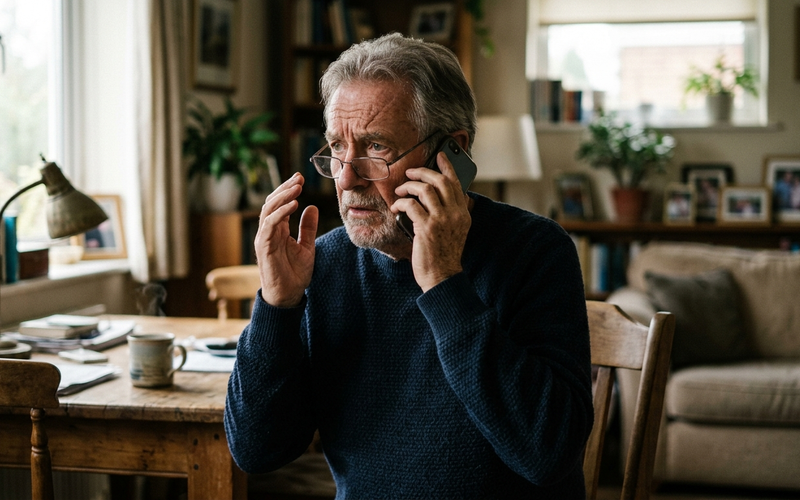
Senior Scam Alert: The Frauds Costing Older Adults Billions in 2026
Older Americans lost a record amount to fraud, and the scams hitting them hardest now use AI voice cloning, fake government agents, and phony Medicare cards. Here is what is surging in 2026 and the simple rules that stop nearly all of it.

2027 Social Security COLA: Early Estimate Points to 3.8%
The 2027 Social Security cost-of-living adjustment is not official yet, but the leading forecaster now estimates 3.8 percent, up from the 2.8 percent raise in effect today. Here is what that would mean for your check, when the real number arrives, and why Medicare could eat into it.
Explore senior living options
Comparing care for yourself or a family member? Browse communities by care type and see what each option typically costs.
- Assisted livingHelp with daily activities, costs, and how to choose a community.
- Independent livingMaintenance-free communities for active older adults.
- Home careIn-home support for seniors aging in place.
- Nursing homesSkilled nursing care and Medicare star ratings.
- Senior apartmentsAge-restricted, budget-friendly rental housing.
- Cost of senior livingCompare typical monthly prices by care type and state.