
Beyond City Limits: The Real Story of Canada's Aging Population in Small Towns
Nearly 20% of Canadian seniors live in rural communities where their experience of aging population in Canada differs dramatically from their urban counterparts[-1]. Yet most discussions about Canada’s aging population focus on cities, where seniors appear to have convenient access to services and support systems. The reality for seniors living alone in Canada becomes more complex in…

Nearly 20% of Canadian seniors live in rural communities, where aging looks different than in cities. Most policy discussions focus on urban areas, where seniors can more easily access services and support.
Living alone as a senior in rural Canada is harder than in cities. Rural seniors face specific problems with healthcare, housing, transportation, and social connection that urban planning often overlooks. These challenges intensify in smaller communities where resources and services are spread across wide distances.
Policy discussions typically focus on major cities, leaving rural and small-town seniors underserved. Finding affordable housing, accessing medical care, and maintaining friendships present different obstacles when the nearest hospital is 50 kilometers away or when public transit doesn't exist.
This guide looks at what aging actually looks like for older Canadians outside of cities. You'll learn about healthcare access, housing, transportation, and social isolation in rural areas. We explore how Canada's aging population encounters different obstacles depending on where they live, and discuss solutions that can better support seniors no matter their location.
- Who are Canada's small-town seniors?
- Population trends in rural and remote areas
- Many seniors choose to age in place in rural areas. This often reflects a desire for familiarity and strong community ties. Rural living offers lower costs, a slower pace, and a sense of belonging. Local support networks and a quiet environment matter most to people making this choice.
- Healthcare access challenges beyond city limits
- Access to quality medical services is a major concern for seniors outside major urban centers. Rural areas have fewer healthcare providers and specialists, limited public transportation, and fewer advanced medical facilities. Geography directly affects access to care.
- Finding family doctors and specialists
- Emergency department closures
- Wait times for long-term care
- Housing realities for seniors in small communities
- High homeownership but low housing value
- Lack of assisted living and long-term care options
- Barriers to home modifications for aging in place
- Getting around: Transportation as a lifeline
- Limited or no public transit
- Dependence on personal vehicles
- Volunteer driver programs and their limits
- Social isolation challenges for rural seniors
- Seniors in rural communities face a high risk of social isolation, which can lead to depression, anxiety, and physical health decline. Isolation often stems from limited transportation, fewer community programs, and distance between people.
- Health consequences of prolonged isolation
- Programs that address senior isolation
- Economic challenges and income gaps
- Lower average income and wealth in rural areas
- Limited access to financial aid programs
- Effects of aging population in Canada on local economies
- Digital access and information gaps
- Digital literacy challenges for older adults
- Internet infrastructure gaps in remote areas
- Limited digital access affects many parts of seniors' lives: social connections, healthcare, and managing money. It often results from low income, where they live, or unfamiliarity with technology. This digital divide can make seniors feel isolated and prevent them from accessing online services. Addressing it helps seniors stay independent and keep in touch with family.
- Policy gaps and the need for rural-focused solutions
- Urban-centric policy design
- Rural health and housing programs suffer from chronic underfunding, difficulty attracting healthcare workers, and limited transportation options. These connected issues directly affect seniors' well-being in rural communities. Fixing these gaps is necessary for fair access to care and housing.
- Calls for equitable support across regions
- Bottom line
- Key takeaways
- FAQs
Who are Canada's small-town seniors?
Rural Canada has different demographics than urban areas. Small towns across the country are experiencing population shifts that create both challenges and opportunities for older residents.
Rural areas are aging faster than cities. Small towns and remote communities are seeing more older residents—what experts call "naturally occurring retirement communities." Younger people leave for jobs and education, while retirees move in for affordability and quieter living.
Two main factors drive this shift. Younger residents often leave for cities to find education and jobs, leaving behind an aging population. Meanwhile, many rural communities attract retirees seeking affordability and quieter lifestyles.
The numbers tell the story:
Rural communities have proportionally more seniors than urban areas
- Some small towns in Atlantic Canada and British Columbia have senior populations exceeding 30%
- Average age in rural areas climbs faster than metropolitan regions
- These shifts create mounting pressures on local service providers
- How aging differs in small towns vs cities
Rural seniors experience aging differently than urban counterparts. Many have lived in the same communities for decades, creating strong neighborhood connections and informal support networks that urban seniors often lack.
Access to formal services is the biggest difference. Urban seniors typically find medical specialists, housing options, and public transit within reasonable distance. Rural seniors must often travel much farther to reach these basics, as services are scattered across large areas.
Economic circumstances also vary significantly. Rural seniors typically face:
Limited employment opportunities for supplemental income
- Fewer downsizing options within their communities
- Greater dependence on personal vehicles for daily needs
- When the nearest pharmacy is 30 kilometers away and public transit doesn't exist, picking up prescriptions or attending social activities becomes a logistical challenge.
- Why more seniors are choosing to stay rural
Many older Canadians choose to remain in small communities despite service limitations. Several factors influence this decision.
Cost of living is lower in rural areas, which helps fixed-income seniors stretch retirement savings further. Housing costs, property taxes, and everyday expenses often compare favorably to urban alternatives.
Place attachment runs deep. Many rural seniors have spent entire lifetimes building homes, raising families, and establishing deep community roots. Their identity connects with the landscape and social fabric of these places, making relocation emotionally difficult.
Small communities also provide meaningful roles. Seniors often serve on local committees, participate in faith communities, or volunteer with local organizations. These contributions create purpose and connection they might lose through relocation.
Quality of life matters. Many rural seniors value natural environments, a slower pace of life, and community safety over convenient service access.
Effective policies must recognize seniors' desire to age in place, whether they live in downtown Toronto or a fishing village in Newfoundland. Solutions should support Canada's aging population in all areas, not assume urban migration is inevitable.
Healthcare access challenges beyond city limits
Healthcare access is perhaps the most significant difference between rural and urban seniors in Canada. This gap goes beyond inconvenience—it directly affects where and how people can safely age.
Finding family doctors and specialists
The physician shortage in rural Canada creates immediate challenges for seniors needing regular medical care. While about 20% of Canadians live in rural, remote, Indigenous, coastal, or northern communities, only 8% of physicians practice in these areas. This disparity leaves many seniors without consistent healthcare providers.
Rural communities struggle to recruit and retain healthcare professionals. Northern Ontario alone has more than 350 unfilled physician vacancies, including over 200 family doctor positions. Many small towns depend on temporary doctors traveling from other regions to provide basic healthcare services.
For rural seniors, this shortage creates several problems:
Longer wait times to see healthcare providers (rural residents typically wait over two weeks)
Rural Canadians travel over 35 kilometers to see doctors and 30 kilometers to reach the nearest hospital. Urban residents travel less than half that distance.
- Limited access to specialists for chronic conditions
- Greater difficulty managing complex health needs
- The situation is getting worse. The percentage of physicians practicing in rural areas has decreased from about 10% in 1983 to just 7% in 2023.
- Emergency department closures
Emergency room closures pose serious risks for rural seniors facing medical emergencies. Since 2019, Canadian emergency rooms have been closed for at least 1.14 million hours, which amounts to 47,500 days. Rural communities are disproportionately affected.
Manitoba's Interlake region shows how severe the problem has become. Arborg's hospital emergency room closed for nearly 292 days (80% of the year) and Eriksdale's emergency ward closed more than 323 days (89% of the year) in 2023 alone.
These closures force seniors to travel significant distances during medical emergencies, often with minimal advance notice. Saskatchewan residents in communities like Watrous must travel about 80 kilometers to alternative emergency care during closures. For time-sensitive conditions common in seniors, these extra travel times can have serious consequences.
"You can't go in [to the hospital] when you should go in because you can't get an appointment," notes Angela Silzer from Watrous. "So you let things get worse. That could be with anything. It could be small things like my knee. It could be big things like cancer."
Many closures happen with little warning, announced through handwritten signs on hospital doors or Facebook posts that seniors might miss.
Wait times for long-term care
Access challenges extend to long-term care facilities. British Columbia's waitlist shows the growing crisis. Between 2016 and 2025, the number of people waiting for long-term care admission rose from 2,381 to 7,212—a 200% increase.
Wait times have grown substantially. The provincial average increased by 98% over eight years, from 146 days in 2018 to 290 days in 2025. Rural seniors often face even longer waits due to fewer facilities in their regions.
Rural areas face specific challenges. Seniors waiting for long-term care placement spend an average of 27% more time in acute care beds compared to urban seniors. Over the past five years, this average decreased 1% for urban seniors but increased 9% for rural seniors.
Healthcare differences between urban and rural Canada affect more than statistics—they determine where people can safely age. As Canada's aging population grows, addressing these gaps is important for ensuring fair care, no matter where people live.
Housing realities for seniors in small communities
Housing presents both opportunities and obstacles for Canada's aging population in rural areas. Rural seniors often own their homes but face unique challenges when their housing needs change or when they require different types of care.
High homeownership but low housing value
Rural seniors own their homes at high rates—approximately 75% of senior-led households own their homes. But the financial reality behind these statistics reveals significant challenges.
Rural properties hold substantially less value than urban counterparts. In 2023, the average assessed rural home in British Columbia was worth about $627,012, roughly one-third the value of urban homes averaging nearly $2.09 million. This creates a paradox: rural seniors own homes that provide stability, but these properties offer limited equity to finance care transitions.
Many rural seniors occupy older homes that require higher maintenance and utility costs. Fixed retirement incomes combined with rising expenses create what housing experts call core housing need—affecting about 17.5% of rural senior homeowners.
Seniors living alone face particular financial pressures. Core housing need affects 42.8% of seniors living independently, with 39.7% citing affordability as the main challenge.
Lack of assisted living and long-term care options
When aging in place becomes impossible, rural seniors encounter limited housing alternatives. The scarcity of options creates difficult decisions between staying in unsuitable housing or leaving their communities entirely.
Assisted living availability:
Rural areas: 3 units per 1,000 seniors
Urban areas: 4 units per 1,000 seniors
- Long-term care bed shortage:
- Rural communities: 13 beds per 1,000 seniors
Urban areas: 29 beds per 1,000 seniors
- The shortage has worsened. Five years ago, rural communities had 16 beds per 1,000 seniors. The system isn't keeping pace with Canada's aging population growth. One policy report notes: "Having to leave the community to access long-term care was discussed as a common situation."
- Ontario alone has 38,000 people waiting for long-term care placements. Rural seniors often experience even longer wait times due to fewer facilities in their regions.
Barriers to home modifications for aging in place
Over 87% of adults aged 65 and older prefer to remain in their current homes as they age. Unfortunately, most Canadian homes weren't designed with aging residents in mind.
Rural seniors face specific obstacles to home modifications:
Financial constraints: Heating bills, service costs, and renovation expenses create major barriers
Knowledge gaps: Many seniors lack information about beneficial modifications
- Limited professional services: Finding qualified contractors for specialized renovations is challenging in remote areas
- Housing design problems: Many rural homes contain features that reduce mobility and independence
- Without proper modifications, rural seniors living alone experience increased isolation as their mobility decreases. Home adaptations that improve safety and accessibility could extend independent living, yet remain out of reach for many.
- These housing challenges are part of larger issues for Canada's aging population in rural areas. Property values, housing alternatives, and modification barriers all influence where and how seniors can age safely in rural communities.
Getting around: Transportation as a lifeline
Mobility determines whether seniors can safely remain in their rural communities. Being able to reach medical appointments, grocery stores, and social activities shapes independence for Canada's aging population beyond city limits.
Limited or no public transit
Many small communities have no public or private transportation system. This creates immediate barriers to accessing essential services that urban seniors take for granted.
Even where public transit exists, it rarely meets seniors' needs. Older adults travel outside peak hours and for different purposes than commuters, yet transit schedules serve working-age passengers. Low ridership often leads to service reductions or complete cancellations.
One in five Canadians lives in rural communities, yet less than 2% of rural commuters use public transit to reach work. For seniors without alternative transportation options, this gap creates serious obstacles to healthcare access, shopping, and social participation.
Rural transit systems face fundamental barriers:
Smaller ridership numbers
Higher costs per passenger
- Geographical distances between stops
- Limited economies of scale
- The federal government has invested over $5.43 million in rural transit in Manitoba through the Rural Transit Solutions Fund. However, these investments primarily cover vehicle purchases and infrastructure rather than operational costs, limiting long-term effectiveness.
- Dependence on personal vehicles
For most rural seniors, cars are the only transportation option. Driving is the primary way older adults get around, especially in small and rural areas. 93% of Canadians aged 65–74 have driver's licenses, along with 85% of those aged 75–84, and 68% of those 85 and older.
This dependence creates vulnerability when seniors eventually stop driving. Rural seniors typically stop driving due to physical conditions, deteriorating vision (37%), or safety concerns (15%). Without alternatives, some continue driving longer than safely advisable.
The financial burden weighs on fixed retirement incomes. Canadians spend approximately $16,644 annually on vehicle expenses, including maintenance, insurance, and fuel costs that continue rising above inflation rates.
Volunteer driver programs and their limits
Many rural communities have developed volunteer driver programs to address transportation gaps. One service provider described these initiatives as an "underground public transportation taxi system."
Organizations like Urban/Rural Rides in New Brunswick use volunteer drivers to help seniors, low-income families, and people with mobility challenges reach medical appointments and access essential services. VON Canada provides similar volunteer driver services to help seniors maintain independence.
These programs face significant limitations:
Rising fuel costs making volunteering prohibitive
Insufficient volunteers to meet growing demand
- Limited awareness among seniors about available services
- Psychological costs as seniors lose independence
- Most importantly, volunteer systems create uncomfortable dependency. As one caregiver noted, seniors experience "discomfort with their dependence on others to get around the community and beyond—a loss of both their independence and their pride." These systems also exclude seniors without family members or helpful neighbors.
- For older adults in rural areas, transportation links housing, healthcare, and social activities. Finding lasting mobility solutions is increasingly important as Canada's rural population ages.
Social isolation challenges for rural seniors
Social connection becomes increasingly difficult for Canada's aging population in small towns. Seniors living alone in Canada face particular challenges when scattered across rural landscapes where neighbors may live kilometers apart and services are limited.
Higher isolation risks in rural communities
Rural seniors often experience loneliness. About one in five Canadian seniors (19%) reported experiencing loneliness in 2019 and 2020. Rural and remote communities are particularly vulnerable, with limited resources, people living far apart, and services that are difficult to access.
Several factors increase isolation risk for rural seniors:
Gender differences: Senior women experience loneliness at higher rates than men (23% versus 15%). This gap widened during the pandemic, with loneliness among senior women increasing 6 percentage points to 27%.
Marital status: Seniors who never married (29%), were widowed (31%), or separated/divorced (32%) face more than twice the loneliness risk of married seniors (13%). For widows in rural areas, building new connections becomes particularly difficult.
- Age factors: Canadians 85 and older report higher loneliness rates (23%) than those 65–74 (19%), with isolation intensifying as physical limitations restrict social participation.
- Health consequences of prolonged isolation
- Social disconnection has health effects comparable to smoking 15 cigarettes daily. Isolated seniors frequently experience deep sadness, feelings of worthlessness, and disempowerment. Loneliness is consistently linked to declining cognitive function, increased anxiety, and greater depressive symptoms.
Rural communities often lack adequate mental health services to address these conditions. Loneliness significantly predicts increased suicidal ideation among older adults. Physical health suffers as well, with isolation contributing to malnutrition, heart disease, and early mortality.
Isolation and health create a troubling cycle. Declining physical health limits social participation, which increases isolation and accelerates health deterioration. Nearly one in four seniors reported barriers to social participation in 2019–2020, with those experiencing such barriers almost three times more likely to report loneliness.
Programs that address senior isolation
Rural communities have developed various approaches to combat isolation. Gateway Center of Excellence launched "Lonely No More," which provides free weekly phone-based support for isolated rural seniors, helping them form peer connections and navigate systems. Seventy-five percent of participants report positive life impacts.
Effective interventions include:
Senior drop-in centers hosting activities like card games and craft sessions
Friendship programs connecting seniors with regular volunteer visits or calls
- Community dinners where seniors enjoy meals with neighbors
- Intergenerational activities fostering connections across age groups
- The most successful programs share common elements: they increase physical activity and social connectedness, enhance social participation, build social capital and friendship, and improve general mental health.
- Technology can help. Internet use helps rural seniors stay connected, as online communities offer valuable connections when mobility is limited. However, challenges persist, especially with digital literacy and limited broadband access in remote areas.
Economic challenges and income gaps
Financial situations differ between small communities and urban centers. This creates unique economic challenges for Canada's aging population outside of major cities.
Lower average income and wealth in rural areas
Rural seniors face consistent financial disadvantages compared to their urban counterparts. In 2024, rural employees earned an average of CAD 75,326.45 annually, approximately 17% lower than urban workers who averaged CAD 88,018.56. Rural household incomes follow similar patterns, registering 18% below urban levels.
The income gap extends to wealth accumulation. Home equity is the largest asset for many seniors, but rural properties are typically worth substantially less. This presents a challenge: rural seniors often own their homes outright but have limited equity to finance care needs when aging in place becomes difficult.
Only three industries offer higher rural wages than urban ones:
Management of companies and enterprises
Utilities
- Educational services
- These sectors employ relatively few rural seniors, leaving most with lower earnings throughout their working lives and reduced retirement income. The combination of lower lifetime earnings and decreased property values creates financial pressures that urban seniors rarely experience.
- Limited access to financial aid programs
Various provincial programs exist to support seniors with low incomes. The Alberta Seniors Benefit provides monthly support for living expenses, alongside dental, optical, and prescription coverage programs. Other provinces offer property tax deferrals and home adaptation loans.
Rural seniors face barriers accessing these supports. Many programs require in-person applications or assessments, making access difficult for those in remote communities. The rate of subsidized seniors housing units is nearly 70% lower in rural British Columbia compared to urban areas.
Limited awareness of available programs compounds these access issues. Processing delays, typically 16 weeks for Alberta's Seniors Financial Assistance applications, create financial vulnerabilities for those already managing fixed incomes and increasing expenses.
Effects of aging population in Canada on local economies
Rural economies face mounting pressures from demographic shifts. Rural communities have significantly higher dependency ratios, with the typical remote rural county supporting 40 older people and 31 youth per 100 working-age residents. Urban areas support just 28 younger and 29 older people per 100 working-aged individuals.
These demographic patterns strain local economies. Newfoundland and Labrador projections indicate the province would need to increase revenue or reduce spending by CAD 2.79 billion to achieve fiscal sustainability, equivalent to a 26% tax increase.
Declining working-age populations coupled with growing healthcare expenses create fiscal challenges that resource revenues cannot fully address. These trends affect service availability, further accelerating population decline in a cycle that particularly impacts Canada's aging population in rural areas.
Digital access and information gaps
Technology access increasingly affects the quality of life for seniors, yet many older Canadians in rural areas face barriers that compound other challenges of aging beyond city limits.
Digital literacy challenges for older adults
Digital literacy is a major challenge for older Canadians living outside cities. Many rural seniors lack confidence when using technology, often stemming from limited prior exposure and the fact that digital tools constantly change.
Fear and anxiety about using technology are major barriers. These factors prevent many from using valuable online resources, even when those resources are available.
If you're helping a senior family member or experiencing this yourself, you know how real this is. The pace of technological change can feel overwhelming, especially when basic tasks like accessing government services or scheduling medical appointments increasingly require online skills.
Internet infrastructure gaps in remote areas
The infrastructure gap between rural and urban Canada creates fundamental access inequalities. About 6.5% of Canadian households lack access to minimum internet speeds (50/10 Mbps), with provincial rates ranging from 3.9% in Prince Edward Island to 20.8% in Newfoundland and Labrador.
The disparity is most pronounced in First Nations communities, where only 42.9% of households have access to minimum connection speeds, compared to 90.9% nationally. Rural areas typically face additional challenges:
Higher telecommunications costs (among the highest worldwide)
Poorer infrastructure in many communities
- Slower progress in broadband development
- How limited digital access affects seniors
- Rural seniors without reliable internet face many disadvantages. Healthcare, financial, and government services are moving online, which creates barriers to accessing essential services.
The pandemic showed how seniors without digital access became more isolated. For those with limited mobility, this isolation worsened because technology could have provided social connections, telehealth, and important information.
Digital exclusion is linked to poorer health outcomes, making the digital divide a social determinant of health. As government and healthcare services become more digital, closing this gap is important for rural seniors to access services and maintain social connections.
Consider how this affects daily life: booking medical appointments, accessing government benefits, staying connected with family, or ordering groceries increasingly require internet access and digital skills. For seniors living alone in Canada's rural communities, these barriers create additional isolation and limit their ability to access support services.
Policy gaps and the need for rural-focused solutions
Most challenges for Canada's aging population in rural communities stem from policy failures. When seniors struggle to access basic services, the problem often comes from approaches that work well in cities but not in small towns and remote areas.
Urban-centric policy design
Policy development across Canada traditionally follows urban models that translate poorly to rural realities. Healthcare, social and community services remain fragmented, unavailable, or inaccessible in small communities. The current system creates complex processes for accessing essential services, placing additional burdens on seniors already managing limited resources.
Canada spends less on home care than many leading countries. Denmark and Norway allocate 50% of their long-term care budget to home care, while Canada allocates just 18%. This difference particularly affects rural seniors who prefer to age in place but lack adequate support services.
The one-size-fits-all approach ignores geographical realities. Urban solutions assume proximity to services, availability of public transit, and economies of scale that simply don't exist in rural settings. Rural seniors face different challenges that require different solutions.
Underfunded rural health and housing programs
Funding disparities create visible service gaps affecting Canada's aging population in rural areas. About 475,000 Canadians (1.6% of the population) reported unmet home care needs in 2021, with seniors 65+ experiencing the highest prevalence.
Housing options face similar shortages. Many rural communities have significant gaps in independent and assisted living facilities. This forces seniors to make difficult choices between remaining in unsuitable housing or leaving their communities entirely to access needed care.
The funding formula itself creates problems. Programs designed for urban density don't account for the higher per-capita costs of delivering services across large geographical areas with smaller populations.
Calls for equitable support across regions
Advocates are calling for more rural-focused solutions to address these unique challenges. Currently, only three provinces have dedicated seniors' advocates: British Columbia, Newfoundland and Labrador, and New Brunswick.
Organizations like UBCM have called for immediate action through dedicated rural strategies addressing housing, healthcare, community care, and transportation. These strategies would recognize that rural seniors need approaches tailored to their unique circumstances, which differ from those in urban areas.
Investing in home care is cost-effective. Better home care improves quality of life and saves money by lowering the need for institutional care. In rural areas, this approach helps seniors stay in their homes and communities as they get older, which is what they prefer.
Bottom line
Rural seniors in Canada face challenges that are different from those in cities. Healthcare access is the biggest problem, with physician shortages, emergency department closures, and long wait times making essential medical care hard to reach. Only 8% of physicians work in rural areas, even though these areas serve 20% of the population.
Housing options are limited, even with high homeownership rates. Rural properties have lower values, which creates financial problems when care needs increase. Because there are few assisted living facilities and long-term care beds, seniors often must choose between unsuitable housing or leaving their communities.
Transportation is a major challenge for rural seniors. Most rely on personal vehicles, with few other options when they can no longer drive safely. Volunteer driver programs help, but they cannot meet all the transportation needs of every senior.
Social isolation affects rural seniors more frequently, particularly those living alone. This isolation contributes to both mental and physical health problems, creating cycles where declining health further limits social participation.
Economic realities compound these challenges. Rural seniors typically earn less throughout their working years, accumulate less wealth, and face barriers accessing financial assistance programs. The digital divide further prevents access to increasingly online services and social connections.
These problems stem largely from policies designed for urban settings that don't translate well to rural realities. Current approaches often overlook the unique circumstances rural seniors face daily.
To help rural seniors, we need strategies that address healthcare access, housing, transportation, and community support in small towns. Policymakers should recognize rural seniors as an important group and ensure they receive fair support.
The wellbeing of Canada's aging population depends on developing solutions that work regardless of postal code, ensuring seniors can age with dignity whether they live in downtown Toronto or a small farming community.
Key takeaways
Rural seniors in Canada have a different aging experience than those in cities. They face unique challenges that need specific policy solutions.
• Healthcare access crisis: Rural areas have only 8% of physicians despite housing 20% of Canadians. Emergency departments have closed for over 1 million hours since 2019.
• Many seniors depend on driving: 93% of those aged 65–74 rely on personal vehicles with no viable alternatives. This can lead to mobility problems when driving becomes unsafe.
• Housing paradox: Rural seniors own homes at high rates but face property values one-third of urban levels, limiting equity for care financing.
• Social isolation epidemic: Rural seniors experience loneliness at higher rates, with isolation health impacts equivalent to smoking 15 cigarettes daily.
• Policy blind spot: Urban-focused policies do not address the needs of rural areas. This leaves 475,000 Canadians without the home care they need, often forcing seniors to leave their communities to find services.
The solution requires rural strategies that address healthcare access, transportation, appropriate housing, and community support, all designed for small towns.
FAQs
Q1. How does aging in rural Canada differ from urban areas? Aging in rural Canada comes with specific challenges, such as limited access to healthcare services, fewer housing options, and transportation difficulties. Rural seniors often face greater social isolation and have less access to specialized care compared to their urban counterparts.
Q2. What are the main healthcare challenges for seniors in small Canadian towns? The primary healthcare challenges for seniors in small Canadian towns include a shortage of family doctors and specialists, frequent emergency department closures, and longer wait times for long-term care. Many rural seniors must travel long distances to access medical services.
Q3. How does transportation affect rural seniors in Canada? Transportation is a major issue for rural seniors. Most rely on personal vehicles, and when they can no longer drive, they face mobility challenges. Public transit is often limited or unavailable in small towns, making it difficult for seniors to access essential services and maintain social connections.
Q4. What housing options are available for seniors in rural Canadian communities? Housing options for seniors in rural Canadian communities are often limited. While homeownership rates are high, there's a lack of assisted living and long-term care facilities. Many seniors struggle to modify their homes to age in place, and lower property values in rural areas can limit their financing for care needs.
Q5. How does social isolation affect rural seniors in Canada? Social isolation is a significant concern for rural seniors in Canada, particularly those living alone. It can lead to increased mental health issues, cognitive decline, and poorer physical health outcomes. The lack of social connections and limited access to community programs in rural areas makes this problem worse.
Housing options for seniors in rural Canadian communities are often limited. While homeownership rates are high, there's a lack of assisted living and long-term care facilities. Many seniors struggle to modify their homes to age in place, and lower property values in rural areas can limit their financing for care needs.
Q5. How does social isolation affect rural seniors in Canada? Social isolation is a significant concern for rural seniors in Canada, particularly those living alone. It can lead to increased mental health issues, cognitive decline, and poorer physical health outcomes. The lack of social connections and limited access to community programs in rural areas makes this problem worse.
Frequently asked questions
Get matched
Looking for senior care for someone you love?
Tell us what you're considering. We'll share independent matches and pricing directly with you. No phone calls until you ask for one.
- Takes about two minutes to complete.
- Pricing details emailed to you. No phone calls until you ask for one.
- Independent matching. We do not own the communities we list.
Loading the matching form…
Powered by SilverAssist. By submitting this form you agree to our privacy policy.
More from our editors
All articles
Best Weekend Trips and Short Getaways for Seniors
The best weekend trips for seniors are short, close to home, and built around one relaxed idea. Here are the kinds of short getaways that work well for older travelers, with real examples and how to plan one.
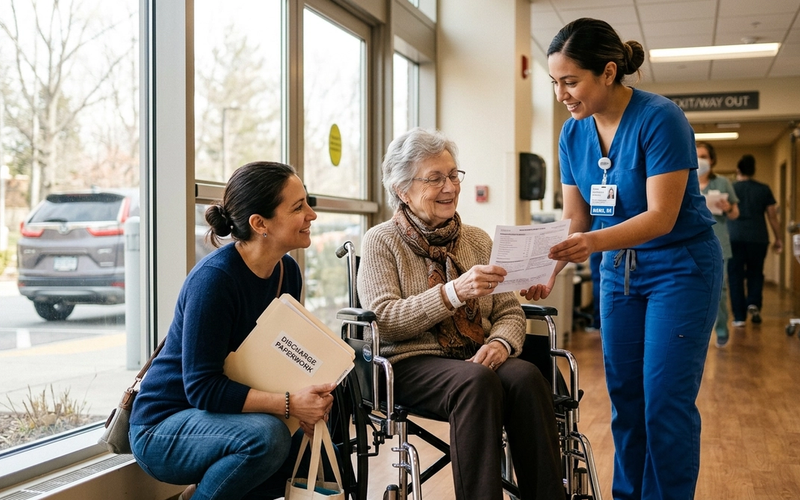
Hospital Discharge Planning for Seniors: A Family Guide
A hospital discharge for an older parent is a decision, not just a notice. Here is how discharge planning actually works, where families have leverage, and how to appeal a discharge you think is unsafe.

OTC Hearing Aids for Seniors: A 2026 Buyer's Guide
Over-the-counter hearing aids let adults with mild to moderate hearing loss skip the clinic and buy directly. Here is what they cost, who they fit, who should avoid them, and how they compare with prescription devices.
Explore senior living options
Comparing care for yourself or a family member? Browse communities by care type and see what each option typically costs.
- Assisted livingHelp with daily activities, costs, and how to choose a community.
- Independent livingMaintenance-free communities for active older adults.
- Home careIn-home support for seniors aging in place.
- Nursing homesSkilled nursing care and Medicare star ratings.
- Senior apartmentsAge-restricted, budget-friendly rental housing.
- Cost of senior livingCompare typical monthly prices by care type and state.