
Caregiver Burnout Quiz: Warning Signs You Shouldn't Ignore [5-Min Test]
Caring for a loved one can leave you feeling drained and overwhelmed. More than half of those providing major care for parents experience significant stress and strain. If you’re constantly exhausted from caregiving responsibilities, a caregiver burnout quiz can help you identify whether you’re experiencing dangerous levels of stress. Caregiver burnout is a state of physical and mental exhaustion…
![Caregiver Burnout Quiz: Warning Signs You Shouldn't Ignore [5-Min Test]](/_next/image?url=https%3A%2F%2Fcdn.sanity.io%2Fimages%2Fivjibjpd%2Fproduction%2F9752c864e106a632ab33c2d4be2998694af218a0-1300x742.webp%3Fw%3D1200%26q%3D82%26fit%3Dmax%26auto%3Dformat&w=1920&q=75)
Caring for a loved one can leave you feeling drained and overwhelmed. More than half of people providing major care for parents report significant stress. If you're constantly exhausted, a burnout assessment can help you figure out whether you're under dangerous levels of stress.
Caregiver burnout is physical and mental exhaustion that builds when chronic stress continues without relief or adequate self-care. The effects go beyond tiredness. Burnout increases your risk of serious health problems: chronic depression, hypertension, diabetes, and stroke. When caregivers become too depleted to manage their responsibilities, their loved ones often end up in nursing homes.
This article includes a simple burnout assessment to help you recognize warning signs of stress. A 5-minute test can tell you whether caregiving duties are affecting your wellbeing. More than 60% of caregivers report increased stress and worry. Identifying burnout early lets you take action before reaching a crisis.
Your quiz results matter. A score of 60 or higher means stress is significantly affecting you. Scores of 90 or higher mean you're already experiencing caregiver burnout. Taking this assessment now can help you protect your health and continue providing quality care.
- What is caregiver burnout and why it matters
- Take the 5-minute caregiver burnout quiz
- Caregiver burnout quiz
- Scoring
- Understanding your results and what to do next
- Bottom line
- Key takeaways
- FAQs
What is caregiver burnout and why it matters
Caregiver burnout is physical, emotional, and mental exhaustion that builds when prolonged stress continues without enough relief. It differs from ordinary fatigue because it accumulates gradually as caregiving demands pile up over time. Caregiving creates ongoing stress, strain, and unpredictability.
Several things contribute to burnout. Role confusion—trying to balance caregiving with being a spouse, adult child, or friend—creates internal conflict. Unrealistic expectations about your loved one's improvement add stress, especially with progressive conditions like Alzheimer's disease. Nearly 63% of family caregivers describe their situation as highly or moderately stressful.
Recognizing the warning signs of burnout matters for your wellbeing. Common symptoms include:
- Feelings of frustration and depression
- Frequent headaches and exhaustion
- Difficulty sleeping or changes in sleep patterns
- Changes in appetite or unexplained weight changes
The physical effects show up in measurable ways. Caregivers have higher stress hormone levels and weaker antibody responses than non-caregivers. Health risks include hypertension, heart disease, and a weakened immune system. Depression is one of the most common mental health effects of caregiving stress.
Early identification through a burnout assessment can prevent your wellbeing from declining further. Your physical and mental health directly affects the quality of care you can provide. Taking action before burnout becomes severe protects both you and the person you're caring for.
Take the 5-minute caregiver burnout quiz
The American Medical Association developed this assessment to help identify stress levels in family caregivers. The quiz takes about 5 minutes to complete and asks about your recent experiences and feelings as a caregiver.
You'll answer straightforward yes/no questions throughout the assessment. Examples include "During the past week or so, I have felt completely overwhelmed" and "During the past week or so, I have felt strained between work and family responsibilities." Some versions ask you to rate your stress level on a scale of 1-10.
The scoring system is simple. Scores typically range from "Little to No Burnout" (5 or fewer yes responses) to "Severe Burnout" (16-20 points). The questionnaire is reliable (coefficient alpha of .7804) and also valid for assessing caregiver depression (sensitivity of 0.98).
This assessment helps identify problems and provides a starting point for improvements. Healthcare providers can use your results to recommend preventive services. Answer honestly about warning signs like feeling overwhelmed, fatigue, sleep disturbances, irritability, and loss of interest in activities you once enjoyed. Your honest responses will give you the most accurate picture of where you stand.
Caregiver burnout quiz
Answer each question honestly based on your experience in the past week. Circle yes or no for each.
- I feel completely overwhelmed. (Yes / No)
- I feel strained between caregiving and my work/family responsibilities. (Yes / No)
- I often feel sad, frustrated, or hopeless. (Yes / No)
- I am not getting enough sleep or rest. (Yes / No)
- I have frequent headaches, stomach issues, or other physical complaints. (Yes / No)
- I've lost interest in activities I used to enjoy. (Yes / No)
- I feel resentful toward the person I care for or others who don't help. (Yes / No)
- I feel guilty when I take time for myself. (Yes / No)
- I find myself easily irritated or impatient. (Yes / No)
- My appetite has changed significantly (eating too much or too little). (Yes / No)
- I often feel lonely or isolated. (Yes / No)
- I have difficulty concentrating or remembering things. (Yes / No)
- I feel exhausted most of the time, physically or emotionally. (Yes / No)
- I avoid social gatherings because of caregiving demands. (Yes / No)
- I've neglected my own medical or dental appointments. (Yes / No)
- I worry constantly about my loved one's health or future. (Yes / No)
- I feel trapped in my caregiving role. (Yes / No)
- I have little energy left for friends or family outside caregiving. (Yes / No)
- I feel that my health is worse than before I became a caregiver. (Yes / No)
- I have thought, "I just can't do this anymore." (Yes / No)
Scoring
- Each "Yes" = 1 point
- Total possible score = 20 points
Results
- 0–5 points: Little to no burnout. You're coping well, but keep practicing self-care.
- 6–10 points: Mild burnout risk. Pay attention to stress signs and ask for help early.
- 11–15 points: Moderate burnout. Stress is affecting your wellbeing. Consider support groups, respite care, or delegating tasks.
- 16–20 points: High burnout. You may already be in crisis. Seek immediate support from healthcare professionals, respite programs, or counseling.
Understanding your results and what to do next
Your quiz results tell you about your current mental and physical state. Here's how to move forward based on your score:
If you scored 0-5 points: You're managing well for now. Stay alert for early stress signals and set clear boundaries between caregiving and personal time.
If you scored 6-10 points: You're entering the burnout zone. Make changes now before stress becomes overwhelming. Ask family members or friends for help with specific tasks.
If you scored 11-15 points: You're experiencing moderate burnout. Feeling depleted is common at this stage, but the situation can improve with proper support and changes to your routine.
If you scored 16-20 points: You're at high risk. You may feel like you're in survival mode after carrying responsibilities that have become too heavy to manage alone.
Recovery from caregiver burnout takes time and looks different for each person. Start with these practical steps:
- Find respite care to give yourself regular breaks from caregiving duties
- Join a support group, whether in-person or online, to connect with others facing similar challenges
- Focus on basic self-care including adequate sleep, proper nutrition, and regular physical activity
- Set realistic expectations for yourself and accept help when others offer assistance
Recovery timelines differ based on how long you've been caregiving, the support available to you, and your current health status. Remember that accepting help benefits both you and the person offering assistance.
Bottom line
Caregiving can be one of life's most demanding responsibilities. The burnout quiz in this article helps you assess your stress levels in five minutes. Your results reflect your current mental and physical state and can guide your next steps.
A score of 16 or higher means stress is seriously affecting you. These results provide a starting point for making necessary changes before your situation worsens.
Family caregivers often focus entirely on their loved ones while neglecting their own needs. This approach ultimately harms both the caregiver and the person receiving care. Taking care of yourself isn't selfish—it's essential for providing sustainable, quality care.
Recovery starts with practical steps:
- Find respite care to get regular breaks from caregiving duties
- Join a support group, either in-person or online
- Practice basic self-care through adequate sleep, nutrition, and physical activity
- Set realistic expectations and accept help from others
Burnout recovery takes time, and the timeline varies based on how long you've been caregiving, your available support system, and your current health status. Saying yes when people offer assistance benefits everyone involved.
Your health directly impacts the quality of care you can provide. Addressing caregiver burnout protects both you and your loved one. This quiz is a step toward finding balance as you care for your loved one.
Key takeaways
Caregiver burnout affects over half of those providing major care. Early identification through assessment can prevent serious health consequences and improve care quality.
* If you feel constantly exhausted, take the 5-minute burnout quiz. Scores of 16 or higher mean stress is seriously affecting you.
* Burnout is different from normal fatigue. It develops slowly from chronic stress when you don't get relief or practice self-care.
* Know your risk levels: 0-5 points means you're coping well. If you score 16-20 points, you have high burnout and need to act right away.
* Start recovery with small steps: find respite care, join support groups, practice basic self-care, and accept help from others.
* Addressing your burnout isn't selfish. Your health directly impacts the quality of care you provide.
Caregiver burnout is a serious condition that can lead to depression, hypertension, diabetes, and stroke. Using this assessment tool can help you find balance and continue providing quality care for your loved one.
FAQs
Q1. What are the early warning signs of caregiver burnout? Early signs include feeling constantly exhausted, overwhelmed, or frustrated. You may experience frequent headaches, changes in sleep patterns or appetite, and loss of interest in activities you once enjoyed. Recognizing these signs early helps prevent your wellbeing from declining.
Q2. How can I assess my risk of caregiver burnout? You can take a simple 5-minute burnout quiz. This assessment typically includes questions about your recent experiences and feelings. Scores of 16 or higher indicate significant stress impact.
Q3. What are the health risks associated with caregiver burnout? Caregiver burnout can lead to serious health problems: chronic depression, hypertension, diabetes, and stroke. It also weakens your immune function and increases your risk of heart disease. These health issues can significantly impact your ability to provide care.
Q4. How long does it take to recover from caregiver burnout? Recovery isn't linear and varies based on how long you've been caregiving, available support, and your health status. It's a gradual process that begins with small steps like finding respite care, joining support groups, and practicing self-care. Consistent effort over time leads to improvement.
Q5. Is it selfish to focus on my own needs as a caregiver? No. In fact, taking care of yourself is essential for sustainable caregiving. Your health directly impacts the quality of care you provide. You cannot pour from an empty cup. Addressing your own needs ensures that both you and your care recipient receive the best possible care.
Frequently asked questions
Get matched
Looking for senior care for someone you love?
Tell us what you're considering. We'll share independent matches and pricing directly with you. No phone calls until you ask for one.
- Takes about two minutes to complete.
- Pricing details emailed to you. No phone calls until you ask for one.
- Independent matching. We do not own the communities we list.
Loading the matching form…
Powered by SilverAssist. By submitting this form you agree to our privacy policy.
More from our editors
All articles
Best Weekend Trips and Short Getaways for Seniors
The best weekend trips for seniors are short, close to home, and built around one relaxed idea. Here are the kinds of short getaways that work well for older travelers, with real examples and how to plan one.
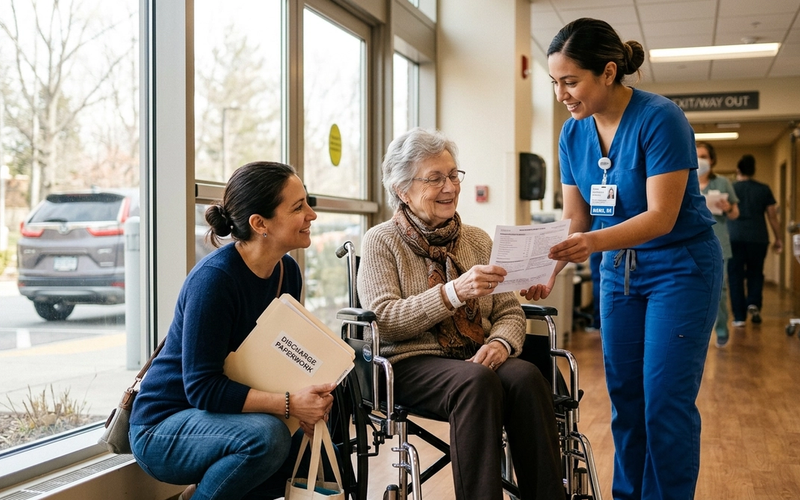
Hospital Discharge Planning for Seniors: A Family Guide
A hospital discharge for an older parent is a decision, not just a notice. Here is how discharge planning actually works, where families have leverage, and how to appeal a discharge you think is unsafe.

OTC Hearing Aids for Seniors: A 2026 Buyer's Guide
Over-the-counter hearing aids let adults with mild to moderate hearing loss skip the clinic and buy directly. Here is what they cost, who they fit, who should avoid them, and how they compare with prescription devices.
Explore senior living options
Comparing care for yourself or a family member? Browse communities by care type and see what each option typically costs.
- Assisted livingHelp with daily activities, costs, and how to choose a community.
- Independent livingMaintenance-free communities for active older adults.
- Home careIn-home support for seniors aging in place.
- Nursing homesSkilled nursing care and Medicare star ratings.
- Senior apartmentsAge-restricted, budget-friendly rental housing.
- Cost of senior livingCompare typical monthly prices by care type and state.