
Concierge Medicine Growth
Revolutionizing Healthcare for Affluent Seniors The landscape of healthcare is evolving rapidly, with concierge medicine emerging as a game-changer, particularly for affluent seniors seeking personalized, on-demand medical care. This innovative model of healthcare delivery is reshaping how patients interact with their physicians and receive medical services. Let’s delve into the growth of concierge medicine, its…

- New approaches to healthcare for affluent seniors
- The booming concierge medicine market
- Why affluent seniors are turning to concierge medicine
- Home-based care and concierge models differ from traditional healthcare, which centered on hospitals and nursing homes. These newer approaches handle more than logistics—they treat the whole person: physical health, emotional wellbeing, social connection. Care delivered at home can feel more dignified and personal. Seniors often stay more independent and report better quality of life.
- Healthcare providers using AI can improve diagnosis, tailor treatments, and handle paperwork faster—freeing time for patients. Seniors benefit from earlier disease detection and more effective care. That said, technology works best alongside human judgment, not instead of it.
- Challenges and considerations
- The future of concierge medicine
- Practical insights for seniors considering concierge medicine
- Conclusion
Advanced healthcare for affluent seniors
Concierge medicine is growing among affluent seniors seeking personalized, on-demand care. It changes how patients interact with doctors and access services. This guide covers the market's expansion, what works well, what doesn't, and how it affects both doctors and patients.
The booming concierge medicine market
Demand for personalized healthcare is driving concierge medicine growth. Market data shows:
- The global concierge medicine market was valued at $17.40 billion in 2023.
- It's projected to reach $31.39 billion by 2028, growing at 11.3% annually.
- By 2034, the market is expected to expand to $44.28 billion, growing at 8.55% annually from 2024 onward.
Affluent seniors are driving this growth. They prioritize personalized care, accessibility, and quality when choosing healthcare.
Why affluent seniors are turning to concierge medicine
Several factors draw affluent seniors to concierge medicine:
- Personalized care: Concierge physicians limit their patient panels to a few hundred rather than thousands, allowing longer appointments and individualized care plans.
- 24/7 access: Patients can reach their doctor by phone, text, or email, and typically get same-day or next-day appointments—valuable for managing chronic conditions.
- Prevention focus: With more time per patient, concierge doctors emphasize preventative care, lifestyle changes, and early detection, which often leads to better long-term health.
- Aging population needs: The growing number of seniors facing age-related physical, mental, and social health challenges need continuous, personalized support that concierge medicine provides.
Differences from traditional healthcare models
Concierge medicine differs from traditional healthcare in several key ways:
- Membership structure: Patients pay a monthly or annual membership fee, often in addition to traditional insurance.
- Smaller patient load: Concierge physicians see fewer patients, allowing more time and attention per person.
- Longer appointments: Consultations allow for thorough discussions and collaborative care planning.
- Direct access: Patients typically reach their physician directly, including after-hours.
- Broader services: Many concierge practices offer home visits, specialist coordination, and personalized wellness programs.
Implications for healthcare providers and patients
Concierge medicine is reshaping healthcare for both doctors and patients:
For healthcare providers:
- Smaller patient loads reduce burnout and increase job satisfaction.
- Physicians can provide more comprehensive and preventative care.
- Membership fees create potential for higher income.
- For patients:
More personalized and attentive care.
- Potential for better health outcomes through prevention and quick access.
- Higher out-of-pocket costs.
- Possible need to maintain traditional insurance for uncovered services.
- Challenges and considerations
Concierge medicine has real drawbacks:
Cost: Membership fees range from hundreds to thousands of dollars annually, putting this option out of reach for most people.
- Limited availability: Finding a concierge physician accepting new patients is difficult in many areas, especially rural ones.
- Equity concerns: Critics argue concierge medicine creates a two-tiered system where only the wealthy receive enhanced care.
- Regulatory uncertainty: As the model grows, regulators may impose new rules to address equity and access concerns.
- The future of concierge medicine
Several trends are likely to shape the next phase:
Telemedicine integration: Telehealth allows concierge doctors to reach patients beyond their geographic region.
- Hybrid models: Some practices are blending concierge services with insurance-covered care, potentially broadening access.
- Technology adoption: Wearables and AI diagnostics enable highly customized, data-driven care plans.
- Chronic disease focus: As the population ages, concierge practices are emphasizing comprehensive management of ongoing health conditions.
- Practical insights for seniors considering concierge medicine
If you're thinking about concierge medicine, consider these steps:
Assess your health needs: Does your condition match what concierge medicine can offer? Do you want that level of access?
- Compare costs: Add up membership fees and potential out-of-pocket expenses, then compare them to what you currently spend.
- Research providers: Look for doctors with geriatric experience and expertise in common senior health issues.
- Clarify coverage: Understand what's included in the membership and what costs extra.
- Explore hybrid options: Some practices offer both traditional and concierge services, giving you flexibility.
- Check your insurance: Understand how concierge care works with your existing coverage, including Medicare.
- Conclusion
Concierge medicine is reshaping healthcare for affluent seniors. The market is growing, and it creates both opportunities and challenges for patients and providers. It's not for everyone. But concierge medicine is changing expectations about access, quality, and the doctor-patient relationship. Before choosing this path, think carefully about your health needs, your budget, and what the practice actually offers. That will tell you whether concierge medicine makes sense for you.
Concierge medicine is changing how healthcare is delivered, especially for affluent seniors who want personalized, high-quality care. As this market grows, it presents opportunities and challenges for both patients and healthcare providers. It's not for everyone, but concierge medicine is changing what people expect from healthcare access, quality, and their relationship with doctors. Seniors considering this option should carefully evaluate their personal health needs, financial situation, and the services offered. This will help them decide if concierge medicine is the right choice for their care.
Get matched
Looking for senior care for someone you love?
Tell us what you're considering. We'll share independent matches and pricing directly with you. No phone calls until you ask for one.
- Takes about two minutes to complete.
- Pricing details emailed to you. No phone calls until you ask for one.
- Independent matching. We do not own the communities we list.
Powered by SilverAssist. By submitting this form you agree to our privacy policy.
More from our editors
All articles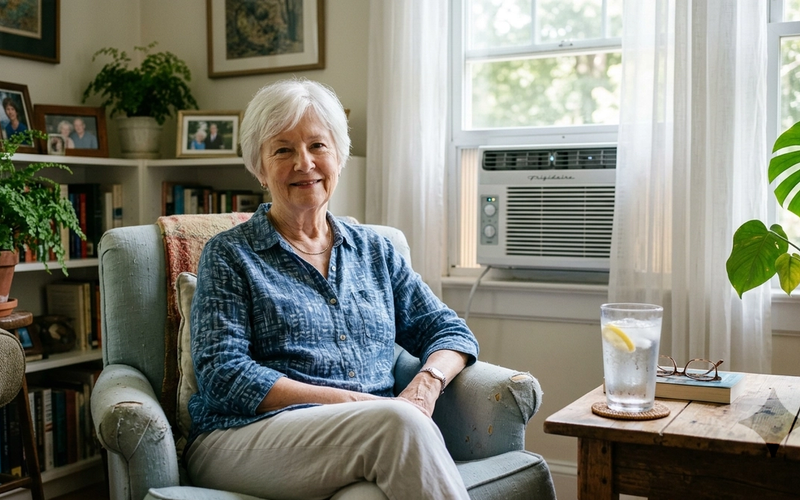
Help Paying for Air Conditioning: A Senior's Guide to Summer Cooling Assistance
A cool home in summer is a health need, not a luxury. Here is how seniors can get help paying cooling bills, find a free air conditioner, and stay safe when the heat climbs.

Filial Responsibility Laws: Can a Nursing Home Bill You for Your Parent's Care?
Most adult children don't know filial responsibility laws exist until a demand letter shows up. Twenty-nine states have statutes that can make you legally liable for a parent's nursing home costs. Here's when facilities actually use them and what to do if you get a bill.

GLP-1 Drugs and Older Adults: What Seniors Should Know Before Starting Ozempic or Wegovy
GLP-1 drugs work for weight loss in older adults, but the risks for people over 65 are largely absent from mainstream coverage. Muscle loss and bone density are the two concerns every senior and family member should understand before starting.
Explore senior living options
Comparing care for yourself or a family member? Browse communities by care type and see what each option typically costs.
- Assisted livingHelp with daily activities, costs, and how to choose a community.
- Independent livingMaintenance-free communities for active older adults.
- Home careIn-home support for seniors aging in place.
- Nursing homesSkilled nursing care and Medicare star ratings.
- Senior apartmentsAge-restricted, budget-friendly rental housing.
- Cost of senior livingCompare typical monthly prices by care type and state.