
Creating a Comfortable Living Space for Seniors: Tips and Tricks
Finding ways to make homes more comfortable and safe for aging becomes increasingly important as 77% of Americans over age 50 prefer to age in place rather than move elsewhere. Home modifications for seniors address the natural changes that come with aging – reduced strength, balance challenges, and mobility limitations that can make daily tasks…

Most Americans over 50 prefer to stay in their homes as they age rather than move to assisted living or nursing facilities. As strength, balance, and mobility decline, everyday tasks become harder. Home modifications address these changes directly.
An age-friendly home focuses on five things: staying independent, moving around safely, avoiding falls and injury, controlling access, and basic comfort. These changes help with mobility problems, disabilities, and health issues. In-home care costs about 10% more than assisted living, but most seniors choose their own homes. The right modifications let older adults keep their independence and stay where they want to live.
This guide covers practical changes you can make—from bathrooms and kitchens to smart technology—and how to pay for them.
- Key takeaways
- Essential home modifications for comfort and safety
- Grab bars and handrails
- Non-slip flooring and rugs
- Wider doorways and step-free entries
- Lever-style door handles and cabinet pulls
- Making bathrooms and kitchens senior-friendly
- Walk-in tubs and curbless showers
- Raised toilets and easy-turn faucets
- Pull-out shelves and lowered countertops
- Touchless kitchen appliances
- Smart technology to support aging in place
- Voice-activated assistants and smart lights
- Motion-sensor lighting for hallways and bathrooms
- Smart thermostats for temperature control
- Medical alert systems and emergency buttons
- Planning and paying for home modifications requires understanding your needs and what options exist. The costs range from $50 for grab bars to tens of thousands for major renovations. Financial help is available through government programs, nonprofits, and private financing.
- Conducting a home safety assessment
- Exploring Medicare Advantage and Medicaid waivers
- Using tax deductions and local grants
- Hiring certified home modification services for seniors
- Conclusion
- FAQs
Key takeaways
- Home modifications focus on safety, accessibility, and independence so older adults can stay in their homes.
- Grab bars, non-slip flooring, and lever-style handles reduce fall risks significantly with minimal upfront cost.
- Bathrooms are where one in four senior falls happen. Walk-in tubs, raised toilets, and curbless showers address specific mobility problems.
- Smart technology—voice assistants, motion-sensor lights, and medical alert systems—provides 24/7 support without complicated setup.
- Multiple funding sources can cover modification costs: Medicare Advantage plans, Medicaid waivers, tax deductions, and local grants can add up to $40,000 or more.
- Professional assessments from Certified Aging-in-Place Specialists identify which modifications matter most based on individual needs and budget.
Essential home modifications for comfort and safety
You don't need a complete home renovation to make it safer. Over half of all senior falls happen at home, so targeted modifications save lives.
Grab bars and handrails
Grab bars in the right places reduce fall risk. Install them in bathrooms with these specifications:
- Near showers, tubs, and toilets
- Anchored to wall studs for strength
- At 33 to 36 inches above the floor
- Add handrails along stairs and hallways for continuous support throughout the home.
Most seniors who use these supports report better stability and more confidence. For anyone with balance problems, handrails make a real difference.
Non-slip flooring and rugs
Flooring choice matters. The safest options:
- Rubber flooring stays slip-resistant even when wet
- Cork flooring provides traction and cushions falls
- Vinyl and low-pile carpet offer good stability for everyday movement
Avoid area rugs—they bunch up and cause trips. Add nonskid backing to existing carpets instead.
Wider doorways and step-free entries
Standard doorways are 30 to 32 inches wide, which is tight if you're using a walker or wheelchair. Aim for 36 inches.
Widening a doorway means removing the frame and enlarging the opening, usually requiring a professional. The payoff is immediate: better access throughout the home and fewer trip hazards.
Lever-style door handles and cabinet pulls
Traditional knobs require twisting. That's painful if you have arthritis or weak hands. Lever handles need just a push or pull, cutting required effort roughly in half.
Accessibility standards recommend hardware that requires no more than five pounds of force to operate. Research shows seniors using lever handles report 30% less hand strain.
Making bathrooms and kitchens senior-friendly
Bathrooms and kitchens are the riskiest rooms because of water, slippery surfaces, and physically demanding tasks. One in four senior falls happens in a bathroom.
Walk-in tubs and curbless showers
Walk-in tubs have a door so you step in rather than climbing over a wall. They come with slip-resistant floors, built-in seats, and grab bars. Basic models cost around $2,000; premium versions with jets or chromotherapy run up to $10,000.
Curbless showers work even better by eliminating the threshold entirely. Many seniors find these "roll-in" showers helpful, whether or not they use a wheelchair. Proper installation means a slight floor slope toward the drain and waterproofing that extends at least 2 inches up the walls. A shower curtain provides a cheap water barrier without restricting movement.
Raised toilets and easy-turn faucets
Standard toilets sit low, which stresses joints when sitting and standing. A raised seat adds 3 to 3.5 inches and makes these movements much easier. Some models support up to 1,000 pounds.
Traditional faucets frustrate people with arthritis or weak grip strength. Easy-turn handles have larger surfaces and better leverage. They attach to existing faucets and cut the effort needed significantly.
Pull-out shelves and lowered countertops make kitchens more accessible. Pull-out shelving eliminates deep reaches into cabinets—no kneeling or straining. Good systems hold up to 100 pounds. Lowering countertops lets people using wheelchairs or walkers reach work surfaces comfortably.
Standard 36-inch countertops are too high for wheelchair users. Optimal height is 28 to 34 inches with at least 24 inches of clearance underneath. Lowering wall cabinets by about 3 inches makes upper shelves reachable from a seated position.
Touchless kitchen appliances
Motion-sensor faucets eliminate gripping and turning. Some connect to voice assistants like Alexa so you can request specific amounts of water at preset temperatures. Automatic shutoff prevents accidental flooding.
Smart technology to support aging in place
Smart devices help seniors maintain independence at home. About one in three adults 65 and older own at least one smart home device besides a smart speaker.
Voice-activated assistants and smart lights
Voice assistants like Alexa and Google Home act as virtual companions. They set medication reminders, call emergency services, and provide first-aid instructions. Smart lights respond to voice commands or your phone, so you can light a room without hunting for switches in the dark.
Motion-sensor lighting for hallways and bathrooms
Motion-sensor lights turn on automatically when they sense movement, which is especially helpful for nighttime bathroom trips. Install them along hallways, in bathrooms, and on stairs. They stay on for a few minutes before shutting off to save energy. This cuts fall risk significantly.
Smart thermostats for temperature control
Smart thermostats designed for seniors have simple controls and maintain comfortable temperatures automatically. Safety settings prevent extreme swings that could affect health. You can adjust settings remotely from anywhere, which helps if a family member or caregiver is checking in.
Medical alert systems and emergency buttons
Wearable medical alert devices detect falls automatically and connect to emergency services with one button press. Most users report feeling protected at home. The devices offer 24/7 monitoring, GPS tracking, and direct access to emergency responders.
Planning and paying for home modifications
Before spending money, know what you need and what help is available. Costs range from $50 for grab bars to over $40,000 for major work. Multiple funding sources exist, including government programs and nonprofit grants.
Conducting a home safety assessment
Start by assessing your home's accessibility. Professional evaluations cost $199 to $399 depending on home size. They check every room—living areas, kitchens, bathrooms, bedrooms, stairs—for hazards and accessibility problems. Many organizations offer free checklists online. An occupational therapist can recommend changes tailored to your specific mobility needs.
Exploring Medicare Advantage and Medicaid waivers
Some Medicare Advantage plans now cover certain home modifications through extra benefits. Medicaid offers more through Home and Community Based Services waivers, which help pay for ramps, grab bars, and bathroom work. To qualify, monthly income must be under $2,982 with assets below $2,000. Contact your state Medicaid office to apply.
Using tax deductions and local grants
Many modifications qualify as tax-deductible medical expenses if they don't increase home value. Examples: entrance ramps, widened doorways, bathroom work. The USDA Section 504 Home Repair program offers loans up to $40,000 and grants up to $10,000 for very low-income seniors over 62. Local programs vary; some cities offer grants up to $15,000 for safety repairs.
Hiring certified home modification services for seniors
Certified Aging-in-Place Specialists have training in designing for seniors' actual needs. They understand how to make changes that keep people independent without sacrificing how the home looks. Working with an occupational therapist ensures modifications meet your medical needs. These professionals usually deliver better solutions than general contractors.
Conclusion
A comfortable home built for aging supports independence and quality of life. Grab bars, non-slip flooring, and wider doorways address the most common problems. Bathroom and kitchen modifications handle the rooms where seniors struggle most.
Smart technology works alongside physical changes. Voice assistants, motion lights, and medical alerts let seniors stay safe and independent without relying heavily on others.
Money shouldn't stop you from making these changes. Medicare, Medicaid, tax deductions, and local grants can cover significant costs. A professional assessment helps you prioritize based on what matters most for your situation and budget.
Aging in place means staying in a home you know, with people and things that matter to you. The right modifications let that happen as your body changes. Many of these changes benefit everyone in the household, not just seniors.
Home modifications let seniors age comfortably and with dignity, staying independent as their needs change.
FAQs
Important modifications include grab bars and handrails, non-slip flooring, wider doorways, and lever-style handles. These reduce fall risk and improve accessibility throughout the home.
Q2. How can bathrooms be made more senior-friendly? Walk-in tubs or curbless showers, raised toilets, and easy-turn faucets make bathrooms safer and easier to use for older adults with mobility challenges.
Q3. What smart technology can support aging in place? Voice assistants, motion-sensor lighting, smart thermostats, and medical alert systems make homes safer, provide medication reminders, and offer quick access to help in emergencies.
Q4. How can seniors finance home modifications? Options include Medicare Advantage plans, Medicaid waivers, tax deductions, and local grants. The USDA Section 504 Home Repair program offers loans and grants for low-income seniors over 62.
Q5. What professionals should be consulted for senior home modifications? Certified Aging-in-Place Specialists and occupational therapists have specialized training in designing for seniors' needs. They provide solutions that address specific medical requirements while keeping your home looking how you want it to.
Q5. What professionals should be consulted for senior home modifications? Consult Certified Aging-in-Place Specialists (CAPS) and occupational therapists. These professionals have specialized training in designing for seniors’ needs and can provide solutions that address specific medical requirements while maintaining the home's appearance.
Frequently asked questions
Get matched
Looking for senior care for someone you love?
Tell us what you're considering. We'll share independent matches and pricing directly with you. No phone calls until you ask for one.
- Takes about two minutes to complete.
- Pricing details emailed to you. No phone calls until you ask for one.
- Independent matching. We do not own the communities we list.
Loading the matching form…
Powered by SilverAssist. By submitting this form you agree to our privacy policy.
More from our editors
All articles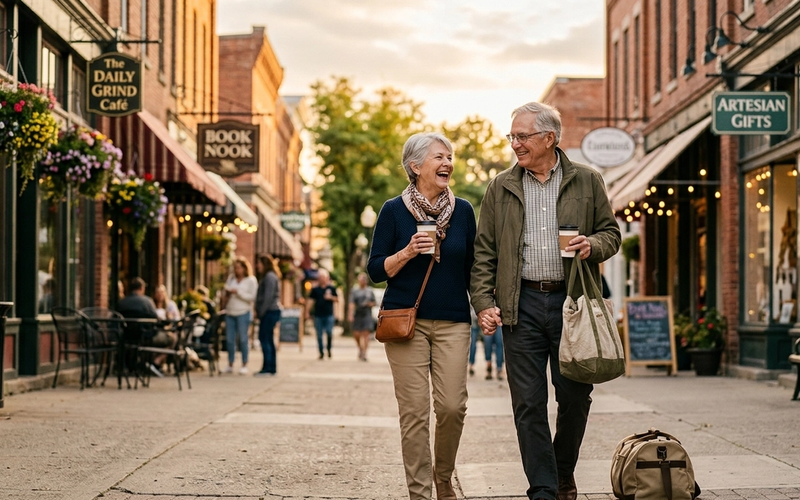
Best Weekend Trips and Short Getaways for Seniors
The best weekend trips for seniors are short, close to home, and built around one relaxed idea. Here are the kinds of short getaways that work well for older travelers, with real examples and how to plan one.
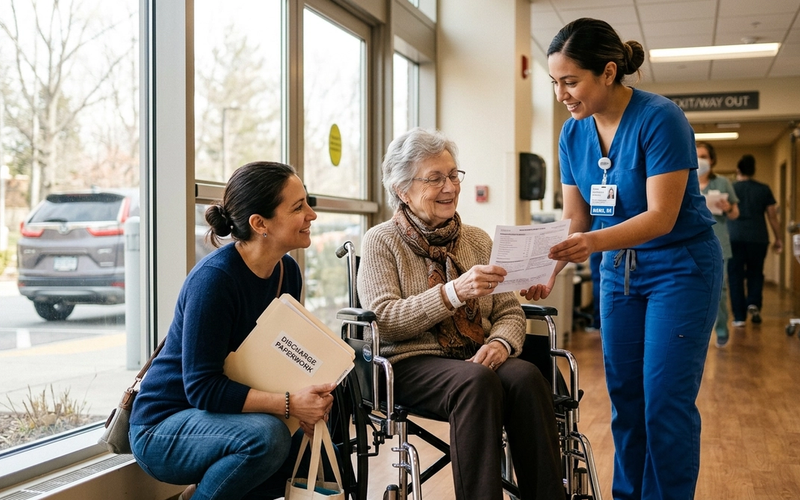
Hospital Discharge Planning for Seniors: A Family Guide
A hospital discharge for an older parent is a decision, not just a notice. Here is how discharge planning actually works, where families have leverage, and how to appeal a discharge you think is unsafe.
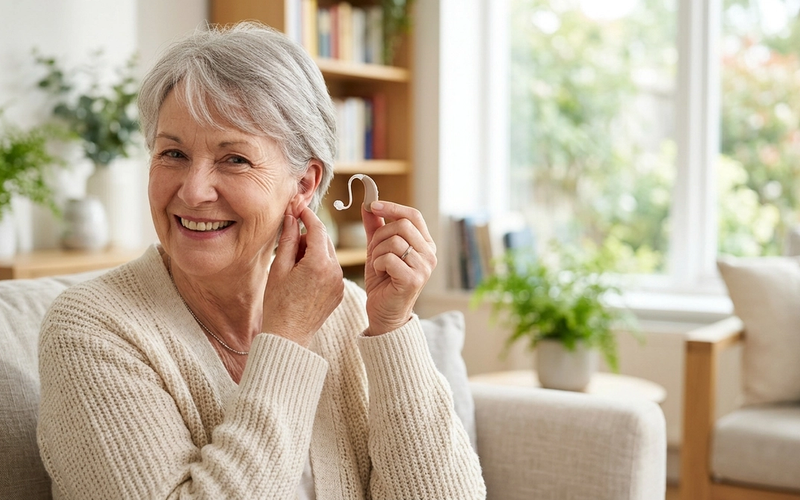
OTC Hearing Aids for Seniors: A 2026 Buyer's Guide
Over-the-counter hearing aids let adults with mild to moderate hearing loss skip the clinic and buy directly. Here is what they cost, who they fit, who should avoid them, and how they compare with prescription devices.
Explore senior living options
Comparing care for yourself or a family member? Browse communities by care type and see what each option typically costs.
- Assisted livingHelp with daily activities, costs, and how to choose a community.
- Independent livingMaintenance-free communities for active older adults.
- Home careIn-home support for seniors aging in place.
- Nursing homesSkilled nursing care and Medicare star ratings.
- Senior apartmentsAge-restricted, budget-friendly rental housing.
- Cost of senior livingCompare typical monthly prices by care type and state.