
Elder Abuse: A Comprehensive Guide to Recognition, Prevention, and Support
Elder abuse is a serious issue affecting millions of older adults worldwide, with far-reaching consequences for individuals, families, and society. As our elderly population grows, understanding and addressing this problem becomes increasingly crucial. This article delves into the various forms of elder abuse, its prevalence, and the steps we can take to protect our seniors…

Elder abuse affects millions of older adults worldwide. It harms individuals, families, and communities. As the elderly population grows, understanding and addressing this problem becomes increasingly urgent. This article covers the main types of elder abuse, how common it is, and what steps can protect seniors.
- What is elder abuse? Defining a growing crisis
- Types of elder abuse: Recognizing different forms of mistreatment
- Physical abuse
- Emotional or psychological abuse
- Financial abuse
- Neglect
- Sexual abuse
- Alarming statistics on elderly abuse: The scope of the problem
- Elder abuse is a serious and often hidden problem. Many cases go unreported. Victims may fear retaliation, feel ashamed, or not know where to seek help. Increasing awareness, building support systems, and taking preventive action are essential to protecting vulnerable seniors and ensuring they can live safely.
- Prevention strategies and interventions: Protecting our seniors
- Resources for victims and families: Where to turn for help
- Expert insights: A case study in effective intervention
- Conclusion: A call to action
What is elder abuse? Defining a growing crisis
Elder abuse is harm caused by a caregiver or trusted person through intentional or negligent acts. It often goes undetected. The World Health Organization estimates that approximately 1 in 6 older adults experiences some form of abuse in community settings each year.
Dr. Sarah Johnson, a geriatric specialist at the National Institute on Aging, says: "Elder abuse is not just a family matter. It's a public health crisis."
Types of elder abuse: Recognizing different forms of mistreatment
Understanding the different types of elder abuse helps identify and prevent it. The main categories are:
Physical abuse
Physical abuse involves using force in ways that cause bodily injury, pain, or impairment. Signs include:
- Unexplained bruises, burns, or injuries
- Broken bones or sprains
- Signs of restraint
Emotional or psychological abuse
This includes inflicting mental pain or distress through verbal or nonverbal acts. Indicators include:
- Unusual changes in behavior or sleep patterns
- Fear or anxiety around certain individuals
- Withdrawal from social activities
Financial abuse
Financial abuse ranges from theft of assets to manipulation of wills, often by people close to the victim. Red flags include:
- Unexplained withdrawals from bank accounts
- Missing valuables
- Sudden changes in financial documents
Neglect
Neglect is the failure to provide necessary care. It can be intentional or unintentional. Signs include:
- Untreated medical conditions
- Poor hygiene
- Lack of basic necessities like food or clean clothing
Sexual abuse
Sexual abuse is non-consensual sexual contact with an elderly person. Indicators may include:
- Bruising around breasts or genital area
- Unexplained sexually transmitted infections in older adults warrant medical evaluation and screening. Seniors deserve the same access to sexual health information and care as any age group.
- Torn or bloody underclothing
Alarming statistics on elderly abuse: The scope of the problem
About 1 in 10 older adults experience mistreatment each year. These numbers likely underestimate the true scope because many cases are not reported.
- In community settings, psychological abuse is the most common form, affecting 11.6% of elderly individuals.
- Financial abuse impacts 6.8% of community-dwelling older adults.
- In nursing homes, 64.2% of staff admitted to committing some form of abuse in the past year.
The problem will likely grow as the population ages. By 2050, people aged 60 and older are projected to number 2 billion, potentially increasing elder abuse victims to 320 million.
Underreporting remains a major barrier
Elder abuse is significantly underreported. For every reported case, experts estimate 24 additional cases go unreported. Several factors keep victims silent:
- Fear of retaliation from the abuser
- Shame or embarrassment
- Dependency on the abuser for care or financial support
- Cognitive impairments that make reporting difficult
Dr. Lisa Chen, a researcher at the National Center on Elder Abuse, notes: "Many elderly victims fear that reporting will cost them their independence or result in nursing home placement. This fear often silences them, even when abuse is severe."
Prevention strategies and interventions: Protecting our seniors
Preventing elder abuse requires action at multiple levels—individual, community, and institutional. Effective strategies include:
- Education and awareness: Public knowledge about the signs of elder abuse and how to report it is critical. World Elder Abuse Awareness Day (June 15) supports these efforts.
- Support for caregivers: Respite care and caregiver resources reduce stress and burnout that can lead to abuse.
- Financial protection: Stricter oversight of financial transactions involving older adults can prevent exploitation.
- Community programs: Age-friendly health systems and social networks reduce isolation and create safety nets for vulnerable seniors.
- Professional training: Healthcare providers, social workers, and law enforcement need specialized training in recognizing and responding to elder abuse.
Resources for victims and families: Where to turn for help
If you suspect elder abuse, knowing how to report it and where to find support is important. Here are key resources:
- Emergency situations: Call 911 if an older adult is in immediate danger.
- National Elder Fraud Hotline: For financial abuse, call 833-FRAUD-11 (833-372-8311).
- Adult Protective Services (APS): Each state has an APS agency that investigates reports of abuse. Find your local agency through the National Adult Protective Services Association.
- Long-term Care Ombudsman Program: For abuse in nursing homes or assisted living, contact your state's Long-term Care Ombudsman.
- National Center on Elder Abuse (NCEA): Provides resources, research, and support at https://ncea.acl.gov/.
Reporting elder abuse protects vulnerable seniors. These local and national resources can guide you through the process.
Expert insights: A case study in effective intervention
Dr. Maria Rodriguez, a forensic nurse specializing in elder abuse, describes a successful intervention:
An 82-year-old woman's grandson was withdrawing money from her accounts without permission. A bank teller noticed the pattern and reported it to Adult Protective Services. APS, law enforcement, and healthcare providers coordinated to stop the abuse, support the victim, and pursue legal recovery of her assets. This case shows how community awareness and quick reporting save lives.
Conclusion: A call to action
Elder abuse can be prevented through awareness, proactive steps, and collaboration. Understanding the signs, supporting older adults, and knowing how to report concerns make a difference.
The first step is recognizing the signs: unexplained injuries, sudden behavior changes, or unusual financial activity. If you suspect abuse, use the resources in this article. Your action protects elders and ensures they receive the respect and care they deserve.
Get matched
Looking for senior care for someone you love?
Tell us what you're considering. We'll share independent matches and pricing directly with you. No phone calls until you ask for one.
- Takes about two minutes to complete.
- Pricing details emailed to you. No phone calls until you ask for one.
- Independent matching. We do not own the communities we list.
Loading the matching form…
Powered by SilverAssist. By submitting this form you agree to our privacy policy.
More from our editors
All articles
Best Weekend Trips and Short Getaways for Seniors
The best weekend trips for seniors are short, close to home, and built around one relaxed idea. Here are the kinds of short getaways that work well for older travelers, with real examples and how to plan one.
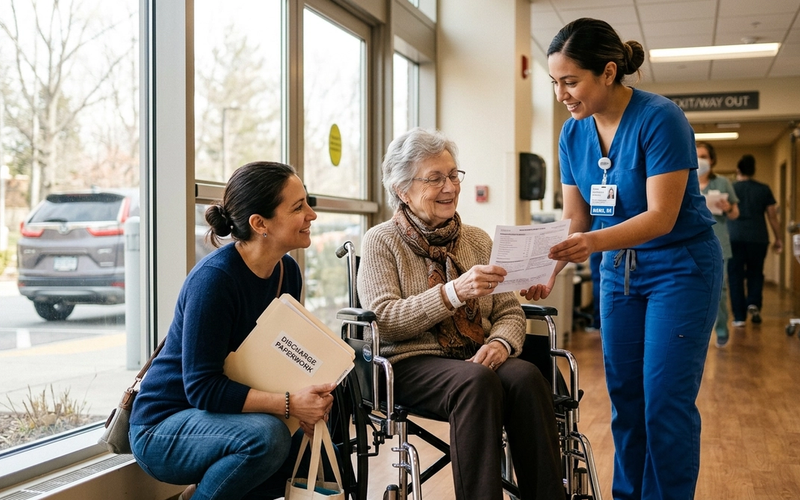
Hospital Discharge Planning for Seniors: A Family Guide
A hospital discharge for an older parent is a decision, not just a notice. Here is how discharge planning actually works, where families have leverage, and how to appeal a discharge you think is unsafe.
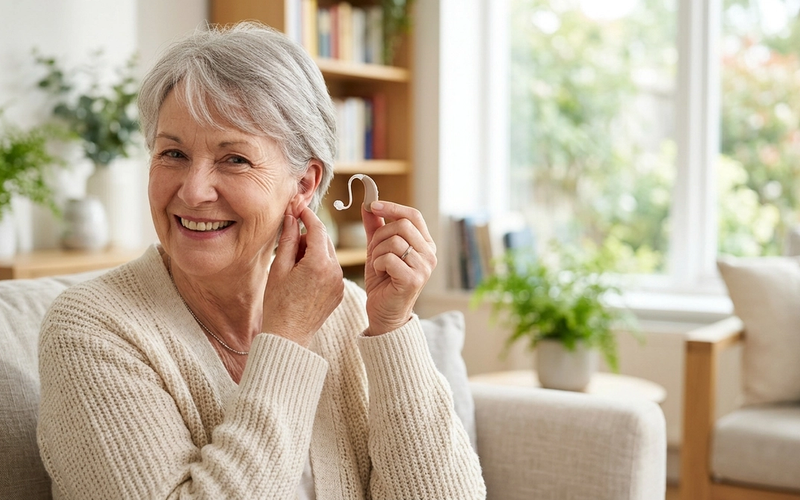
OTC Hearing Aids for Seniors: A 2026 Buyer's Guide
Over-the-counter hearing aids let adults with mild to moderate hearing loss skip the clinic and buy directly. Here is what they cost, who they fit, who should avoid them, and how they compare with prescription devices.
Explore senior living options
Comparing care for yourself or a family member? Browse communities by care type and see what each option typically costs.
- Assisted livingHelp with daily activities, costs, and how to choose a community.
- Independent livingMaintenance-free communities for active older adults.
- Home careIn-home support for seniors aging in place.
- Nursing homesSkilled nursing care and Medicare star ratings.
- Senior apartmentsAge-restricted, budget-friendly rental housing.
- Cost of senior livingCompare typical monthly prices by care type and state.