
Elderly Caregiver Guide: What I Wish Someone Had Told Me Day One
Nearly 25% of American households provide care to people age 50 years and over. You may find yourself unexpectedly joining these ranks, just as I did when I became an elderly caregiver for my aging parent. Millions of Americans care for a friend or family member with a serious health condition, yet few understand what this responsibility truly…

Nearly 25% of American households have someone caring for a family member or friend age 50 or older. I didn't expect to become one of them until my parent's health declined. Millions of Americans take on caregiving roles, but most don't understand what it actually means until they're doing it.
The job is bigger than people assume. You manage bathing, medications, cooking, cleaning, driving, and providing emotional support. If you're caring for a parent or another older relative, you'll coordinate with multiple family members and doctors. The toll is real: 80% of caregivers report significant stress, and roughly half experience clinical depression.
Caregiving means balancing competing needs while respecting your loved one's independence and preferences. Finding safe housing requires research, and the work itself demands knowledge you probably don't have yet. This guide covers what I wish I'd known from day one: what caregiving actually involves, how to make a home safe, how to talk to doctors, and—most importantly—how to keep yourself from falling apart in the process.
- Understanding What a Caregiver Really Does
- The emotional and physical scope of caregiving
- Why caregiving is a complex role
- What I misunderstood on day one
- The First Five Duties I Wish I Had Prepared For
- 1. Personal care and hygiene support
- 2. Medication management and tracking
- 3. Meal planning and nutrition
- 4. Mobility and fall prevention
- 5. Emotional support and companionship
- Home setup and safety: what no one warned me about
- Identifying hidden hazards in the home
- Essential safety tools and modifications
- Emergency planning and response readiness
- The hidden work: communication, paperwork, and appointments
- Talking to doctors means more than scheduling visits. You need to understand what's being said, ask questions, and participate in decisions about your loved one's care. Good communication with doctors helps ensure better outcomes and builds the trust you'll need to advocate for their needs.
- Managing insurance and medical records
- Scheduling and attending appointments
- Taking care of yourself while caring for others
- Recognizing signs of burnout
- Setting boundaries and asking for help
- Finding support groups and respite care
- Bottom line
- Key takeaways
- FAQs
Understanding what a caregiver really does
Caregiving revealed things I never saw coming. About 1 in 3 American adults is a family caregiver, but most people don't understand what that means until they're living it.
The emotional and physical scope of caregiving
Caregiving takes a physical and emotional toll over time. It's unpredictable and demands constant attention. More than half of caregivers report increased stress, worry about the future, and anxiety.
The physical part hit me hardest. You help with mobility, transfer someone from bed to chair, support them through exercises. That takes balance, coordination, and strength. Older caregivers feel it especially—the work can worsen your own age-related problems and chronic conditions.
You might feel angry, frustrated, guilty, sad, helpless. These aren't signs you're doing it wrong. They're normal responses to a role that touches every part of your life.
Why caregiving is a complex role
I thought caregiving meant occasional help with errands or company. It's much broader:
- Medical coordination: appointments, medications, symptom monitoring, talking to doctors
- Personal care: bathing, dressing, toileting, grooming
- Household work: cooking, cleaning, laundry, shopping
- Admin: managing money, insurance claims, paperwork
But emotional support is often the biggest part. It means real conversation, listening, reassuring them when things get scary, helping them stay connected to people they care about.
If your loved one has dementia, everything gets harder. They need more watching, show less gratitude, and depression is more common. That combination makes caregiving considerably more difficult.
What I misunderstood on day one
My biggest mistake was thinking caregiving would be temporary. I didn't realize it would become a constant source of stress that bleeds into work, family, and my own health.
I also didn't expect the isolation. The demands gradually pulled me away from friends. That's something a lot of caregivers experience.
The time shocked me most. If you're helping someone with three or more self-care needs, you're working about 253 hours a month—nearly two full-time jobs. Balancing my own life with that proved harder than I thought.
But caregiving has also brought unexpected rewards. A survey by the National Opinion Research Center found that 83% of caregivers view their experience as positive, even with the difficulties. For me, it's added meaning to my life and strengthened relationships I didn't expect to deepen.
Caregiving keeps changing as needs change. It started simple but now demands constant adjustment, learning, and growth.
The first five duties I wish I had prepared for
The reality of caregiving became clear in my first week. Looking back, I wish I'd known more about these five core responsibilities before I started.
1. Personal care and hygiene support
Helping with bathing, grooming, and toileting turned out to be harder than I expected. It's the most demanding part of my caregiving.
Older adults struggle with hygiene as strength and balance fade. Bathing twice a week is usually enough. A sponge bath in between works fine. The most important thing is keeping dignity intact.
Talking openly before you start helps reduce embarrassment. Simple things like a wrap-around towel robe protect privacy during showers. Moisturizing soap prevents the dry skin that's common in older age.
2. Medication management and tracking
Medication mistakes lead to about 30% of hospital admissions in older adults. More than 11% come from people not taking medications as prescribed. I had to create a solid system.
My system includes:
- A list of all medications: prescriptions, over-the-counter, and supplements
- Weekly pill organizers to sort doses
- Reminders for taking medications
- Tracking for side effects and interactions
- Staying on top of refills
Medication reconciliation matters because 30-66% of older patients have gaps between what they're prescribed and what they actually take. Many keep old medications from years past, which adds to the safety risk.
3. Meal planning and nutrition
Good nutrition gets harder with age and matters more. Planning meals for an older adult means thinking about their nutritional needs and any physical limits they have.
Older people do better with less added sugar, saturated fat, and sodium. Protein matters throughout the day to keep muscle—from fish, dairy, fortified soy, beans, lentils.
Fortified cereals are solid because they're nutrient-dense, need almost no prep, and help with hydration. Making food that's both healthy and easy to eat is core to good caregiving.
4. Mobility and fall prevention
Falls are a serious problem. Every second, an older adult falls somewhere in the US. About 41,000 die from fall injuries each year. Making a safe home became my first priority.
Key safety steps:
- Remove clutter from walkways and secure loose rugs
- Add lighting to hallways and stairs
- Install grab bars by toilets and in showers, plus stair handrails
- Put non-slip mats in wet areas
- Get proper footwear with flat, non-skid soles
Regular exercise (with doctor approval) builds strength, balance, and coordination—all essential for fall prevention.
5. Emotional support and companionship
Emotional support proved as important as the physical stuff. More than 17% of adults 65+ have no one to confide in. Loneliness is a real problem.
Regular social contact keeps them mentally sharp and emotionally stronger. Real companionship means:
- Real conversation and doing things together
- Actually listening to what they're saying
- Being there when things get hard
- Helping them stay connected to the people they care about
Older adults with friends or family nearby have bigger drops in depression and anxiety than those without. For me, this emotional piece—though it doesn't show up in any task list—was the most rewarding part.
Home setup and safety: what no one warned me about
The home environment matters just as much as medical care. It needs to be safe, accessible, and livable. That means spotting hazards, getting light where you need it, and adding tools that help. Starting these changes early makes a real difference in how independently your loved one can live. A prepared home is foundational to quality of life in aging.
When I started caregiving, I didn't realize how many hidden dangers lurked in a seemingly safe home. Falls are serious: every second, an older adult falls somewhere in the US. That adds up to 3 million ER visits and 1 million hospitalizations each year.
Identifying hidden hazards in the home
Bedrooms, stairs, and bathrooms are where most dangerous falls happen. Simple things can cause trouble: throw rugs, dark hallways, even pets.
About 1 in 10 adults over 65 struggle to live in or use their homes, mostly because of stairs. Floor transitions between different surfaces—carpet to tile—are tricky. Extension cords and clutter add serious risk.
Hospitals treat 2.9 million older adults each year for home injuries. A lot of those come from things that seem minor: bad medication storage, poor lighting, furniture that can slide.
Essential safety tools and modifications
After I checked the house thoroughly, I made these changes:
- Bathroom: installed grab bars near the toilet and in showers, added non-slip mats, got a shower chair with a back
- Fall prevention: removed throw rugs, secured electrical cords, put non-slip strips on stairs
- Lighting: added night lights in hallways and bathrooms, marked stair edges with colored tape
- Mobility: installed handrails on both sides of stairs and in long hallways
Walk-in tubs or curbless showers are ideal because 80% of falls for seniors over 65 happen in bathrooms. I made bathroom safety my first move.
Emergency planning and response readiness
I created an emergency response plan for our household:
Emergency numbers by every phone, and phones reachable from the floor in case of a fall. I put together a LIFE file (Lifesaving Information for Emergencies) with medical history, medication lists, and who to call.
Your support network should have at least one person with a house key, who knows where supplies are and how to give medications.
A disaster kit with several days of water, food, medications, and important documents saved us during an unexpected power outage. Having this ready gives real peace of mind.
The hidden work: communication, paperwork, and appointments
The administrative side of caregiving blindsided me. You expect to help with meals and daily tasks. What you don't see coming is all the communication, paperwork, and appointments. It requires organization and persistence.
Talking to doctors and understanding medical terms
Understanding what doctors say is critical. Beyond scheduling or refilling prescriptions, you need to understand diagnoses, ask good questions, and help make care decisions. This section helps you communicate with doctors and understand what they're telling you.
My first doctor visit as a caregiver left me nodding while feeling lost in medical jargon. Older patients often get less information than younger ones, even though they want more details. Better communication with doctors leads to better care and makes it easier to adapt to aging.
These strategies help:
- Learn about your loved one's conditions using reliable sources
- Write down questions before you go. It keeps you focused, helps you remember what the doctor said, and makes better use of limited appointment time.
- Ask doctors to explain things in plain English
- Ask for written summaries of important information
If a doctor rushes or cuts you off, push back politely. You need time to discuss concerns. Clear communication affects both how satisfied you are and your loved one's actual health.
Managing insurance and medical records
Research shows that older cardiac patients who kept personal health records had better outcomes. Organizing medical documents feels overwhelming at first, but a system helps a lot.
Your filing system should have three parts:
- A directory of all doctors, their phone numbers and addresses
- Recent medical records, hospital discharge summaries, test results, and current medication lists
- Logs of symptoms and side effects to track patterns
Good organization saves time in emergencies. Keep copies in three places: at home, in your car for appointments, and digital backup for quick access.
Scheduling and attending appointments
Transportation is another surprise challenge. Older people who can't drive often skip appointments, which hurts their health. Getting ready for a medical visit takes work.
Before each visit, gather documents, insurance cards, medication lists, and write out your questions. After, update your records with anything new the doctor told you.
Take detailed notes during appointments. Many older patients feel rushed and uncomfortable discussing personal health issues. You may need to speak up to make sure your loved one gets enough time and gets their concerns addressed.
Taking care of yourself while caring for others
Caring for someone takes a toll, so paying attention to your own needs becomes essential. I learned after months of caregiving that your own well-being matters just as much as your loved one's.
Recognizing signs of burnout
Caregiver burnout is physical, emotional, and mental exhaustion. Watch for these warning signs:
- Sleep problems and constant fatigue
- Weight changes and poor eating habits
- Getting irritated or angry easily
- Avoiding activities you used to enjoy
- Feeling hopeless or helpless
These affect both caregiver and care recipient. Between 46% and 59% of caregivers become clinically depressed. Spotting these signs early lets you act before burnout takes over.
Setting boundaries and asking for help
Boundaries help you keep caregiving sustainable. Learning to say no without guilt is essential. Many caregivers realize that boundaries aren't selfish—they're necessary.
Make a list of specific tasks others can take on. Even short breaks help. Someone taking your loved one for a walk or sitting with them while you run errands gives you needed breathing room.
Finding support groups and respite care
Support groups connect you with people who actually understand. 82% of caregivers say their physical and mental health suffers from caregiving. Talking with others in the same situation gives you both practical tips and emotional support.
Respite care gives you temporary relief while your loved one keeps getting quality care. Options include someone coming to the house, adult day services, or short-term nursing home stays. You might feel guilty using respite care at first, but remember: taking care of yourself means you can take better care of them.
Bottom line
Caring for an older loved one involves far more than basic help. You manage personal care, medications, meals, home safety, and emotional support. You also handle appointments, insurance, and medical paperwork. These demands are real and physical, and most caregivers learn as they go.
Home safety comes first: there are 3 million emergency room visits for senior falls each year. You'll also spend huge amounts of time on appointments, insurance, and talking to doctors—work that requires careful organization and persistence.
Your own health isn't optional when you're caregiving. Spotting burnout symptoms, setting boundaries, and accepting help or respite care lets you provide sustainable, good care. 82% of caregivers report their well-being suffers from caregiving, so taking care of yourself is essential, not a luxury.
Caregiving brings real challenges, but many caregivers find it meaningful. The experience often strengthens relationships and creates unexpected growth. Knowing what's ahead helps you prepare better.
Millions of families care for aging relatives. You're not alone in this. With preparation, support, and self-compassion, you can provide excellent care while staying healthy yourself. Knowledge and planning help you succeed.
Key takeaways
Caring for older family members is more complicated than most people realize. It takes preparation in medical management, safety, and emotional support.
• Caregiving includes medications, hygiene, nutrition, home safety, paperwork, and emotional support.
• Home safety is critical: remove hazards, install grab bars, improve lighting, and plan for emergencies. Falls cause 3 million ER visits a year.
• Administrative work takes serious time: learn medical terminology, organize health records, manage appointments, and communicate clearly with doctors.
• Your health matters: watch for burnout signs, set boundaries, ask for help, and use respite care to protect your own mental and physical health.
• Preparation helps: understanding these realities ahead of time makes the transition smoother. Caregiving touches 25% of American households.
Caregiving changes both caregiver and the person being cared for. It brings challenges, but also unexpected depth and closer relationships when you approach it with knowledge and self-compassion.
FAQs
Q1. What are the most important duties of an elderly caregiver? Main responsibilities are personal care and hygiene, medication management, meal planning, fall prevention and mobility, and emotional support.
Q2. How can I make a home safer for an elderly person? Remove throw rugs and clutter, install grab bars in bathrooms, improve lighting throughout the house, secure electrical cords, and add handrails on stairs.
Q3. What should I prepare for when communicating with healthcare providers? Write down questions before appointments, ask doctors to explain things clearly, keep detailed medical records, and don't hesitate to ask for sufficient time to address your concerns.
Q4. How can I recognize signs of caregiver burnout? Watch for sleep problems, constant fatigue, weight changes, irritability, avoiding activities you enjoyed, and feeling hopeless.
Set boundaries, ask for help, join a support group, and use respite care to take regular breaks from caregiving duties.
Frequently asked questions
Get matched
Looking for senior care for someone you love?
Tell us what you're considering. We'll share independent matches and pricing directly with you. No phone calls until you ask for one.
- Takes about two minutes to complete.
- Pricing details emailed to you. No phone calls until you ask for one.
- Independent matching. We do not own the communities we list.
Loading the matching form…
Powered by SilverAssist. By submitting this form you agree to our privacy policy.
More from our editors
All articles
Best Weekend Trips and Short Getaways for Seniors
The best weekend trips for seniors are short, close to home, and built around one relaxed idea. Here are the kinds of short getaways that work well for older travelers, with real examples and how to plan one.
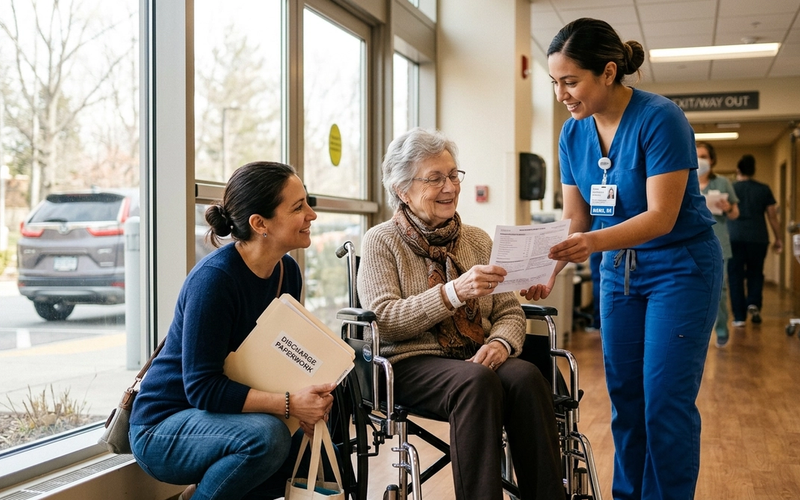
Hospital Discharge Planning for Seniors: A Family Guide
A hospital discharge for an older parent is a decision, not just a notice. Here is how discharge planning actually works, where families have leverage, and how to appeal a discharge you think is unsafe.
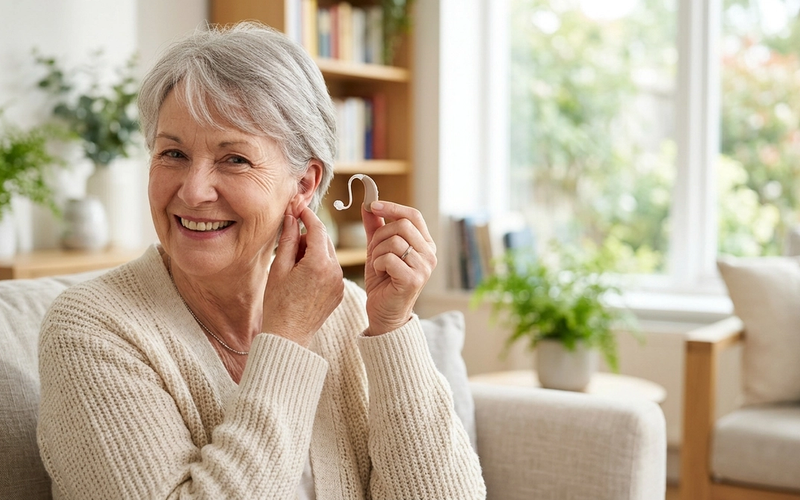
OTC Hearing Aids for Seniors: A 2026 Buyer's Guide
Over-the-counter hearing aids let adults with mild to moderate hearing loss skip the clinic and buy directly. Here is what they cost, who they fit, who should avoid them, and how they compare with prescription devices.
Explore senior living options
Comparing care for yourself or a family member? Browse communities by care type and see what each option typically costs.
- Assisted livingHelp with daily activities, costs, and how to choose a community.
- Independent livingMaintenance-free communities for active older adults.
- Home careIn-home support for seniors aging in place.
- Nursing homesSkilled nursing care and Medicare star ratings.
- Senior apartmentsAge-restricted, budget-friendly rental housing.
- Cost of senior livingCompare typical monthly prices by care type and state.