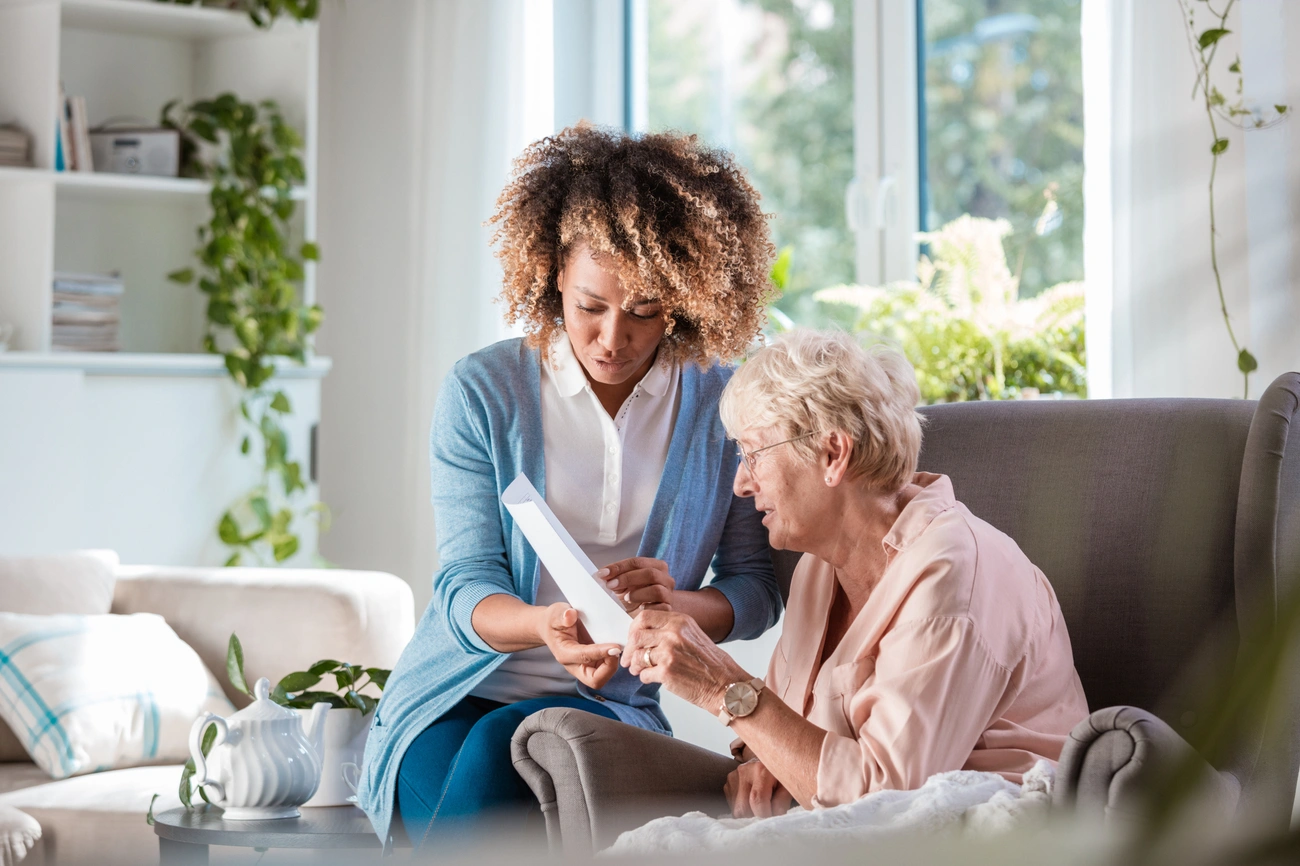
Nearly 25% of American households provide care to people age 50 years and over. You may find yourself unexpectedly joining these ranks, just as I did when I became an elderly caregiver for my aging parent. Millions of Americans care for a friend or family member with a serious health condition, yet few understand what this responsibility truly involves until they’re living it.
Caregivers manage duties that extend far beyond what most people expect. You’ll handle bathing and grooming, medication management, food preparation, housekeeping, transportation, and emotional support. Whether you’re caring for a parent or another older relative, this role often requires coordination with multiple family members and healthcare providers. The statistics tell a sobering story: 80% of caregivers report significant stress levels, while 50% experience clinically significant depression.
The caregiving role involves addressing varied needs while respecting your loved one’s privacy and preferences. Finding affordable senior housing can take some research, and caregiving presents similar challenges that require preparation and knowledge. This guide shares what I wish someone had explained on day one about caregiving realities, home safety requirements, communication with healthcare providers, and most importantly, maintaining your own well-being while caring for someone else.
Understanding What a Caregiver Really Does
The caregiver role revealed complexities I never anticipated. About 1 in 3 adults in the United States serves as an informal or family caregiver, yet most people don’t grasp what this responsibility involves until they experience it directly.
The emotional and physical scope of caregiving
Caregiving creates physical and psychological strain over extended periods, involves high levels of unpredictability, and frequently requires constant vigilance. The emotional impact proves substantial-more than half of surveyed caregivers report increased stress, worry about the future, and anxiety.
The physical demands surprised me most. Caregivers assist with mobility, transfer loved ones from beds to chairs, and provide support during exercise-tasks requiring balance, coordination, and strength. Older caregivers face particular vulnerability as caregiving duties may worsen age-related limitations and chronic conditions.
Emotionally, you may experience anger, frustration, guilt, sadness, and feelings of helplessness. These emotions aren’t signs of inadequacy-they’re normal responses to a role that affects every aspect of daily life.
Why caregiving is more than just helping out
Before starting this journey, I assumed caregiving meant occasional errands or companionship. Instead, the responsibilities include:
- Medical coordination: Scheduling appointments, organizing medications, monitoring symptoms, and communicating with healthcare professionals
- Personal care assistance: Helping with bathing, dressing, toileting, and grooming
- Household management: Meal preparation, cleaning, laundry, and grocery shopping
- Administrative duties: Managing finances, processing insurance claims, and handling paperwork
Caregivers also provide crucial emotional support, which many report as their most time-consuming responsibility. This involves building meaningful connections, promoting self-worth, and encouraging social interaction despite health challenges.
Caring for someone with dementia intensifies these responsibilities significantly. People with dementia typically require more supervision, express less gratitude, and experience higher rates of depression-making caregiving considerably more challenging.
What I misunderstood on day one
My biggest misconception was thinking caregiving would be a temporary adjustment to my routine. I didn’t realize it would become a chronic stress experience affecting work, family relationships, and personal health.
I also underestimated how isolating caregiving becomes. The demands gradually separated me from social circles, an experience shared by many caregivers.
The time commitment shocked me most. Caregivers assisting someone with three or more self-care needs spend approximately 253 hours monthly-nearly equivalent to two full-time jobs. Balancing my own life with these responsibilities proved more difficult than expected.
Despite these challenges, caregiving has brought unexpected rewards. According to a National Opinion Research Center survey, 83% of caregivers view their experience as positive despite the difficulties. The role has added meaning to my life and strengthened certain relationships in ways I hadn’t anticipated.
Caregiving continues evolving as needs change. What began as simple assistance has developed into a system requiring constant adaptation, learning, and personal growth.
The First Five Duties I Wish I Had Prepared For
Caregiving responsibilities became clear quickly during my first week. Looking back, certain duties required much better preparation than I initially realized. Consider these five core responsibilities that I wish someone had explained from the beginning.
1. Personal care and hygiene support
Personal hygiene assistance proved more challenging than expected. Helping with bathing, grooming, and toileting quickly became my most demanding responsibility.
Many older adults find regular hygiene routines difficult as strength, balance, and mobility decrease. Bathing twice weekly typically provides adequate cleanliness, with sponge baths between full baths. Maintaining dignity throughout these procedures should remain your primary concern.
Clear communication before starting hygiene routines helps reduce embarrassment. Simple solutions like wrap-around towel robes provide privacy during shower transfers. Moisturizing soaps help prevent dry skin, which commonly affects elderly individuals.
2. Medication management and tracking
Medication errors cause approximately 30% of hospital admissions among older adults, with more than 11% attributed to medication nonadherence. This reality made creating an organized system essential.
My medication management system includes:
- Updated lists of all medications (prescription, over-the-counter, and supplements)
- Weekly pill organizers for sorting doses
- Medication reminder systems
- Side effect and interaction tracking
- Timely refill coordination
Medication reconciliation remains vital since 30-66% of elderly patients have discrepancies between prescribed medications and what they actually take. Many older adults keep outdated medications from previous years, creating additional safety risks.
3. Meal planning and nutrition
Proper nutrition becomes increasingly important yet challenging with age. Meal planning for elderly individuals requires special consideration of nutritional needs and physical limitations.
Older adults benefit from foods with minimal added sugar, saturated fats, and sodium. Adequate protein throughout the day helps maintain muscle mass, typically from seafood, dairy, fortified soy products, beans, and lentils.
Fortified cereals proved excellent choices since they provide essential nutrients, require minimal preparation, and contribute to daily hydration needs. Preparing meals that are both nutritious and easy to consume became a key caregiving responsibility.
4. Mobility and fall prevention
Falls pose serious threats to elderly well-being. Every second, an older adult falls somewhere in the United States, with approximately 41,000 older adults dying annually as a result. Creating safe environments became my immediate priority.
Essential safety measures include:
- Removing walkway clutter and securing loose rugs
- Improving lighting in hallways and staircases
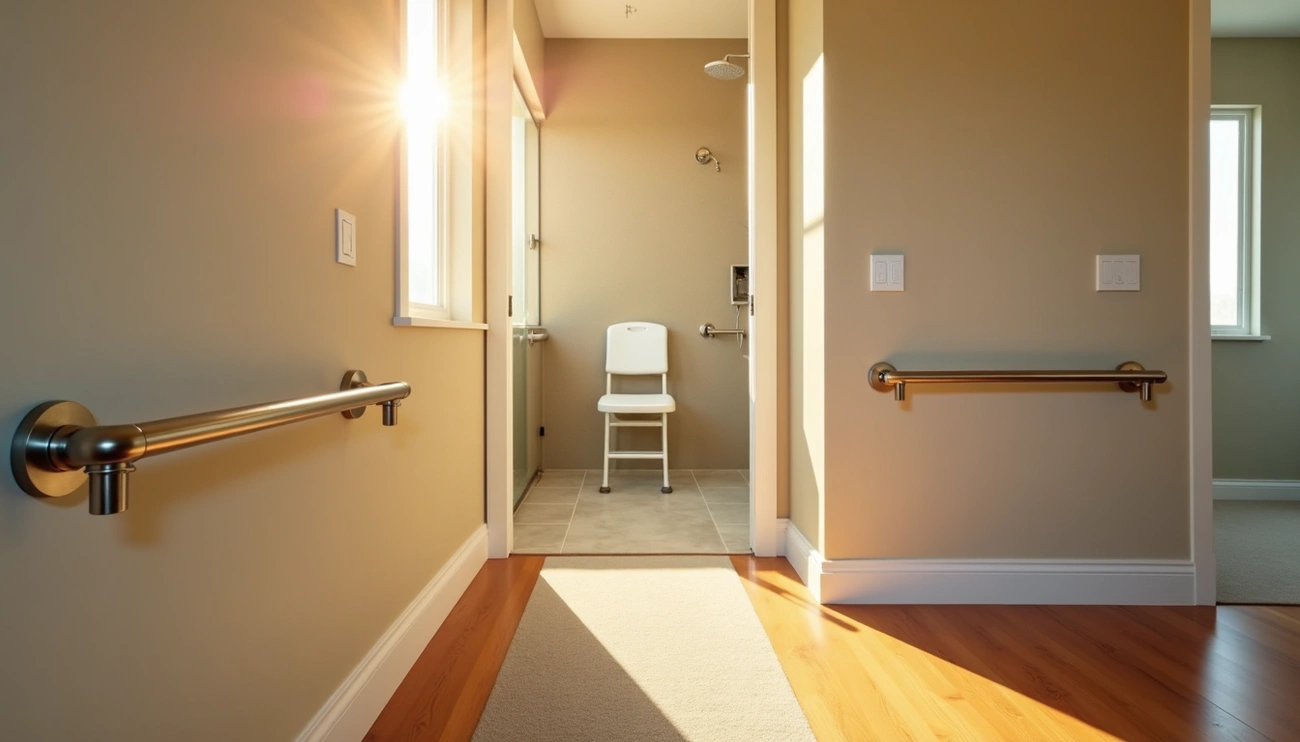
- Installing bathroom grab bars and stair handrails
- Adding non-slip mats in wet areas
- Ensuring proper footwear with flat, non-skid soles
Regular physical activity (with medical approval) helps improve strength, balance, and coordination-all crucial for fall prevention.
5. Emotional support and companionship
The emotional dimension of caregiving proved equally important as physical care. More than 17% of adults aged 65+ report having no one to confide in, making loneliness and isolation common concerns.
Regular social interaction contributes significantly to mental agility and emotional resilience. Meaningful companionship involves:
- Engaging in conversations and shared activities
- Listening actively to concerns and memories
- Providing reassurance during difficult moments
- Helping maintain connections with friends and family
Older adults with peer companionship experience greater reductions in depression and anxiety symptoms than those without such support. This emotional aspect of caregiving, while less visible, ultimately became one of the most rewarding elements of my role.
Home Setup and Safety: What No One Warned Me About
When I became an elderly caregiver, no one mentioned how many hidden dangers existed in what seemed like a perfectly safe home. The reality is sobering: every second, an older adult falls in the US, resulting in 3 million emergency room visits and 1 million hospitalizations annually.
Identifying hidden hazards in the home
The most common locations for injurious falls are bedrooms, stairs, and bathrooms. Ordinary household items suddenly became potential hazards: throw rugs created tripping dangers, poor lighting made hallways treacherous, and even beloved pets posed fall risks.
About 1 in 10 adults over 65 report difficulty living in or using their homes, primarily due to challenges with stairs. Floor transitions between different materials (such as carpet to tile) create unexpected dangers, while extension cords and cluttered walkways increase accident risks significantly.
Hospital records show that 2.9 million older adults receive treatment each year for injuries sustained at home. Seemingly minor issues like improper medication storage, inadequate lighting, and unsecured furniture account for many preventable incidents.
Essential safety tools and modifications
After conducting a thorough home assessment, I implemented these critical modifications:
- Bathroom safety: Installing grab bars near toilets and in showers, adding non-slip mats, and considering a shower chair with a back
- Fall prevention: Removing throw rugs, securing electrical cords, and applying textured non-slip strips on stairs
- Visibility improvements: Adding night lights throughout hallways and bathrooms, marking stair edges with colored tape
- Mobility aids: Installing handrails on both sides of stairs and in long hallways
Walk-in tubs or curbless showers are ideal bathroom modifications since 80% of falls among seniors over 65 occur in bathrooms. These changes became my first priority.
Emergency planning and response readiness
Creating an emergency response plan became essential for our household safety:
Emergency numbers should be posted by each telephone, with phones accessible from the floor in case of falls. I assembled a LIFE file (Lifesaving Information for Emergencies) containing medical information, medication lists, and emergency contacts.
Having a support network listed in the emergency plan proves crucial. At least one person in your support network should have a house key, know where emergency supplies are located, and understand how to administer medications.
A disaster kit with several days’ worth of water, food, medications, and essential documents proved invaluable during an unexpected power outage. These preparations provide peace of mind and practical solutions when emergencies arise.
The Hidden Work: Communication, Paperwork, and Appointments
The administrative side of caregiving caught me completely off guard. You might expect to help with meals and daily activities, but behind every aspect of care lies an extensive system of communication, paperwork, and appointments that requires both organization and persistence.
Talking to doctors and understanding medical terms
My first doctor visit as an elderly caregiver left me nodding along while feeling completely lost in medical terminology. Older patients often receive less information from physicians than younger patients, despite actually wanting more details. Effective communication with healthcare professionals creates a vital connection to proper care and successful adaptation to aging.
You can overcome communication barriers with these strategies:
- Educate yourself about your loved one’s conditions using reliable medical sources
- Write down questions before appointments to stay focused
- Ask doctors to explain terms in plain language
- Request written summaries of important information
Physicians who rush or interrupt patients create significant barriers to effective communication. You may need to politely insist on adequate time to discuss concerns, knowing that clear communication affects not only satisfaction with care but ultimately health outcomes.
Managing insurance and medical records
Senior cardiac patients who maintained personal health records enjoyed better health outcomes in research studies. Organizing medical documents can feel overwhelming initially, but creating a systematic approach helps tremendously.
Your filing system should include three key components:
- A healthcare provider directory with all doctors and their contact information
- Recent medical records, hospital discharge summaries, test results, and current medication lists
- Symptom and side effect logs to track patterns over time
These organized records become invaluable during emergencies when healthcare providers need quick access to information. Keep multiple copies-one at home, one in the car for appointments, and maintain a digital backup for easy access.
Scheduling and attending appointments
Transportation presents another unexpected challenge for many caregivers. Older individuals who can no longer drive attend fewer medical appointments, which can impact their health outcomes. Preparing for medical visits requires considerable organization on your part.
Before each appointment, gather all relevant documents, insurance cards, current medication lists, and prepare specific questions. After the visit, immediately update your records with any new information or instructions received.
Taking detailed notes during appointments helps tremendously throughout this process. Many elderly patients feel uncomfortable discussing personal health issues when rushed through visits. You may need to advocate for sufficient time to address all concerns and ensure your loved one receives appropriate care.
Taking Care of Yourself While Caring for Others
The demands of caring for a loved one can be exhausting and overwhelming, so understanding your own needs becomes essential. You may discover, as I did after months of caregiving, that maintaining your own well-being is just as important as caring for your loved one.
Recognizing signs of burnout
Caregiver burnout is a state of physical, emotional, and mental exhaustion. You might miss these warning signs initially:
- Sleep problems and constant fatigue
- Weight changes and poor eating habits
- Becoming easily irritated or angry
- Withdrawing from activities once enjoyed
- Feeling hopeless or helpless
These symptoms affect both caregivers and care recipients. Studies show 46-59% of caregivers become clinically depressed. Recognizing these signs early helps you take action before burnout becomes overwhelming.
Setting boundaries and asking for help
Setting boundaries can provide the lifeline you need to continue caregiving effectively. Learning to say no without guilt becomes essential for sustaining quality care. You might find, as many caregivers do, that boundaries aren’t selfish-they’re necessary.
Creating a list of specific tasks others can help with makes delegating easier. Small breaks can provide significant relief. Having someone take your loved one for a short walk or sit with them while you run errands offers crucial respite.
Finding support groups and respite care
Support groups connect you with others who understand the challenges you’re facing. According to research, 82% of caregivers report their physical and mental wellbeing is affected by caregiving duties. You’ll find that sharing experiences with other caregivers provides both practical advice and emotional support.
Respite care offers temporary relief while ensuring your loved one continues receiving quality care. Options include in-home assistance, adult day services, or short-term nursing home stays. You may initially feel guilty about using respite services, but remember: taking care of yourself allows you to provide better care for your loved one.
Bottom Line
Caregiving for an elderly loved one involves responsibilities that extend far beyond basic assistance. You’ll manage personal care, medication tracking, nutrition planning, home safety modifications, and emotional support while handling extensive administrative tasks. The demands are both physical and organizational, requiring skills many people develop as they go.
Home safety assessment and modifications are essential for preventing the 3 million annual emergency room visits from senior falls. You’ll also spend significant time managing medical appointments, insurance paperwork, and communication with healthcare providers – tasks that require organization and persistence.
Self-care isn’t optional when you’re providing care for someone else. Recognizing burnout symptoms, setting boundaries, and accepting help from others or respite care services allows you to provide sustainable, quality care. Studies show 82% of caregivers report their wellbeing is affected by caregiving duties, making personal health a priority rather than a luxury.
Caregivers face significant challenges, yet many find meaning in this role. The experience often strengthens relationships while providing opportunities for growth and connection. Understanding these realities beforehand can help you prepare more effectively for the responsibilities ahead.
You’re not alone in this experience – millions of families provide care for aging relatives. With proper preparation, support systems, and self-compassion, you can provide excellent care while maintaining your own health and well-being. Knowledge and preparation make the difference between struggling through caregiving and successfully managing this important responsibility.
Key Takeaways
Caregiving for elderly loved ones involves far more complexity than most people realize, requiring preparation across multiple domains from medical management to emotional support.
• Caregiving extends beyond basic help-expect to manage medications, personal hygiene, nutrition, safety modifications, and extensive paperwork while providing emotional support.
• Home safety requires immediate attention: remove tripping hazards, install grab bars, improve lighting, and create emergency plans since falls cause 3 million ER visits annually.
• Administrative tasks consume significant time: learn medical terminology, organize health records, coordinate appointments, and communicate effectively with healthcare providers.
• Self-care isn’t optional-recognize burnout signs, set boundaries, ask for help, and use respite services to maintain your own physical and mental health.
• Preparation makes the difference: understanding these realities beforehand helps new caregivers transition more smoothly into a role that affects 25% of American households.
The caregiving journey transforms both caregiver and care recipient, bringing challenges alongside unexpected rewards and deeper relationships when approached with knowledge and self-compassion.
FAQs
Q1. What are the most important duties of an elderly caregiver? The key responsibilities include personal care and hygiene support, medication management, meal planning and nutrition, ensuring mobility and fall prevention, and providing emotional support and companionship.
Q2. How can I make a home safer for an elderly person? To improve home safety, remove tripping hazards like throw rugs, install grab bars in bathrooms, improve lighting throughout the house, secure loose electrical cords, and consider adding mobility aids like handrails on stairs.
Q3. What should I prepare for when communicating with healthcare providers? Prepare a list of questions before appointments, ask doctors to explain terms in plain language, keep detailed medical records, and don’t hesitate to advocate for sufficient time to address all concerns during visits.
Q4. How can I recognize signs of caregiver burnout? Watch for symptoms such as sleep problems, constant fatigue, weight changes, becoming easily irritated, withdrawing from activities you once enjoyed, and feeling hopeless or helpless.
Q5. What are some effective ways for caregivers to practice self-care? Set clear boundaries, learn to ask for help, join support groups to connect with others in similar situations, and utilize respite care services to take necessary breaks from caregiving duties.