
Emergency Housing for Seniors: Essential Tips for Immediate Solutions
Did you know that over 200,000 seniors in America experience homelessness each year? Even more shocking – this number has been steadily rising, with many older adults just one emergency away from losing their homes. We understand how overwhelming it feels when you or a loved one faces a housing crisis. Finding emergency shelter for…

Over 200,000 seniors experience homelessness each year in the U.S., and the numbers keep rising. Many older adults are just one emergency—a job loss, a medical crisis, an eviction—away from losing their homes.
If you or a loved one faces a housing crisis, you need to act fast. Help exists, but many seniors don't know about these resources until they desperately need them. The good news: there are concrete steps you can take right now.
This guide covers immediate shelter options, government programs, and ways to plan ahead for stable housing. Whether you need emergency help today or want to prevent a crisis later, you'll find actionable information here.
Every senior deserves safe housing. Let's walk through how to find it.
- Senior housing emergencies can strike without warning. A hospitalization, a caregiver's death, a fixed income that no longer covers rent—any of these can tip a senior into crisis. Understanding what causes these emergencies and recognizing the early warning signs can help you or your family respond before things fall apart.
- Common causes of senior housing crisis
- Warning signs to watch for
- Impact on senior health and wellbeing
- Immediate action steps for housing crisis
- First 24-hour emergency response plan
- Temporary shelter options
- Emergency contact resources
- Government assistance programs offer real financial help for seniors in housing crises. The process can feel complicated, but the main options are straightforward: vouchers, supportive housing programs designed for seniors, and veteran-specific assistance. This section breaks down how each one works and who qualifies.
- Housing Choice Voucher Program guide
- Section 202 housing benefits
- Veterans' housing support
- Alternative housing solutions
- Non-profit housing programs
- Faith-based housing assistance
- Private sector emergency options
- Creating a long-term housing plan
- Financial assessment and planning
- Support network development
- Housing transition strategies
- Conclusion
- FAQs
Understanding senior housing emergencies
Senior housing emergencies develop slowly sometimes, suddenly other times. About 11.2 million seniors (roughly one-third of senior households) struggle to afford their housing costs, which makes this a widespread problem rather than an edge case.
Common causes of senior housing crisis
Many seniors arrive at retirement still carrying mortgage debt. For those aged 65–74, the percentage with mortgages has nearly doubled in recent years; for those over 75, it has almost tripled. Meanwhile, fixed retirement incomes can't keep pace with inflation, especially for housing costs.
Physical accessibility adds another layer of difficulty. Less than 4% of U.S. homes have basic accessibility features like step-free entry and wide doorways. Yet roughly 44% of households need some type of modification for safe living. A senior can afford rent but not the $5,000–$15,000 needed to make their home accessible. That's a recipe for crisis.
Warning signs to watch for
Watch for these signs that a housing crisis may be developing:
- Home environment: Piled trash, unwashed dishes, dust and clutter you wouldn't normally see
- Financial: Unopened bills, notices of utility shutoffs, late payments
- Personal: Declining hygiene, unexplained bruises, weight loss
- Home maintenance: Broken windows, overgrown yard, burnt-out bulbs that stay unrepaired
Impact on senior health and wellbeing
Housing instability takes a real physical toll. Homeless seniors aged 50 and older often have the same health problems doctors typically see in 80-year-olds. Many skip meals or medications to keep a roof overhead, which spirals into deeper health problems.
Isolation makes things worse. About 22% of non-driving seniors aged 85 and older live in homes with no other drivers, cutting them off from doctors and community. Add in mobility issues: 12% of those aged 50–64, 20% of those 65–79, and 41% of those 80 and older have trouble leaving home due to medical conditions. A senior in this situation can become genuinely trapped.
Housing problems and health problems feed each other. A senior loses their home, which worsens their health, which makes it even harder to keep stable housing. Only 14% of older adults living alone can afford daily visits from a home health aide, which shows how tightly housing and healthcare are linked.
Immediate action steps for housing crisis
When a housing emergency hits, speed matters. Here's a practical plan for getting a senior to safety and stability.
First 24-hour emergency response plan
In the first 24 hours, focus on two things: find safe shelter and gather essential documents. Do this:
- Call 2-1-1 immediately to access local emergency shelter services
- Gather ID, Medicare cards, and Social Security information
- Contact your local emergency management office to learn what resources are available
- Pack medications and medical supplies
- Reach out to your support network—friends, family, anyone who can help with temporary housing
Temporary shelter options
Emergency shelter programs vary by location, but most communities offer something. The United Way works with local organizations to open emergency beds quickly. In many cases, finding emergency shelter is faster than applying for a housing voucher.
For seniors with medical needs, Crisis Residential Units (CRUs) are a good option. These are short-term alternatives to hospitals, usually good for 10–14 days. They provide basic stabilization and a safe place while you figure out next steps.
Emergency contact resources
Keep these numbers and contacts handy:
- 2-1-1 hotline: Call 24/7 for emergency housing and local services
- Local emergency management office: They know what's available in your area
- NOAA Weather Radio: Listen for evacuation notices during emergencies
- Your support network: Make sure at least one trusted person knows where you keep spare keys and emergency supplies
Write down the dates and details of any emergency events—when they happened, what kind of help you needed, any medical care you received. This record helps when you apply for additional assistance.
Veterans can contact the HUD-VASH program, which pairs housing vouchers with VA services. If you have specific medical or accessibility needs, local healthcare providers and senior services can help coordinate care during a housing transition.
Navigating government assistance programs
Government housing programs provide real money for rent. Here's what each one does and how to qualify.
Housing Choice Voucher Program guide
The Housing Choice Voucher Program is a federal program that pays the difference between what you can afford and the actual rent. It's designed for very low-income families and seniors. Here are the basic qualification rules:
- Your income must not exceed 50% of the median income for your area
- You must be a U.S. citizen or have eligible immigration status
- The program prioritizes families with incomes at or below 30% of area median income
Section 202 housing benefits
Section 202 is specifically for seniors aged 62 and older. It combines affordable rent with onsite support services—things like help with meals, cleaning, and transportation. To qualify, your household income must be less than 50% of the area median income. You get:
- Rental assistance: The program covers the gap between what you pay and the actual rent
- Support services: Meal programs, cleaning, transportation help
- A service coordinator: Someone who connects you with community resources and health services
Veterans' housing support
The HUD-Veterans Affairs Supportive Housing (HUD-VASH) program is for senior veterans. It combines a housing voucher with VA services. You get:
- Rental assistance for private housing
- Case management and clinical services through the VA
- Support for veterans experiencing homelessness
Waiting lists are long for all these programs. But housing authorities often give priority to seniors who are currently homeless or living in dangerous conditions. While you wait, stay in touch with your local Public Housing Agency and keep your contact information current.
Expect to pay about 30% of your monthly income toward rent and utilities under these programs. We can help you calculate what that means for your specific situation.
Alternative housing solutions
Besides government programs, there are other options that often work faster. Non-profits, faith-based organizations, and private facilities can sometimes place seniors more quickly than government waiting lists allow.
Non-profit housing programs
Organizations like Volunteers of America run over 500 properties across 42 states, housing more than 20,000 seniors in affordable units. Non-profit communities typically include support services with housing—things government programs alone don't always provide. You typically pay 30% of your income in rent and get access to onsite services and programs.
Non-profit housing often includes:
- Rent based on what you actually earn (30% of your adjusted income)
- Onsite support services
- Community programs and activities
- Help coordinating healthcare
Faith-based housing assistance
The Salvation Army and other faith-based organizations run senior housing facilities. Silvercrest Senior Residences, for example, charges residents 30% of their income in rent. Faith-based communities often offer:
- Private apartments with kitchens
- Group meals and activities
- Monthly healthcare visits
- Nutritional support
Christian Care Communities specifically serve seniors on fixed incomes and often help you apply for government assistance to cover costs.
Private sector emergency options
Some private companies convert hotels or other buildings into emergency senior housing. Projections suggest the number of unhoused seniors will triple between 2017 and 2030, which is pushing private companies to create temporary beds. One Phoenix facility, for example, converted a hotel to provide 170 beds for people over 55, with meals and behavioral health services included.
These facilities typically offer:
- Private or semi-private rooms
- Daily meals
- Transportation
- Case management support
- Laundry facilities
Many private facilities allow stays up to 90 days, giving seniors time to secure permanent housing while they're stabilized and cared for.
Creating a long-term housing plan
Most seniors (88% of those aged 50–80) want to stay in their current homes as they age. But only 15% have actually thought through what that would take. Planning ahead prevents the emergencies we've discussed.
Financial assessment and planning
Start with a clear picture of your finances. Housing is typically the biggest monthly expense for seniors. Look at:
- Current income (Social Security, pensions, retirement accounts)
- Monthly housing costs and what they might rise to
- Property taxes and home maintenance
- Any equity in your home
- Healthcare and insurance costs
Only 19% of seniors feel confident they can afford to hire help with personal care or household chores. That statistic underscores why early planning matters.
Support network development
Build a strong support system before you need it. The American Red Cross recommends identifying at least three people in your local area who will check on you during emergencies. Start now while you're thinking clearly.
Your support network should include:
- Family and close friends: Be clear about your wishes and plans
- Healthcare providers: Stay connected with your doctors
- Local senior services: Know what's available before you need it
- Neighbors: Have arrangements in place so someone checks on you regularly
Housing transition strategies
Several housing models let seniors maintain independence while getting support. The "village model" is popular: nearly 300 villages operate across the U.S. as membership organizations where seniors stay in their own homes but get access to vetted services and community activities.
- Continuing Care Retirement Communities (CCRCs) offer another option. You move through levels of care as your needs change—from independent living to assisted living to skilled nursing—all in one community.
- Housing decisions shape quality of life. Early conversations with family about your preferences, concerns, and what matters to you prevent confusion later. Sometimes accepting help now—with housework, meals, or transportation—lets you stay independent longer in the place you choose.
- Access vetted services through membership
- Participate in social activities
Continuing Care Retirement Communities (CCRCs) are a structured option that provides continuous care. Residents can move from independent living to higher levels of care as their needs change.
Housing decisions greatly affect quality of life. We've learned that early planning and open communication with family about wishes and concerns can prevent misunderstandings. Remember, accepting some help now might allow you to stay independent longer in your chosen community.
Conclusion
Senior housing emergencies require quick action, but help is available. From emergency shelter through 2-1-1 to long-term programs like Housing Choice Vouchers and Section 202, there are real options. Local nonprofits, faith-based organizations, and government agencies can help.
The key is knowing where to look and acting before a crisis hits. Start now: evaluate your current housing situation, research programs in your area, and gather your important documents. Small steps today prevent big problems tomorrow.
Every senior deserves safe, affordable housing. With planning and the right resources, that's possible.
FAQs
Q: What should seniors do immediately during a housing emergency?
A: Call 2-1-1 for emergency shelter services, gather essential documents (ID, insurance cards, Social Security info), contact local emergency management, pack medications, and reach out to family or friends for temporary help.
Q: Are there government programs for senior housing?
A: Yes. The Housing Choice Voucher Program and Section 202 Supportive Housing both help low-income seniors afford rent. Veterans can access HUD-VASH. All programs typically require you to pay 30% of your income for rent.
Q: What alternative options exist for seniors in housing crises?
A: Nonprofits like Volunteers of America, faith-based organizations, and some private facilities offer emergency or temporary senior housing. Many include meals, transportation, and support services.
Q: How much do seniors typically pay for low-income housing?
A: Most government-assisted and nonprofit housing programs charge 30% of your monthly adjusted income for rent and utilities.
Q: What should a long-term housing plan include?
A: A realistic look at your finances, a support network of people you can trust, and research into options like the village model or CCRCs that let you stay independent while getting help when you need it.
Get matched
Looking for senior care for someone you love?
Tell us what you're considering. We'll share independent matches and pricing directly with you. No phone calls until you ask for one.
- Takes about two minutes to complete.
- Pricing details emailed to you. No phone calls until you ask for one.
- Independent matching. We do not own the communities we list.
Loading the matching form…
Powered by SilverAssist. By submitting this form you agree to our privacy policy.
More from our editors
All articles
Best Weekend Trips and Short Getaways for Seniors
The best weekend trips for seniors are short, close to home, and built around one relaxed idea. Here are the kinds of short getaways that work well for older travelers, with real examples and how to plan one.
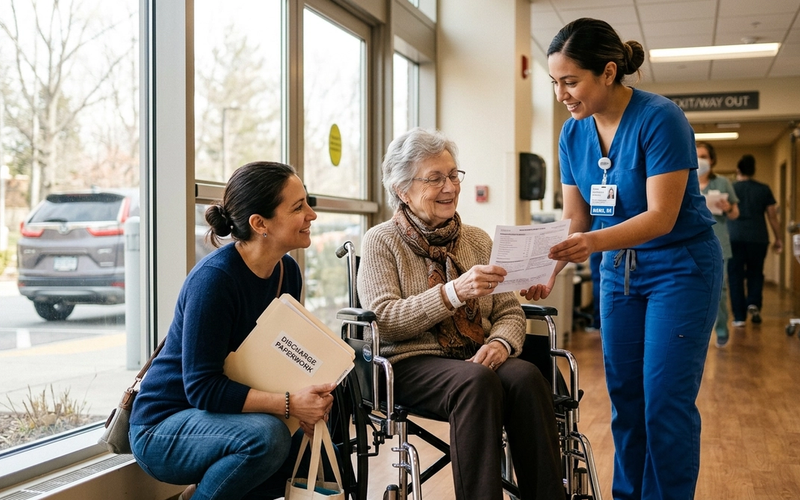
Hospital Discharge Planning for Seniors: A Family Guide
A hospital discharge for an older parent is a decision, not just a notice. Here is how discharge planning actually works, where families have leverage, and how to appeal a discharge you think is unsafe.

OTC Hearing Aids for Seniors: A 2026 Buyer's Guide
Over-the-counter hearing aids let adults with mild to moderate hearing loss skip the clinic and buy directly. Here is what they cost, who they fit, who should avoid them, and how they compare with prescription devices.
Explore senior living options
Comparing care for yourself or a family member? Browse communities by care type and see what each option typically costs.
- Assisted livingHelp with daily activities, costs, and how to choose a community.
- Independent livingMaintenance-free communities for active older adults.
- Home careIn-home support for seniors aging in place.
- Nursing homesSkilled nursing care and Medicare star ratings.
- Senior apartmentsAge-restricted, budget-friendly rental housing.
- Cost of senior livingCompare typical monthly prices by care type and state.