
Essential Features in Assisted Living Facilities: A Family Guide to Smart Choices
Finding the right assisted living facility features and amenities for your loved one can take considerable research. Today’s assisted living communities offer various services designed to support seniors who need assistance with daily activities while maintaining their independence. This important decision requires you to evaluate multiple factors that affect your family member’s quality of life. Choosing an assisted…

Choosing an assisted living facility means researching several factors that affect your loved one's quality of life. These communities provide support with daily activities while residents maintain their independence.
Start by evaluating the services offered and whether they match your family member's specific needs. Look for personalized care plans, secure environments with emergency call systems, and staff who monitor health changes. If your loved one has pets or enjoys learning, ask whether the facility is pet-friendly and offers classes or lectures.
This guide covers key features to examine: staff-to-resident ratios, dining, social activities, and how well the facility supports independence alongside necessary care. Use it to identify a community where your loved one can live well.
- Personalized and responsive care
- Tailored care plans for individual needs
- Monitoring changes in health over time
- Balancing independence with support
- Essential services and amenities
- Housekeeping and laundry
- Medication management
- Transportation and mobility support
- Dining options and meal plans
- Medical and emergency services
- Wellness, activities, and social life
- Fitness programs and group classes
- Spiritual and mental wellness offerings
- Daily events and hobby clubs
- Opportunities for lifelong learning
- Environment, staff, and community feel
- Staff-to-resident ratio and training
- Pet-friendly policies
- Outdoor spaces and walking paths
- Interior design and natural lighting
- Community culture and resident engagement
- Conclusion
- Key takeaways
- FAQs
Personalized and responsive care
Good assisted living communities build individual care around each resident rather than applying a one-size-fits-all approach.
Tailored care plans for individual needs
Look for communities that develop a care plan specific to each resident. The plan should address medical and physical needs as well as emotional and social well-being. Staff should assess each person through interviews, medical records, and observation of daily routines. A solid plan spells out what help is needed for activities of daily living (ADLs), medical requirements, and personal preferences.
Family involvement matters. When residents, family, healthcare providers, and staff work together, the care plan reflects what the person actually values and needs. This collaboration also builds trust and gives families peace of mind.
Monitoring changes in health over time
Consistent health monitoring allows staff to catch problems early and adjust care as needed. Research shows that residents and family members report higher satisfaction when the facility tracks health regularly.
Good monitoring combines:
- Daily observations by caregivers
- Regular checkups by nurses
- Wellness assessments
- What residents report about their symptoms
- Family feedback
This approach catches subtle changes before they become serious, allowing staff to step in early and update the care plan.
Balancing independence with support
Good communities help residents stay in control of their lives while keeping them safe. Look for facilities with assistive devices like handrails and grab bars that support mobility without limiting freedom.
The best facilities adjust their support as residents' needs change, helping them do what they can on their own while providing help where necessary. This preserves dignity and autonomy, both crucial for emotional well-being.
Essential services and amenities
These services form the foundation of daily life. Knowing what they include helps you find the right fit for your loved one.
Housekeeping and laundry
Regular housekeeping keeps living spaces clean and organized, reducing safety hazards. Most facilities clean personal rooms and common areas on a schedule. Laundry service is typically weekly—staff collect, wash, fold, and return clothes and linens. Some include this in the monthly cost; others charge extra for special handling or dry cleaning.
Medication management
About 81% of assisted living residents need help managing medication. Proper programs follow strict protocols: right resident, right drug, right route, right time, right dose, right documentation, right response. Staff training is critical since mistakes can harm health. States have different rules, but all require careful record-keeping. Facilities with smaller staff-to-resident ratios often provide better oversight.
Transportation and mobility support
Most facilities offer transportation to medical appointments, shopping, and social outings. About 75% charge a fee; over half provide it free. Vehicles usually have wheelchair lifts and space for mobility devices, helping residents stay independent even with physical limitations. Most facilities ask for advance notice, especially for medical appointments.
Dining options and meal plans
Many assisted living communities now offer restaurant-style dining with varied menus. Good facilities serve nutritious meals three times daily. Most can accommodate special diets—diabetic-friendly, heart-healthy, gluten-free. Room service is often available, though it may cost extra outside regular meal times.
Medical and emergency services
On-site medical services mean easier access to healthcare without the burden of travel. These typically include primary care visits, lab work coordination, medication management, and specialist referrals. Regular health screenings catch problems early. Good medical services reduce hospital and emergency room visits through timely care and consistent monitoring.
Wellness, activities, and social life
Wellness programs make a real difference in how residents experience daily life.
Fitness programs and group classes
Physical activity matters for seniors. Many facilities offer chair yoga, water aerobics, tai chi, and other low-impact exercises that improve heart health, strength, and balance while reducing fall risk. Group classes also build friendships and boost mood through social connection. Even 10 minutes of daily walking can improve longevity.
Look for communities offering multiple options to fit different abilities and preferences. Some residents prefer gentle stretching; others want walking groups or dance.
Spiritual and mental wellness offerings
Spiritual life often becomes more important with age. Many communities offer worship services, meditation, and pastoral care. For non-religious residents, facilities provide mindfulness sessions, nature walks, and art therapy. These help residents manage stress, stay emotionally balanced, and find peace. Many have on-site chapels and spiritual counselors who support residents during difficult times.
Daily events and hobby clubs
Social engagement protects mental health. Good communities offer game nights, movie screenings, field trips, and hobby clubs for gardening, bird watching, cooking, and other interests. Many now include Nintendo Wii and other interactive games residents enjoy.
When visiting, ask what activities happen throughout the week. Active communities offer both scheduled group programs and chances for residents to pursue personal interests.
Opportunities for lifelong learning
Learning keeps the mind sharp and helps prevent memory loss. Many facilities offer language classes, art, history courses, and technology training. These give residents a sense of purpose and accomplishment while supporting brain health.
The best programs match residents' interests and backgrounds. Some communities partner with local colleges or libraries to bring in guest speakers and specialized courses.
Environment, staff, and community feel
The physical space and social atmosphere affect your loved one's daily experience. Consider several factors when evaluating.
Staff-to-resident ratio and training
The typical staff-to-resident ratio is 1 staff member to 8 residents during the day, dropping to 1:15 at night. This ratio affects how quickly staff respond and how much personal attention residents get. Facilities with higher ratios provide more individualized care, which matters for residents needing frequent help.
Staff training is equally important. Well-trained caregivers deliver better care and create safer environments. Good programs cover emergency procedures, medication management, and dementia care. Ongoing training keeps staff current.
Pet-friendly policies
Most assisted living communities welcome pets because of the benefits they provide:
- More chances to socialize
- Less isolation and loneliness
- More physical activity through pet care
Facilities usually have rules about pet size and behavior. Some offer additional pet care services for residents who need help managing their companions.
Outdoor spaces and walking paths
Good outdoor areas support physical and mental health. Well-designed walking paths with smooth surfaces and rest areas encourage activity while accommodating different mobility levels. Natural settings reduce stress and help residents adjust to their new home.
Interior design and natural lighting
Thoughtful design improves safety and comfort. Natural light is especially important for older adults—it regulates sleep, lifts mood, and supports overall health. Look for communities that let in daylight while managing glare. Design should include color contrast between surfaces to help residents with vision problems.
Community culture and resident engagement
Community culture is the feel of daily life—how residents connect with each other and staff, what activities they join, the overall mood. To understand what it's really like, visit at different times, not just when the facility suggests. A welcoming community helps residents feel at home and affects their long-term happiness.
Conclusion
Choosing the right assisted living facility means weighing many factors. This guide covered the features that matter most for good care and daily life.
Personalized care plans are central to quality communities. They ensure each resident gets appropriate support while keeping independence. Essential services—housekeeping, medication management, transportation—handle practical needs that affect comfort and safety.
Wellness programs matter too. Communities offering fitness classes, spiritual support, and social activities help residents stay physically and emotionally healthy. Opportunities to keep learning add purpose and enjoyment.
The physical environment and community atmosphere shape how satisfied residents are. Staff quality, outdoor spaces, design, and overall culture all affect everyday experience. Visiting at different times helps you see the real community, not just the marketing version.
The goal is finding the right balance between necessary support and personal independence. This guide provides information to help you choose a place where your loved one adapts well and maintains dignity, purpose, and a good quality of life while getting the care they need.
Key takeaways
When choosing an assisted living facility, focus on these factors:
• Look for personalized care plans that adapt as health changes while supporting independence and necessary services.
• Check for key services like medication management, housekeeping, transportation, and on-site medical care.
• Assess wellness and social programs—fitness classes, hobby clubs, learning opportunities—that support mental and physical health.
• Examine staff-to-resident ratios and training quality, which affect response times and personalized attention.
• Visit facilities multiple times at different hours to observe real community culture, resident engagement, and daily atmosphere.
The right community feels like a supportive home where your loved one can maintain dignity and purpose while receiving appropriate care. The best facilities combine professional medical support with opportunities for social connection, personal growth, and engaging activities.
FAQs
Q1. What are the most important features to look for in an assisted living facility? Focus on personalized care plans, essential services like housekeeping and medication management, wellness programs, qualified staff, and a positive community atmosphere. The best facility balances necessary support with opportunities for independence and social connection.
Q2. How do assisted living facilities ensure personalized care for residents? Facilities create individual care plans based on assessing each resident's needs. They monitor health changes, adjust support levels when needed, and involve families in planning. This ensures residents get tailored help while staying as independent as possible.
Q3. What types of activities and social opportunities are typically offered in assisted living communities? Most communities offer fitness classes, hobby clubs, educational workshops, and social events like game nights, movie screenings, and outings. Many include spiritual activities and lifelong learning opportunities to support well-being.
Q4. Are assisted living facilities pet-friendly? Many are. Pets provide comfort and companionship, but policies vary. Some facilities restrict pet size or type; others offer pet care services. Always ask about specific policies when considering a community.
Q5. How can I assess the quality of staff and care in an assisted living facility? Look at staff-to-resident ratios during different shifts. Ask about staff training and ongoing professional development. Visit multiple times at different hours to see how staff interact with residents. Ask how they handle medication management and emergencies to gauge their readiness and care quality.
Frequently asked questions
Get matched
Looking for senior care for someone you love?
Tell us what you're considering. We'll share independent matches and pricing directly with you. No phone calls until you ask for one.
- Takes about two minutes to complete.
- Pricing details emailed to you. No phone calls until you ask for one.
- Independent matching. We do not own the communities we list.
Loading the matching form…
Powered by SilverAssist. By submitting this form you agree to our privacy policy.
More from our editors
All articles
Best Weekend Trips and Short Getaways for Seniors
The best weekend trips for seniors are short, close to home, and built around one relaxed idea. Here are the kinds of short getaways that work well for older travelers, with real examples and how to plan one.
Hospital Discharge Planning for Seniors: A Family Guide
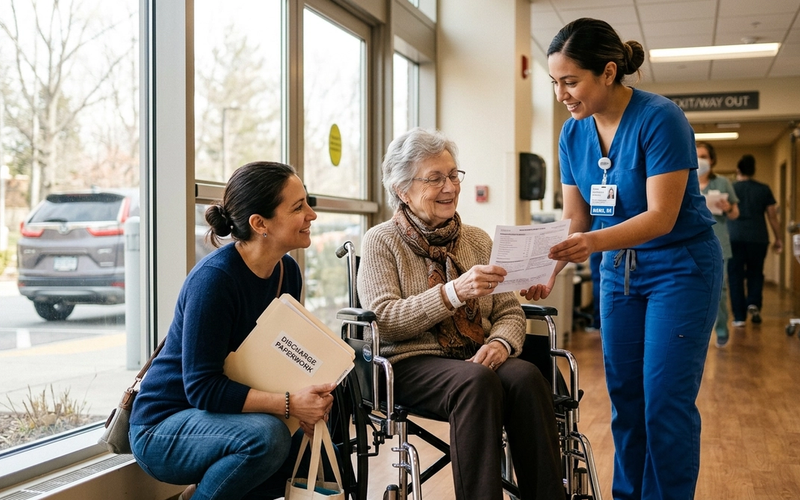
A hospital discharge for an older parent is a decision, not just a notice. Here is how discharge planning actually works, where families have leverage, and how to appeal a discharge you think is unsafe.

OTC Hearing Aids for Seniors: A 2026 Buyer's Guide
Over-the-counter hearing aids let adults with mild to moderate hearing loss skip the clinic and buy directly. Here is what they cost, who they fit, who should avoid them, and how they compare with prescription devices.
Explore senior living options
Comparing care for yourself or a family member? Browse communities by care type and see what each option typically costs.
- Assisted livingHelp with daily activities, costs, and how to choose a community.
- Independent livingMaintenance-free communities for active older adults.
- Home careIn-home support for seniors aging in place.
- Nursing homesSkilled nursing care and Medicare star ratings.
- Senior apartmentsAge-restricted, budget-friendly rental housing.
- Cost of senior livingCompare typical monthly prices by care type and state.