
Exploring New Perspectives in Senior Living: A Modern Approach to Aging
As a professional in the senior living industry, I’ve witnessed firsthand the remarkable evolution of care and lifestyle options for older adults. The concept of “new perspective senior living” has emerged as a revolutionary approach to aging, offering a fresh outlook on what it means to grow older in today’s world. In this article, we’ll…

Senior living has changed. Communities now offer more choices in care and lifestyle for older adults—moving beyond basic assisted living toward active engagement and personalized support. This guide explores what those changes look like and how they affect the decisions families make.
- The evolution of senior living: A new perspective
- Understanding person-centered senior living
- Modern senior living communities have moved past the traditional nursing home model. They now offer amenities like fitness centers, dining options, social programs, and care plans tailored to individual residents. The focus is on quality of life—both physical and mental health.
- Technology in senior living
- Active aging and independence
- Social connection matters in senior living. Loneliness and isolation harm older adults' physical and mental health. Communities that prioritize group activities, shared meals, and common gathering spaces help residents thrive. Good senior living goes beyond just providing care—it treats the whole person.
- Care plans tailored to individual needs
- Wellness programs and holistic approaches
- Sustainable and eco-friendly design in senior living
- Emerging trends and innovations in senior living
- Choosing a senior living community
- Conclusion: A practical outlook on aging
The evolution of senior living: A new perspective
Senior living looks different now than it did 20 years ago. Understanding what older adults actually want—active engagement, social connection, autonomy—has pushed communities to rethink their model. What's sometimes called "person-centered senior living" reflects that shift.
This approach moves beyond basic care. It creates communities where residents can pursue interests, form friendships, stay mentally sharp, and make their own choices about daily life—while still getting the support they need.
The change reflects a fundamental shift in how we see aging. Instead of viewing later life as inevitable decline, communities are built around the idea that aging can involve growth, learning, and new experiences. That approach shapes everything from building design to activity programming.
Understanding person-centered senior living
Person-centered senior living treats residents as individuals with distinct preferences, abilities, and goals. Rather than applying a standard set of services to everyone, communities assess what each person needs and wants, then build their care and lifestyle around that.
The approach typically emphasizes:
- Maintaining independence and choice
- Staying engaged in activities and community
- Continuing to learn and grow
- Building genuine social connections
- Receiving personalized care and support
In working with senior communities, I've seen how much this matters. When residents feel they have agency—when their daily routines and activities reflect their actual interests rather than the facility's schedule—it changes their whole experience.
Baby boomers are reshaping senior living expectations. This generation has been accustomed to choice and customization, and they're looking for communities that reflect that—not cookie-cutter facilities, but places that let them live according to their values and interests.
Key features of modern senior living communities
Modern senior living communities offer more than housing. They provide a full lifestyle designed around residents' physical, social, and mental well-being. Here's what distinguishes them from older models:
- Housing options range from independent apartments to assisted living and memory care, so residents can move between levels as their needs change.
- Amenities like fitness centers, pools, studios, and theaters support the varied interests residents actually have.
- Educational programs—often partnered with local colleges—let residents keep learning and stay mentally engaged.
- Dining emphasizes quality and choice, with farm-to-table options and cooking classes that reflect residents' tastes and dietary needs.
- On-site healthcare services, including preventive care and rehabilitation, reduce the need to leave the community for routine medical attention.
Residents in these communities typically report higher satisfaction and stronger sense of purpose than those in traditional facilities. The difference is tangible.
Technology in senior living
Technology in senior living serves a practical purpose: it helps residents stay safer and more independent, and it lets them connect with family. From what I've seen, when it's implemented well, it blends into the background rather than becoming a burden.
Common applications include:
- Smart home controls (voice-activated lighting and temperature) make daily tasks easier for residents with limited mobility.
- Wearable health monitors track vital signs and can alert staff to potential problems before they escalate.
- Virtual reality provides immersive experiences—travel, cognitive exercises—for residents with mobility limitations.
- Telehealth lets residents consult with doctors without leaving the community.
- Communication apps and platforms help residents stay in touch with family and participate in community events.
Good technology implementation improves safety and independence without creating confusion or tech fatigue. It also gives families real-time insight into how their relatives are doing.
Active aging and independence
A core goal of modern senior living is helping residents stay active and independent. Growing older doesn't have to mean surrendering autonomy or a full life. Communities built around this principle give residents room to maintain control and capability.
Concrete ways communities support this include:
- Fitness classes tailored to different abilities—yoga, strength training, aqua aerobics—help residents maintain physical function.
- Volunteer opportunities let residents contribute to their community and feel they still have something to offer.
- Intergenerational programs bring seniors together with younger people, creating natural social exchange.
- Workshops on practical topics—technology, finances, health—help residents manage their own lives.
- Accessible design and assistive equipment allow residents to perform daily tasks on their own.
Supporting independence preserves self-worth. That matters as much as physical health for how people experience aging.
Social connection in senior living
Strong social ties are essential for healthy aging. Loneliness increases risk of heart disease, cognitive decline, and depression. Senior living communities that prioritize connection create spaces and activities where friendships naturally form.
How communities foster connection:
- Regular gatherings and celebrations bring residents together informally.
- Interest-based groups—book clubs, gardening, crafts—attract residents with shared interests.
- Communal spaces are designed to encourage casual interaction.
- Organized outings to museums, theaters, and local attractions give residents shared experiences to talk about.
- Community dining encourages residents to eat together rather than alone in their rooms.
When communities prioritize connection, residents form genuine friendships and support networks. That directly impacts their mental and physical health.
Care plans tailored to individual needs
Personalized care is the foundation of person-centered living. Each resident has different needs, preferences, and goals, so one-size-fits-all care doesn't work.
In practice, personalization works like this:
- Assessment begins when residents move in and continues regularly—evaluating physical, cognitive, and emotional needs.
- Care plans are developed with residents, their families, and healthcare providers so everyone's perspective is heard.
- Services adjust as needs change—from basic support to specialized memory care—without requiring a move.
- Plans are reviewed regularly and updated to reflect current needs, not just initial assumptions.
- Personal preferences shape the plan—how residents like to spend their time, what they eat, their daily routines.
This approach differs sharply from traditional nursing homes where everyone follows the same schedule and receives the same activities. Residents get the right support to stay independent and engaged, which directly improves their quality of life.
Wellness programs and holistic approaches
Holistic wellness means addressing physical health, mental engagement, emotional well-being, and spiritual life—not just managing medical conditions.
Comprehensive wellness programs typically include:
- Physical wellness: exercise classes, nutrition support, preventive health screenings.
- Mental wellness: cognitive activities, memory support programs, educational opportunities.
- Emotional wellness: counseling, support groups, stress management.
- Spiritual wellness: prayer spaces, meditation areas, access to religious services.
- Social wellness: community events, volunteer work, intergenerational connection.
Many communities also use art, music, and pet therapy. These approaches are especially valuable for residents with memory loss or cognitive changes.
This broad approach to health produces better outcomes across the board—residents report higher satisfaction and better mental and physical health when all dimensions of wellness are addressed.
Sustainable and eco-friendly design in senior living
More senior living communities are adopting sustainable practices—reducing environmental impact while creating healthier spaces for residents. This reflects both practical sense and values alignment: many seniors care about environmental responsibility.
Eco-friendly features often include:
- Energy-efficient buildings with LED lighting, efficient appliances, and smart climate controls.
- Solar panels and geothermal systems for renewable energy.
- Water conservation through low-flow fixtures, rainwater systems, and drought-resistant landscaping.
- Recycling and composting programs that reduce waste.
- Electric vehicle charging and community shuttle services.
Sustainable design benefits everyone. It lowers operating costs, creates healthier indoor environments, and lets residents live according to their values.
Emerging trends and innovations in senior living
Senior living continues to evolve. Current developments suggest where the field is heading:
- Mixed-age communities that bring seniors and younger generations together to break down age segregation.
- Smart home technology (AI and IoT devices) that improves safety without requiring residents to adopt new skills.
- Virtual reality for pain management, cognitive stimulation, and immersive experiences.
- Assistive robots for reminders, medication management, and physical therapy support.
- Personalized nutrition based on health data and individual goals.
- Telemedicine with remote monitoring and virtual consultations that extend access to healthcare.
- Biophilic design (incorporating natural elements) to improve well-being and reduce stress.
These changes will expand what senior living communities can offer and improve quality of life for residents.
Choosing a senior living community
Choosing a senior living community is one of the more significant decisions a family makes. It's worth taking time to understand your options and what matters most to you.
- Start by considering location: proximity to family, nearness to healthcare providers, and access to activities you care about.
- Verify the community offers the level of care you need now and can accommodate if your needs change.
- Look for activities and amenities that align with your actual interests, not generic options.
- Ask about staff qualifications, training, certifications, and staff-to-resident ratios—these affect care quality.
- Visit in person. Spend time there, talk to current residents, and notice what the community feels like.
- Understand the cost structure: what's included in monthly fees and what costs extra.
- Choose communities that offer a continuum of care—you may be able to age in place rather than moving if your needs increase.
The goal is finding a place that meets your care needs while giving you room for growth, engagement, and the life you want to live.
Conclusion: A practical outlook on aging
Person-centered senior living changes the conversation about aging. It builds communities where older adults can stay active, pursue interests, make choices, and feel they belong.
Personalized care, wellness programs, smart technology, and sustainable design create real alternatives to the one-size-fits-all nursing home model. They show that later life can be meaningful and full—not a period to endure but a chapter to live well.
If you're exploring senior living for yourself or a loved one, start by touring communities in your area. Ask questions, spend time there, and notice which ones feel aligned with what matters to you. Talk to an advisor if you need help navigating the options. What you choose now shapes years ahead, so it's worth getting right.
The best approach to aging sees it as an opportunity: not to recapture what's past, but to create something good in the present.
Get matched
Looking for senior care for someone you love?
Tell us what you're considering. We'll share independent matches and pricing directly with you. No phone calls until you ask for one.
- Takes about two minutes to complete.
- Pricing details emailed to you. No phone calls until you ask for one.
- Independent matching. We do not own the communities we list.
Loading the matching form…
Powered by SilverAssist. By submitting this form you agree to our privacy policy.
More from our editors
All articles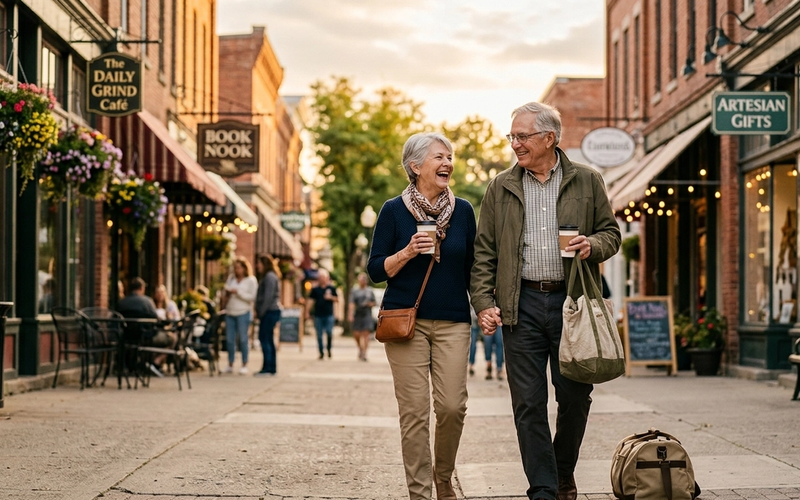
Best Weekend Trips and Short Getaways for Seniors
The best weekend trips for seniors are short, close to home, and built around one relaxed idea. Here are the kinds of short getaways that work well for older travelers, with real examples and how to plan one.
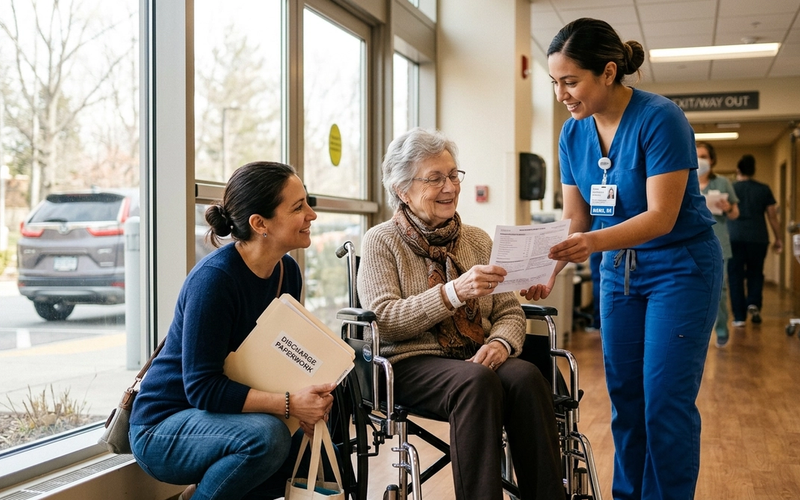
Hospital Discharge Planning for Seniors: A Family Guide
A hospital discharge for an older parent is a decision, not just a notice. Here is how discharge planning actually works, where families have leverage, and how to appeal a discharge you think is unsafe.
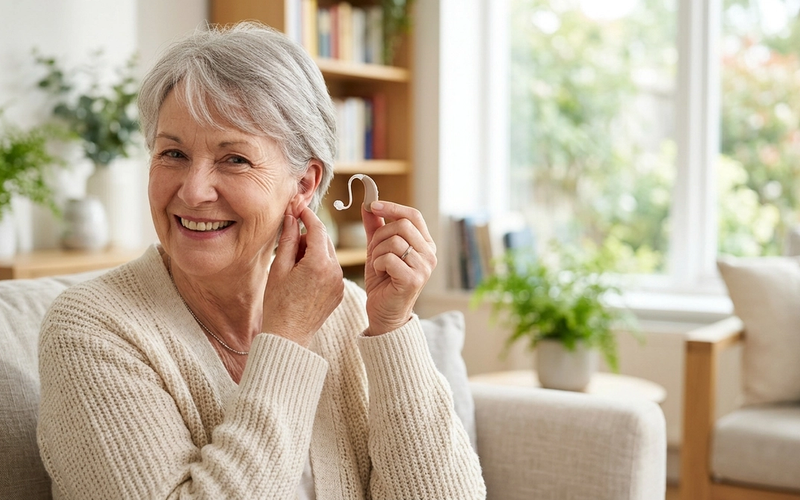
OTC Hearing Aids for Seniors: A 2026 Buyer's Guide
Over-the-counter hearing aids let adults with mild to moderate hearing loss skip the clinic and buy directly. Here is what they cost, who they fit, who should avoid them, and how they compare with prescription devices.
Explore senior living options
Comparing care for yourself or a family member? Browse communities by care type and see what each option typically costs.
- Assisted livingHelp with daily activities, costs, and how to choose a community.
- Independent livingMaintenance-free communities for active older adults.
- Home careIn-home support for seniors aging in place.
- Nursing homesSkilled nursing care and Medicare star ratings.
- Senior apartmentsAge-restricted, budget-friendly rental housing.
- Cost of senior livingCompare typical monthly prices by care type and state.