
Finding the Right Senior Day Care: Your Essential Orange County Care Guide
Senior day care services have existed for more than three decades, but many caregivers remain unaware of this resource. Approximately 4,000 adult day care facilities currently operate throughout the United States, though surveys indicate at least twice that number are needed to meet actual demand. Senior day care centers provide an affordable alternative to full-time home care,…

Senior day care services have been around for more than thirty years, but many family caregivers don't know they exist. About 4,000 adult day care facilities operate across the United States, though experts estimate we need at least twice that number to meet actual demand.
Senior day care centers cost roughly 20% of what you'd pay for the same hours of in-home care. Most centers have nurses and social workers on staff who provide medical care and emotional support throughout the day. Many also offer transportation, picking up and dropping off participants to reduce the friction of getting there.
Orange County senior day care facilities range from small centers serving 10 people to larger ones with 200 or more. Some specialize in memory care; others offer general supervision. Knowing what's available helps families make a better choice for their relative and gives caregivers the break they need.
- Understanding Senior Day Care Services
- Health Model (Adult Day Health Care – ADHC)
- Social Model (Adult Day Program – ADP)
- Combined Models for Comprehensive Care
- Types of Adult Day Care Facilities in Orange County
- Centers for Alzheimer's and Dementia Care
- Day programs for developmentally disabled adults offer work opportunities, volunteer positions, and education through community colleges. Staff provide individualized support and training to help participants engage actively in the community. Some programs include supervised recreational outings to build social skills and independence.
- Culturally Specific Centers
- Non-Profit vs. For-Profit Facilities
- What to Consider When Choosing a Center
- Location and Transportation Options
- Languages Spoken and Cultural Fit
- Daily Schedule and Activities
- Staff qualifications and medical support matter. They affect how well residents do and whether families feel confident in the care. Look for centers with certified staff including registered nurses (RNs), licensed practical nurses (LPNs), and certified nursing assistants (CNAs). The facility should have regular doctor visits, on-site therapy (physical, occupational, speech), and clear procedures for medical emergencies.
- Licensing and Accreditation
- Finding the Right Senior Day Care: Your Essential Orange County Care Guide
- Cost and Payment Options for Senior Day Care
- Conclusion
- Finding the Right Fit for Your Loved One
- FAQs
Understanding senior day care services
Senior day care falls into a few main categories, each matching different levels of care. Orange County offers several types, each suited to different needs.
Health model (Adult Day Health Care – ADHC)
Adult Day Health Care centers address medical needs through structured daily programs. These facilities serve seniors with chronic medical conditions who might otherwise need a nursing home.
ADHC services typically include:
- Skilled nursing and health monitoring
- Medication management
- Physical, occupational, and speech therapy
- Social work services and counseling
- Nutritious meals and dietary counseling
ADHC centers in Orange County employ registered nurses, therapists, and other healthcare professionals who create individualized care plans. Centers serving Medi-Cal patients must be certified as Community Based Adult Services (CBAS) providers.
Social model (Adult Day Program – ADP)
Adult Day Programs focus on socialization, supervision, and help with daily tasks. They serve adults who need personal care but don't require intensive medical services.
ADP centers typically provide:
- Recreational and social activities
- Supervision and safety monitoring
- Personal care assistance
- Nutritional meals and snacks
- Transportation coordination
California's Department of Social Services licenses these programs, which operate less than 24 hours per day. They work best for seniors who need supervision and social engagement but not medical treatment.
Combined models for comprehensive care
Many senior day care facilities in Orange County blend health and social services to meet varied needs.
Specialized programs include:
- Alzheimer's Day Care Resource Centers for people with dementia
- Intergenerational centers that bring seniors and children together
- Culturally-specific programs built around shared backgrounds
Seniors often need both medical care and social engagement. This combined approach prevents isolation while managing health conditions and helps people age in place longer.
Types of adult day care facilities in Orange County
Orange County has many adult day care facilities serving different needs. Options range from specialized memory care to culturally focused programs.
Centers for Alzheimer's and dementia care
The Alzheimer's Family Center is Orange County's only adult day health care facility exclusively for people with memory loss. It offers brain-engaging activities, physical therapy, nursing supervision, and social time for people at any stage of dementia. Alzheimer's Orange County (AlzOC) provides brain health education, care consultations, and Adult Day Health Services. Staff at these centers understand the challenges of cognitive decline.
Programs for developmentally disabled adults
The Regional Center of Orange County (RCOC) runs day programs for young adults with developmental disabilities transitioning from high school. Participants can work with job coaches to earn paychecks, volunteer, or take classes at community colleges. OC Bridges provides individualized support and vocational training. The YMCA's New Horizons program offers supervised recreational outings to build social skills and independence.
Culturally specific centers
Many adult day care centers in Orange County serve specific cultural groups. Evergreen World ADHC in Garden Grove primarily serves Vietnamese-speaking seniors, while Sarang Adult Day Health Care Center focuses on Korean-speaking participants. These centers provide activities, meals, and staff communication in participants' native languages, honoring cultural traditions.
Non-profit vs. for-profit facilities
Non-profit centers are typically mission-driven organizations connected to religious, professional, or ethnic groups. They reinvest fees back into the organization after covering costs, sometimes offering financial help to residents in need. For-profit centers (about 81% of assisted living communities) are private businesses. When evaluating facilities, look beyond who owns them. Check staff qualifications, activity schedules, and how the place feels during your visits.
What to consider when choosing a center
Visit at least three centers before deciding. Compare what each offers and how they operate.
Location and transportation options
How close a center is to home or work affects convenience and emergency access. Transportation varies by facility. Some offer free pick-up and drop-off using their own vehicles or contractors. Others assist with transportation for medical appointments. If a center doesn't provide transportation, families need to arrange rides themselves or rely on public transit.
Languages spoken and cultural fit
A senior's comfort often depends on cultural compatibility. Some Orange County facilities focus on specific cultural communities and offer activities, meals, and communication in participants' native languages. This helps seniors feel understood and respected.
Daily schedule and activities
Most senior day care centers operate during standard business hours (8am–5pm), though some extend hours for working caregivers. A typical day includes meals, social activities, and health services. Programs may offer arts and crafts, music, cognitive games, gentle exercise, and outings. Centers should provide meals that accommodate dietary restrictions.
Staff qualifications and medical support
Adult day health centers must maintain a staff-to-participant ratio of 1:8 (except during transport). Quality centers employ trained, licensed professionals, often requiring at least one registered nurse or licensed vocational nurse on-site during operating hours. Memory care programs should have staff trained in dementia care.
Licensing and accreditation
California licenses adult day centers through the Department of Social Services or Department of Aging. Centers serving Medi-Cal beneficiaries must be certified as Community Based Adult Services providers. Recent inspection reports are available to prospective clients and visitors upon request. Verifying these credentials ensures the center meets required safety and quality standards.
Finding the Right Senior Day Care: Your Essential Orange County Care Guide
Cost and payment options for senior day care
Families seeking senior day care often worry about cost. Several payment options are available in Orange County.
Medi-Cal covers adult day health care through the Community-Based Adult Services (CBAS) program, which serves as an alternative to nursing home placement. Seniors must meet financial and functional need requirements. The monthly income limit is currently $1,732 for single applicants and $2,351 for married couples. Orange County residents access services through CalOptima Health, which combines health care and adult day care for people with multiple chronic conditions.
For those without Medi-Cal, private payment is common. The average daily rate for adult day care nationwide in 2024 is $98, making it significantly cheaper than in-home care for the same hours. Many Orange County centers offer sliding scale fees based on income. Adult day care expenses often qualify as tax-deductible medical expenses or under the Dependent Care Credit, which allows you to claim up to $3,000 for one dependent.
Veterans may be eligible for adult day health care through the VA health system if a VA physician determines clinical need. Copayments depend on income and service-connected disability status.
Long-term care insurance policies typically cover adult day care. Newer comprehensive policies often cover all types of care, including home care, day services, and facility-based care.
Some non-profit organizations in Orange County offer donation-based or subsidized services. The social model (Adult Day Program) usually requires private payment, though some long-term care insurance may cover part or all costs. The medical model (Adult Day Health Care) accepts both Medi-Cal and private payment. These programs provide respite for caregivers and give seniors structured activities and supervision.
Conclusion
Finding the right fit for your loved one
Senior day care services help families find quality care while keeping costs manageable. These centers offer supervision for roughly one-fifth what in-home care costs.
You'll choose between health-focused ADHC facilities, socially-oriented ADP centers, or combined models. Orange County has many specialized options, from memory care programs to culturally-sensitive environments tailored to different communities.
Several factors influence your decision. Location and transportation matter for daily logistics. The center's culture and language should match your relative's background and needs. Daily schedules should fit your family's situation, and staff should be professionally qualified.
Cost matters. Payment options include Medi-Cal through CalOptima, VA benefits, private insurance, and sliding scale fees based on income.
Caregiving gets harder over time. Adult day care helps both caregivers and seniors. Caregivers get a necessary break, and seniors get structured activities, social time, and appropriate medical support. The right center balances independence with necessary care, allowing seniors to maintain dignity and caregivers to protect their own health.
FAQs
Q1. What types of senior day care services are available in Orange County? Orange County offers Adult Day Health Care (ADHC) for medical needs, Adult Day Programs (ADP) for social engagement, and combined models. There are also specialized centers for Alzheimer's and dementia, programs for developmentally disabled adults, and culturally specific centers.
Q2. How much does senior day care typically cost in Orange County? Adult day care in California averages $75 to $100 per day, making it cheaper than in-home care. Many centers offer sliding scale fees based on income. Payment options include private pay, Medi-Cal, and long-term care insurance.
Q3. Are there transportation options available for senior day care centers? Many Orange County centers offer transportation. Some provide free pick-up and drop-off using their own vehicles or contractors. Others help with transportation for medical appointments. Ask about transportation when choosing a center.
Q4. What should I consider when selecting a senior day care center? Consider location, transportation, languages spoken, cultural fit, daily schedule and activities, staff qualifications, medical support, and licensing. Visit at least three centers to compare what they offer and see how they operate.
Q5. Does Medi-Cal cover senior day care services in Orange County? Yes, Medi-Cal covers adult day health care through the Community-Based Adult Services (CBAS) program. CalOptima Health offers this program to Orange County residents who meet financial and functional need requirements, providing both health care and adult day care services.
Frequently asked questions
Get matched
Looking for senior care for someone you love?
Tell us what you're considering. We'll share independent matches and pricing directly with you. No phone calls until you ask for one.
- Takes about two minutes to complete.
- Pricing details emailed to you. No phone calls until you ask for one.
- Independent matching. We do not own the communities we list.
Loading the matching form…
Powered by SilverAssist. By submitting this form you agree to our privacy policy.
More from our editors
All articles
Best Weekend Trips and Short Getaways for Seniors
The best weekend trips for seniors are short, close to home, and built around one relaxed idea. Here are the kinds of short getaways that work well for older travelers, with real examples and how to plan one.
Hospital Discharge Planning for Seniors: A Family Guide
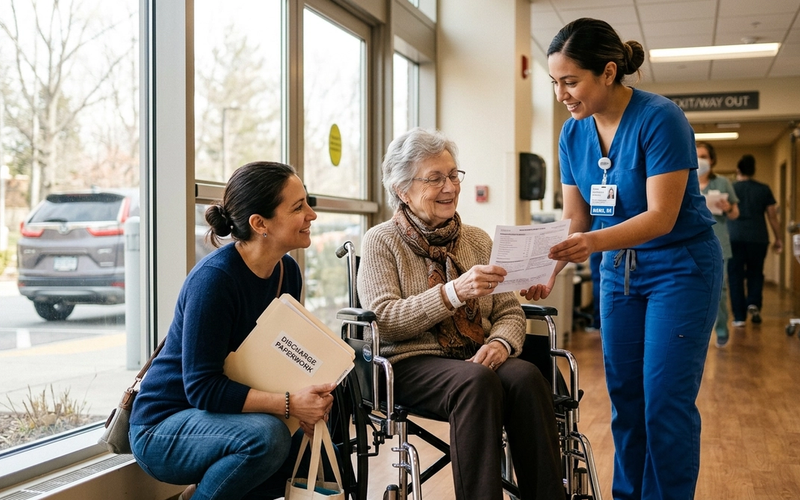
A hospital discharge for an older parent is a decision, not just a notice. Here is how discharge planning actually works, where families have leverage, and how to appeal a discharge you think is unsafe.

OTC Hearing Aids for Seniors: A 2026 Buyer's Guide
Over-the-counter hearing aids let adults with mild to moderate hearing loss skip the clinic and buy directly. Here is what they cost, who they fit, who should avoid them, and how they compare with prescription devices.
Explore senior living options
Comparing care for yourself or a family member? Browse communities by care type and see what each option typically costs.
- Assisted livingHelp with daily activities, costs, and how to choose a community.
- Independent livingMaintenance-free communities for active older adults.
- Home careIn-home support for seniors aging in place.
- Nursing homesSkilled nursing care and Medicare star ratings.
- Senior apartmentsAge-restricted, budget-friendly rental housing.
- Cost of senior livingCompare typical monthly prices by care type and state.