
Gentle Yoga for Elderly Beginners: A Safe Start at Home
Falls affect one in three seniors each year, with 50% experiencing multiple falls. Yoga for elderly beginners provides a practical approach to improving balance and reducing these accidents. Harvard Health Publishing reports that regular yoga practice supports better sleep, improved body awareness, weight management, and enhanced balance. Yoga offers health benefits that extend beyond fall prevention for older…

One in three seniors falls each year, and half experience multiple falls. Yoga can improve balance and help prevent these accidents. According to Harvard Health Publishing, regular practice also improves sleep, body awareness, weight management, and stability.
Beyond fall prevention, yoga offers older adults several health benefits. The practice can slow bone density loss and ease pain from osteoporosis. Slow, controlled movements and held poses build balance and strength. Even seven minutes daily can reduce stress, stretch tight muscles, and help you feel more stable on your feet.
This guide covers gentle yoga exercises you can do at home. You'll learn why gentle yoga works well for older adults starting out, how to set up your space safely, eight accessible poses to try, and how to stick with a routine. Whether you want more flexibility, less joint pain, or just moments of calm, these gentle approaches can help you begin.
- Why gentle yoga is ideal for elderly beginners

- Improves flexibility and balance
- Supports mental clarity and calm
- Reduces joint pain and stiffness
- Encourages better sleep and mood
- How to prepare for yoga at home safely
- Check with your doctor before starting
- Choose a quiet, clutter-free space
- Use a yoga mat or chair for support
- Wear comfortable, non-restrictive clothing
- 8 gentle yoga poses for elderly beginners
- 1. Mountain pose (Tadasana)
- 2. Tree pose (Vrksasana)
- 3. Warrior I (Virabhadrasana I)
- 4. Seated cat-cow stretch
- 5. Chair pose (Utkatasana)
- 6. Sphinx pose
- 7. Butterfly pose
- 8. Savasana (resting pose)
- Tips to stay safe and motivated at home
- Start with short sessions and build gradually
- Use props like blocks or cushions
- Follow online videos for guidance
- Listen to your body and rest when needed
- Bottom line
- Key takeaways
- FAQs
Why gentle yoga is ideal for elderly beginners
Starting a new exercise routine can feel risky, especially if you have health concerns. But gentle yoga is accessible and genuinely improves how you feel. It works on flexibility and strength, yes, but also touches something deeper—your mind, your breath, how you carry yourself. That matters at any age. Gentle yoga uses slow movements, mindful breathing, and held poses. Everything is low-impact and can be adjusted to fit your needs.
Gentle yoga works for older adults new to the practice because it adapts to different mobility levels and fitness backgrounds.
Improves flexibility and balance
Poses that target your core build balance and stability. Regular practice develops balance as you move between poses, which lowers fall risk. Yoga also stretches muscle groups throughout your body, improving blood flow and flexibility. Better flexibility makes everyday tasks easier—bending to tie shoes, picking things up off the floor, turning to look over your shoulder.
Supports mental clarity and calm
Movement combined with breathing and meditation increases blood flow to the brain, supporting memory and thinking. MRI studies show that people who practice yoga regularly have thicker cortex and hippocampus regions than those who don't. This suggests yoga may help protect against age-related memory loss and improve cognitive function. Yoga also raises GABA levels, a brain chemical linked to improved mood and less anxiety.
Reduces joint pain and stiffness
Arthritis and age-related aches affect many seniors. Yoga maintains joint mobility and reduces inflammation, pain, stiffness, and swelling. Gentle poses help because they stretch and strengthen joints without stress. Chair yoga lets seniors do poses they might not manage otherwise.
Gentle yoga for joint health:
- Improves joint mobility without high impact
- Reduces inflammation through gentle movement
- Strengthens muscles around joints
- Helps manage pain through mindful movement
Encourages better sleep and mood
Sleep problems are common after 60, with insomnia being the most frequent complaint. Yoga promotes mindfulness, which increases melatonin and supports better sleep. A study in Age and Aging found that yoga improved sleep quality in adults 60 and older. Seniors who practice yoga once or twice weekly report less anxiety and fewer depression symptoms.
How to prepare for yoga at home safely
A proper setup prevents injuries and makes practice more enjoyable. Creating a safe space takes a little planning before you start.
Check with your doctor before starting
Talk to your doctor before you begin any new exercise routine. This matters especially if you have existing health conditions or mobility issues. Your doctor can advise you on which poses are safe for your situation and help you choose what fits your needs and limits.
Choose a quiet, clutter-free space
Find a peaceful spot in your home where you can practice without interruption. You don't need much space—just enough to roll out a mat and extend your arms. Remove hazards like loose rugs or furniture that could cause trips or falls. Natural light is pleasant, but comfort and quiet matter most.
Use a yoga mat or chair for support
A good yoga mat protects your joints. Seniors benefit from thicker mats (around 15mm) that cushion knees and elbows. Keep a sturdy chair within reach for balance during standing poses or chair variations. Other helpful props include yoga blocks or thick books for stability, straps or belts to extend reach, and cushions or firm pillows for comfort.
- Yoga blocks or thick books for stability
- Straps or belts to extend your reach
- Cushions or firm pillows for comfort
Wear comfortable, non-restrictive clothing
Choose breathable, stretchy clothes that let you move freely without bunching or snagging on furniture. Cotton holds moisture, so synthetic materials like polyester or spandex keep you more comfortable. Bare feet or non-slip shoes provide the best stability.
8 gentle yoga poses for elderly beginners
These eight foundational poses are a good starting point. Move through them slowly, paying attention to what feels right for your body.
1. Mountain pose (Tadasana)
Stand with feet shoulder-width apart and a slight bend in your knees. Roll your shoulders up, back, and down to release tension. Let your arms hang naturally with palms facing forward. Feel grounded and stable.
2. Tree pose (Vrksasana)
Start in mountain pose, then shift your weight to one foot. Place the sole of your other foot against your inner ankle or calf—not on the knee. Use a chair for support if you need it. This pose improves balance and strengthens your core.
3. Warrior I (Virabhadrasana I)
Step one foot back, bend your front knee to a 90-degree angle, and lift your arms overhead. This pose stretches your ankles, calves, and hip flexors while building strength in your thighs, back, and arms.
4. Seated cat-cow stretch
Sit upright in a chair with feet flat. Place your hands on your thighs. Breathe in as you arch your back and look up gently. Breathe out as you round your back and tuck your chin. This relieves back tension and improves spinal flexibility.
5. Chair pose (Utkatasana)
From mountain pose, raise your arms overhead while breathing in. Bend your knees as you breathe out, like sitting back into a chair. Keep your core tight and your back straight. This strengthens your hips, thighs, and calves.
6. Sphinx pose
Lie face down and place your forearms on the floor with elbows under your shoulders. Gently lift your chest while keeping your forearms on the ground. This mild backbend strengthens your upper back and opens your chest.
7. Butterfly pose
Sit and bring the soles of your feet together, letting your knees fall to the sides. Place cushions under your knees if you need extra support. This improves hip flexibility and reduces tightness in your inner thighs.
8. Savasana (resting pose)
Lie on your back with arms relaxed at your sides, palms up. Completely relax and release tension. This pose resets your nervous system and lets your body absorb the benefits of practice.
Tips to stay safe and motivated at home
Safety and consistency matter most when practicing at home. These strategies will help you maintain a regular routine while staying injury-free.
Start with short sessions and build gradually
Begin with 10-15 minute sessions so your body can adapt comfortably. A regular schedule helps you stay motivated. Master basic poses before trying harder ones. As your strength and flexibility improve, you can gradually spend more time on your mat.
Use props like blocks or cushions
Props make poses accessible and safe. Yoga blocks provide stability during standing poses. Cushions protect joints and add comfort. Straps help extend your reach safely. Chairs support balance and let you stretch deeper without strain. These tools create space in the spine and joints, which becomes important as you age.
- Yoga blocks: Provide stability during standing poses
- Cushions: Offer joint protection and comfort
- Straps: Help extend your reach safely
- Chairs: Support balance and allow deeper stretches without strain
These tools help create space in the spine and joints, which becomes especially important as we age.
Follow online videos for guidance
Many online resources focus on senior yoga. Look for videos designed for elderly beginners with modifications offered. Choose instructors with experience teaching older adults. Keep water nearby and your phone accessible when you practice alone.
Listen to your body and rest when needed
Sharp pain, joint discomfort, or difficulty breathing means ease back. Rest is as important as activity. Taking breaks when needed prevents injury and respects your body's limits. Yoga should feel good, never painful.
Bottom line
Gentle yoga is an accessible way for seniors to improve physical and mental well-being at home. This guide has covered the essentials: talking to your doctor, setting up a safe space, learning basic poses, and staying consistent.
Many older adults worry about starting a new exercise routine. With the right setup, yoga is safe and rewarding. The eight poses here offer a good starting point for different fitness levels and abilities.
Regular yoga practice may improve your sleep, reduce daily stress, and increase your confidence in movement. The breathing techniques you learn can also help during stressful moments throughout your day.
Consistency matters more than duration. Ten to fifteen minutes daily typically produces better results than longer, infrequent sessions. You can gradually extend your time as your comfort increases.
Yoga adapts to your changing needs. As you become familiar with basic poses, you can explore variations or modify techniques based on what your body needs. The practice grows with you.
Starting yoga as an older adult takes effort, but the payoff is real. Gentle movement helps your body, and your mind finds moments of calm. You may also feel more stable in daily life. Take your time, listen to yourself, and notice every step forward.
Key takeaways
Gentle yoga offers elderly beginners a safe, effective way to improve balance, flexibility, and mental well-being while reducing fall risk and joint pain.
• Consult your doctor first – Get medical clearance before starting, especially if you have existing health conditions or mobility concerns.
• Create a safe practice space – Use a clutter-free area with a thick yoga mat, sturdy chair for support, and props nearby.
• Start small and build gradually – Begin with 10-15 minute sessions focused on basic poses before progressing.
• Listen to your body always – Stop if you feel sharp pain or discomfort; yoga should feel good, never painful.
• Use props for accessibility – Chairs, blocks, and cushions make poses safer and more comfortable, allowing you to stretch deeper without strain.
Gentle yoga is adaptable and offers better sleep, reduced anxiety, and improved balance. Regular practice improves quality of life at any age.
FAQs
Q1. Is it safe for seniors to start practicing yoga at home? Yes, provided you take basic precautions. Always consult your doctor first, especially if you have existing health conditions. Start with gentle poses, use props for support, and stop if you feel pain or discomfort.
Q2. What are the benefits of gentle yoga for elderly beginners? Gentle yoga improves flexibility and balance, reduces joint pain and stiffness, promotes better sleep, and enhances mental clarity. It can help prevent falls and slow bone density loss.
Q3. How often should elderly beginners practice yoga? Start with 10-15 minute sessions and gradually increase duration. Consistency matters, so aim for daily practice if possible. Even a few minutes daily produces better results than occasional longer sessions.
Q4. What equipment do I need to start yoga at home as a senior? You'll need a non-slip yoga mat, comfortable clothing, and a sturdy chair for support. Props like yoga blocks, straps, and cushions are helpful but not essential. You need enough space to move freely.
Q5. Can I practice yoga if I have limited mobility or balance issues? Yes. Yoga adapts to many mobility and balance levels. Chair yoga works well for limited mobility. Props like blocks, straps, and walls for support make poses accessible and safe.
Frequently asked questions
Get matched
Looking for senior care for someone you love?
Tell us what you're considering. We'll share independent matches and pricing directly with you. No phone calls until you ask for one.
- Takes about two minutes to complete.
- Pricing details emailed to you. No phone calls until you ask for one.
- Independent matching. We do not own the communities we list.
Loading the matching form…
Powered by SilverAssist. By submitting this form you agree to our privacy policy.
More from our editors
All articles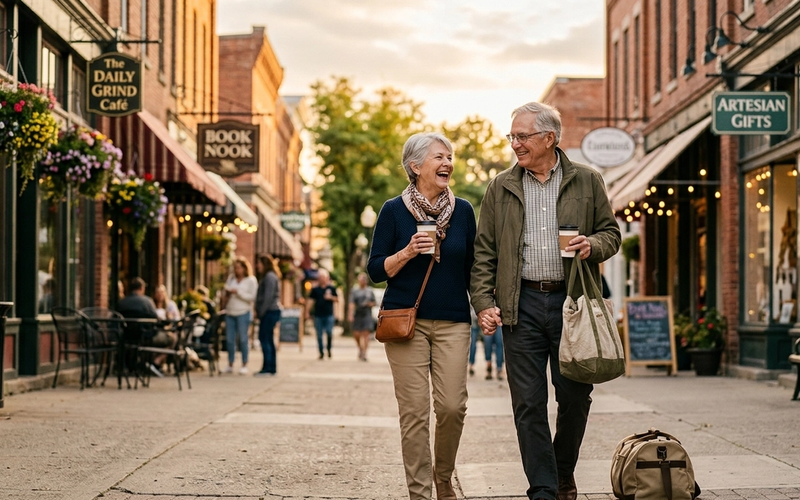
Best Weekend Trips and Short Getaways for Seniors
The best weekend trips for seniors are short, close to home, and built around one relaxed idea. Here are the kinds of short getaways that work well for older travelers, with real examples and how to plan one.
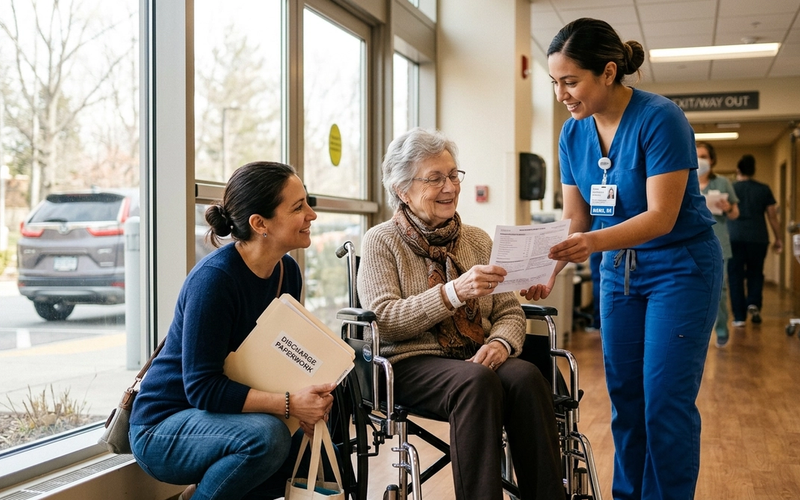
Hospital Discharge Planning for Seniors: A Family Guide
A hospital discharge for an older parent is a decision, not just a notice. Here is how discharge planning actually works, where families have leverage, and how to appeal a discharge you think is unsafe.
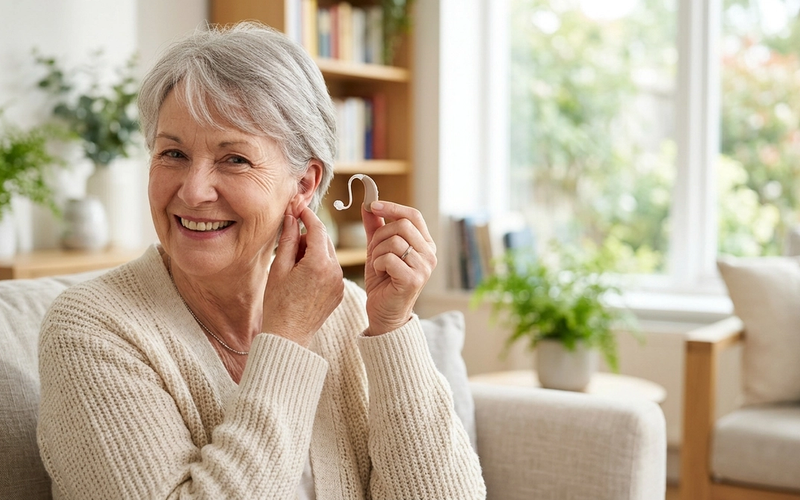
OTC Hearing Aids for Seniors: A 2026 Buyer's Guide
Over-the-counter hearing aids let adults with mild to moderate hearing loss skip the clinic and buy directly. Here is what they cost, who they fit, who should avoid them, and how they compare with prescription devices.
Explore senior living options
Comparing care for yourself or a family member? Browse communities by care type and see what each option typically costs.
- Assisted livingHelp with daily activities, costs, and how to choose a community.
- Independent livingMaintenance-free communities for active older adults.
- Home careIn-home support for seniors aging in place.
- Nursing homesSkilled nursing care and Medicare star ratings.
- Senior apartmentsAge-restricted, budget-friendly rental housing.
- Cost of senior livingCompare typical monthly prices by care type and state.