
How to Ask the Right Questions When Choosing Memory Care: A Family Guide
Seventy-two percent of caregivers experience stress while searching for memory care communities, according to recent research. The national median monthly cost of memory care reaches $6,200, A Place for Mom’s 2024 report shows. Quality of care varies significantly across facilities, with typical caregiver ratios of one staff member to five or six residents. Memory care…

Three-quarters of caregivers report stress while searching for memory care communities. According to A Place for Mom's 2024 report, the national median monthly cost is $6,200. Quality varies across facilities, and staffing typically runs one caregiver to five or six residents.
When evaluating a memory care facility, look beyond basic amenities. The physical space should be easy to navigate while keeping residents safe, especially those who wander. Research shows that person-centered dementia care improves quality of life and reduces agitation and depression.
Timing matters when choosing a facility. Most memory care communities have waiting lists, so start early if possible. Focus on finding a place that matches the resident's specific needs rather than being swayed by marketing materials or general impressions.
This guide covers how to evaluate memory care facilities and what questions to ask. It addresses both immediate care needs and the long-term considerations families face when making this decision.
- Assess individual care requirements
- Daily living and medical support evaluation
- Behavioral and cognitive assessment
- Priority checklist development
- Staff training and interaction evaluation
- Dementia-specific training requirements
- Caregiver assignment consistency
- Behavioral management approaches
- Safety features and physical environment assessment
When you visit a senior living community, look closely at its safety features and physical environment. These directly affect a resident's well-being. Check for well-lit hallways, grab bars in bathrooms, non-slip flooring, and accessible exits. Clean facilities that are well-maintained suggest a commitment to resident health. A clear layout helps residents navigate and stay more independent, which matters especially for those with cognitive decline.- Security and navigation systems
- Fall and wandering prevention measures
- Activity programming and therapeutic approaches
- Costs and long-term planning
- Monthly fee breakdown
- Additional charges and fees
- Care level changes and pricing
- Waiting lists and entry requirements
- Conclusion
- FAQs
Assess individual care requirements
Before visiting facilities, understand what kind of care is needed. This will help you ask the right questions and find communities that match those needs.
Daily living and medical support evaluation
Document what assistance is needed for bathing, dressing, eating, mobility, and toileting. Also note which instrumental activities of daily living (IADLs) require support—medication management, meal preparation, and appointment tracking.
List current medications, health conditions, and any therapy requirements. During facility tours, ask how often they review medications and what happens if a resident has a sudden health change.
Behavioral and cognitive assessment
Behavioral issues like sundowning, wandering, agitation, and sleep problems each need different strategies. These behaviors affect which facility is appropriate and what staff training is required.
Early-stage and advanced dementia need different expertise. Consider the resident's ability to communicate, recognize people, and make decisions when determining the right care level.
Priority checklist development
Before touring, organize what matters most. Key categories include:
- Current and anticipated future care needs. Plan for how care might change as cognitive decline progresses. Someone independent now may later need help with bathing, dressing, or medication. Dementia symptoms also change. Thinking ahead ensures the facility can adjust its support over time.
- Many seniors prefer private rooms where they can personalize their space. Outdoor areas—gardens, patios, walking paths—improve mood and reduce isolation.
- Cultural or religious considerations
- Dietary requirements and food preferences
- Activity interests and engagement preferences
This approach lets you focus facility tours on specific needs rather than general impressions. You can observe how each community addresses individual requirements.
Staff training and interaction evaluation
Care quality depends on staff training and qualifications. During tours, focus on what training they require and how staff interact with residents.
Dementia-specific training requirements
Ask whether all staff—housekeeping, kitchen, caregivers—receive dementia training. Look for certifications from programs like essentiALZ or CARES. Also ask how often caregivers get updated training and what specialized techniques they use with residents.
Facilities that train staff in person-centered dementia care beyond basic orientation typically have better safety records and lower staff turnover. Many now require dementia training for everyone.
Caregiver assignment consistency
Residents do better with consistent caregivers. They may not remember names, but they recognize familiar faces. Good facilities assign the same one or two caregivers to each resident. This reduces anxiety and maintains continuity. Familiar caregivers anticipate needs better and provide more personalized care.
Behavioral management approaches
Watch how staff respond when residents become agitated, confused, or aggressive. Good training teaches staff to see these behaviors as signs of unmet needs, not just dementia symptoms. Quality programs try non-medication approaches first.
During your visit, observe how staff treat residents. Do they seem patient and respectful, or rushed? This shows what care actually looks like beyond the marketing materials. Staffing ratios vary by state regulation.
Safety features and physical environment assessment
When you visit, examine the safety features and physical environment carefully. Look for well-lit hallways, clear exits, and grab bars in bathrooms. Some facilities now use fall detection systems or remote monitoring. These details matter for resident safety.
The physical environment affects how safe and independent residents can be, and whether they get confused. People with dementia fall about twice as often as those without cognitive problems.
Security and navigation systems
Memory care units need secure perimeters while allowing residents to move freely inside. Facilities use GPS tracking, door alarms, and disguised exits to prevent exit-seeking. Wayfinding uses color-coding, signs with words and pictures, and consistent visual markers.
Walking paths should be circular without dead ends. Residents who wander need routes that don't frustrate them with blocked passages. Open floor plans let staff see residents while keeping the space residential rather than institutional.
Fall and wandering prevention measures
Six in ten dementia patients wander. Facilities address this with technology and design. Security cameras and bed monitors track movement. Outdoor areas with walking paths and safe landscaping give residents places to explore.
To prevent falls, facilities should remove tripping hazards, provide good lighting, and install grab bars where needed. Some use floor sensors or wearable devices to alert staff when residents need help.
Activity programming and therapeutic approaches
Effective programs include cognitive activities like puzzles and memory exercises, music and art therapy to trigger memories, and adapted physical activities suited to each person's abilities.
Good facilities tailor activities to individual abilities and interests. Small groups of 10-14 residents work better than large ones. Natural light in common areas helps regulate sleep and reduce sundowning.
With typical staffing of one caregiver per five or six residents, facilities need to position common areas strategically so staff can see residents clearly.
Costs and long-term planning
Financial planning determines whether families can afford memory care long-term. The pricing structure is complex, so examine it carefully to avoid surprises.
Monthly fee breakdown
Memory care facilities charge all-inclusive monthly fees averaging $6,200 to $6,450 nationwide. The base rate covers room and board, meals, housekeeping, assistance with daily living, and memory care programs. What's included varies between facilities.
Ask for an itemized breakdown of what's included in the monthly rate and how pricing tiers work. Some facilities charge based on which services residents use.
Additional charges and fees
Costs beyond the monthly fee add up quickly. Medication management might cost $50 per injection. Transportation, personal laundry, therapy, incontinence supplies, and salon services usually cost extra. Some facilities charge $12 for a blood pressure check or $93 monthly if you use a non-preferred pharmacy.
Request a complete list of potential additional charges. Specialized care packages can increase monthly costs by $1,325 to $4,625 as needs grow.
Care level changes and pricing
As dementia progresses, care needs increase. Some communities keep pricing the same regardless; others charge more for higher care levels.
Ask how often they assess residents' needs and what happens when care requirements increase. The average memory care stay lasts 2 to 3 years, potentially costing $190,000 to $285,000 total.
Waiting lists and entry requirements
Many facilities have waiting lists because availability is limited. Entry fees range from hundreds to thousands of dollars and may or may not be refundable. Some communities require additional deposits beyond monthly fees.
Ask about current wait times and under what conditions entry fees aren't refundable. Some facilities offer perks for people on the waiting list, such as early access to amenities or activities.
Conclusion
Choosing a memory care facility requires weighing staff qualifications, environmental design, and costs. Don't rely on general impressions alone.
Quality memory care depends on caregivers trained in dementia-specific approaches. Consistent caregiver assignments and person-centered methods improve outcomes. Environment matters too—secure navigation systems and personalized activities directly affect daily life.
Financial planning is crucial. Costs vary significantly between facilities, and additional charges often surprise families. Start researching early since many communities have waiting lists.
Identify specific resident needs before touring. Ask targeted questions about medical support, behavioral management, and care changes rather than relying on standard marketing presentations.
Effective evaluation considers multiple factors. Looking at staff training, safety, activities, and costs together helps you make a more informed decision about long-term placement.
FAQs
Q1. What are the key factors to consider when choosing a memory care facility?
Evaluate staff training in dementia care, safety features, personalized activities, facility layout, and costs. The environment should be secure, easy to navigate, and support independence while meeting the resident's specific needs.
Q2. How often should memory care facilities assess residents' needs?
Quality facilities assess residents regularly—usually every few months or when you notice a change in condition. Ask about the assessment process and how they adjust care as needs increase.
Q3. What types of activities are typically offered in memory care facilities?
Facilities usually provide cognitive exercises like puzzles, creative activities such as music and art therapy, and adapted physical activities. Programs are tailored to individual abilities and interests.
Q4. How do memory care facilities handle difficult behaviors in residents?
Staff should be trained to see challenging behaviors as signs that a need isn't being met. They should try non-medication approaches first, working to understand the root cause and respond with patience.
Q5. What is typically included in the monthly fee for memory care?
The monthly fee typically covers room and board, meals, housekeeping, basic help with daily activities, and memory care programs. Services vary between facilities, so ask for an itemized breakdown. Additional care or amenities may cost more.
Frequently asked questions
Get matched
Looking for senior care for someone you love?
Tell us what you're considering. We'll share independent matches and pricing directly with you. No phone calls until you ask for one.
- Takes about two minutes to complete.
- Pricing details emailed to you. No phone calls until you ask for one.
- Independent matching. We do not own the communities we list.
Loading the matching form…
Powered by SilverAssist. By submitting this form you agree to our privacy policy.
More from our editors
All articles
Best Weekend Trips and Short Getaways for Seniors
The best weekend trips for seniors are short, close to home, and built around one relaxed idea. Here are the kinds of short getaways that work well for older travelers, with real examples and how to plan one.
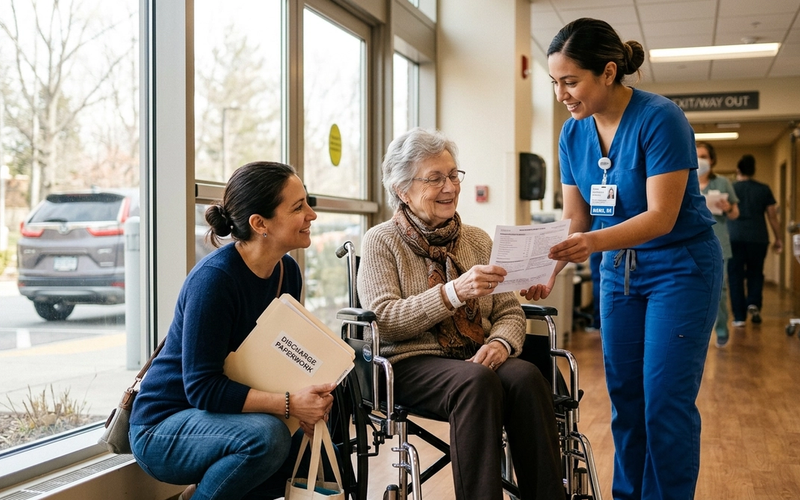
Hospital Discharge Planning for Seniors: A Family Guide
A hospital discharge for an older parent is a decision, not just a notice. Here is how discharge planning actually works, where families have leverage, and how to appeal a discharge you think is unsafe.

OTC Hearing Aids for Seniors: A 2026 Buyer's Guide
Over-the-counter hearing aids let adults with mild to moderate hearing loss skip the clinic and buy directly. Here is what they cost, who they fit, who should avoid them, and how they compare with prescription devices.
Explore senior living options
Comparing care for yourself or a family member? Browse communities by care type and see what each option typically costs.
- Assisted livingHelp with daily activities, costs, and how to choose a community.
- Independent livingMaintenance-free communities for active older adults.
- Home careIn-home support for seniors aging in place.
- Nursing homesSkilled nursing care and Medicare star ratings.
- Senior apartmentsAge-restricted, budget-friendly rental housing.
- Cost of senior livingCompare typical monthly prices by care type and state.