
How to Care for a Parent with Dementia at Home: A Family Guide
Family caregivers face significant challenges when providing dementia care at home. Alzheimer’s disease, the most common form of dementia, accounts for 60%-80% of all dementia cases and ranks as the 7th leading cause of death in the United States. The caregiving burden affects millions of Americans who care for a friend or family member with Alzheimer’s disease or…

Family caregivers caring for someone with dementia at home face real challenges. Alzheimer's disease accounts for 60%-80% of dementia cases and is the 7th leading cause of death in the United States. Millions of Americans are managing care for a family member or friend with Alzheimer's or related dementias.
Dementia caregiving takes a toll. Compared to noncaregivers, dementia caregivers report higher stress, more depression and anxiety, and lower overall well-being. The right support systems can help families create stable care environments and protect caregiver health.
Family caregivers handle daily activities, home safety, and behavior management as the disease progresses. As dementia advances, caregivers need both medical knowledge and emotional strength. Understanding what to expect helps families plan for long-term home care.
- Dementia's clinical progression and family impact
Dementia progresses through distinct stages, each with its own symptoms and care needs. Knowing these stages helps families prepare for the changes ahead. Early stages may involve subtle memory loss; later stages bring significant changes in how the person thinks and functions. This article covers how dementia progresses, what families can expect, and practical strategies for home care.- Clinical stages and disease progression
- Cognitive and behavioral manifestations
- Impact on family caregivers
- Home safety modifications for dementia care
- Safety assessment and hazard removal
- Room modifications and environmental design
A supportive home environment helps people with dementia stay safe and less confused. This means modifying rooms thoughtfully—adjusting lighting, choosing colors wisely, and removing clutter. The goal is spaces that are easy to navigate and don't trigger confusion or agitation. When the environment works with the person's abilities rather than against them, daily life becomes easier for everyone. - Visual aids and environmental cues
- Daily care routines for dementia patients
- Establishing consistent daily schedules
- Managing personal care activities
- Maintaining functional independence
- Communication strategies and behavioral management
- Communication approaches for dementia patients
Good communication matters when someone has dementia. It helps them feel less agitated and keeps their dignity intact. This section covers practical strategies—simplifying language, using gestures, validating feelings, and adjusting your approach as needs change. These techniques improve daily life for both the person with dementia and their caregiver. - Managing aggression, confusion, and behavioral symptoms
- Medical consultation for behavioral changes
- Communication approaches for dementia patients
- Caregiver health and support resources
- Caregiver burnout indicators
- Rest and personal activity maintenance
- Support groups and respite care services
- Family support and long-term care planning
- FAQs
Dementia's clinical progression and family impact
Dementia is a group of symptoms affecting memory, thinking, and social abilities enough to disrupt daily life. Between 5% and 8% of people over 65 have dementia, and the rate doubles every five years after that.
Clinical stages and disease progression
Dementia is a decline in mental function from a previously higher level. Most people with dementia experience problems with at least two of these: memory, reasoning, language, coordination, mood, or behavior.
Dementia typically progresses through three stages:
- Early stage (mild): People may live independently but forget familiar words or misplace objects. This stage usually lasts about 2 years.
- Middle stage (moderate): This is usually the longest stage, lasting 2-4 years, as symptoms become more apparent. The person may mix up words, show frustration, or behave unexpectedly.
- Late stage (severe): The person loses the ability to respond to their environment, hold conversations, and control movement. This stage typically lasts 1-2 years.
As dementia progresses, nerve cells and connections in the brain are damaged or lost. Symptoms depend on which brain areas are affected.
Cognitive and behavioral manifestations
Memory loss in dementia is different from ordinary forgetfulness. Instead of occasionally misplacing keys, the person forgets what keys are for. Recent memories are usually affected first, while older, well-established memories last longer.
Communication becomes noticeably harder as the condition advances:
- Struggling to find words or follow conversations
- Repeating questions or statements
- Having trouble organizing thoughts or expressing ideas
Behavior and personality changes happen because of nerve cell loss in specific brain regions. Damage to the frontal lobes can reduce motivation and change personality. A person may start following their caregiver closely, feel insecure without them, or become upset when they can't find them.
Impact on family caregivers
Dementia care at home is emotionally and physically demanding. About 40% of dementia caregivers experience depression, compared to 5%-17% of noncaregivers in the same age group.
Caregivers often report:
- Denial about how the disease is progressing
- Anger at the situation or frustration with changes in the person's abilities
- Withdrawing from activities they once enjoyed
- Anxiety about what comes next and uncertainty about the future
Dementia caregiving affects physical health. Caregivers may have weakened immune systems for up to three years after their caregiving role ends, leaving them more vulnerable to chronic illness.
Grief for dementia caregivers is complicated. They're mourning someone who is still physically present but changing mentally. Family members may grieve at different rates, which can create misunderstandings and tension.
Understanding how dementia progresses helps families develop effective home care strategies that work for both the person with dementia and their caregivers.
Home safety modifications for dementia care
Home safety is critical for dementia care. As thinking abilities decline, everyday household items become hazards, and familiar spaces can become confusing and disorienting.
Safety assessment and hazard removal
Walk through your home to identify dangers. Throw rugs, extension cords, and clutter are tripping hazards. Falls are the leading cause of injury and death for adults 65 and older, making these preventive steps essential.
Install safety devices including:
- Grab rails in bathrooms and on stairs
- Smoke alarms and carbon monoxide detectors (checked regularly)
- Automatic shut-off features on kitchen appliances
- Motion sensors or automatic lights for moving around at night
Lock up medications, cleaning products, and sharp objects. Keep water temperature at 120 degrees or lower to prevent scalding.
Room modifications and environmental design
Keep furniture in the same places to prevent disorientation. Clear pathways between rooms and remove clutter to help the person navigate safely.
Flooring matters. Shiny surfaces look wet and cause anxiety. Patterned carpets can look uneven. Dark mats can look like holes. Plain, matte flooring that contrasts with walls works best.
Mirrors can confuse someone with dementia who may not recognize their own reflection. Cover or remove mirrors that cause distress.
Use color contrasts to help with visibility:
- Toilet seats that stand out against bathroom floors
- Dishes that contrast with table surfaces
- Furniture that shows against walls
Visual aids and environmental cues
Clear labels with words and pictures help people find things. Label rooms, storage areas, and common items like phones or remote controls.
Older people, especially those with dementia, need more light. Use natural light during the day, keep lighting consistent throughout the home, add nightlights in key areas, and use task-specific lighting for reading or detail work.
Color-coding can organize daily activities. Some care programs use specific colors for meal times or hygiene routines. Place visual cues at eye level where they're easiest to see.
These changes preserve both safety and dignity. Research shows that thoughtful home modifications improve how well people with dementia can navigate, even as their thinking abilities decline.
Daily care routines for dementia patients
Structured daily routines help people with dementia function better. Predictable schedules reduce confusion and anxiety. For caregivers, consistent routines mean less time deciding what comes next and more time focused on care.
Establishing consistent daily schedules
Build schedules around the person's habits and best times of day. Most people with dementia are more alert in the morning. Match daily schedules to their lifelong routines, like whether they've always been early risers or afternoon people.
Include in daily routines:
- Personal care (bathing, dressing)
- Helping with household tasks
- Physical activity or exercise
- Activities that engage the mind
- Time with family or friends
- Rest periods
Keep wake time, meals, and bedtime consistent to reduce confusion and behavior problems. Stay flexible enough to handle changes in energy or unexpected needs.
Managing personal care activities
Personal care can be difficult. Schedule bathing for times the person usually prefers. Prepare the bathroom ahead of time—gather supplies, set a comfortable temperature, and keep instructions simple and step-by-step.
For dressing, lay out clothes in order and hand them one at a time with simple directions. Choose loose-fitting clothes with easy fasteners instead of complicated buttons or zippers.
At mealtimes, serve food at regular times in the same place. One food at a time works better than multiple options. Keep mealtime quiet and unhurried so the person has time to finish without pressure.
Maintaining functional independence
Break tasks into smaller steps so the person can complete them with less frustration. Focus on what they can still do. Preserving some independence protects dignity and self-esteem.
Involving them in daily activities—watering plants, helping in the kitchen, folding laundry—gives them a sense of purpose. Ask what they'd like to do. Physical activity helps with mood and daily functioning.
As dementia progresses, adapt routines. Simple tasks like holding a washcloth during bathing or sorting laundry can keep them engaged even when more complex work isn't possible.
Communication strategies and behavioral management
As dementia progresses, talking becomes harder. The disease changes how people process and express language. Different communication methods and environmental adjustments help conversations work better.
Communication approaches for dementia patients
Environment affects communication. Turn down background noise from TVs or radios. Sit where the person can see you clearly and make direct eye contact.
Communication methods that work:
- Short, simple sentences spoken calmly
- Eye contact and supportive body language
- Giving the person time to respond
- One question at a time, preferably yes or no questions
- Letting mistakes stand without correction
As verbal skills fade, gestures, facial expressions, and gentle touch become more important than words.
Managing aggression, confusion, and behavioral symptoms
Behavioral changes usually have a reason. Physical discomfort, too much stimulation, or confusion about surroundings often triggers agitation or aggression. Instead of just addressing the behavior, doctors recommend finding what's causing it.
Redirection works for agitation. When someone is confused, shift their attention to a different activity or topic. If they become aggressive, stay at a safe distance while keeping them secure. Behavioral changes come from brain changes, not intentional choices.
Broken routines, unfamiliar places, or time-of-day changes increase confusion. Sundowning—when confusion and agitation worsen in the evening—is common with dementia. Consistent routines and reassurance help prevent these episodes.
Medical consultation for behavioral changes
Sudden behavioral changes need medical attention. Health problems like infections or medication side effects often show up as behavior changes in dementia patients. A doctor can tell the difference between disease progression and treatable medical problems.
Seek medical help for:
- Sudden personality changes
- New or worsening aggression
- Hallucinations or false beliefs
- Behaviors that create safety risks
Caregiver health and support resources
Family caregivers for people with dementia face serious health risks. The demands of this care affect both physical and mental health. Paying attention to your own well-being is essential for long-term caregiving.
Caregiver burnout indicators
Caregiver burnout happens when family members don't get adequate support or rest. Warning signs include:
- Denying the disease will progress ("Mom will get better")
- Losing interest in activities you once enjoyed
- Constant worry about caregiving duties
- Exhaustion that makes routine tasks feel impossible
- Sleep problems from stress
- Quick to anger or irritable with family
- New or worsening health problems
Fifty-nine percent of family caregivers of people with Alzheimer's or other dementias report high or very high emotional stress. Recognizing these signs early can prevent serious problems for your health.
Rest and personal activity maintenance
Regular breaks help caregivers provide better care. Accept help when it's offered, whether that's meal preparation or someone staying with your loved one so you can rest.
Exercise for at least 30 minutes most days helps reduce stress. Practices like deep breathing, yoga, or meditation measurably improve how you feel.
Support groups and respite care services
Support groups connect you with other caregivers facing similar challenges. Groups meet in person or online and provide both emotional support and practical tips. The Alzheimer's Association runs free support groups led by experienced facilitators.
Respite care gives you a break through:
- Adult day programs with supervised activities
- Short-term residential facilities
- Plan respite options before you need them. Cost, guilt, and reliability concerns often hold caregivers back, but respite care helps both you and your loved one.
Family support and long-term care planning
Families providing home dementia care face many challenges. Knowing how dementia progresses helps you prepare for what each stage brings. Modifying your home, establishing routines, and using clear communication can reduce confusion and keep everyone safer.
As cognitive abilities decline, adjust how you communicate. Use simple language, be patient, and pay attention to non-verbal cues to stay connected with your family member.
Behavioral changes happen as dementia progresses. Most difficult behaviors come from unmet needs or confusion, not from the person choosing to act that way. Understanding the cause helps you respond more effectively.
Your health matters in dementia care. Fifty-nine percent of family caregivers of people with Alzheimer's or other dementias report high or very high stress. Support groups, respite care, and professional help keep caregivers healthy during long-term care.
The Alzheimer's Association offers resources for families dealing with dementia. Adult day programs, in-home care services, and short-term facilities provide respite. Healthcare providers recommend setting up these systems before an emergency.
Dementia affects millions of American families. Professional medical guidance, community resources, and structured care approaches help families manage the practical side of home-based dementia care.
FAQs
Dementia caregiving requires patience, flexibility, and compassion. Keep your sense of humor, don't take things personally, and be creative with solutions. Make your own well-being a priority. Get support from others through support groups and respite care.
Q2. How can I create a safe home environment for someone with dementia? Remove tripping hazards, install grab rails and smoke alarms, lock up medications and cleaning products, and set water temperature at 120 degrees or lower. Keep furniture in consistent places, use contrasting colors to help with visibility, and label important items with words and pictures.
Q3. What are effective communication strategies when talking to someone with dementia? Use short, simple sentences and a calm tone. Make eye contact and give the person time to respond. Ask one question at a time. As words become harder, rely more on gentle touch, facial expressions, and gestures.
Q4. How can I manage behavioral changes in a person with dementia? Look for what's causing the behavior—discomfort, overstimulation, or confusion. Try redirecting attention to a different activity. Maintain consistent routines and respond with reassurance to prevent or reduce episodes of confusion or agitation.
Q5. What are the signs of caregiver burnout and how can it be prevented? Signs include denial about the disease, withdrawing from activities, anxiety, exhaustion, sleep problems, irritability, and health issues. Prevent burnout by accepting help, maintaining hobbies and exercise, joining support groups, and using respite care regularly.
Frequently asked questions
Get matched
Looking for senior care for someone you love?
Tell us what you're considering. We'll share independent matches and pricing directly with you. No phone calls until you ask for one.
- Takes about two minutes to complete.
- Pricing details emailed to you. No phone calls until you ask for one.
- Independent matching. We do not own the communities we list.
Loading the matching form…
Powered by SilverAssist. By submitting this form you agree to our privacy policy.
More from our editors
All articles
Best Weekend Trips and Short Getaways for Seniors
The best weekend trips for seniors are short, close to home, and built around one relaxed idea. Here are the kinds of short getaways that work well for older travelers, with real examples and how to plan one.
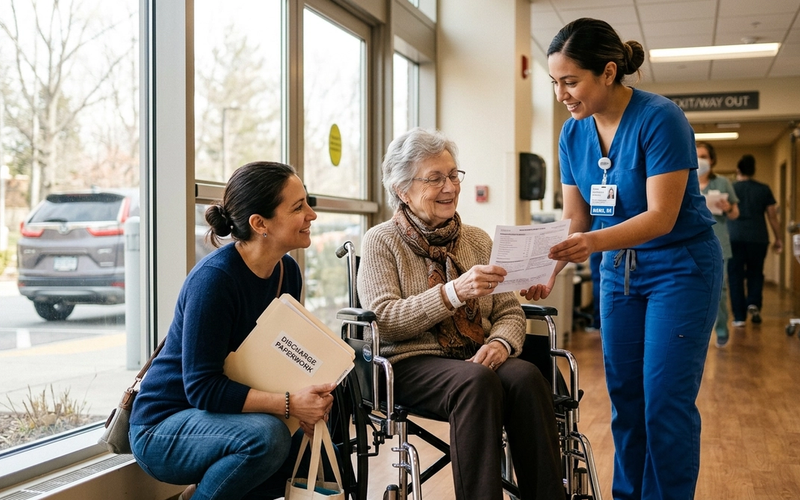
Hospital Discharge Planning for Seniors: A Family Guide
A hospital discharge for an older parent is a decision, not just a notice. Here is how discharge planning actually works, where families have leverage, and how to appeal a discharge you think is unsafe.

OTC Hearing Aids for Seniors: A 2026 Buyer's Guide
Over-the-counter hearing aids let adults with mild to moderate hearing loss skip the clinic and buy directly. Here is what they cost, who they fit, who should avoid them, and how they compare with prescription devices.
Explore senior living options
Comparing care for yourself or a family member? Browse communities by care type and see what each option typically costs.
- Assisted livingHelp with daily activities, costs, and how to choose a community.
- Independent livingMaintenance-free communities for active older adults.
- Home careIn-home support for seniors aging in place.
- Nursing homesSkilled nursing care and Medicare star ratings.
- Senior apartmentsAge-restricted, budget-friendly rental housing.
- Cost of senior livingCompare typical monthly prices by care type and state.