
Family caregivers face significant challenges when providing dementia care at home. Alzheimer’s disease, the most common form of dementia, accounts for 60%-80% of all dementia cases and ranks as the 7th leading cause of death in the United States. The caregiving burden affects millions of Americans who care for a friend or family member with Alzheimer’s disease or related dementias.
Dementia caregiving creates substantial emotional and physical demands on family members. Compared to noncaregivers, dementia caregivers report higher levels of stress, more depression and anxiety symptoms, and lower levels of subjective well-being. Research shows that effective approaches and support systems can help families create stable care environments while maintaining caregiver wellbeing.
Family caregivers must navigate daily care activities, home safety modifications, and behavioral management as dementia progresses. The caregiver’s role changes as the disease advances, requiring both medical knowledge and emotional resilience. Understanding these challenges allows families to develop practical strategies for long-term home care situations.
Dementia’s Clinical Progression and Family Impact
Dementia encompasses a group of symptoms affecting memory, thinking, and social abilities severely enough to interfere with daily functioning. Almost 5% to 8% of all people over age 65 have some form of dementia, with this number doubling every five years above that age.
Clinical stages and disease progression
Dementia describes a decline in mental function from a previously higher level rather than a specific disease. A person with dementia typically experiences difficulties with at least two of the following: memory, reasoning, language, coordination, mood, or behavior.
The condition progresses through three distinct clinical stages:
- Early stage (mild): Individuals may function independently but experience memory lapses like forgetting familiar words or misplacing objects. This stage typically lasts around 2 years.
- Middle stage (moderate): Usually the longest stage, lasting 2-4 years, requiring increased care as symptoms become more pronounced. The person may confuse words, feel frustrated, or act unexpectedly.
- Late stage (severe): Individuals lose the ability to respond to their environment, carry on conversations, and eventually control movement. This final stage typically lasts 1-2 years.
The brain experiences damage to or loss of nerve cells and their connections throughout this progression, with symptoms depending on which areas are affected.
Cognitive and behavioral manifestations
Memory changes in dementia differ from normal forgetfulness-it involves forgetting what keys are used for rather than occasionally misplacing them. The condition typically affects recent memories first, while older, well-established memories often remain intact longer.
Communication difficulties become increasingly evident as the condition progresses. These include:
- Struggling to find the right words or follow conversations
- Repeating questions or statements
- Having trouble organizing or expressing thoughts
Behavior and personality changes often accompany dementia due to neuronal loss in specific brain regions. Damage to the frontal lobes can lead to decreased motivation, passivity, and personality changes. A person may develop new behaviors like following or “shadowing” their caregiver, feeling insecure, or becoming agitated when unable to find them.
Impact on family caregivers
Dementia care at home creates significant challenges for family members. The emotional toll is substantial-approximately 40% of dementia caregivers experience depression, significantly higher than the 5-17% rate among non-caregivers in the same age group.
Caregivers report specific emotional responses:
- Denial about the disease’s progression
- Anger at the situation or frustration with the person’s changing abilities
- Social withdrawal from previously enjoyable activities
- Anxiety about the future and uncertainty
Dementia caregiving frequently leads to physical health consequences. Caregivers may suffer from compromised immune systems for up to three years after their caregiving role ends, increasing their vulnerability to chronic illnesses.
The grieving process for dementia caregivers is particularly complex since they’re mourning someone who is physically present but cognitively changing. Family dynamics often shift dramatically when a parent develops dementia. Different family members may grieve at different paces, creating tension and misunderstandings.
These clinical realities of dementia and its progression provide the foundation for developing effective home care strategies that support both the person with dementia and their caregivers.
Home Safety Modifications for Dementia Care
Home safety modifications form the foundation of effective dementia care. Cognitive decline can turn familiar household items into potential hazards, while previously comfortable spaces may become disorienting for people with dementia.
Safety Assessment and Hazard Removal
Home safety experts recommend conducting thorough assessments to identify immediate dangers. Tripping hazards like throw rugs, extension cords, and excessive clutter present significant risks. Falls represent the leading cause of injury or death for adults 65 and older, making these preventative measures essential for dementia home care.
Safety device installation includes several key components:
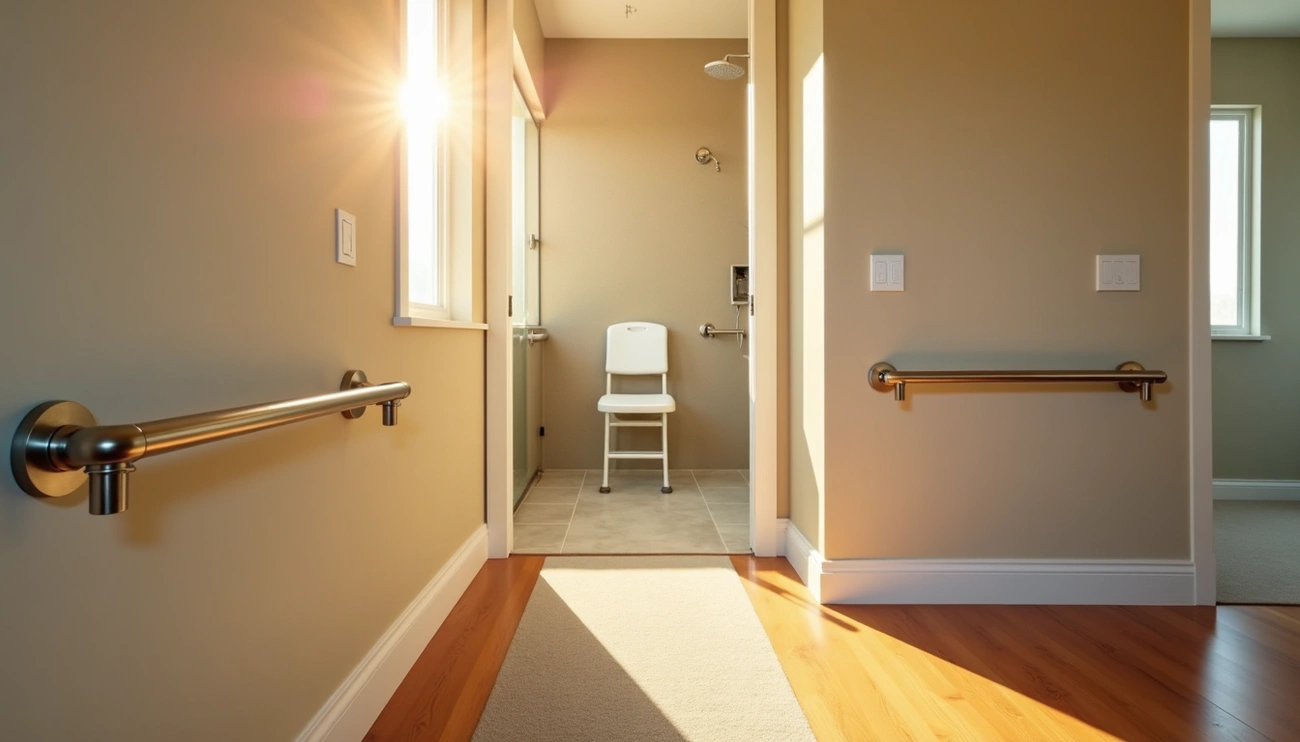
- Grab rails in bathrooms and stairways
- Smoke alarms and carbon monoxide detectors with regular maintenance schedules
- Automatic shut-off features on kitchen appliances
- Motion sensors or automatic lighting for nighttime navigation
Healthcare professionals advise securing potentially dangerous items including medications, cleaning products, and sharp objects in locked storage. Water temperature regulation at or below 120 degrees prevents scalding incidents.
Room Modifications and Environmental Design
Dementia care specialists emphasize consistent furniture arrangements to reduce disorientation. Clear pathways between rooms and clutter-free spaces support safe navigation for people with cognitive impairment.
Flooring choices significantly impact safety and comfort. Shiny surfaces may appear wet and create anxiety, while patterned carpets can be mistaken for uneven ground. Dark mats might look like holes in the floor. Plain, matte flooring that contrasts with walls helps with spatial orientation.
Mirrors can confuse people with dementia who may not recognize their reflection. Covering or removing problematic mirrors reduces distress and confusion.
Color contrast benefits people with dementia in several applications:
- Toilet seats that contrast with bathroom floors
- Dinnerware that contrasts with table surfaces
- Furniture that stands out against walls
Visual Aids and Environmental Cues
Clear labeling systems help maintain independence for people with dementia. Effective labels combine words and pictures for rooms, storage areas, and common household items like telephones or remote controls.
Lighting requirements increase for older adults, particularly those with dementia. Optimal lighting includes maximum natural light during daytime hours, consistent illumination throughout the home, nightlights in key areas, and task-specific lighting for activities like reading.
Color-coding systems can organize daily activities or items. Some care programs use specific colors for meal times or hygiene activities. Visual cues positioned at eye level provide the most effective guidance.
These environmental modifications aim to preserve both safety and dignity. Research shows that targeted home modifications can significantly improve navigation abilities for people with dementia despite cognitive challenges.
Daily Care Routines for Dementia Patients
Structured daily routines form the foundation of effective dementia home care. People with dementia function better with predictable schedules that reduce confusion and anxiety. Consistent routines allow caregivers to focus on care activities rather than constant decision-making about what comes next.
Establishing consistent daily schedules
Dementia care requires structured approaches that match the person’s historical preferences and optimal functioning periods. Most people with dementia perform better during morning hours when cognitive abilities are typically strongest. Care schedules should incorporate the person’s lifelong habits, such as early rising or afternoon activities.
Daily routines should include:
- Personal care activities (bathing, dressing)
- Household participation opportunities
- Physical activities and exercise
- Cognitive stimulation activities
- Social interaction periods
- Regular rest intervals
Regular timing for waking, meals, and bedtime helps minimize confusion and reduces behavioral issues associated with dementia. Caregivers should maintain schedule flexibility to accommodate energy level fluctuations or unexpected needs.
Managing personal care activities
Personal care presents significant challenges in dementia caregiving. Bathing schedules should align with the person’s historical preferences and be conducted at consistent times. Bathroom preparation includes gathering supplies beforehand, maintaining comfortable temperatures, and providing clear, step-by-step instructions.
Dressing assistance requires laying clothes out in proper sequence and handing items individually with simple directions. Loose-fitting clothing with easy fasteners works better than complex buttons or buckles.
Mealtime management involves maintaining familiar eating schedules in consistent locations. Single food presentations work better than multiple simultaneous options. Quiet eating environments without distractions allow adequate time for meal completion without pressure.
Maintaining functional independence
Task simplification allows people with dementia to complete activities with reduced frustration. Caregivers should focus on remaining abilities rather than lost functions. Breaking complex tasks into manageable components preserves dignity and self-esteem.
Simple participation in daily activities like plant watering or kitchen assistance provides purpose and accomplishment. Direct questions about preferred tasks help identify comfortable independence levels. Physical activity remains important for cognitive health and daily functioning maintenance.
Routine adaptation becomes necessary as dementia progresses. Simple actions like holding washcloths during bathing or assisting with laundry folding can provide meaningful engagement even when complex task management is no longer possible.
Communication Strategies and Behavioral Management
Communication challenges increase as dementia progresses, requiring adapted approaches from family caregivers. The disease affects language processing and expression abilities, making traditional conversation methods less effective. Healthcare professionals report that environmental modifications and specific communication techniques can improve interactions with dementia patients.
Communication approaches for dementia patients
Environmental factors significantly impact communication success. Reducing background noise from televisions or radios helps maintain focus during conversations. Caregivers report better results when positioning themselves within clear sight lines and using direct eye contact.
Effective communication strategies include:
- Short, simple sentences with calm tones
- Eye contact and supportive body language
- Extended response time without interruption
- Single questions requiring yes/no answers
- Avoiding correction of factual mistakes
Non-verbal communication becomes increasingly important as verbal abilities decline. Physical gestures, facial expressions, and gentle touch often convey information more effectively than verbal exchanges alone.
Managing aggression, confusion, and behavioral symptoms
Behavioral changes in dementia patients typically have identifiable triggers. Physical discomfort, environmental overstimulation, or confusion about surroundings can lead to agitation or aggressive responses. Medical professionals recommend identifying underlying causes rather than addressing surface behaviors.
Redirection techniques help manage agitation episodes. Caregivers can guide attention toward different activities or topics when confusion occurs. Aggressive behaviors require maintaining safe distances while ensuring the person’s security. These responses reflect neurological changes rather than intentional actions.
Routine disruptions, unfamiliar environments, or time-of-day changes can increase confusion episodes. Sundowning, a common phenomenon in dementia patients, occurs when confusion and agitation worsen during evening hours. Consistent schedules and reassuring responses help minimize these incidents.
Medical consultation for behavioral changes
Sudden behavioral changes require immediate medical evaluation. Underlying health conditions, including infections or medication reactions, frequently manifest as behavioral symptoms in dementia patients. Healthcare providers can distinguish between disease progression and treatable medical issues.
Medical attention is necessary for:
- Abrupt personality changes
- New or escalating aggressive behaviors
- Hallucinations or delusional thinking
- Behaviors that create safety risks
Caregiver Health and Support Resources
Dementia caregiving creates significant health risks for family members providing care. Research indicates that the demanding nature of dementia care affects caregiver physical and mental health, with sustainable caregiving requiring attention to caregiver wellbeing.
Caregiver burnout indicators
Caregiver burnout develops when family members lack adequate self-care support, resulting in emotional exhaustion. Healthcare professionals identify specific warning signs:
- Denial about the disease’s effects (“Mom will get better”)
- Social withdrawal from activities previously enjoyed
- Anxiety about daily caregiving responsibilities
- Exhaustion making routine tasks difficult
- Sleep problems from ongoing stress
- Irritability affecting family interactions
- Health problems developing from caregiving demands
Studies show that 59% of family caregivers of people with Alzheimer’s or other dementias rate their emotional stress as high or very high. Early recognition of these symptoms helps prevent serious health consequences for caregivers.
Rest and personal activity maintenance
Research demonstrates that regular breaks improve caregivers’ ability to provide quality care. Caregivers who accept assistance from others report better outcomes. Specific support includes meal preparation or supervision while the primary caregiver takes breaks.
Daily exercise of at least 30 minutes provides significant stress relief benefits for caregivers. Stress reduction techniques such as deep breathing, yoga, or meditation show measurable improvements in caregiver wellbeing according to healthcare studies.
Support groups and respite care services
Support groups connect caregivers with others facing similar situations. These groups, available both virtually and in-person, provide emotional support and practical guidance. The Alzheimer’s Association operates free, facilitator-led support groups designed for unpaid family caregivers.
Respite care offers temporary relief from caregiving duties through several options:
- In-home care services with trained companions or home health aides
- Adult day centers providing supervised activities
- Short-term residential care facilities
Healthcare experts recommend researching respite options before crisis situations develop. Caregiver hesitation often stems from cost concerns, reliability questions, or guilt, but studies indicate respite care benefits both caregivers and care recipients.
Family Support and Long-term Care Planning
Dementia home care requires families to address multiple challenges simultaneously. Research shows that families who understand disease progression can better prepare for care needs at each stage. Home environment modifications, structured daily routines, and clear communication strategies help reduce confusion and maintain safety for individuals with dementia.
Communication approaches must adapt as cognitive abilities decline. Healthcare professionals recommend using simple language, maintaining patience, and recognizing non-verbal communication cues to preserve connections with family members affected by dementia.
Behavioral changes frequently occur during dementia progression. Medical experts note that most difficult behaviors stem from unmet needs or confusion rather than intentional actions. Families benefit from understanding these underlying causes when developing response strategies.
Caregiver health remains a significant concern in dementia care situations. Studies indicate that 59% of family caregivers of people with Alzheimer’s or other dementias rate their emotional stress as high or very high. Support groups, respite care services, and professional assistance help maintain caregiver wellbeing during long-term care situations.
The Alzheimer’s Association provides resources for families navigating dementia care challenges. Adult day centers, in-home care services, and short-term care facilities offer respite options for family caregivers. Healthcare providers recommend establishing these support systems before emergency situations arise.
Dementia affects millions of American families who provide care for relatives with cognitive decline. Professional medical guidance, community resources, and structured care approaches help families manage the practical aspects of home-based dementia care over time.
FAQs
Q1. What are the most important things dementia caregivers need? Dementia caregivers primarily need patience, flexibility, and compassion. It’s crucial to maintain a sense of humor, not take things personally, and be creative in problem-solving. Additionally, caregivers should prioritize self-care, seek support from others, and utilize resources like support groups and respite care.
Q2. How can I create a safe home environment for someone with dementia? To create a safe home environment, remove tripping hazards, install safety devices like grab rails and smoke alarms, secure potentially dangerous items, and use clear labels and visual cues. Modify rooms to reduce confusion by maintaining consistent furniture arrangements and using contrasting colors for better visibility.
Q3. What are effective communication strategies when talking to someone with dementia? When communicating with someone who has dementia, use short, simple sentences and a calm tone. Maintain eye contact, give plenty of time for responses, and ask one question at a time. Non-verbal communication, such as gentle touching and supportive body language, becomes increasingly important as verbal skills decline.
Q4. How can I manage behavioral changes in a person with dementia? To manage behavioral changes, try to identify underlying causes such as physical discomfort or overstimulation. Use gentle redirection for agitation or confusion, and give space while ensuring safety if aggression occurs. Maintain consistent routines and provide reassurance to minimize episodes of confusion.
Q5. What are the signs of caregiver burnout and how can it be prevented? Signs of caregiver burnout include denial about the disease’s effects, social withdrawal, anxiety, exhaustion, sleep problems, irritability, and health issues. To prevent burnout, accept help from others, maintain personal hobbies and exercise routines, join support groups, and use respite care services regularly.