
How to Choose Types of Therapy for Elderly: A Family Guide to Better Care
Key Takeaways Baby Boomers experience higher rates of depression and mental health challenges compared to previous generations. Finding the right therapeutic support for aging parents and grandparents has become essential for families dealing with senior care decisions. Physical therapy helps seniors maintain mobility, build strength, and recover from injuries or surgeries. Research shows that psychological…

- Key Takeaways
- Understanding Your Elderly Loved One's Changing Needs
- Physical and cognitive changes that affect seniors
- Signs that indicate your family member may need therapy
- Types of Therapy Available for Seniors
- Physical Therapy
- Occupational Therapy
- Speech Therapy
- Cognitive Therapy
- Creative Therapies
- Alternative Approaches
- Group Therapy Options
- How to Choose the Right Therapy Program
- Start by looking at your loved one's current health and daily abilities. Check how they're doing with Activities of Daily Living (ADLs)—bathing, dressing, eating. Also note Instrumental Activities of Daily Living (IADLs)—managing medication, finances, transportation. Review any medical conditions, medications, and signs of cognitive changes. This gives you the information you need to find the right level of care.
- Matching therapy goals with individual needs
- Considering therapy setting: home, clinic, or long-term care
- Evaluating therapist qualifications and experience
- Supporting Your Loved One Through the Process
- Encouraging participation and reducing resistance
- Monitoring progress and adjusting the plan
Check in regularly on how the plan is working. The key is staying flexible and willing to adjust as your loved one's health changes. Regular conversations with caregivers and healthcare providers help catch what's working and what isn't. Good senior care adapts as needs evolve. - Working with caregivers and healthcare providers
- Conclusion
- FAQs
Key takeaways
- The right therapy can improve quality of life, independence, and daily functioning for older adults.
- Before choosing a therapy program, assess your loved one's physical health, cognitive abilities, and daily living skills.
- Physical therapy programs like Otago reduce fall risk by about 50% and help seniors stay mobile and strong.
- Each therapy type serves a specific purpose: occupational therapy helps with daily tasks, speech therapy addresses communication issues, and creative therapies support emotional well-being.
- Family participation and encouragement improve therapy results and help reduce resistance.
- Regular progress monitoring lets families and healthcare providers adjust treatment plans as your loved one's needs change.
Baby Boomers experience depression and mental health challenges at higher rates than earlier generations. Finding the right therapeutic support for aging parents and grandparents matters for families making senior care decisions.
Physical therapy helps seniors maintain mobility, build strength, and recover from injuries or surgery. For depression in older adults, therapy can work as well as medication. Cognitive therapy supports people with memory loss, dementia, and Alzheimer's disease.
Picking a therapy can feel overwhelming. Occupational therapy helps with daily activities. Speech therapy treats communication problems. Music and art therapy reduce stress and improve thinking skills in seniors.
This guide walks you through assessing your loved one's needs, understanding therapy options, and making informed care decisions. You'll learn which therapies may help with your family member's physical, cognitive, and emotional health.
Understanding your elderly loved one's changing needs
Recognizing changes in your aging family member's abilities helps you spot when therapy could help. These changes often happen gradually and are easy to miss until they affect daily life.
Physical and cognitive changes that affect seniors
Age brings physical challenges that can limit your loved one's independence. About one in three older adults develops hearing loss. Vision problems become more common too. Many seniors lose bone density and muscle, which weakens them and affects balance. Each year, about one in three community-dwelling older adults falls at least once. Falls are the leading cause of serious injury and death in people 75 and older.
Your loved one's brain naturally loses cells as they age, affecting memory and how quickly they process information. Some forgetfulness is normal. Serious cognitive problems that interfere with daily life are not. Doctors miss dementia diagnoses in about half of cases, even though 30% of adults over 85 have it. Depression affects up to 15% of older adults and often goes undiagnosed.
Signs that indicate your family member may need therapy
Watch for warning signs that suggest therapy could help. Significant weight changes can mean malnutrition or an undiagnosed medical problem. Declining personal hygiene might point to physical limitations or cognitive problems. Medication mismanagement is a red flag—many seniors take multiple prescriptions from different doctors, which raises the risk of dangerous drug interactions.
Other signs include pulling away from social activities, mood swings, trouble with familiar tasks, or repeated falls. Problems managing finances—forgetting to pay bills or getting collection calls—often signal cognitive decline.
Catching these signs early and getting the right therapy can address problems, improve quality of life, and sometimes slow decline. Quick recognition helps your loved one stay independent longer.
Types of therapy available for seniors
To choose the right therapy, understand what each type does. The options below address different areas of senior health.
Physical Therapy
Physical therapy helps seniors stay mobile and reduces injury risk. Physical therapists work with older adults to build muscle, improve balance, and maintain the strength needed for daily life. The Otago exercise program has cut falls by as much as 50%. Regular sessions prevent physical decline and help seniors keep the independence they value.
Occupational Therapy
Occupational therapy helps seniors manage daily activities more independently. People who receive it often stay independent longer and may avoid needing assisted living. Occupational therapists identify which tasks matter most to your loved one and create exercises and tools to support their independence.
Speech Therapy
Speech therapy addresses age-related changes in how seniors communicate and swallow. Speech therapists help with common problems like unclear speech, language trouble, and difficulty swallowing. They also work on cognitive communication, offering memory exercises and strategies for retrieving words.
Cognitive Therapy
Seniors with memory problems may benefit from cognitive stimulation therapy (CST). CST uses activities to encourage thinking, focus, and conversation. It can help protect thinking skills and improve quality of life for people with mild to moderate dementia.
Creative Therapies
Art and music therapy give seniors other ways to express themselves and feel better emotionally. Creating art releases dopamine and endorphins, which improve mood. Music therapy reduces anxiety, lowers blood pressure, and sharpens memory.
Alternative Approaches
Yoga, meditation, and massage offer other options. Yoga classes designed for older adults build flexibility, strength, and balance while lowering fall risk. Meditation supports thinking skills. Therapeutic massage eases chronic pain from arthritis and other conditions.
Group Therapy Options
Group therapy helps seniors stay connected, which matters for those who otherwise feel isolated. These programs offer emotional support through shared experience. Group sessions give seniors a safe place to talk about their feelings and get support from others facing similar challenges.
How to choose the right therapy program
Choosing therapy for elderly family members takes careful thought, starting with a proper assessment and ending with finding qualified professionals.
Assessing current health and functional status
Start by evaluating your loved one's health and daily abilities. Look at medical history, existing conditions, medications, and how their thinking is doing. Check how they manage daily living activities (ADLs) like bathing, dressing, eating, and getting around. Also look at their ability to handle instrumental activities (IADLs)—managing money, preparing meals, arranging transportation. This information determines what kind of care fits their needs and preferences.
A geriatric assessment looks at physical health, thinking skills, emotional well-being, and social situation. It measures how well they handle daily tasks (ADLs like eating and bathing) and practical activities (IADLs like managing money and medications).
Matching therapy goals with individual needs
Set clear, personalized therapy goals based on what matters to your loved one. Older adults usually want to stay independent, improve what they can do, manage symptoms, and stay socially connected. When patients, caregivers, and doctors set goals together, the care plan works better.
Considering therapy setting: home, clinic, or long-term care
Choose a setting that fits your loved one's needs and preferences. Options include outpatient clinics, rehabilitation centers, and home-based care. Each offers different services and support levels based on individual needs and insurance.
Evaluating therapist qualifications and experience
Check therapist qualifications carefully. Look for professionals with geriatric training, cultural awareness, and experience working with older adults. Ideally a team of specialists works together to give thorough care.
Supporting your loved one through the process
Finding the right therapy program is the start. Family support during therapy makes a real difference in outcomes.
Encouraging participation and reducing resistance
How much family gets involved often determines whether seniors stick with therapy. You can ease resistance by going to sessions when you can and taking part in treatment conversations. A supportive home environment where your loved one feels valued helps combat the isolation that often comes with aging.
Try these approaches:
- Ask how therapy is going and listen to concerns
- Notice and celebrate small wins and milestones
- Help with rides to appointments
- Help with rides to therapy appointments
Monitoring progress and adjusting the plan
Therapists measure progress through initial testing of mobility, strength, and daily living abilities. You can help track improvements by noticing changes at home and talking with the therapy team.
Progress tracking usually includes:
- Regular notes on improvements in strength, coordination, and independence
- Repeated tests to measure changes objectively
- Weekly or biweekly team reviews to adjust treatment as your loved one progresses
Watch for signs the plan needs adjusting: dropping motivation, physical setbacks, or new health issues affecting therapy.
Working with caregivers and healthcare providers
Caregivers supporting elderly family members deal with emotional, financial, and physical strain. Healthcare providers should recognize caregivers as people who need support to prevent stress and burnout.
Clear communication among everyone involved matters most. Primary caregivers need breaks and access to practical help. Many healthcare teams now use remote technology to track medication use and progress between visits, which keeps patients and providers better connected.
Asking for help is not weakness. Professional caregivers, family members, and healthcare providers work best together when everyone knows their role in supporting your loved one's therapy goals.
Conclusion
The right therapy significantly improves an older loved one's quality of life and independence. Physical therapy builds mobility. Cognitive therapy helps with memory. Creative and alternative therapies support emotional well-being alongside traditional treatments.
Choosing therapy starts with assessing your family member's current health and abilities. Match goals to their specific needs. Think about where therapy happens—home, clinic, or long-term care facility—since setting affects how well treatment works.
Family support throughout treatment matters. Your encouragement helps your loved one stick with therapy. Regular check-ins track progress and show when adjustments are needed. Close work with healthcare providers and caregivers creates the support network that improves outcomes.
Therapy choices change as your loved one's needs evolve. It's not a one-time decision. Staying involved and informed about progress helps ensure they get the most beneficial care.
Understanding available options is the first step toward helping aging loved ones keep their dignity, independence, and the best possible quality of life.
FAQs
Q1. What are the most effective types of therapy for elderly individuals?
Physical therapy builds mobility and prevents falls. Occupational therapy handles daily living skills. Speech therapy addresses communication and swallowing. Cognitive therapy supports memory management. Music and art therapy improve emotional well-being. The best choice depends on your loved one's specific needs and health.
Q2. How can families determine when an elderly loved one needs therapy?
Notice significant changes in physical abilities, thinking, or mood. Red flags include frequent falls, trouble with daily tasks, withdrawal from activities, mood swings, or medication management problems. Early intervention through appropriate therapy often improves quality of life and can slow decline.
Q3. What factors should be considered when choosing a therapy program for seniors?
Consider your loved one's current health, daily functioning, personal goals, and preferred location (home, clinic, or long-term care facility). Check the therapist's training and experience with older adults. A healthcare professional assessment helps identify the best options.
Q4. How can family members support their elderly loved ones during therapy?
Attend sessions when possible and create a supportive home environment. Track improvements and stay in touch with healthcare providers. Help adjust the care plan as needed. Recognize what caregivers deal with and help them access breaks and practical resources.
Q5. What role do alternative therapies play in elderly care?
Yoga, meditation, and massage work alongside standard treatments. They improve flexibility, reduce stress, ease chronic pain, and boost overall well-being. They're not replacements for medical care but can be valuable parts of a senior's care plan.
Frequently asked questions
Get matched
Looking for senior care for someone you love?
Tell us what you're considering. We'll share independent matches and pricing directly with you. No phone calls until you ask for one.
- Takes about two minutes to complete.
- Pricing details emailed to you. No phone calls until you ask for one.
- Independent matching. We do not own the communities we list.
Loading the matching form…
Powered by SilverAssist. By submitting this form you agree to our privacy policy.
More from our editors
All articles
Best Weekend Trips and Short Getaways for Seniors
The best weekend trips for seniors are short, close to home, and built around one relaxed idea. Here are the kinds of short getaways that work well for older travelers, with real examples and how to plan one.
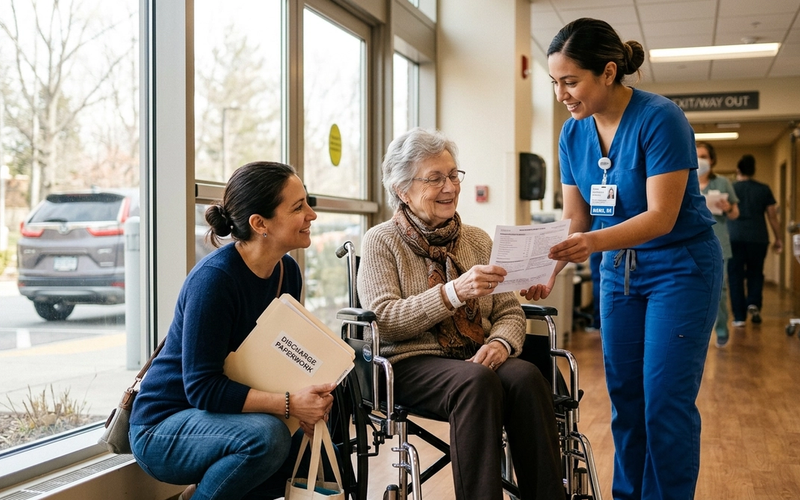
Hospital Discharge Planning for Seniors: A Family Guide
A hospital discharge for an older parent is a decision, not just a notice. Here is how discharge planning actually works, where families have leverage, and how to appeal a discharge you think is unsafe.

OTC Hearing Aids for Seniors: A 2026 Buyer's Guide
Over-the-counter hearing aids let adults with mild to moderate hearing loss skip the clinic and buy directly. Here is what they cost, who they fit, who should avoid them, and how they compare with prescription devices.
Explore senior living options
Comparing care for yourself or a family member? Browse communities by care type and see what each option typically costs.
- Assisted livingHelp with daily activities, costs, and how to choose a community.
- Independent livingMaintenance-free communities for active older adults.
- Home careIn-home support for seniors aging in place.
- Nursing homesSkilled nursing care and Medicare star ratings.
- Senior apartmentsAge-restricted, budget-friendly rental housing.
- Cost of senior livingCompare typical monthly prices by care type and state.