
How to Create an Emergency Plan for Aging Parents: A Family Guide to Senior Safety
An older adult experiences a fall every 11 seconds, making emergency preparedness for seniors a critical concern for families nationwide. This statistic underscores the importance of creating safety plans before emergencies occur. Two in three older adults will eventually need assistance with daily activities, according to senior care research. Yet when crises happen, many families lack critical…

An older adult falls every 11 seconds in the U.S. This statistic underscores why families should plan for emergencies before a crisis forces quick decisions.
Two in three older adults will eventually need help with daily activities. Yet many families lack key information about medications, important documents, or emergency contacts when a crisis hits. A solid emergency checklist does more than collect phone numbers—it requires real planning and clear organization. This checklist becomes a lifeline when caregivers need information fast.
This guide walks you through developing an emergency plan for your aging parent. You'll learn how to hold a family conversation about these topics, create a LIFE file (Lifesaving Information for Emergencies) with medical details, and connect with emergency resources. It also points to tools like the National Council on Aging's BenefitsCheckUp®, which can help identify emergency assistance programs.
The aim is to build a practical safety framework that gives both you and your parent confidence and peace of mind.
- Start with a family conversation
- Discuss fears and expectations
- Identify roles and responsibilities
- Build a personalized emergency checklist
- A good checklist for your aging parent ensures their well-being and gives your family real peace of mind. It addresses their changing needs: health, finances, daily living, and social activities. The process also surfaces where support is needed most and opens up conversations that might be difficult otherwise, leading to a more secure future for everyone.
- Tools for caregivers to stay organized
- Secure legal, medical, and financial readiness
- Create or update power of attorney and advance directives
- Store documents in accessible and secure locations
- Caring for an aging parent works best when responsibility is shared. Build a support network with family, friends, and professional caregivers who can work together. This team approach reduces burnout and ensures your parent gets multiple perspectives and specialized help. Then practice your care plan. Run through different scenarios, from daily routines to emergencies. This reveals gaps and lets you improve your approach before a real crisis hits.
- Engage neighbors, friends, and emergency contacts
- Practice evacuation and communication drills
- Conclusion
- FAQs
Start with a family conversation
Open conversation is the foundation of any senior safety plan. Families that talk through emergency scenarios are more likely to follow through when a crisis happens. An honest discussion now makes for a more complete plan.
Discuss fears and expectations
This conversation may feel awkward, but it's worth having. Try sharing your own concerns first, rather than immediately asking about theirs. It opens the door for more honest talk.
A simple opener: "I've been thinking about what we would do if…" Many families avoid end-of-life and emergency topics, so a gentle approach helps.
Effective conversation strategies include:
- Choose a comfortable location and relaxed time. Pick a quiet spot where everyone feels at ease, with no rush. This helps family members talk openly, listen to each other, and work together toward your parent's well-being and independence.
- Listen to concerns without judgment
- Focus first on wishes and preferences, not frightening scenarios
- Create a written outline of key points to avoid missing critical details, especially with sensitive matters. Staying in touch with family, caregivers, and neighbors ensures your parent can reach out quickly in an emergency.
Finding a senior living community that fits your parent's needs is an important decision. A good facility combines medical support with a social environment. Look at the amenities, staff-to-resident ratio, and overall atmosphere to find the right fit.
Identify roles and responsibilities
Once everyone understands what's at stake, assign specific emergency jobs. Dividing tasks among family members makes a crisis easier to manage. One person might gather medical records while another handles hospital communication.
Form a "Crisis Communications Team" of trusted people. This team handles different parts of the emergency response. Include those directly responsible for your parent's care.
Practice your emergency plan together with your parent and support network. This rehearsal makes sure everyone knows their role and can act fast if needed. Your plan becomes more than a document—it becomes something people actually know how to use.
Build a personalized emergency checklist
An emergency checklist is essential for senior safety. The Federal Emergency Management Agency reports that three steps—assessing needs, engaging a support network, and creating a plan—help caregivers feel more prepared when disasters strike.
As parents age, their needs change. This is the time to talk about what matters most. Plan not just for future problems but for comfort and safety as they grow older. A checklist helps you address health, finances, living arrangements, and legal matters so families feel prepared and calm.
Emergency kits for seniors need both standard supplies and items tailored to older adults. Your checklist should include:
- Essential documents: Copies of ID, insurance cards, advance directives, and a current medication list in a waterproof container
- Medical necessities: At least a 30-day supply of medications, extra eyeglasses, hearing aid batteries, and assistive devices
- Basic supplies: Non-perishable food, one gallon of water per person per day, flashlights, batteries, a manual can opener, and a battery-powered radio
- Personal items: Incontinence supplies, hygiene products, comfortable clothing, and supportive shoes
The Red Cross recommends creating a LIFE file (Lifesaving Information for Emergencies) with emergency contacts, medical conditions, allergies, and medications. Place it in a clear plastic bag labeled "emergency medical information" on or near the refrigerator for quick access.
Tools for caregivers to stay organized
A "grab and go" folder with important information can save time during an emergency. Digital tools also help. The National Council on Aging's BenefitsCheckUp® identifies financial assistance programs when needed.
Keep both physical and digital copies:
- Store originals in a fireproof home safe rather than a bank safe deposit box, which may be locked during emergencies
- Back up critical documents using secure cloud storage
- Review and update your emergency plans at least every six months
Understanding your parent's unique risks lets you tailor this checklist to their situation. Regular reviews keep all information current and accurate.
Secure legal, medical, and financial readiness
Legal documents are essential for senior emergency plans. Without them, even immediate family members may not be able to act on your parent's behalf during a crisis.
Create or update power of attorney and advance directives
Power of attorney (POA) documents let someone make decisions for your parent if they cannot. Several types are important:
- Durable power of attorney for finances: Allows financial management when your parent cannot handle money matters
- Medical power of attorney: Names a healthcare proxy to make medical decisions based on your parent's wishes
- Living will or advance directives: Spells out specific care preferences that apply when your parent cannot communicate
These documents must be created before they're needed. A living will and durable power of attorney ensure a trusted person can make healthcare and financial decisions when your parent cannot.
Your parent must have mental capacity when signing and can revoke or change these documents as long as they remain competent.
Store documents in accessible and secure locations
Document storage means balancing security with accessibility. The National Institute on Aging warns against bank safe deposit boxes, which family members cannot access without authorization during emergencies.
Better options include:
- A fireproof, waterproof home safe for original POAs, advance directives, and insurance policies
- Digital backups using secure cloud storage or encrypted external drives
- Thoughtful distribution of copies to agents, healthcare providers, and trusted people
Share copies of medical directives with your parent's doctors, agents, and trusted friends. Keep copies in phones and car glove compartments for fast access during emergencies.
Family members should know where these documents are. Review all paperwork at least once a year, especially after major changes like a move, new health conditions, or family status changes.
Create a support network and practice the plan
A strong support system is essential for emergency preparedness. The American Red Cross advises older adults to build a personal network of several people who will check on them if disaster strikes.
Engage neighbors, friends, and emergency contacts
Older adults face the highest rates of disaster-related deaths and are often least prepared. A wider support circle beyond immediate family helps close that gap.
Your emergency contact list should have:
- Full names, including nicknames they answer to
- Phone numbers and email addresses
- Physical addresses
- Relationship to your parent
- Specific contact instructions
Identify at least three people in each place where your parent spends time regularly. These contacts should agree to check on your parent right after a disaster.
Share keys, emergency supply locations, and copies of important documents with trusted network members. The relationship works best when it goes both ways—seniors often contribute valuable knowledge to their neighbors' emergency plans.
Practice evacuation and communication drills
A plan on paper is not enough. Regular practice makes a real difference in how people respond when an emergency actually happens. Drills expose gaps and build confidence.
Run evacuation drills with family, neighbors, and friends to test different scenarios. These sessions should practice communication methods, since phones often fail during disasters.
Everyone should know window signage systems. Many communities use "OK/HELP" signs so people can show whether they need assistance. Also practice texting out-of-state contacts and sending group messages to phone lists, which often work when voice calls don't.
The goal is muscle memory. Families who rehearse their plans regularly respond faster and better when a real emergency hits than those who just write down a plan.
Conclusion
Emergency planning for aging parents takes organization and ongoing effort. A good plan includes family conversations to set clear roles before a crisis happens. An emergency checklist with a LIFE file makes sure important information is easy to find when stress is high.
Legal documents protect your parent's interests. Power of attorney papers and advance directives need to be properly signed and stored where family can reach them fast in an emergency. A strong support network offers more protection than any single family member alone.
Proper planning brings real peace of mind. These conversations feel uncomfortable at first, but being caught off guard during a crisis causes far more stress and harm. Regular practice finds weak spots in your plans before they matter and builds confidence for everyone involved.
Emergency planning is an ongoing process. Plans need updates as health and living situations change. This approach turns potential chaos into a coordinated response, giving everyone involved the best chance for safety when time is critical.
FAQs
Q1. What are the components of an emergency plan for seniors?
An emergency plan for seniors should include a personalized checklist, essential documents, medical necessities, basic supplies, and personal items. Create a LIFE file with emergency contacts, medical conditions, and medication details. Also prepare legal documents like power of attorney and advance directives.
Q2. How often should a family review and update their emergency plan?
Review and update your plan at least every six months. Also make changes whenever there are significant shifts in health, living situation, or after major life events.
Q3. What should be included in an emergency kit for aging parents?
Include a 30-day supply of medications, extra eyeglasses, hearing aid batteries, non-perishable food, water, flashlights, batteries, a manual can opener, a battery-powered radio, and hygiene items. Don't forget copies of important documents in a waterproof container.
Q4. How can families practice their emergency plan effectively?
Hold regular evacuation drills and test communication methods. Make sure everyone knows window signage systems. Invite neighbors and friends to participate so your support network stays sharp.
Q5. Where should important legal and medical documents be stored?
Store originals in a fireproof, waterproof home safe for fast access during emergencies. Create digital backups using secure cloud storage and give copies to trusted people and healthcare providers.
Frequently asked questions
Get matched
Looking for senior care for someone you love?
Tell us what you're considering. We'll share independent matches and pricing directly with you. No phone calls until you ask for one.
- Takes about two minutes to complete.
- Pricing details emailed to you. No phone calls until you ask for one.
- Independent matching. We do not own the communities we list.
Loading the matching form…
Powered by SilverAssist. By submitting this form you agree to our privacy policy.
More from our editors
All articles
Best Weekend Trips and Short Getaways for Seniors
The best weekend trips for seniors are short, close to home, and built around one relaxed idea. Here are the kinds of short getaways that work well for older travelers, with real examples and how to plan one.
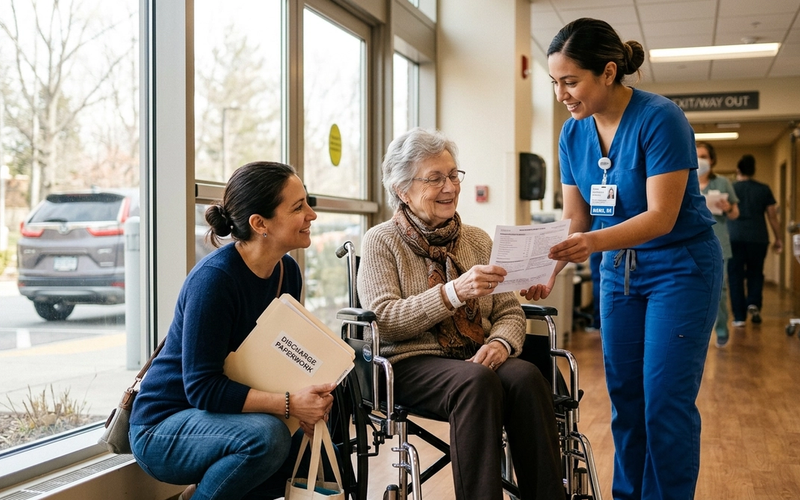
Hospital Discharge Planning for Seniors: A Family Guide
A hospital discharge for an older parent is a decision, not just a notice. Here is how discharge planning actually works, where families have leverage, and how to appeal a discharge you think is unsafe.

OTC Hearing Aids for Seniors: A 2026 Buyer's Guide
Over-the-counter hearing aids let adults with mild to moderate hearing loss skip the clinic and buy directly. Here is what they cost, who they fit, who should avoid them, and how they compare with prescription devices.
Explore senior living options
Comparing care for yourself or a family member? Browse communities by care type and see what each option typically costs.
- Assisted livingHelp with daily activities, costs, and how to choose a community.
- Independent livingMaintenance-free communities for active older adults.
- Home careIn-home support for seniors aging in place.
- Nursing homesSkilled nursing care and Medicare star ratings.
- Senior apartmentsAge-restricted, budget-friendly rental housing.
- Cost of senior livingCompare typical monthly prices by care type and state.