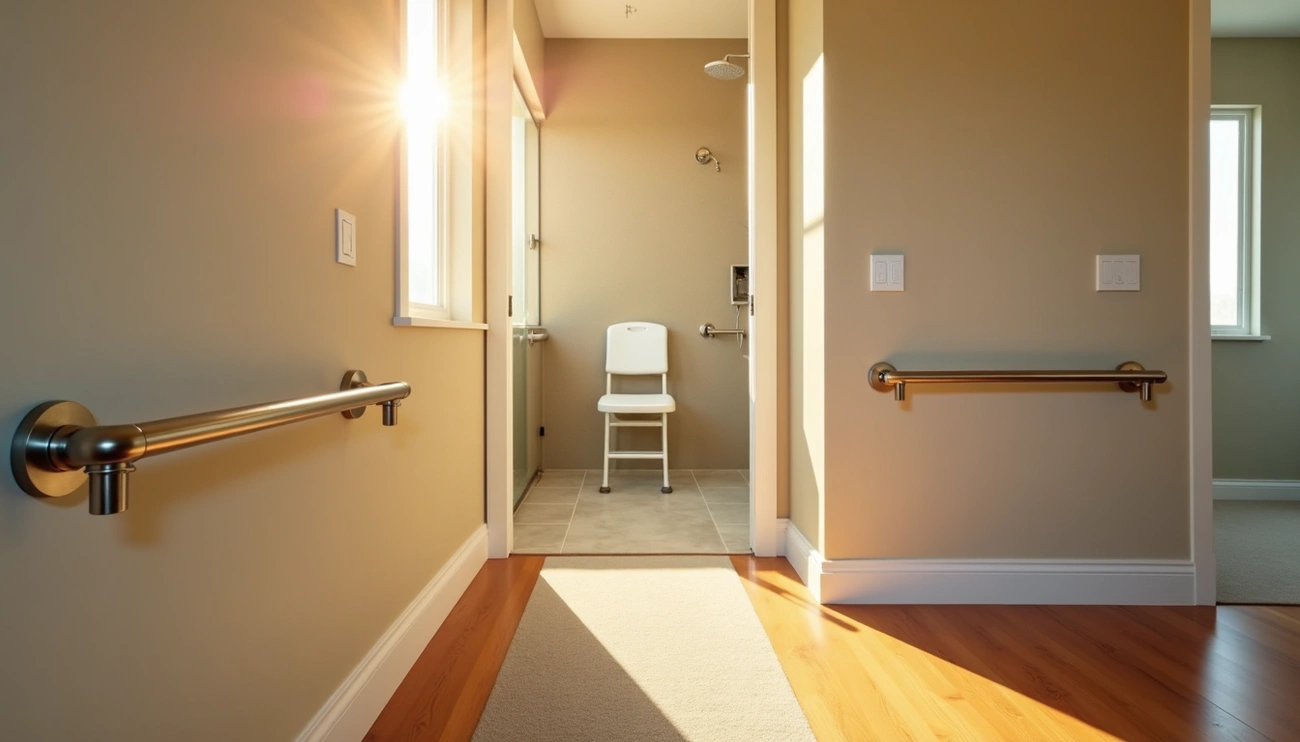

Approximately 200,000 older adults currently wait for housing through the HUD 202 program, with wait times stretching between 7 to 10 years. Over half of older renters in NYC are considered rent-burdened, spending a significant portion of their income on housing costs.
Several programs provide subsidized housing options for seniors across the city. The New York Foundation for Senior Citizens operates subsidized housing across Manhattan, Brooklyn, and Queens. The Senior Citizen Rent Increase Exemption (SCRIE) program allows eligible seniors to freeze their rent increases.
The Enriched Housing Program serves low-income New Yorkers over 65, with income limits of $39,800 for individuals and $45,500 for couples. The Mitchell-Lama Program serves middle-class residents through a lottery system.
Multiple pathways exist for seniors seeking affordable housing in NYC. These range from qualification requirements to application processes and strategies for managing lengthy waitlists.
Who Qualifies for Income-Based Senior Housing in NYC
Eligibility requirements for income-based senior housing in NYC vary across programs, though most follow standard guidelines regarding age, income, and health status.
Age and residency requirements
Most Section 202 housing projects require at least one household member to be 62 years of age or older. NYC Housing Authority’s senior buildings have specific requirements for different household compositions.
Single-person households require the head of household to be at least 62 years old. Multiple-person households need either the head or co-head to be at least 62, with all other permanent household members also 62 or older.
The Enriched Housing Program primarily serves individuals 65 years or older. Certain home-sharing arrangements may accommodate adults as young as 60.
Many low-income senior housing programs prioritize current NYC residents when considering applications.
Income limits and documentation
Most programs categorize applicants based on the Area Median Income (AMI). For 2025 in the NYC region, the AMI is $145,800 for a three-person family (100% AMI).
Income categories fall into these brackets:
- Extremely Low-Income: 0-30% of AMI (up to approximately $23,000 annually)
- Very Low-Income: 31-50% of AMI (up to approximately $38,500 annually)
- Low-Income: 51-80% of AMI (up to approximately $61,600 annually)
- Moderate-Income: 81-120% of AMI (up to approximately $77,000 annually)
The Enriched Housing Program limits single applicants to $39,800 annually and couples to $45,500. NYCHA’s public housing income limits range from $90,750 for a single person to over $243,650 for a 15-person household.
Required documentation includes:
- Tax returns
- Pay stubs
- Social Security benefit statements
- Financial records
- Birth certificate or government ID (to verify age)
Functional and health-related criteria
Adult homes require applicants to walk without chronic assistance or transfer from wheelchair to bed independently. Applicants cannot be chronically bedfast or have unmanaged incontinence.
Enriched Housing programs serve frail elderly who don’t have mental disabilities or behaviors that might adversely affect other residents.
Enhanced Assisted Living Residences (EALRs) accommodate individuals who require assistance with walking or transferring from bed to wheelchair, or who have unmanageable incontinence.
Some housing applications require health documentation including:
- Medical examination reports (typically valid for 30 days)
- Current immunization records
- TB screening results
- Documentation of chronic conditions
These qualification requirements form the foundation for NYC senior housing applications.
Types of Income-Based Housing Options for Seniors
NYC offers several housing for seniors based on income programs, each designed to meet different needs and circumstances. Options range from supportive environments to independent living arrangements that make city living more affordable for older adults.
Enriched housing programs
Enriched Housing Programs provide supportive living environments specifically designed for frail elderly who remain capable of independent living with minimal assistance. The New York Foundation for Senior Citizens (NYFSC) operates seven such buildings across NYC.
These programs offer assistance with personal hygiene, shopping, and meal preparation. Residents receive help scheduling and attending medical appointments, along with housekeeping and laundry services. The facilities also provide organized social and recreational activities.
Established initially in Manhattan in 1979, these communities create pleasant living environments with thoughtfully designed social services. Applicants must be 65 or older and functionally impaired but not requiring full-time care. Income limits stand at $39,800 annually for individuals and $45,500 for couples.
Assisted living and adult homes
Adult Care Facilities (ACFs) provide non-medical residential services for adults unable to live independently due to physical, mental, or age-related limitations. These facilities offer an intermediate option between enriched housing and nursing homes.
New York has created a hybrid payment system through Assisted Living Programs (ALPs) – licensed facilities housing five or more residents qualifying for Medicaid assistance. Payment is split between Medicaid and the resident. Waitlists typically exist due to high demand.
Home sharing arrangements
The NYFSC’s Home Sharing Program has connected “hosts” who have extra private space with appropriate adult “guests” since 1981. Either the host or guest must be at least 60 years old.
Professional social workers screen applicants and use a proprietary database called QUICK-MATCH to determine compatibility based on 31 lifestyle objectives. The service offers a written agreement to help hosts and guests feel secure in their shared arrangement. Many hosts offer accommodations in exchange for help with chores or companionship. Guests cannot be asked to pay more than half the rent if contributing financially.
Public housing and Mitchell-Lama options
The Mitchell-Lama program, established in 1955, provides affordable rental and cooperative housing to moderate and middle-income families, including seniors. The program has subsidized 269 developments with over 105,000 apartments.
Applicants contact the managing agent of a development with an open waiting list. Many developments use a lottery system when accepting new applications. Income limits vary based on family size, development type, and whether it receives federal assistance.
The NYC Housing and Preservation Department (HPD) offers the Senior Affordable Rental Apartments (SARA) Program, providing low-interest loans to support affordable housing construction for seniors 62+ with low incomes. Projects developed with SARA funding must set aside 30% of units for homeless seniors referred by a City or State agency.
Each program offers unique benefits depending on circumstances and level of independence needed.
How to Apply for Low-Income Senior Housing in NYC
Applying for housing for seniors based on income in NYC involves navigating several systems and understanding specific requirements. Over 520,000 applications currently exist in the system for affordable senior housing, including 300,000 people on waitlists for HUD 202 apartments and 220,000 applications through Housing Connect.
Where to find applications
NYC Housing Connect serves as the primary online portal for affordable senior housing applications. The centralized system allows users to browse available housing listings and submit applications for senior-specific developments. Registered users can check the “Open Lotteries” page to search for available rental opportunities.
Public housing applications must be submitted through NYCHA’s ApplyNYCHA portal. First-time users create an account, select borough preferences, and provide details about household income and composition.
NYCHA operates walk-in centers with kiosks for those without internet access. The New York Foundation for Senior Citizens provides direct application assistance at 212-369-5523.
Documents required
Initial applications do not require document submission, but verification requires specific paperwork. Eligibility interviews require proof of age, Social Security cards for all household members, income verification including Social Security statements and tax returns, current bank statements, asset information, and rental history with landlord references.
NYCHA applications require proof of family size, composition, housing priority, total family income, Social Security numbers, and citizenship or immigration status. The agency conducts landlord verification and criminal background checks for household members 16 and older following eligibility interviews.
Waitlists and processing times
Waitlists for affordable senior housing in NYC extend for years. The Housing Preservation and Development’s (HPD) underwriting plans indicate lease-up processes typically take 12-15 months. The Mayor’s Management Report shows approximately 109 days for application processing.
NYCHA housing applications remain active for two years. Applicants must update and renew through the Self-Service Portal to maintain waiting list positions. Selected applicants receive contact from NYCHA to schedule eligibility interviews.
Developers and managing agents maintain inquiry lists for those interested in receiving applications when available. Mitchell-Lama and other development waiting lists typically open for 45-60 days prior to construction completion. Email notifications about new affordable housing opportunities are available.
Financial Assistance Programs for Senior Housing
Several financial assistance programs help reduce housing costs for eligible seniors beyond the housing options themselves.
Section 8 Housing Choice Vouchers
The Housing Choice Voucher program (Section 8) provides assistance to eligible low-income families to rent housing in the private market. The Housing and Community Development Act of 1978 created this program.
Eligible families typically pay no more than 40% of their adjusted monthly income toward rent. The New York City Housing Authority (NYCHA) covers the remaining amount directly to property owners through Housing Assistance Payments.
NYCHA administers the largest Section 8 program nationwide, with approximately 85,000 vouchers and over 25,000 participating owners. Eligibility depends primarily on annual income and family size.
Senior Citizen Rent Increase Exemption (SCRIE)
The NYC Rent Freeze Program includes SCRIE, which protects low-income seniors from rent increases in regulated apartments. This benefit freezes rent at the current level, exempting seniors from future increases.
SCRIE qualification requirements include:
- Age 62 or older
- Named on the lease/rent order
- Household income of $50,000 or less annually
- Pay more than one-third of monthly income for rent
- Live in an eligible apartment (rent-regulated, Mitchell-Lama, etc.)
Landlords receive a tax abatement credit equivalent to the exempted rent increase when SCRIE is approved.
Medicaid and Veterans Benefits
New York’s Medicaid program offers coverage through Assisted Living Programs (ALPs) for seniors needing assisted living. Medicaid pays for long-term supports like personal care assistance and home health services, though it won’t cover room and board costs.
Veterans have additional options through the U.S. Department of Veterans Affairs (VA). The HUD-VASH program combines HUD housing vouchers with VA supportive services specifically for homeless veterans and their families. HUD has allocated nearly 112,000 vouchers nationwide to house veterans as of December 2023.
VA home loan guaranty benefits and other housing-related programs help veterans buy, build, repair, or adapt homes.
Common Challenges and How to Overcome Them
Several significant hurdles exist within NYC’s income-based senior housing system. Approximately 520,000 applications exist for affordable senior housing units in NYC. This includes 300,000 people waiting for HUD 202 apartments and another 220,000 applications through Housing Connect.
Long waitlists and limited availability
Wait times stretch between 7-10 years for a unit to become available. Manhattan’s community districts 7 and 9 have roughly 19,700 seniors waiting for only 45 yearly affordable housing openings.
Over half of older renters in NYC are classified as “rent-burdened,” spending a significant portion of their income on housing costs. Around 2,000 seniors currently reside in homeless shelters while seeking stable living conditions.
Navigating multiple programs
Each program has unique eligibility requirements, documentation needs, and application procedures. Housing Connect data shows 65% of rejections happen because of incomplete online profiles.
NYCHA applications require biennial updates and prompt responses to canvass letters within 30 days. Missed deadlines or inconsistent household information across applications often lead to immediate disqualification.
Tips for improving your chances
Applications listing multiple neighborhood preferences have 40% higher success rates. Applicants should maintain organized records of all submitted materials and respond within 10-day windows for any documentation requests.
Regular monitoring of Housing Connect dashboards ensures profiles remain active. Organizations like LiveOn NY and the New York Foundation for Senior Citizens offer support navigating the application process.
Flexibility about location, organization, and utilization of available resources can improve housing prospects.
Conclusion
Finding affordable housing for seniors in NYC presents significant challenges. Waitlists stretch for years, and the application process requires careful attention to multiple requirements and deadlines.
Income-based senior housing programs serve different needs and circumstances. Enriched housing programs, assisted living facilities, home sharing arrangements, and public housing options each have specific eligibility criteria based on age, income, and functional status.
Applications must be submitted through NYC Housing Connect or NYCHA’s ApplyNYCHA portal. The process requires documentation including proof of age, income verification, and health records. Applications remain active for limited periods and require regular updates.
Financial assistance programs like Section 8 vouchers and the Senior Citizen Rent Increase Exemption (SCRIE) can reduce housing costs for eligible seniors. Veterans have additional options through VA programs.
Approximately 520,000 applications currently exist for affordable senior housing units in NYC. Housing Connect data shows 65% of rejections occur due to incomplete online profiles. Organizations like LiveOn NY and the New York Foundation for Senior Citizens provide application assistance for seniors who need support during the process.
FAQs
Q1. What are the age requirements for income-based senior housing in NYC? Most programs require at least one household member to be 62 years or older. Some programs, like the Enriched Housing Program, serve individuals 65 and above, while certain home-sharing arrangements may accommodate adults as young as 60.
Q2. How long is the typical wait time for affordable senior housing in NYC? The average wait time for affordable senior housing in NYC can range from 7 to 10 years due to high demand and limited availability. It’s advisable to apply early and to multiple properties to improve your chances.
Q3. What financial assistance programs are available for senior housing in NYC? Several programs can help make housing more affordable for seniors, including Section 8 Housing Choice Vouchers, the Senior Citizen Rent Increase Exemption (SCRIE), and benefits through Medicaid and Veterans Affairs for eligible individuals.
Q4. How can I improve my chances of securing income-based senior housing in NYC? To improve your chances, apply to multiple properties and programs simultaneously, maintain organized records of all submitted materials, respond promptly to documentation requests, and regularly check your Housing Connect dashboard to ensure your profile remains active.
Q5. What types of income-based housing options are available for seniors in NYC? NYC offers various options including enriched housing programs, assisted living facilities, home sharing arrangements, public housing through NYCHA, and Mitchell-Lama developments. Each option caters to different needs and levels of independence.