
How to Help Seniors with Dementia Maintain Independence: A Family Guide
Did you know that 1 in 3 seniors dies with Alzheimer’s or another form of dementia? As families, we often struggle to help our loved ones maintain independence while ensuring their safety and well-being. Alzheimer’s disease, the most common form of dementia, affects over 5 million Americans and approximately 44 million people worldwide. Despite these…

One in three seniors dies with Alzheimer's or another form of dementia. Families often struggle to help loved ones maintain independence while also ensuring their safety and well-being.
Alzheimer's disease is the most common form of dementia, affecting over 5 million Americans and approximately 44 million people worldwide. Seniors with dementia who stay active in daily activities tend to have better quality of life. Most people with dementia want to keep some independence for as long as possible.
Dementia care costs an estimated $277 billion annually, and family members provide over 18 billion hours of unpaid care each year. Balancing support and independence matters because studies show that dementia patients who rely too heavily on caregivers participate less in daily activities, which erodes their sense of self-worth.
This guide offers practical strategies to help seniors with dementia maintain dignity and independence while ensuring their safety. You'll find approaches for creating supportive environments and encouraging meaningful engagement.
- Why maintaining independence matters for seniors with dementia
- Emotional and psychological benefits
- Impact on quality of life
- What research tells us
- Understanding the balance between support and autonomy
- Knowing when to step in
- Encouraging self-reliance
- Avoiding overprotection
- Daily activities that promote independence
- Dressing and grooming
- Meal preparation and eating
- Household tasks and routines
- Creating a safe and supportive environment
- Home modifications for safety
- Reducing sensory overload
- Using assistive tools and technology
- Encouraging social, physical, and mental engagement
- Simple physical activities
- Cognitive stimulation ideas
- Social interaction opportunities
- Planning ahead: decision-making and future care
- Involving the person in decisions
- Legal and financial planning
- Coordinating with caregivers and professionals
- Conclusion
- FAQs
Why maintaining independence matters for seniors with dementia
Seniors with dementia value their autonomy. Studies show that a dementia diagnosis doesn't lessen the desire for independence; it often becomes more important as other parts of life change. For many people with dementia, making choices and continuing daily activities is essential to their sense of self, dignity, and how well they function.
Emotional and psychological benefits
When seniors with dementia can make daily choices, their self-esteem and mental well-being improve. One person with early-stage dementia put it simply: "Let me do as much as I can [by myself] and help when I need it or get confused." This shows how much autonomy matters, even as cognitive abilities change.
Independence helps seniors with dementia hold on to their sense of who they are. People who keep some control over daily activities often experience less depression and fewer behavioral problems. Researchers call the opposite "excess disability"—when people lose more capability than their condition actually requires, due to loss of confidence, stigma, and giving up.
When seniors can maintain independence, they have chances to express themselves, keep their dignity and self-worth, and avoid feelings of helplessness or burden.
- Good senior care respects personal values and preferences. It ensures individuals get the support they need while continuing to live in a way that reflects who they are. Care providers increasingly tailor services to each person's unique history, cultural background, and lifestyle choices. This approach honors individuality and maintains continuity with their past.
- Psychologists at the University of Alberta found that dementia patients who became overly dependent on caregivers were less likely to participate in daily activities, which significantly diminished their sense of self-worth.
- Impact on quality of life
- Quality of life is a central goal in dementia treatment. Many individuals with dementia rate their overall quality of life as good or excellent, despite cognitive challenges. This positive outlook is strongly connected to maintaining independence in daily activities.
People with dementia themselves say that performing everyday activities (dressing, eating, using the bathroom) is important for their quality of life. Programs that help preserve these functional abilities through environmental changes and supportive interactions have made a real difference.
Independence also helps seniors stay socially connected, which contributes to overall well-being. Staying socially engaged and maintaining meaningful relationships improves the wellbeing of seniors with dementia. Opportunities to feel purposeful and contribute help them maintain their sense of self, beyond just their diagnosis.
What research tells us
A study in The Lancet found that 61% of people over 65 with dementia in the UK live in their own homes, not care homes. This shows why supporting independence in familiar environments matters.
The PRIDE (Promoting Independence in Dementia) program found that supportive environments help people move forward after diagnosis, keep their identity, and continue living meaningful lives. Interestingly, the research also showed that people with dementia often reduce their activities due to psychological factors—like stigma and loss of confidence—as much as due to the disease itself. The right support can address both.
Maintaining independence may help slow disease progression. Dementia experts say that seniors encouraged to do suitable daily activities often show fewer behavioral problems and may experience slower symptom progression.
Clinical trials show that specific programs designed to help people with dementia stay independent, such as the NIDUS-Family approach, improved their ability to reach personal goals more than standard care. This means that organizing care around what matters most to the individual is effective.
Research shows that accepting appropriate support often leads to more independence. The best dementia care finds this balance: offering help while maintaining a person's autonomy.
Understanding the balance between support and autonomy
Finding the right balance between providing necessary support and respecting autonomy is the central challenge for families caring for someone with dementia. This balance means preserving dignity and providing appropriate care, not just weighing safety against independence.
Knowing when to step in
One of the greatest challenges for caregivers is determining when assistance is truly needed. As dementia progresses, a person's decision-making ability may fluctuate and deteriorate, leading supporters to become more involved even in early stages. This gradual shift can threaten the person's sense of autonomy if not handled carefully.
The best approach? Ask directly. As one person with dementia said: "Ask me what I am comfortable doing on my own and what activities I think I need help with." This respects what the individual knows about their own abilities.
When considering intervention, look for these signs:
Safety concerns that could harm the person or others
Significant confusion or distress during tasks
Signs of frustration that may lead to agitation
- Tasks taking much longer than they used to
- Some days will be better than others. A task that seems impossible today might be manageable tomorrow, so flexibility is important. Involving the person with dementia in decisions about their care helps them feel more positive about living with the condition.
- Encouraging self-reliance
- Supporting independence begins with recognizing what your loved one can still do, rather than focusing on losses. Research on improving the lives of people with dementia shows that a supportive and inclusive environment helps them maintain their identity and live a meaningful life.
Instead of immediately taking over tasks, try these approaches:
Break complex activities into smaller, manageable steps
Provide verbal prompts before physical assistance
Allow extra time for completion without rushing
- Use demonstration or modeling when verbal instructions aren't sufficient
- For example, if the person seems confused about brushing their teeth, try standing beside them and brushing your own teeth. This modeling approach often triggers recognition without requiring direct intervention.
- People with dementia want to stay involved in daily decisions. Many also trust their caregivers to make good decisions when necessary. Building trust in care relationships is important.
- Avoiding overprotection
Overprotection, even with good intentions, can backfire. It's linked to increased stress and depression in people with dementia, as well as lower quality of life. Overprotection hurts self-esteem and reduces a person's sense of control.
Research from the University of Alberta shows that dementia patients who become too dependent on caregivers participate less in daily activities, which diminishes their sense of self-worth. Caregivers often unintentionally contribute to this dependency by taking over tasks the person could still manage independently.
Signs of potential overprotection include consistently doing tasks for the person they could do themselves, making decisions without consulting them, and restricting activities due to fear rather than actual risk.
The World Alzheimer Report 2019 found that 85% of people with dementia feel their personal preferences are ignored. This shows how easily autonomy can be compromised, especially in environments focused on efficiency and risk management.
To prevent both gaps in care and overprotection, involve all caregivers: medical professionals, social workers, family members, and the person living with dementia. This ensures everyone understands the person's capabilities and preferences.
Finding balance means understanding that the right support can actually lead to more independence. By carefully deciding when and how much assistance to offer, families can help their loved ones maintain dignity and autonomy while living with dementia.
- Daily activities that promote independence
- Everyday activities are great ways for seniors with dementia to make choices and stay independent. When families support daily tasks, they can preserve skills, boost self-esteem, and improve overall quality of life.
- Dressing and grooming
- Personal appearance remains important to identity and dignity for people with dementia. Whenever possible, allow your loved one to continue making choices about their appearance, as these choices may have religious, cultural, or sentimental importance. Photos can be helpful reminders of how they prefer to style their hair or coordinate outfits.
To simplify dressing, lay out clothes in the order they should be put on (underwear first, then pants, shirt, sweater). Hand items one at a time with simple instructions. Reduce choices by keeping only one or two outfits accessible. Consider purchasing duplicate sets if they prefer wearing the same clothes daily.
The Alzheimer's Society notes: "As long as they are not at risk of harm, it is important to allow a person with dementia to express their identity through choices about their appearance." Even if clothing choices seem mismatched to others, focus on the accomplishment of independent dressing rather than perfect coordination.
For grooming, maintain familiar routines like regular salon visits or preferred toiletries. If fine motor skills decline, adapt by offering wider pencils for makeup application or electric razors instead of manual ones. When assistance becomes necessary, try standing beside them and demonstrating the activity yourself. This modeling approach often triggers recognition without requiring direct intervention.
Meal preparation and eating
Mealtime challenges commonly arise with dementia, yet food preparation and eating are important opportunities for maintaining independence. Structured, consistent mealtimes help people with memory loss know what to expect and reduce anxiety.
For those living alone, consider these approaches: leave simple notes or pictures showing where food items are stored. Provide clear, brief instructions for preparing or reheating food. Use meal delivery services to ensure nutritious options while supporting independence. Regularly check for and remove spoiled foods during visits.
When helping with meals, create a calm environment free of distractions. Turn off televisions, avoid patterned tablecloths that might cause confusion, and consider playing soothing background music. Offer one food at a time instead of a full plate. Allow plenty of time for eating without rushing.
People with dementia may experience changes in taste preferences, often developing a preference for sweeter foods. They might also lose the ability to judge food temperature, so check it before serving.
- Household tasks and routines
- Daily routines provide structure that helps people with dementia cope with memory loss through familiar activities. Staying involved in household tasks also reinforces independence and helps preserve skills longer.
- Involve your loved one in simple activities like folding laundry or towels, wiping counters or tables, sorting items (like socks or silverware), and arranging flowers or setting the table.
- Recognize that perfection isn't the goal. Even if tasks aren't completed flawlessly, allow participation without correction. Then offer genuine praise for their contribution to reinforce their sense of purpose and accomplishment.
A study on autonomy in dementia care found that both people with dementia and their caregivers considered "retaining independence and self-expression" very important. By adapting daily activities, we can help meet this need while also ensuring safety and appropriate care.
Creating a safe and supportive environment
The environment around a person with dementia affects their ability to function independently. A well-adapted home can help with cognitive and physical challenges, while also maintaining dignity and independence. Safe and supportive spaces allow seniors with dementia to move around their home with more confidence.
Home modifications for safety
Safety changes don't need to be expensive or complicated to work well. Simple adjustments can significantly lower risks and help maintain independence. Start by checking areas like garages, work rooms, and basements where dangerous items might be kept.
- Key safety modifications include installing locks out of sight (place latches either above or below eye level), keeping walkways and rooms well-lit with night lights in hallways and bathrooms, securing medications in locked drawers or cabinets, and removing tripping hazards like throw rugs and extension cords.
- Secure large furniture to prevent tipping. Dressers, bookshelves, and televisions can be dangerous if not properly anchored. A simple bump or loss of balance could cause them to tip over. Also install grab bars in bathrooms and apply textured stickers to slippery surfaces.
- The Alzheimer's Association notes that an individual living with Alzheimer's can live in their own home or a caregiver's residence, provided safety measures are in place. Also check that smoke detectors and carbon monoxide alarms are in working order.
- Bathrooms have unique hazards, so safety is especially important. Consider installing walk-in showers, raised toilet seats (especially in contrasting colors), and setting water temperature to a safe level. These changes help prevent falls and allow your loved one to manage personal care more easily.
Reducing sensory overload
Dementia often affects how sensory information is processed and interpreted. Creating an environment that minimizes confusion and sensory overload helps maintain independence by reducing stress and agitation.
Lighting is important. Use approximately twice the recommended level of lighting to compensate for eyes affected by aging and dementia. Use natural daylight as much as possible, keeping curtains open throughout the day. Choose "home-style" lighting like table lamps rather than institutional overhead fixtures.
For sound, carpets, cushions, and curtains absorb background noise that can be uncomfortable, particularly for those with hearing aids. Reduce unnecessary television or radio noise when no one is actively listening.
Color and contrast significantly impact perception. Use contrasting colors for toilet seats against bathroom fixtures, plates against tablecloths, door frames against walls, and handrails against wall backgrounds.
- Avoid shiny or reflective flooring as it may appear wet and cause hesitation. Similarly, eliminate busy patterns on floors and furnishings that might create visual confusion or be mistaken for objects that need to be stepped over.
- Using assistive tools and technology
- Assistive technology increasingly helps seniors with dementia maintain independence safely. These tools range from simple aids to sophisticated electronic devices.
- Memory aids like calendars, whiteboards, and daily journals help track activities and appointments. Place these in frequently viewed locations like by the telephone or refrigerator. Establishing a routine of checking these aids, perhaps at mealtimes, makes them more effective.
Smart home devices provide additional support. Voice-activated assistants can set reminders for medication, appointments, or daily tasks. GPS tracking devices offer safety for those who might wander, allowing family members to locate their loved one quickly if needed.
Electronic medication management systems with alarms can remind seniors when to take medications, which helps them take their medicine correctly and reduces risks.
Technology should never replace human connection. Always involve your loved one in decisions about which technologies to use, respecting their preferences and comfort level with different devices.
Environmental changes and suitable technology create spaces that are safe and support independence. This helps seniors with dementia maintain their dignity and autonomy longer.
Encouraging social, physical, and mental engagement
Regular activities are important for seniors with dementia to keep their abilities and improve their well-being. Beyond basic care, meaningful engagement maintains cognitive function and helps them stay independent longer.
Simple physical activities
- Physical activity benefits people with dementia and improves their overall wellbeing. Even short periods of light exercise are more beneficial than no exercise at all. For seniors with limited mobility, gentle options work well: doing household chores like folding laundry or dusting, walking around the garden or taking the dog for a short walk, performing seated exercises while watching television, and practicing tai chi or gentle yoga for balance and stability.
- These activities can help improve heart health, maintain coordination, and enhance blood supply to the brain. As a result, seniors often experience improved sleep quality and increased energy levels.
- Cognitive stimulation ideas
- Mental exercise is also important for brain health. People who regularly challenge their minds may spend less time in cognitive decline, even if they develop Alzheimer's. Effective brain exercises include learning something new (like a language or musical instrument), cross-training your brain by trying activities you're not naturally good at, and playing board games, card games, or puzzles that involve strategic thinking.
- Remember to adapt cognitive activities to your loved one's current abilities. For someone in later stages of dementia, sensory-focused activities involving sight, hearing, touch, taste, and smell become more appropriate.
- Social interaction opportunities
Social connection benefits people with dementia. It helps them use their cognitive abilities regularly and maintain relationships, which keeps them feeling like part of a community.
Research confirms that high social engagement, including visiting with neighbors and volunteering, correlates with better cognitive health in later life. Try joining a memory café where people with dementia and their caregivers meet informally, participating in group singing activities (which can powerfully evoke memories), or attending dementia-friendly community events like cinema screenings or theater productions.
Making social interaction a priority helps preserve identity beyond the diagnosis itself.
Planning ahead: decision-making and future care
Planning ahead is essential for seniors with dementia to maintain their independence. By addressing decision-making processes early, families can honor their loved one's wishes while ensuring appropriate care as the condition progresses.
Involving the person in decisions
Even after a dementia diagnosis, never assume a person lacks mental capacity. Most people with dementia prefer to receive information early, usually soon after diagnosis. Provide good quality, timely information to increase their involvement in key decisions.
- Beyond immediate needs, understand what they value and how they define quality of life while they can still express these preferences. Remember that feelings and emotions remain intact long after words lose their meaning, so look for cues in facial expressions, tone of voice, and body language.
- Unfortunately, people with dementia often have their views overlooked, even when they can express their opinions clearly. Yet staying involved in decisions helps them maintain confidence and self-esteem.
- Legal and financial planning
- Early legal preparation is essential. Key documents to consider include advance directives that record wishes about preferred future care, power of attorney for health/welfare and property/financial affairs, and standardized advance planning forms that can be understood by everyone.
These tools let a person express their wishes about illness, death, finances, and living arrangements while they still can. Financial planning should address long-term care costs, including insurance options and benefit eligibility, personal assets and investments, and possible coverage through Medicare, Medicaid, or veterans benefits.
Fewer than half of dementia caregivers receive counseling or support to manage these matters.
Coordinating with caregivers and professionals
Effective coordination among family members, friends, and healthcare providers helps keep the person's social network strong and supports family unity. Dementia care consultants can help caregivers understand the diagnosis, develop strategies for navigating care decisions, identify available resources, and make plans for the future.
Dementia care navigation should focus on the person and their family, be culturally responsive, and address barriers in medical, legal, financial, and emotional areas.
When making decisions on someone's behalf, use their expressed wishes as a guide, not your own interests. When wishes aren't known, base decisions on the person's values, risks and benefits, and effects on their physical, emotional, and quality of life.
Conclusion
Supporting independence for seniors with dementia requires patience, creativity, and thoughtful planning. Throughout this guide, we've explored how maintaining autonomy benefits your loved one's emotional wellbeing and may slow cognitive decline. Families face significant challenges when balancing safety concerns with the fundamental human need for independence.
Dementia care can feel overwhelming. But small changes to daily routines, home environments, and how you communicate can make a real difference. Seniors who maintain some control over their daily activities often experience less depression and have fewer behavioral problems.
Independence exists on a spectrum. Your loved one's abilities may fluctuate from day to day, so flexibility is essential. During difficult moments, consider the person behind the diagnosis—someone with lifelong habits, preferences, and a desire for dignity that doesn't change despite cognitive shifts.
Family members should recognize their own limits as caregivers. Asking for help isn't a sign of failure; it shows you are dedicated to providing the best care. Taking care of yourself also ensures you have the emotional and physical strength to support your loved one.
The strategies we've discussed, such as simple home modifications and encouraging continued participation in daily tasks, all aim to preserve dignity while ensuring safety. Though dementia progresses differently for each person, these approaches can help families navigate each stage with greater confidence.
- Meaningful connection is our most powerful tool. Even with memory loss, emotional responses persist. Positive interactions, based on respect and understanding, build trust and make care partnerships possible.
- Watching someone we love face dementia is deeply challenging. Still, families who approach caregiving with knowledge, patience, and creative solutions often discover unexpected moments of joy amidst difficulties. Together, we can help our loved ones maintain their independence, dignity, and a good quality of life as they live with dementia.
- FAQs
- Q1. How can I help my loved one with dementia maintain independence? Encourage participation in daily activities like dressing, meal preparation, and household tasks. Break complex tasks into smaller steps, provide verbal prompts before physical assistance, and allow extra time for completion. Create a safe environment with proper lighting, remove tripping hazards, and use assistive tools when necessary.
Q2. When is it no longer safe to leave someone with dementia alone? It's time to consider constant supervision when the person frequently forgets their surroundings, struggles with once-routine tasks, or exhibits behaviors that could put them at risk. This decision should be based on individual circumstances and the progression of their condition.
Q3. What activities can promote independence for seniors with dementia? Engage them in simple physical activities like light household chores or gentle exercises. Encourage cognitive stimulation through puzzles, board games, or learning new skills. Help them have social interactions by attending dementia-friendly community events or joining support groups. Always adapt activities to their current abilities and interests.
Q4. How can I involve my family member with dementia in decision-making? Include them in discussions about their care and future plans while they can still express preferences. Look for non-verbal cues in facial expressions and body language when verbal communication becomes difficult. Use advance directives and power of attorney documents to ensure their wishes are respected as the condition progresses.
Q5. What should I avoid doing when caring for someone with dementia? Don't argue or try to correct them when they make mistakes or have false beliefs. Avoid rushing or pressuring them to complete tasks quickly. Refrain from constantly reminding them of forgotten events or information, as this can cause frustration and feelings of inadequacy.
Remember to adapt cognitive activities to your loved one's current abilities. For someone in later stages of dementia, sensory-focused activities involving sight, hearing, touch, taste, and smell become more appropriate.
Social interaction opportunities
Social connection benefits people with dementia. It helps them use their cognitive abilities regularly and maintain relationships, which keeps them feeling like part of a community.
Research confirms that high social engagement, including visiting with neighbors and volunteering, correlates with better cognitive health in later life. Try these options:
Joining a memory café where people with dementia and their caregivers meet informally
Participating in group singing activities, which can powerfully evoke memories
Attending dementia-friendly community events like cinema screenings or theater productions
Given these benefits, making social interaction a priority helps preserve identity beyond the diagnosis itself.
Planning ahead: decision-making and future care
Planning ahead is essential for seniors with dementia to maintain their independence. By addressing decision-making processes early, families can honor their loved one's wishes while ensuring appropriate care as the condition progresses.
Involving the person in decisions
Even after a dementia diagnosis, we should never assume a person lacks mental capacity. Most people with dementia prefer to receive information early, usually soon after diagnosis. Provide good quality, timely information to increase their involvement in key decisions.
Beyond immediate needs, understand what they value and how they define quality of life while they can still express these preferences. Remember that feelings and emotions remain intact long after words lose their meaning, so look for cues in facial expressions, tone of voice, and body language.
Unfortunately, people with dementia often have their views overlooked, even when they can express their opinions clearly. Yet staying involved in decisions helps them maintain confidence and self-esteem.
Legal and financial planning
Early legal preparation is essential. Key documents to consider include:
- Advance directives recording wishes about preferred future care
- Power of attorney for health/welfare and property/financial affairs
- Standardized advance planning forms that can be understood by everyone
These tools let a person express their wishes about illness, death, finances, and living arrangements while they still can. Meanwhile, financial planning should address long-term care costs, including:
- Insurance options and benefit eligibility
- Personal assets and investments
- Possible coverage through Medicare, Medicaid, or veterans benefits
Fewer than half of dementia caregivers receive counseling or support to manage these matters.
Coordinating with caregivers and professionals helps ensure seniors with complex needs receive complete care. This involves managing schedules and appointments, keeping communication open, and making sure everyone follows the senior's care plan. A team approach with doctors, nurses, therapists, and social workers is often most effective.
Effective coordination among family members, friends, and healthcare providers helps keep the person's social network strong and supports family unity. Dementia care consultants can help caregivers:
- Better understand the diagnosis
- Develop strategies for navigating care decisions
- Identify available resources
- Make plans for the future
Dementia care navigation should focus on the person and their family, be culturally responsive, and address barriers in medical, legal, financial, and emotional areas.
When making decisions on someone's behalf, always use their expressed wishes as a guide, not your own interests. When wishes aren't known, review decisions based on the person's values, risks and benefits, and effects on their physical, emotional, and quality of life.
Conclusion
Supporting independence for seniors with dementia requires patience, creativity, and thoughtful planning. Throughout this guide, we've explored how maintaining autonomy benefits your loved one's emotional wellbeing and may slow cognitive decline. Families face significant challenges when balancing safety concerns with the fundamental human need for independence.
Dementia care can feel overwhelming. But small changes to daily routines, home environments, and how you communicate can make a real difference. Seniors who maintain some control over their daily activities often experience less depression and have fewer behavioral problems.
Remember that independence exists on a spectrum. Your loved one's abilities may fluctuate from day to day, so flexibility is essential. During difficult moments, consider the person behind the diagnosis—someone with lifelong habits, preferences, and a desire for dignity that doesn't change despite cognitive shifts.
Family members should recognize their own limits as caregivers. Asking for help isn't a sign of failure; it shows you are dedicated to providing the best care. Taking care of yourself also ensures you have the emotional and physical strength to support your loved one.
The strategies we've discussed, such as simple home modifications and encouraging continued participation in daily tasks, all aim to preserve dignity while ensuring safety. Though dementia progresses differently for each person, these approaches can help families navigate each stage with greater confidence.
Meaningful connection is our most powerful tool. Even with memory loss, emotional responses persist. Positive interactions, based on respect and understanding, build trust and make care partnerships possible.
Watching someone we love face dementia is deeply challenging. Still, families who approach caregiving with knowledge, patience, and creative solutions often discover unexpected moments of joy amidst difficulties. Together, we can help our loved ones maintain their independence, dignity, and a good quality of life as they live with dementia.
FAQs
Q1. How can I help my loved one with dementia maintain independence? Encourage participation in daily activities like dressing, meal preparation, and household tasks. Break complex tasks into smaller steps, provide verbal prompts before physical assistance, and allow extra time for completion. Create a safe environment with proper lighting, remove tripping hazards, and use assistive tools when necessary.
Q2. When is it no longer safe to leave someone with dementia alone? It's time to consider constant supervision when the person frequently forgets their surroundings, struggles with once-routine tasks, or exhibits behaviors that could put them at risk. This decision should be based on individual circumstances and the progression of their condition.
Q3. What activities can promote independence for seniors with dementia? Engage them in simple physical activities like light household chores or gentle exercises. Encourage cognitive stimulation through puzzles, board games, or learning new skills. Help them have social interactions by attending dementia-friendly community events or joining support groups. Always adapt activities to their current abilities and interests.
Q4. How can I involve my family member with dementia in decision-making? Include them in discussions about their care and future plans while they can still express preferences. Look for non-verbal cues in facial expressions and body language when verbal communication becomes difficult. Use advance directives and power of attorney documents to ensure their wishes are respected as the condition progresses.
Q5. What should I avoid doing when caring for someone with dementia? Don't argue or try to correct them when they make mistakes or have false beliefs. Avoid rushing or pressuring them to complete tasks quickly. Refrain from constantly reminding them of forgotten events or information, as this can cause frustration and feelings of inadequacy.
Frequently asked questions
Get matched
Looking for senior care for someone you love?
Tell us what you're considering. We'll share independent matches and pricing directly with you. No phone calls until you ask for one.
- Takes about two minutes to complete.
- Pricing details emailed to you. No phone calls until you ask for one.
- Independent matching. We do not own the communities we list.
Loading the matching form…
Powered by SilverAssist. By submitting this form you agree to our privacy policy.
More from our editors
All articles
Best Weekend Trips and Short Getaways for Seniors
The best weekend trips for seniors are short, close to home, and built around one relaxed idea. Here are the kinds of short getaways that work well for older travelers, with real examples and how to plan one.
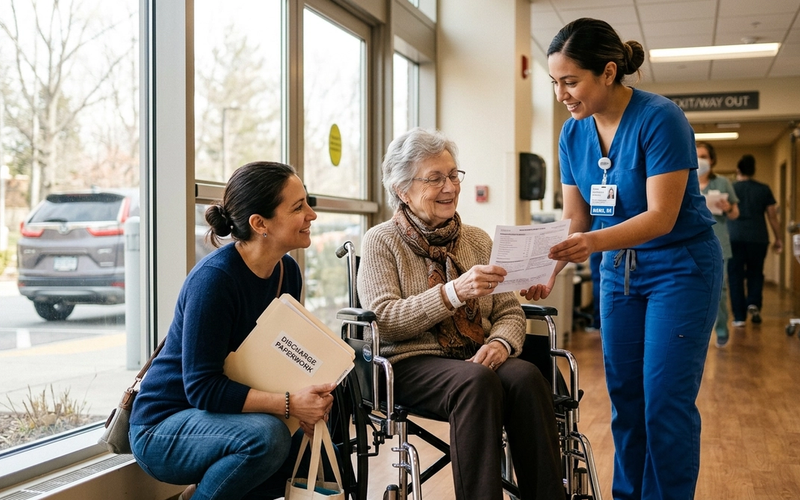
Hospital Discharge Planning for Seniors: A Family Guide
A hospital discharge for an older parent is a decision, not just a notice. Here is how discharge planning actually works, where families have leverage, and how to appeal a discharge you think is unsafe.

OTC Hearing Aids for Seniors: A 2026 Buyer's Guide
Over-the-counter hearing aids let adults with mild to moderate hearing loss skip the clinic and buy directly. Here is what they cost, who they fit, who should avoid them, and how they compare with prescription devices.
Explore senior living options
Comparing care for yourself or a family member? Browse communities by care type and see what each option typically costs.
- Assisted livingHelp with daily activities, costs, and how to choose a community.
- Independent livingMaintenance-free communities for active older adults.
- Home careIn-home support for seniors aging in place.
- Nursing homesSkilled nursing care and Medicare star ratings.
- Senior apartmentsAge-restricted, budget-friendly rental housing.
- Cost of senior livingCompare typical monthly prices by care type and state.