
How to Make New Friends After 60: A Friendly Step-by-Step Guide
More than one-third of adults over 45 experience loneliness, according to recent research. The situation becomes more concerning when you consider that 41% of these individuals report feeling isolated for six years or longer. The health implications extend far beyond emotional discomfort. Social isolation increases your risk of coronary heart disease by 29% and stroke by 32%…

More than one-third of adults over 45 experience loneliness. Research also shows that 41% of these individuals have felt isolated for six years or longer.
Social isolation takes a real toll. Compared to people with strong social connections, isolated individuals face a 29% higher risk of coronary heart disease and a 32% higher risk of stroke. Lonely seniors have a 45% higher risk of death and are over 60% more likely to develop dementia.
Strong friendships provide real protection. People with good social relationships are 50% more likely to survive than those with weak connections. In your senior years, friendships matter as much as family relationships for your well-being.
Making new friends after 60 can be hard. You may have moved recently, lost a spouse, or watched old friends relocate. But building meaningful connections is entirely possible at any age.
This guide covers eight ways to expand your social circle after 60. Whether you're starting fresh or adding to your current network, these strategies can help you connect with others and improve your health and quality of life.
- Join and participate in social activities
- 1. Join local clubs or hobby groups
- 2. Take community classes or workshops
- Community involvement and volunteer opportunities
Many assisted living facilities encourage residents to volunteer. These programs let residents give back, meet people, and stay engaged. Options range from mentoring local students to helping at community centers. Volunteering builds meaningful connections while demonstrating that an active life matters at any age. Residents can find activities that match their interests and skills, gain a sense of accomplishment, and feel like they belong.- Attend local events and gatherings
- Volunteer for causes you care about
- Building connections close to home
- Connect with neighbors regularly
- Explore faith-based or spiritual groups
- Finding structured support networks
- 7. Join support groups for shared experiences
- 8. Consider moving to a socially active community
- Bottom line
- Key takeaways
- FAQs
Join and participate in social activities
Organized activities help you meet people with shared interests. Local community centers are good places to pursue hobbies and connect with others.
1. Join local clubs or hobby groups
Senior centers offer free or low-cost activities designed for adults over 50. These venues create natural environments for friendships to form, whether you're playing board games or joining walking groups.
Consider these options:
- Hobby-based groups: Knitting, hiking, birdwatching, or painting clubs
- Book or film clubs: Discuss literature or movies with others
- Garden clubs: Garden while building friendships
Martha, 67, never expected to make friends through birdwatching. "Joining our local Audubon Society chapter introduced me to four people who've become dear friends," she says.
2. Take community classes or workshops
Local colleges and libraries often offer free or discounted courses for older adults.
Popular options include:
- Art and craft classes: Pottery, ceramics, and painting provide easy conversation starters
- Culinary workshops: Cooking classes bring people together through food
- Technology courses: Learning computer skills with peers builds friendships
- Fitness programs: Group yoga, tai chi, or water aerobics create community around wellness
In-person classes offer more chances for meaningful connections than virtual ones. Most programs are designed to encourage social engagement and personal growth.
AARP's Senior Planet offers free weekly virtual classes and in-person community spaces throughout the U.S.
Community involvement and volunteer opportunities
Volunteering gives seniors a sense of purpose and lets them stay active in their communities. Many older adults volunteer locally, support charities, and contribute their skills to organizations. This involvement strengthens the broader community and shows the valuable contributions older adults continue to make.
Being active in the community helps you make friends. Community events and volunteer work offer chances to connect around shared interests and values.
Attend local events and gatherings
Local gatherings offer relaxed environments for meeting others. Community events help you feel more connected and create chances to make new friends.
Many communities offer programs for seniors. For example, JABA Community Centers provide free membership and activities for adults 60 and older, including monthly social gatherings like game nights, potlucks, and holiday celebrations.
The SPAN Center coordinates neighborhood meals and conversations for older adults. Shepherds Centers organize learning events on topics from gardening to current affairs, encouraging discussion among attendees.
Volunteer for causes you care about
Volunteering creates meaningful connections while helping your community. Older adults provided one-third of all volunteer hours in the United States in 2021.
Regular volunteering offers health benefits beyond social connection. Adults over 50 who volunteer regularly show lower rates of hypertension, heart disease, diabetes, and obesity. Research indicates volunteering can help lower blood pressure.
Consider these opportunities:
- Meals on Wheels: Deliver meals while providing companionship to homebound seniors
- AARP's volunteer network: More than 50,000 volunteers work to improve lives of older Americans
- AmeriCorps Seniors: Programs for Americans 55 and older focus on tutoring, elderly care, and disaster relief
- Intergenerational programs: Organizations like Oasis connect seniors with children who need reading support
According to AARP's volunteer program, "We'll provide training and support so you can make a difference, make new connections, and have fun."
Building connections close to home
Meaningful connections often develop in your neighborhood or through spiritual communities. These relationships can provide important support as you age.
Connect with neighbors regularly
Twenty-seven percent of Americans age 60 and older live alone. Those with strong neighborhood connections show a 54.7% reduction in mortality risk over a 10-year period compared to those with limited neighbor interaction.
Your neighbors can fill roles that extended families once provided. Building these relationships doesn't take grand gestures. Consistency works best:
- Start conversations about shared interests like gardening or pets
- Invite a neighbor to join you for a walk
- Offer help with seasonal tasks or technology challenges
One woman reflected, "I realized one of the reasons to stay put was having so many people on my road who would help us if we needed it."
Explore faith-based or spiritual groups
Faith communities provide purpose, support, and belonging for many older adults. About 65% of religious seniors receive personal support and community connection through their faith groups.
These communities offer friendship opportunities through:
- Regular worship services and Bible study groups
- Social gatherings like potluck dinners and holiday celebrations
- Volunteer activities serving others in the community
Many faith communities welcome newcomers regardless of their background or religious experience. You don't need deep theological knowledge to participate.
Finding structured support networks
Structured environments designed for connection can make friendships easier to form. These settings offer organized chances to meet others through shared experiences or living arrangements.
7. Join support groups for shared experiences
Support groups bring together people facing similar situations and offer safe spaces for conversation and meaningful connections. They focus on building resilience, developing new skills, or connecting over shared interests.
More than 25% of older adults experiencing social isolation find these groups essential for reducing loneliness. Most groups have 6-12 participants, allowing everyone time to contribute.
Consider these options:
- Health-focused groups: Discussions about managing chronic conditions or wellness
- Interest-based meetings: Groups centered on hobbies, current events, or learning new languages
- Grief or transition support: Safe spaces for processing major life changes
Virtual support groups allow you to participate from home using a smartphone or computer.
8. Consider moving to a socially active community
Age-friendly communities offer living environments that encourage connections. These 55+ communities combine independent living with built-in social opportunities.
Popular features include:
- Clubhouses and recreational spaces for group gatherings
- More than 50 resident-led clubs and interest groups
- Organized outings like museum visits, theater performances, scenic drives, and local festivals. These activities provide entertainment, social connection, mental stimulation, and engagement with the broader community. They're accessible to all residents.
- Planned activities ranging from fitness classes to book discussions
Residents in these communities experience reduced stress, anxiety, and depression through regular social engagement. These environments also help prevent cognitive decline.
Choose environments that match your interests and comfort level. Whether you prefer structured discussions or active community living, being with others in similar circumstances naturally leads to lasting friendships.
Bottom line
Building friendships after 60 takes effort, but there are many ways to make meaningful connections. Joining community activities, volunteering, and connecting with neighbors are practical ways to meet new people.
Start with one approach that feels comfortable. Join a local hobby group or attend a community event that matches your interests. You can gradually add more activities as your confidence grows.
The health benefits make the effort worthwhile. Strong social connections help you live longer and reduce your risk of heart disease and dementia. These relationships provide practical support and emotional connection that become increasingly important as you age.
Friendships grow from shared experiences and common interests. When you focus on activities you genuinely enjoy, connections develop naturally. The relationships built this way often become the most rewarding.
Key takeaways
Making friends after 60 matters for health and happiness. Strong social connections reduce mortality risk by 50% and help prevent cognitive decline.
• Join local clubs, hobby groups, or community classes to meet people who share your interests.
• Volunteer for causes you care about. This builds meaningful connections and can lower blood pressure.
• Connect with neighbors regularly and explore faith-based communities for daily opportunities to build relationships.
• Consider support groups or active adult communities, which offer settings designed for social connection.
• Start small with one comfortable activity and be patient. True friendships develop naturally through shared experiences.
Take action even with initial hesitation. Meaningful relationships can be built through community centers, volunteer work, or by engaging with neighbors. These connections improve your physical health and emotional well-being as you age.
FAQs
It's never too late to make new friends. Building friendships improves your health and outlook on life. You can meet people with similar interests in community activities, through volunteer work, and by pursuing hobbies.
Q2. How can someone in their 60s make new friends? You can join local clubs or hobby groups, take community classes, volunteer for causes you care about, attend local events, or connect with neighbors. Faith-based groups or support groups for shared experiences can also be effective ways to meet new people.
Q3. What are the health benefits of making friends in your senior years?
Strong social connections offer important health benefits. People with good social relationships are 50% more likely to survive than those with poor ones. Friendships can reduce your risk of heart disease, stroke, and dementia, and improve overall mental health.
Q4. Are there specific communities designed for seniors to make friends?
Yes, age-friendly communities are designed for adults 55 and older. These communities feature clubhouses, recreational spaces, and numerous resident-led clubs and interest groups. They organize various activities and outings, making it easy for residents to socialize and make friends.
Q5. How important is volunteering for making friends after 60? Volunteering helps you make friends after 60 and contribute to your community. You meet people who share your values and interests. Volunteering also offers health benefits, including lower rates of hypertension, heart disease, and obesity. Organizations like AARP and AmeriCorps Seniors have volunteer programs designed for older adults.
Frequently asked questions
Get matched
Looking for senior care for someone you love?
Tell us what you're considering. We'll share independent matches and pricing directly with you. No phone calls until you ask for one.
- Takes about two minutes to complete.
- Pricing details emailed to you. No phone calls until you ask for one.
- Independent matching. We do not own the communities we list.
Loading the matching form…
Powered by SilverAssist. By submitting this form you agree to our privacy policy.
More from our editors
All articles
Medicare Is Ending the Program That Held Down Part D Drug-Plan Premiums. What It Means for 2027
For two years, a federal program quietly held down the premiums on stand-alone Medicare drug plans. It ends with the 2027 plan year, which is why some Part D premiums could jump more this Open Enrollment than they have recently. Here is what changed, who is affected, and how to protect your drug costs before December 7.
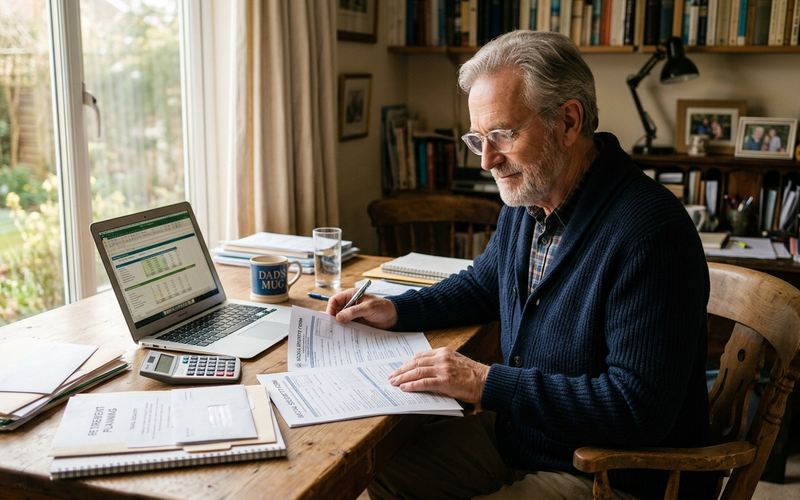
Social Security's Full Retirement Age Reaches 67 in 2027: What It Means for When You Claim
In 2027, the full retirement age for Social Security finishes its long climb to 67. People born in 1960 are the first group to reach a full retirement age of exactly 67. Here is what that changes, what it does not, and how the age you claim still moves your check by hundreds of dollars a month.

Social Security Is Phasing Out Paper Checks by the End of 2026: What to Do Now
The federal government has stopped mailing most paper checks, and Social Security wants every beneficiary on direct deposit or a Direct Express card by the end of 2026. Fewer than 1 percent of recipients still get a check in the mail. Here is who is affected, how to switch, and the narrow exceptions that let a few people keep paper.
Explore senior living options
Comparing care for yourself or a family member? Browse communities by care type and see what each option typically costs.
- Assisted livingHelp with daily activities, costs, and how to choose a community.
- Independent livingMaintenance-free communities for active older adults.
- Home careIn-home support for seniors aging in place.
- Nursing homesSkilled nursing care and Medicare star ratings.
- Senior apartmentsAge-restricted, budget-friendly rental housing.
- Cost of senior livingCompare typical monthly prices by care type and state.