
More than one in four people age 65 years or older fall each year, making fall prevention a pressing concern for families caring for older loved ones. Falls represent a leading cause of injury among older adults, and the consequences can be serious. When an elderly person falls, they may break a bone, which thousands experience annually. Falls among adults 65 and older caused over 38,000 deaths in 2021, representing the leading cause of injury death for that age group.
Preventing falls in elderly family members can be challenging, but you have options to reduce these risks. Effective fall prevention doesn’t require expensive equipment or complex medical procedures. Simple changes to your loved one’s environment and daily routines can make a significant difference in reducing fall risks. Emergency departments recorded nearly 3 million visits for older adult falls during 2021-many of which might have been prevented with proper precautions.
This guide explores proven fall prevention strategies that can help protect your senior loved one. You’ll learn why falls happen, how to make homes safer, and ways to build strength and balance. These practical approaches can help you create a safer environment for aging family members while supporting their independence.
Understand Why Falls Happen
Understanding what causes falls helps you develop effective prevention strategies for your loved one. Falls rarely happen without reason, and identifying specific risk factors allows you to address the most important concerns first.
Common causes of falls in older adults
Falls result from multiple factors working together rather than a single cause. Between 30% to 40% of older adults fall every year. The primary risk factors include:
- Previous falls
- Balance impairment
- Reduced muscle strength
- Vision problems
- Medication side effects
- Gait difficulties
- Depression
- Being over 80 years old
Fall risk increases dramatically with each additional risk factor-starting at 8% with no risk factors and rising to 78% with four risk factors. Environmental hazards like clutter, poor lighting, and missing grab bars also contribute significantly to fall incidents.
How aging affects balance and mobility
Your body undergoes natural changes with age that impact balance and mobility. After age 40, lean body mass declines 1% to 2% per year, while strength decreases 1.5% to 5% annually. Bones shrink in size and density, weakening them and increasing fracture risk during falls.
The vestibular system, which helps maintain balance, begins deteriorating around age 40 when small sensory hairs in the inner ear start to degenerate. This deterioration affects the brain’s ability to coordinate movements and maintain stability, making seniors more susceptible to balance problems.
The role of medications and chronic conditions
Many medications increase fall risk through side effects such as dizziness, sedation, or orthostatic hypotension (sudden blood pressure drop when standing). High-risk medications include psychoactive drugs like antidepressants, sedatives, antipsychotics, benzodiazepines, and opioids. Taking four or more medications simultaneously particularly raises fall risk.
Chronic conditions also contribute substantially to falls. Conditions like arthritis, diabetes, heart disease, and vision impairments often lead to chronic pain, limited mobility, and decreased strength. Adults with arthritis were 2.5 times more likely to report multiple falls compared to those without arthritis.
Make the Home a Safer Place
Over half of all falls among older adults happen at home, making household safety modifications essential for protecting your senior loved one. Consider the following modifications to create a safer living environment:
Remove tripping hazards like cords and rugs
Start by eliminating common tripping hazards throughout your home. Remove throw rugs completely or secure them with double-sided tape or non-slip backing. Loose floor coverings are among the most frequent fall causes for older adults. Keep pathways clear by picking up items like books, shoes, and other objects that might be on the floor.
Electrical cords present another serious hazard. Coil or tape them next to walls to prevent tripping. Rearrange furniture to create clear walking paths throughout your home, as crowded spaces force seniors to navigate around obstacles.
Improve lighting in all rooms and hallways
Poor lighting significantly increases fall risk, especially for those with vision impairments. Place night lights along hallways and in bathrooms to illuminate nighttime paths. Research shows that upgraded lighting incorporating higher intensity blue-enriched white light during daytime and lower intensity overnight reduced falls by 43% in care facilities.
Install light switches at both the top and bottom of staircases. Consider glow-in-the-dark or illuminated switches for easier visibility. Ensure stairways are well-lit, promptly replacing any burned-out bulbs.
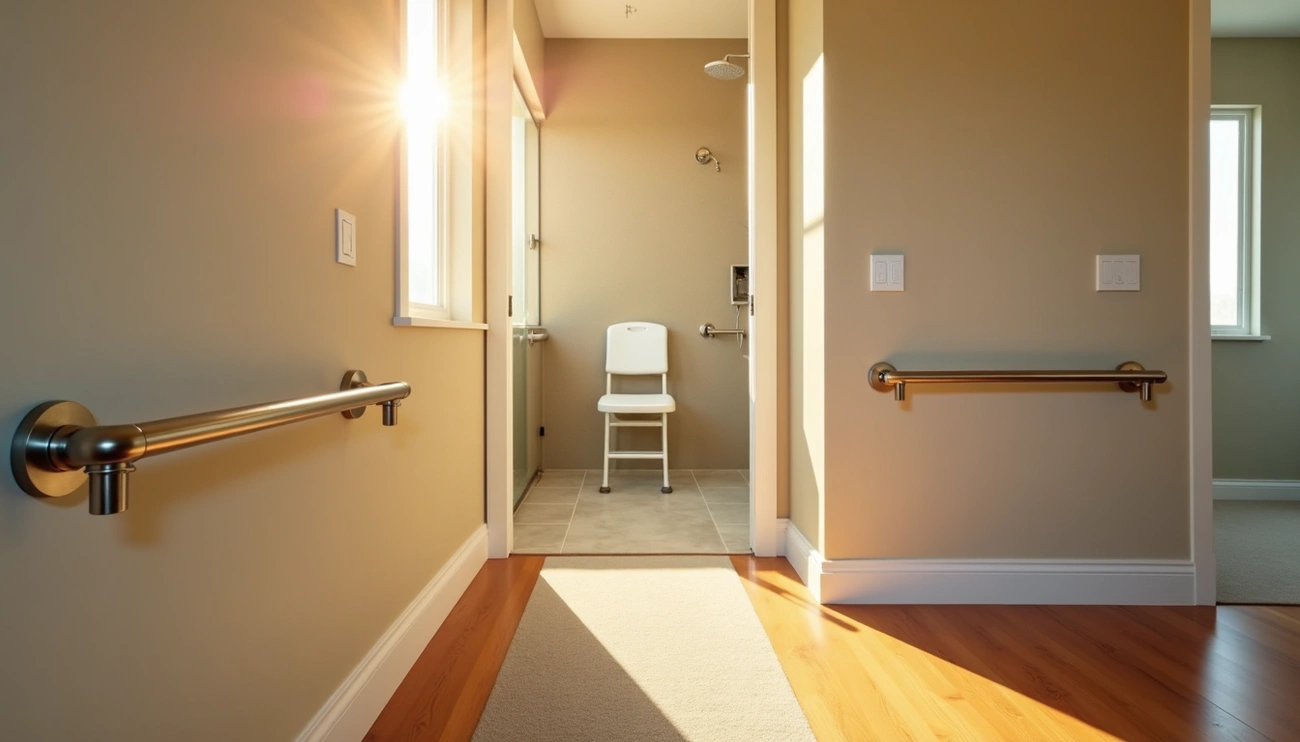
Install grab bars and handrails
Properly installed grab bars offer crucial support in fall-prone areas. Consider these placement guidelines:
- Horizontal grab bars around toilets: Mount 33-36 inches from the floor
- Shower and tub bars: Install both vertically and horizontally-vertical bars help with entry/exit while horizontal or diagonal bars provide stability during bathing
- Staircase handrails: Install on both sides of staircases for additional stability
All grab bars must be secured into wall studs or with appropriate anchoring devices for adequate support.
Use non-slip mats in bathrooms
Bathrooms present unique fall hazards due to wet, slippery surfaces. Place non-slip rubber mats or self-stick strips in tubs and showers. These products typically feature hundreds of suction cups that secure to the floor, preventing dangerous slips.
Non-slip mats are available in various sizes and colors, with options specifically designed for tubs (with drain cutouts). Proper bathing safety features are essential, as falls in this area remain a serious risk for seniors.
Build Strength and Balance
Physical strength and balance naturally decline as we age, but regular exercise can significantly reduce fall risk. Consistent strengthening exercises help seniors maintain stability and build confidence in their movements.
Best exercises for fall prevention
Strength training for fall prevention should target leg and core muscles specifically. The sit-to-stand exercise builds leg strength by rising from a chair without using your hands. For balance training, start with exercises that progress in difficulty: begin with feet shoulder-width apart, advance to feet together, and work toward standing on one foot. Hold each position for 10 seconds initially, then gradually increase to 30 seconds.
Walking provides excellent exercise, but it doesn’t strengthen legs adequately unless it includes hills or stairs. Combining walking with targeted strength exercises offers the most effective protection against falls.
How tai chi and yoga improve stability
Tai chi reduces fall risk by 43% in adults over 55 within 12 months of practice. This gentle exercise improves proprioception (your body’s awareness of its position in space), which typically declines with age. Research shows yoga-based interventions produce significant improvements in both static and dynamic balance scores.
A study involving 500 seniors found that yoga enhanced balance while also decreasing body fat percentage and increasing muscle mass. Both tai chi and yoga strengthen core muscles while improving coordination and mindfulness during movement.
When to consult a physical therapist
You should seek professional guidance if you’ve experienced a fall in the past year, feel unsteady when walking, or find yourself worried about falling. Physical therapists assess your specific risk factors, create personalized exercise programs, and teach safe recovery techniques if you do fall. Research confirms that physical therapy interventions reduce fall risk for adults 65 and older.
A physical therapist will evaluate your balance, strength, and walking patterns before developing an individualized treatment plan that addresses your particular needs and limitations.
Use Smart Tools and Medical Support
Proper equipment and healthcare guidance work together to reduce fall risks for older adults. The right tools, combined with medical oversight, can provide additional safety measures beyond home modifications and exercise.
Choosing the right footwear
Footwear plays a significant role in maintaining balance and preventing falls. Look for shoes with low heels no higher than one inch, non-slip rubber soles, and secure closures to reduce fall risk. Studies indicate that 83% of older adults wear improperly fitted footwear on at least one foot. Select shoes with adequate cushioning, wide toe boxes, and adjustable closures like Velcro straps for the best fit and support.
Using canes, walkers, and assistive devices
The right mobility aid depends on your loved one’s specific support needs. Canes provide support for about 25% of body weight, while walkers can support up to half a person’s weight. For proper sizing, the device handle should align with the wrist crease when arms hang naturally at the sides. When using a cane, it should be held on the side opposite to the weaker leg.
How to talk to your doctor about fall risk
Schedule a fall risk assessment if your loved one has fallen recently or feels unsteady when walking. Come prepared with an honest discussion about concerns and bring a complete list of all medications, including over-the-counter drugs. Ask about referrals to specialists such as physical therapists who can provide additional support.
Monitoring medications that affect balance
Several types of medications can increase fall risk through side effects like dizziness or sedation. These include antidepressants, antihistamines, benzodiazepines, and opioids. Older adults face twice the likelihood of experiencing medication side effects compared to younger adults. Regular medication reviews become essential after age 65, as polypharmacy (taking multiple medications) significantly increases fall risk for seniors.
Bottom Line
Fall prevention for elderly family members requires a combination of environmental changes, physical strengthening, and medical support. Understanding the specific factors that contribute to falls helps you develop targeted strategies to protect your loved one.
Home safety modifications offer immediate protection against fall risks. Simple changes like removing loose rugs, improving lighting throughout the house, and installing grab bars in bathrooms can significantly reduce accidents. These modifications typically require minimal investment while providing substantial safety benefits.
Regular exercise focused on building strength and balance helps seniors maintain stability and confidence in their movements. Programs like tai chi and yoga provide gentle yet effective approaches to improving coordination. When your loved one has specific concerns or limitations, working with a physical therapist can provide personalized guidance tailored to their needs.
Proper equipment and medical oversight further enhance safety for older adults. Well-fitted shoes with non-slip soles, appropriate mobility aids when needed, and regular medication reviews with healthcare providers all contribute to fall prevention. Open communication with doctors about fall concerns enables better preventive care.
Fall prevention isn’t just about avoiding injury-it’s about helping seniors maintain their independence and quality of life. These practical strategies can make caregiving less stressful for families while supporting older adults’ ability to live safely in their homes. Start with one or two changes, then gradually implement additional safety measures as needed.
Key Takeaways
Falls affect more than 1 in 4 adults over 65 annually, but simple prevention strategies can dramatically reduce this life-threatening risk.
• Remove home hazards immediately: Clear pathways of rugs, cords, and clutter while installing grab bars and improving lighting throughout your home.
• Build strength through targeted exercise: Focus on leg and core strengthening exercises, tai chi, or yoga to improve balance and reduce fall risk by up to 43%.
• Review medications regularly: Many common medications increase fall risk through dizziness and sedation-discuss all prescriptions with your doctor during routine visits.
• Use proper footwear and mobility aids: Choose low-heeled shoes with non-slip soles and ensure walking aids are properly fitted to your height and needs.
• Seek professional help when needed: Consult physical therapists or doctors if you’ve fallen recently, feel unsteady, or worry about falling.
Prevention starts with understanding that falls rarely happen without reason. By addressing environmental hazards, maintaining physical strength, and working with healthcare providers, families can protect their elderly loved ones while preserving their independence and quality of life.
FAQs
Q1. What are the most common causes of falls in older adults? Falls in older adults are often caused by a combination of factors, including balance impairment, reduced muscle strength, vision problems, medication side effects, and environmental hazards like poor lighting or clutter. The risk of falling increases significantly with each additional risk factor present.
Q2. How can I make my home safer to prevent falls? To make your home safer, remove tripping hazards like loose rugs and cords, improve lighting in all rooms and hallways, install grab bars in bathrooms and near stairs, and use non-slip mats in wet areas. Also, ensure clear walking paths by rearranging furniture if necessary.
Q3. What exercises are best for fall prevention in seniors? Effective exercises for fall prevention include strength training focused on leg and core muscles, balance exercises like standing on one foot, and gentle practices such as tai chi and yoga. Regular walking combined with strength exercises can also significantly reduce fall risk.
Q4. How do medications affect fall risk in the elderly? Certain medications can increase fall risk through side effects like dizziness, sedation, or sudden blood pressure drops. High-risk medications include antidepressants, sedatives, antipsychotics, and opioids. Taking four or more medications simultaneously particularly raises fall risk.
Q5. When should I consult a doctor or physical therapist about fall prevention? You should consult a doctor or physical therapist if you’ve experienced a fall in the past year, feel unsteady when walking, or are worried about falling. They can assess your specific risk factors, design personalized exercise programs, and provide guidance on how to safely recover if you do fall.