
Modular Homes for Seniors: Your Essential Guide to Comfortable Retirement Living
Finding affordable housing that supports your independence during retirement can present challenges for many seniors. According to the Census Bureau, the average sales price for a new manufactured home as of July 2023 was $118,000, not including land costs. This price point makes modular homes an accessible option for those planning their next living arrangement. Affordability…

Finding affordable housing that lets seniors stay independent can be tough. Manufactured homes averaged $118,000 as of July 2023, not including land. That price point makes them worth considering if you're planning ahead for retirement.
Many baby boomers care most about cost when choosing where to live in retirement. Manufactured homes are a practical alternative to traditional housing or pricey assisted living. They come in sizes ranging from under 1,000 square feet to over 2,000 with up to five bedrooms. They're also faster to build, roughly half the time of a stick-built home, so you can move in sooner.
These homes are built to support independence. Single-story layouts eliminate stairs. Zero-step entryways and wide doorways work with walkers and wheelchairs. Non-slip bathroom flooring cuts down on falls. The design is practical: remove hazards, keep people mobile.
This article covers why modular homes work for seniors: what they cost, how they help you age in place, and how to customize them for your needs.
Design features that make modular homes senior-friendly
Modular homes are built to help seniors stay independent as they age. The features are straightforward: remove obstacles, add support where it matters.
Single-story layouts for easy mobility
Senior manufactured homes use ranch-style floor plans, everything on one level. This cuts fall risk and makes moving around simpler. You reach every room without stairs.
Wide doorways and hallways for assistive devices
Doorways are at least 36 inches wide, hallways the same. That fits a wheelchair or walker. Open floor plans mean fewer walls in your way and easier navigation.
Zero-step entry and non-slip flooring
Zero-step entryways mean smooth transitions from outside to inside, no elevation change. Pair that with non-slip flooring in bathrooms and other wet areas, and you've cut fall risk significantly.
Accessible bathrooms with roll-in showers
Roll-in showers eliminate the danger of a tub edge. They typically include:
- Adjustable showerheads for different heights
- Handheld spray options for easier use
- Built-in seating for comfort and safety
These changes make bathing safer and let you handle personal care on your own.
Lever-style handles and grab bars
Lever handles take about half the effort of turning a doorknob, which helps if you have limited hand strength or arthritis. Grab bars placed near doors and in bathrooms add stability and support.
Affordability and energy efficiency
Cost matters when you're planning retirement on a fixed income. Modular homes save money upfront and over time.
Modular homes are built in a factory instead of on-site. This cuts costs because the work happens in a controlled space, materials are bought in bulk, and weather doesn't delay the job. One study found off-site construction can save 20% of total building costs. Building time drops by 30-50%, which means lower labor expenses and less interest accruing while the home is being built.
Waste is also lower. Traditional construction sites throw away a lot of scrap. Factory-built homes use recycling and precise measurements that can cut waste by up to 90%.
The timeline adds up too. Most modular homes go from permit to move-in in about eight months. That's fast enough to avoid months of rental costs or living in temporary housing.
Energy-saving features like LED lights and smart thermostats
Built-in efficiency features can cut energy bills roughly in half:
Smart thermostats that adjust temperature automatically
- Energy-efficient windows with low-E coatings that reduce heat loss by 30-50%
- LED lighting, which lasts longer and uses less power than incandescent bulbs
- ENERGY STAR certified appliances
- A typical ENERGY STAR household saves about $450 a year on energy bills compared to older homes.
Low-maintenance materials for long-term savings
Modular homes use durable, low-maintenance materials. Vinyl siding and metal roofs resist damage and don't need frequent repair or replacement. The construction itself creates tight seals, better windows and doors than you typically find in stick-built houses, so fewer maintenance headaches over time.
How modular homes support aging in place
Most seniors want to stay in their own homes as they age. Aging in place means staying put, keeping your independence as long as you can. It generally leads to better quality of life and more self-esteem.
Understanding what aging in place involves
Aging in place is more than just staying in the same house. It's having the health support and community connections you need to live safely and independently for as long as possible. You stay in familiar surroundings with your routines and get help when you need it.
Supporting your independence over time
Modular homes can adapt as your needs change. Single-level layouts, wider doorways, and open floor plans make movement safer. Since accessibility is built in from the start, you avoid expensive retrofitting later.
Comparing costs with assisted living options
Assisted living costs a median of $4,995 per month. A modular home bought upfront is often cheaper over time, especially if it's designed to adapt as you age. You can stay put instead of moving to a facility.
Customization options for personal needs
Every senior is different. Modular homes let you build a space that fits your life, not the other way around.
Layout flexibility and room configurations
Modular homes typically range from 400 to 1,200 square feet. You choose the layout, modern, traditional, or something in between. Many people pick single-floor ranch styles with open plans. Some add a dedicated bedroom for a caregiver, or space for medical equipment.
Adding features like ramps, wider counters, or smart tech
Beyond the basic layout, you can add adjustable-height countertops for wheelchair access, reinforced walls to hold grab bars, and smart home controls for lighting and temperature. Some features like ramps may need a contractor to install after delivery.
Choosing finishes and styles that reflect personal taste
You pick exterior siding and roofing, interior flooring, cabinets, fixtures, and appliances, the same range of choices you'd have in any home. Custom built-in storage solves practical problems while looking the way you want it to.
Bottom line
Modular homes offer a practical path to retirement housing. The cost is clear: averaging $118,000 versus traditional builds, with energy savings around 50% yearly.
The design works. Single-level layouts, wide doorways, and accessible bathrooms make homes safer as mobility changes. You can stay independent instead of moving to assisted living.
You can customize from the start. Need space for medical equipment or smart home tech? You build that in, not bolt it on later.
The numbers add up: lower upfront costs, lower ongoing expenses, safer design, and the ability to stay put. With assisted living running $4,995 a month, owning a modular home makes sense for many people on fixed incomes.
Construction is also faster, 30-50% quicker than traditional building. You move in sooner, avoid extended rental costs, and get to your retirement sooner.
Key takeaways
Modular homes are affordable and designed to help seniors maintain independence.
• Cost savings: Modular homes average $118,000. Construction costs run 20% lower. Energy bills drop by up to 50% with efficient features built in.
• Senior-friendly design: Single-story layouts, 36-inch doorways, zero-step entries, and roll-in showers remove mobility barriers and cut fall risks.
• Aging in place: These homes let seniors stay independent longer and avoid the $4,995/month cost of assisted living.
• Customizable: Layouts range from 400-1,200 sq ft. You add smart technology, medical equipment space, and personal finishes without expensive retrofits later.
• Faster building: Modular homes are built 30-50% quicker than traditional homes, so you move in sooner.
Modular homes are affordable, accessible, and built to your needs. They're a solid option if you want to live independently and avoid the cost of assisted care.
FAQs
What makes modular homes a good option for seniors? They're affordable, energy efficient, and built with senior accessibility in mind. Single-story layouts, accessible bathrooms, and grab bars help you stay independent. They cost less upfront and over time than traditional housing or assisted living.
How do modular homes accommodate changing mobility needs? Wide doorways, zero-step entries, and non-slip flooring make them accessible. You can add grab bars, lever handles, and roll-in showers to match your needs as you age.
Are modular homes affordable? Yes. They average $118,000, less than traditional homes. Energy-efficient features cut utility bills by up to 50%, which helps stretch a fixed income over time.
Can modular homes be customized? Modular homes range from 400-1,200 sq ft and come in various styles. You choose the layout, finishes, and features to match your preferences and needs.
How do modular homes support aging in place? They're designed for long-term independence. Accessible features and room for smart home tech or medical equipment let you stay safe and comfortable at home as you age, without moving to a facility.
Frequently asked questions
Get matched
Looking for senior care for someone you love?
Tell us what you're considering. We'll share independent matches and pricing directly with you. No phone calls until you ask for one.
- Takes about two minutes to complete.
- Pricing details emailed to you. No phone calls until you ask for one.
- Independent matching. We do not own the communities we list.
Loading the matching form…
Powered by SilverAssist. By submitting this form you agree to our privacy policy.
More from our editors
All articles
Social Security's Full Retirement Age Reaches 67 in 2027: What It Means for When You Claim
In 2027, the full retirement age for Social Security finishes its long climb to 67. People born in 1960 are the first group to reach a full retirement age of exactly 67. Here is what that changes, what it does not, and how the age you claim still moves your check by hundreds of dollars a month.

Social Security Is Phasing Out Paper Checks by the End of 2026: What to Do Now
The federal government has stopped mailing most paper checks, and Social Security wants every beneficiary on direct deposit or a Direct Express card by the end of 2026. Fewer than 1 percent of recipients still get a check in the mail. Here is who is affected, how to switch, and the narrow exceptions that let a few people keep paper.
The Social Security Fairness Act Paid $17 Billion in Back Benefits. Now Comes the Tax Bill
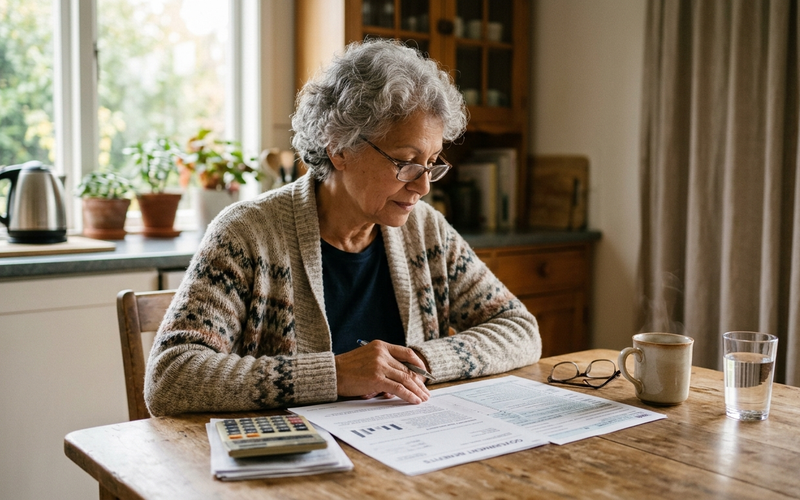
The repeal of WEP and GPO restored Social Security for more than 3 million public-sector retirees, and the agency has paid about $17 billion in back benefits. But those lump sums are taxable, a surprise bill hit this filing season, and a proposal in Congress would change it. Here is where things stand.
Explore senior living options
Comparing care for yourself or a family member? Browse communities by care type and see what each option typically costs.
- Assisted livingHelp with daily activities, costs, and how to choose a community.
- Independent livingMaintenance-free communities for active older adults.
- Home careIn-home support for seniors aging in place.
- Nursing homesSkilled nursing care and Medicare star ratings.
- Senior apartmentsAge-restricted, budget-friendly rental housing.
- Cost of senior livingCompare typical monthly prices by care type and state.