
Senior Travel Tips: The Essential Summer Guide You Can't Miss
Senior travel tips are essential for making the most of your vacation experience, especially since traveling to new places and connecting with family and friends is vital for our mental health. While retirement offers the perfect opportunity to explore the world, we must acknowledge that traveling as an older adult comes with unique considerations. In fact, if you’re…

Senior travel can be rewarding, but it requires some planning. Traveling to new places and spending time with family and friends supports mental health. Retirement offers time to explore, but older adults face unique considerations—especially if you take medications regularly. You'll need to pack them in your carry-on where you can access them easily.
Health, mobility, and chronic conditions all matter when you travel as an older adult. Spring and summer draw crowds to popular destinations, so plan accordingly. Whether you want a restful trip or something more active, good planning makes the difference between a trip you enjoy and one that wears you out.
This guide covers the essentials: choosing a destination, packing efficiently, staying safe, and maintaining your health while away. The goal is to help you travel with confidence.
- Choose the right summer destination
- Restful vs. active travel: what suits you best?
- Accessibility and mobility considerations
- Budget and travel duration planning
- Essential packing tips for seniors
- Use packing cubes and checklists
- Pack medications and health essentials
- Include sun protection and weather-appropriate clothing
- Keep important documents and copies
- Use multi-purpose items to save space
- Travel safety tips for seniors
- Avoid publicizing your trip online
- Use hotel safes and anti-theft gear
- Be cautious with credit cards and cash
- Sign up for GPS tracking or check-in systems
- Staying healthy while traveling
- Stay hydrated and eat balanced meals
- Move regularly during long flights or drives
- Carry a basic first aid kit
- Consult your doctor before traveling
- Get necessary vaccinations and supplements
- Conclusion
- Key takeaways
- FAQs
Choose the right summer destination
The first step is picking a destination that suits your health and energy level. Choosing the right place can make the whole trip easier.
Restful vs. active travel: what suits you best?
Consider what you actually want from a trip. Some older adults prefer places where they can relax and move at their own pace—Savannah or Oak Island, for example, offer calm beaches, walking trails, and small-town atmosphere. Others want more activity: Asheville has scenic mountain drives, and Santa Fe has arts and culture. Neither is better; it depends on what you need.
Accessibility and mobility considerations
Accessibility matters. Look for destinations with accessible transportation, hotels without stairs, and activities you can actually do. Amelia Island in Florida has ADA-accessible beach boardwalks and buildings. Branson, Missouri has accessibility information and wheelchair rentals. Many U.S. National Parks have wheelchair-accessible paths and viewpoints.
Budget and travel duration planning
You'll save money by traveling in spring or fall instead of peak summer. Lisbon and Split are affordable for older travelers and offer history and scenery without premium prices. Many European countries offer senior discounts on transportation, hotels, and attractions.
Think about trip length too. Longer trips need more planning for medications and managing energy. Shorter trips can be easier on your body.
Essential packing tips for seniors
Packing well makes travel more comfortable. Good organization means you can find what you need and nothing gets lost or damaged.
Use packing cubes and checklists
Packing cubes keep luggage organized and save space. They also keep clothes cleaner and less wrinkled. Make a checklist a few days before you leave, grouping items by type rather than outfits—that gives you more flexibility when you're packing and dressing.
Pack medications and health essentials
Keep medications in your carry-on bag so you can reach them easily. Bring enough for the entire trip plus a few extra days. Keep them in their original containers with labels to avoid customs issues. Also pack a small first-aid kit with bandages, antiseptic wipes, and pain relievers.
Include sun protection and weather-appropriate clothing
Sun protection is especially important as you age. Skin cancer rates in adults over 70 have risen significantly. Pack broad-spectrum sunscreen (SPF 30 or higher), UV-blocking sunglasses, and a wide-brimmed hat. Choose breathable fabrics and pack layers so you can adjust to temperature changes.
Keep important documents and copies
Make copies of your passport, driver's license, Medicare card, and itinerary. Pack an extra set and leave copies with someone at home. Carry emergency contact information and ID when you're out.
Use multi-purpose items to save space
A pashmina works as a scarf, plane blanket, or head covering at religious sites. Pick clothing that you can wear multiple times in different combinations.
Travel safety tips for seniors
Safety concerns shouldn't keep you home. Simple precautions reduce risks and help you travel with peace of mind.
Avoid publicizing your trip online
Thieves watch social media for people announcing they'll be away. Even with private settings, your posts might be visible to friends of friends or strangers. Instead, ask a trusted friend or family member to stay at your house or check on it while you're gone. Wait until you're home to post those vacation photos.
Use hotel safes and anti-theft gear
Hotel safes provide some protection, but staff have access through master codes or override keys. Here's what helps:
- Use a random safe code—avoid simple combinations like 1234
- Consider portable travel safes that lock to furniture
- Use anti-theft bags with slash-resistant fabric, locking zippers, and RFID blocking
Keep track of where your devices are at all times in public spaces.
Be cautious with credit cards and cash
Seniors are common targets for theft and fraud. When traveling internationally, use cash for most purchases—credit card fraud is widespread in tourist areas. Call your credit card company before you leave to let them know you're traveling. Carry small amounts of cash in a money belt or neck pouch worn under clothing, not all in one place.
Sign up for GPS tracking or check-in systems
GPS trackers help seniors stay safe without constant supervision. Look for devices with fall detection, SOS buttons, and health monitoring. You can use them to track location during car travel or keep family connected. They typically cost between $29 and $129, plus a monthly fee.
Staying healthy while traveling
Your health during travel depends on staying hydrated, moving regularly, and planning ahead. Airplane cabins have very little humidity, so dehydration is a real risk.
Stay hydrated and eat balanced meals
Drink plenty of water, especially on flights. Aim for 8 ounces per hour while flying. Bring a reusable water bottle and refill it regularly. You can also drink coconut water or other electrolyte drinks. Pack healthy snacks like fruit or nuts to maintain energy and stay on schedule with medications.
Move regularly during long flights or drives
Sitting for long periods increases the risk of blood clots. On flights, walk the aisle periodically, especially if you've had recent surgery. Request an aisle seat so you can move more easily. Do simple exercises while seated: heel and toe raises, foot circles, gentle marching, and shoulder rolls all help circulation.
Carry a basic first aid kit
Include pain relievers, antihistamines, assorted bandages, gauze, tape, antiseptic wipes, and hydrocortisone cream. Keep prescription medications in original, labeled containers.
Consult your doctor before traveling
Schedule a doctor's appointment 4-6 weeks before you leave. This gives time for vaccinations and any medication adjustments. Talk about your chronic conditions and how time zone changes might affect your medication schedule.
Get necessary vaccinations and supplements
Check which vaccines you need based on where you're going. Older adults should be up to date on flu and pneumococcal vaccines. The pneumococcal vaccine matters especially if you'll be on planes or in other enclosed spaces with many people.
Conclusion
Traveling in retirement can be one of the best parts of this stage of life. The right destination, smart packing, and solid planning make the difference. Whether you want rest or activity, preparation turns potential problems into simple details. You can focus on what matters: enjoying yourself and making memories.
Safety deserves attention. Don't announce your trip on social media beforehand. Use hotel safes and anti-theft gear. Pay attention to your surroundings. Your health also deserves attention—drink water, eat well, and move regularly during long trips. These things add up.
You've earned the chance to explore the world on your own terms. Use these tips and go.
Key takeaways
Good planning helps you travel safely and comfortably, whether you want a quiet trip or an active one.
• Pick destinations that fit your mobility and interests. Look for accessibility features, affordable areas, and trips that match whether you want rest or activity.
• Pack medications in your carry-on with extras. Use packing cubes for organization. Keep copies of important documents separate from originals.
• Prioritize safety: don't announce your trip on social media beforehand, use hotel safes and anti-theft bags, and consider GPS tracking for peace of mind.
• Keep yourself healthy: drink plenty of water (especially on flights), move regularly to prevent blood clots, and talk to your doctor 4-6 weeks before you go about vaccines and medications.
• Travel during shoulder seasons (spring and fall) for lower prices. Book aisle seats for easier movement. Pack versatile clothes you can wear multiple ways.
Good preparation removes stress so you can enjoy what you set out to do.
FAQs
Q1. What are some essential travel tips for seniors planning a summer vacation?
Choose destinations based on your mobility and interests. Pack medications in your carry-on. Use packing cubes to stay organized. Don't announce your trip on social media. Stay hydrated, especially on flights.
Q2. Is there an age limit for traveling alone as a senior?
No. With good planning, older adults of any age can travel safely alone. Choose destinations and activities that fit your health and mobility.
Q3. How can seniors stay healthy while traveling?
Drink plenty of water, especially on flights. Move regularly on long trips to prevent blood clots. Carry a basic first-aid kit. Talk to your doctor before you go and get necessary vaccines. Eat well and pack healthy snacks.
Q4. What safety precautions should seniors take while traveling?
Use hotel safes and anti-theft gear for valuables. Be careful with credit cards and cash. Consider GPS tracking. Keep copies of important documents separate from originals. Don't post about your trip on social media until you're home.
Q5. How should seniors prepare for a long flight?
Request an aisle seat so you can move easily. Wear comfortable clothes and shoes. Bring a sweater. Pack your own healthy snacks. Drink water regularly. Do simple seated exercises to help circulation. Keep medications in your carry-on.
Frequently asked questions
Get matched
Looking for senior care for someone you love?
Tell us what you're considering. We'll share independent matches and pricing directly with you. No phone calls until you ask for one.
- Takes about two minutes to complete.
- Pricing details emailed to you. No phone calls until you ask for one.
- Independent matching. We do not own the communities we list.
Loading the matching form…
Powered by SilverAssist. By submitting this form you agree to our privacy policy.
More from our editors
All articles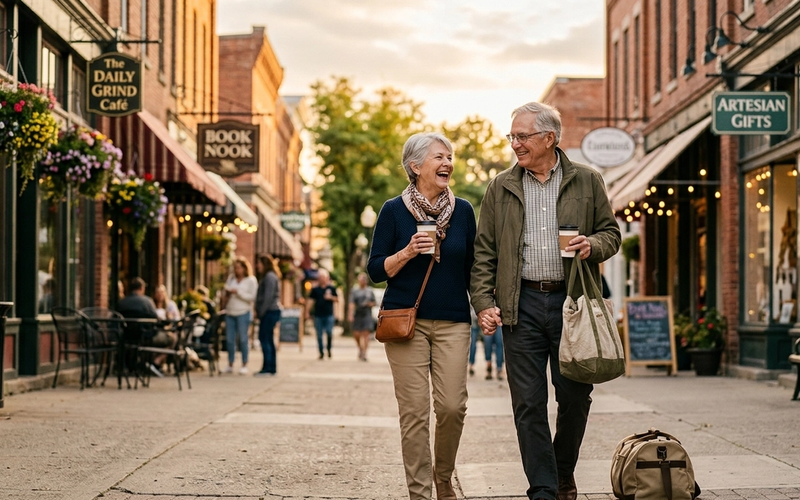
Best Weekend Trips and Short Getaways for Seniors
The best weekend trips for seniors are short, close to home, and built around one relaxed idea. Here are the kinds of short getaways that work well for older travelers, with real examples and how to plan one.

Hospital Discharge Planning for Seniors: A Family Guide
A hospital discharge for an older parent is a decision, not just a notice. Here is how discharge planning actually works, where families have leverage, and how to appeal a discharge you think is unsafe.
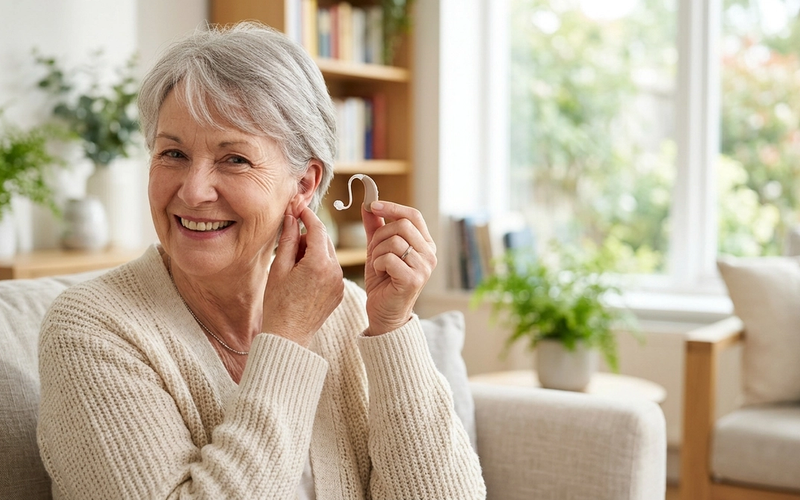
OTC Hearing Aids for Seniors: A 2026 Buyer's Guide
Over-the-counter hearing aids let adults with mild to moderate hearing loss skip the clinic and buy directly. Here is what they cost, who they fit, who should avoid them, and how they compare with prescription devices.
Explore senior living options
Comparing care for yourself or a family member? Browse communities by care type and see what each option typically costs.
- Assisted livingHelp with daily activities, costs, and how to choose a community.
- Independent livingMaintenance-free communities for active older adults.
- Home careIn-home support for seniors aging in place.
- Nursing homesSkilled nursing care and Medicare star ratings.
- Senior apartmentsAge-restricted, budget-friendly rental housing.
- Cost of senior livingCompare typical monthly prices by care type and state.