
Senior Veterans Benefits Guide: Simple Steps to Access Your Full VA Support
More than 18.2 million veterans aged 65 or older live in the United States today, yet many miss out on veterans assistance programs for seniors that provide essential financial and healthcare support. These veterans have earned valuable benefits through their service, but application confusion and eligibility misconceptions prevent many from accessing what they deserve. Veterans benefits for…

More than 18.2 million veterans aged 65 or older live in the United States. Many don't know about veterans assistance programs that provide financial and healthcare support. These programs exist because veterans earned them through their service, but confusion about eligibility and how to apply keeps many from using them.
Veterans benefits for elderly care include tax-free home care payments and programs that help cover care expenses. Qualified recipients can receive over $2,000 per month. VA benefits cover disability compensation, pension, healthcare, home loans, and burial services.
Finding the right veterans elder care takes some research. This guide explains what benefits you've earned and how to access them. Most applicants must show that their income goes primarily toward care expenses. Veterans with dishonorable discharges cannot receive assistance.
The Eldercare Locator and BenefitsCheckUp® connect older Americans with local support resources for food, medicine, health care, and other needs. Use these alongside VA benefits to build a complete support system. This guide walks through eligibility requirements, explains key financial assistance programs, and outlines care options available to you as a senior veteran.
- Understanding VA Benefits for Senior Veterans
- Who qualifies as an elderly veteran?
- Overview of VA benefits for seniors
- Why many veterans miss out on benefits
- Key Financial Assistance Programs
- Aid and Attendance benefit
- Housebound allowance
- VA pension for low-income veterans
- Special Home Adaptation and Housing Grants
- Care Options for Elderly Veterans
- VA nursing homes vs. state veterans homes
- In-home care services and eligibility
- Adult day health care and respite programs
- Home-based primary care and skilled nursing
- Palliative and hospice care options
- How to Apply and Get Help
- Step-by-step application process
- Working with a Veterans Service Officer (VSO)
- Required documents and forms
- Where to apply: online, mail, or in person
- Bottom Line
- Key Takeaways
- FAQs
Understanding VA benefits for senior veterans
More than 18.2 million veterans over 65 live in the U.S. today. They served in World War II, Korea, Vietnam, the Persian Gulf, and other conflicts. Knowing who qualifies and what benefits exist can help these veterans and their families access what they've earned.
Who qualifies as an elderly veteran?
The VA considers veterans aged 65 or older as elderly, though some benefits are available to younger veterans who meet specific requirements. To qualify for most VA benefits, veterans must have separated from service under conditions other than dishonorable. Wartime veterans must have served at least 90 days of active duty with at least one day during a war. Veterans who started active duty after September 7, 1980, must generally have served at least 24 months or their full contract period.
Overview of VA benefits for seniors
Senior veterans can access disability compensation, pension benefits, healthcare, home loans, insurance, and burial assistance. The Aid and Attendance benefit provides additional monthly payments for veterans who need help with daily activities like bathing or dressing. The Housebound benefit offers increased monthly payments for veterans confined to their homes due to permanent disabilities.
Healthcare includes geriatric care, extended care, and long-term care delivered at home, VA medical centers, or community facilities. Each state has different rules about assisted living and nursing homes.
Why many veterans miss out on benefits
About 16.5 million veterans don't access their earned benefits. The reasons are straightforward: confusing applications, wrong ideas about eligibility, and tight deadlines. Some think only combat veterans qualify. Others wrongly assume only those with honorable discharges can apply. The paperwork is complex and time-sensitive, which discourages many from trying.
Some veterans think they can't work while receiving benefits or confuse Social Security with VA disability benefits. Others avoid filing mental health claims because they worry about losing legal rights. Misinformation combined with complicated procedures stops many deserving veterans from getting what they've earned.
Key Financial Assistance Programs
Senior veterans facing healthcare and living expenses can access several financial assistance programs. These can provide substantial monthly support to help cover care costs.
Aid and Attendance benefit
The Aid and Attendance (A&A) benefit adds monthly payments on top of VA pension for qualified veterans. You must receive a VA pension and meet at least one of these requirements:
- Need help with daily activities like bathing or dressing
- Must stay in bed for significant parts of the day due to illness
- Live in a nursing home due to a mental or physical disability
- Have limited eyesight (5/200 or less in both eyes even with glasses)
As of 2025, married veterans can receive up to $2,795 per month, single veterans up to $2,358, and surviving spouses up to $1,515. Apply using VA Form 21-2680, which you can mail or bring to a VA regional office.
Housebound allowance
The Housebound allowance increases monthly pension payments for veterans permanently confined to their homes. You cannot receive both Housebound and Aid and Attendance benefits at the same time. To qualify, you need either a single disability rated 100% disabling or a 100% disability plus another rated at 60% or higher.
VA pension for low-income veterans
This tax-free benefit helps wartime veterans who meet specific requirements. You must have served at least 90 days of active duty with one day during wartime. You must be either age 65 or older, totally disabled, in a nursing home, or receiving Social Security Disability Insurance. Your income and net worth must fall below yearly limits set by law.
Special Home Adaptation and Housing Grants
These grants help veterans with service-connected disabilities modify their homes for independent living. The Specially Adapted Housing (SAH) grant provides up to $121,812 (FY 2025) for veterans with severe mobility disabilities. Veterans with less severe disabilities can access the Special Home Adaptation (SHA) grant, which offers up to $24,405. You can use these grants up to six times in your lifetime.
Care Options for Elderly Veterans
Senior veterans can choose from several care options designed for different needs and preferences. These services help you maintain your independence and quality of life while receiving the support you need.
VA nursing homes vs. state veterans homes
The VA provides nursing home care through three programs: VA Community Living Centers, State Veterans Homes, and Community Nursing Home Programs. The VA pays for about 14,500 veterans in 153 state-run nursing homes. State Veterans Homes are owned by states but inspected by the VA to meet quality standards. Visiting both types of facilities can help you see which environment works better for you.
In-home care services and eligibility
Veterans who want to stay home can access homemaker services through the VA. Trained aides help with daily activities like bathing, dressing, and grocery shopping. All enrolled veterans are eligible if they meet clinical criteria and services are available in their area. This lets you stay independent while getting necessary support.
Adult day health care and respite programs
Adult Day Health Care offers social activities, peer support, and health services at VA medical centers, State Veterans Homes, or community organizations. You can attend daytime programs and return home each evening. Respite Care gives family caregivers breaks for up to 30 days per year, available as home respite or in a nursing home. Both services recognize that caregivers need support.
Home-based primary care and skilled nursing
An interdisciplinary team—including physicians, nurses, social workers, and rehabilitation specialists—delivers care directly to your home. This program mainly serves veterans who have trouble traveling to appointments. You get the same quality medical care without the difficulty of getting to appointments.
Palliative and hospice care options
Hospice care serves veterans with terminal conditions (less than six months to live) with no copays required. Palliative care focuses on comfort and symptom management across all disease stages, not just end-of-life. Both emphasize quality of life and dignity during difficult times.
How to Apply and Get Help
Applying for VA benefits takes some research, but understanding the process makes it easier to get the support you've earned. Many veterans succeed by working with people who know the VA system well.
Step-by-step application process
Start by deciding which specific benefit you need—pension, healthcare, or disability compensation. Gather your documents, including service records and medical evidence. You can apply online, by mail, in person, by fax, or with professional help. If you apply by paper, submit an intent to file form before your full application to secure an earlier effective date for possible retroactive payments.
Working with a Veterans Service Officer (VSO)
VSOs are trained professionals who know the VA system inside and out. These accredited representatives help prepare and file your claims at no cost. Most successful applications—75 to 90 percent—go through county veterans service offices. Find a VSO using the VA's search tool or by contacting your state's Department of Veterans Affairs. Complete VA Form 21-22 to appoint a VSO to represent you.
Required documents and forms
Most benefits require specific documentation:
- DD214 or other separation documents
- Service treatment records
- Medical evidence related to your condition
- Income and net worth information (for pension claims)
Some benefits need particular forms, such as VA Form 21-2680 for Aid and Attendance.
Where to apply: online, mail, or in person
Online applications through VA.gov are often fastest. Mail applications go to the appropriate intake center, typically in Janesville, Wisconsin. VA regional offices offer in-person help. You can also call 800-698-2411 for assistance. Applying is the only way to find out if you qualify.
Bottom line
Finding and applying for VA benefits takes some research, but these programs offer substantial support for senior veterans. The system includes multiple financial assistance options—from Aid and Attendance benefits to housing grants—along with various care services that help you maintain independence and quality of life.
Many qualified veterans never access the benefits they've earned. Understanding your eligibility and available programs helps you get the full range of support designed for senior veterans. Whether you need financial help, healthcare, or home modifications, the VA has multiple options for your specific situation.
Applying requires gathering the right documents and choosing how to submit. Veterans Service Officers can help at no cost, and they handle the majority of successful applications. Online applications are often fastest, but you can also apply by mail or in person at VA regional offices.
You earned these benefits through military service. Start by gathering your DD214, medical records, and income information. Contact a VSO if you need help, or call 800-698-2411. Applying is the only way to learn what benefits you qualify for.
Key Takeaways
Senior veterans can receive over $2,000 monthly in financial support, yet many don't know about these programs or how to apply.
• 18.2 million veterans aged 65 and older qualify for VA benefits including disability compensation, pension, healthcare, and specialized elder care.
• Aid and Attendance benefit provides up to $2,795 monthly for married veterans needing help with daily activities like bathing or dressing.
• Care options beyond nursing homes include in-home services, adult day health care, and specialized medical programs for senior veterans.
• Veterans Service Officers provide free professional help, handling 75 to 90 percent of successful VA claims.
• Applying is the only way to determine what you qualify for. Gather your DD214, medical records, and income documentation to start.
Accessing your full VA support starts with understanding your options and taking action. Don't let complicated paperwork stop you from getting the benefits you've earned.
FAQs
Q1. What financial assistance programs are available for senior veterans? Senior veterans may qualify for the Aid and Attendance benefit, Housebound allowance, and VA pension for low-income veterans. These can provide substantial monthly payments to cover care and living expenses.
Q2. How can elderly veterans access in-home care services? The VA offers homemaker services where trained aides help with daily activities like bathing, dressing, and grocery shopping. You must be enrolled in VA healthcare and meet clinical criteria.
Q3. What are the eligibility requirements for VA benefits for senior veterans? Generally, veterans aged 65 or older who separated from service under conditions other than dishonorable may qualify. For some benefits, you must have served at least 90 days of active duty with at least one day during wartime.
Q4. How can a senior veteran apply for VA benefits? Apply online through VA.gov, by mail, or in person at a VA regional office. Gather documents like your DD214, service records, and medical evidence before applying. A Veterans Service Officer can help navigate the process at no cost.
Q5. What care options are available for elderly veterans beyond nursing homes? Elderly veterans can access in-home care, adult day health care, home-based primary care, and palliative and hospice care. These programs provide comprehensive support tailored to individual needs and preferences.
Frequently asked questions
Get matched
Looking for senior care for someone you love?
Tell us what you're considering. We'll share independent matches and pricing directly with you. No phone calls until you ask for one.
- Takes about two minutes to complete.
- Pricing details emailed to you. No phone calls until you ask for one.
- Independent matching. We do not own the communities we list.
Loading the matching form…
Powered by SilverAssist. By submitting this form you agree to our privacy policy.
More from our editors
All articles
Best Weekend Trips and Short Getaways for Seniors
The best weekend trips for seniors are short, close to home, and built around one relaxed idea. Here are the kinds of short getaways that work well for older travelers, with real examples and how to plan one.
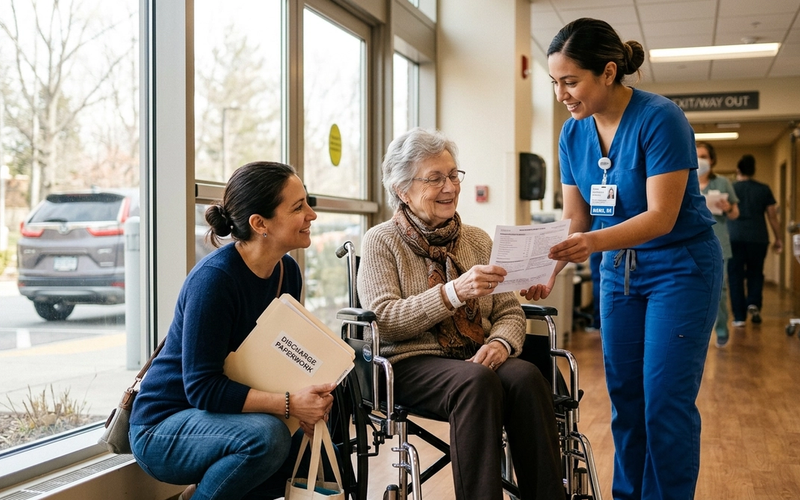
Hospital Discharge Planning for Seniors: A Family Guide
A hospital discharge for an older parent is a decision, not just a notice. Here is how discharge planning actually works, where families have leverage, and how to appeal a discharge you think is unsafe.

OTC Hearing Aids for Seniors: A 2026 Buyer's Guide
Over-the-counter hearing aids let adults with mild to moderate hearing loss skip the clinic and buy directly. Here is what they cost, who they fit, who should avoid them, and how they compare with prescription devices.
Explore senior living options
Comparing care for yourself or a family member? Browse communities by care type and see what each option typically costs.
- Assisted livingHelp with daily activities, costs, and how to choose a community.
- Independent livingMaintenance-free communities for active older adults.
- Home careIn-home support for seniors aging in place.
- Nursing homesSkilled nursing care and Medicare star ratings.
- Senior apartmentsAge-restricted, budget-friendly rental housing.
- Cost of senior livingCompare typical monthly prices by care type and state.