
Seniors Loneliness: The Essential Guide to Recognizing Signs and Finding Real Solutions
Loneliness affects 56% of older adults, with around 33% of older adults reporting they felt lonely some of the time or often in the past year. This common challenge extends beyond temporary feelings, as research demonstrates that loneliness and social isolation connect to higher risks for serious health problems such as heart disease, depression, and cognitive decline. When…

Loneliness affects 56% of older adults, with about 33% reporting they felt lonely some of the time or often in the past year. The problem runs deeper than temporary feelings. Research shows that loneliness and social isolation increase the risk of heart disease, depression, and cognitive decline. For families and caregivers, spotting the warning signs matters because the stakes are real. This guide explains what senior loneliness looks like, helps you identify it, and offers practical steps to help older adults stay connected and healthier.
- Understanding Senior Loneliness and Social Isolation
- What is loneliness in older adults
- What is social isolation
- Key differences between loneliness and isolation
- Why seniors are more vulnerable
- Recognizing the Signs of Loneliness in Elderly People
- Physical health warning signs
- Emotional and behavioral changes
- Social withdrawal patterns
- Cognitive decline indicators
- Health Risks and Consequences of Loneliness in Seniors
- Mental health effects
- Physical health conditions
- Daily life challenges
- Long-term health outcomes
- Practical Solutions for Addressing Loneliness
- Building and maintaining social connections
- Technology options for staying connected
- Community activities and engagement
- Professional help and support resources
- Daily routines that encourage connection
- Volunteering and finding purpose
- Bottom line
- FAQs
Understanding senior loneliness and social isolation
What is loneliness in older adults
Loneliness is the feeling of being alone or disconnected, even when surrounded by people. An older adult can feel lonely in a crowded room. It reflects the gap between how much connection someone wants and how much they actually have. About 11.8% of older adults worldwide experience loneliness, and roughly 43% of adults aged 60 and older in the United States report feeling lonely.
What is social isolation
Social isolation is different—it means actually having few or infrequent social contacts. It includes living alone, having few people in your life, or rarely seeing family and friends. About 24% of community-dwelling Americans aged 65 and older are socially isolated. This is measurable and physical, unlike loneliness, which is emotional.
Key differences between loneliness and isolation
The two don't always go together. About 28% of older adults in the United States live alone but don't feel lonely. Others have many friends yet feel profoundly isolated. Social isolation is about your actual circumstances—who you see and how often. Loneliness is about how you feel. Someone might prefer living alone and feel fine. Someone else might have daily contact with family but feel the connection isn't real.
Why seniors are more vulnerable
Getting older itself doesn't cause loneliness. But certain things happen more often with age: losing friends or a spouse, developing chronic illness, losing hearing or vision. About 80% of adults aged 65 and older have at least one chronic disease. Retirement, reduced mobility, and physical limitations make it harder to get out and see people. Losing a spouse is one of the hardest hits. These factors feed each other—isolation worsens health problems, and health problems worsen isolation.
Recognizing the signs of loneliness in elderly people
Many older adults hide loneliness out of pride or shame, so the warning signs can be subtle. Family members often miss them.
Physical health warning signs
Physical symptoms often show up first:
- Unexplained aches and pains without a clear medical cause
- More frequent colds or infections from a weakened immune system
- Weight changes, either loss or gain
- Neglecting hygiene or grooming, often linked to depression
- Skipping doctor's appointments, not filling prescriptions, or not taking medications regularly
Emotional and behavioral changes
Watch for a parent calling more than usual without a specific reason, or conversations that stretch longer than they used to. They might repeat the same stories or questions. Complaints about health or pessimistic remarks dominate the talk. Mood shifts—seeming withdrawn, irritable, anxious, or just different—are signs something's wrong.
Social withdrawal patterns
Giving up hobbies they used to enjoy is a major red flag. They avoid calling family or friends, or skip gatherings altogether. Sometimes they leave social events early. Hours in front of the TV replace time with people. Their living space might become cluttered or neglected.
Cognitive decline indicators
Having trouble following conversations, remembering details, or finding words can signal that loneliness is affecting their mind. Simple tasks like taking out trash or paying bills feel overwhelming. Loneliness raises dementia risk by about 50%. Older adults who are lonely often struggle first with executive function—the ability to plan and organize. They might also become more vulnerable to scams or online shopping they don't need.
Health risks and consequences of loneliness in seniors
Loneliness affects every part of a senior's health. The risks are as serious as major physical health conditions.
Mental health effects
Depression and anxiety are common in lonely older adults. About 14% of adults aged 70 and over have a mental disorder. The two feed each other—mental illness leads to withdrawal, and isolation triggers depression and anxiety. Suicide rates are highest in this age group; about 16.6% of global suicides occur in people aged 70 and over. Loneliness is often a factor.
Physical health conditions
Lonely seniors have a 30% higher risk of heart attack or stroke. Dementia risk goes up by about 50%. High blood pressure, weight gain, and weakened immunity also increase.
Chronic loneliness changes the immune system in ways that promote inflammation and chronic disease. People who feel isolated develop weaker immune cells that can't fight off viruses well. The mortality risk from loneliness is as high as the risk from obesity or smoking.
Daily life challenges
Isolated seniors often become sedentary, which worsens health. Safety risks rise when someone lives alone with no regular check-ins. A fall could go unnoticed for days. Managing medications and keeping doctor's appointments gets harder without someone to help.
Long-term health outcomes
Social isolation raises the risk of dying from any cause by 26%. Studies over 40 years confirm this. Cognitive decline accelerates without regular mental stimulation. Hospital readmission rates and death rates after heart attacks are higher in isolated older adults.
Practical solutions for addressing loneliness
Addressing loneliness takes ongoing effort in different areas. These strategies have worked for many seniors and their families.
Building and maintaining social connections
Set aside time each day to call, email, or visit family, friends, or neighbors. Share your real feelings instead of keeping worries bottled up. Introduce yourself to neighbors or plan a small gathering. If you can manage it, a pet can provide companionship and lower stress.
Technology options for staying connected
Video calling apps like Zoom, FaceTime, and Skype let you see people face-to-face no matter the distance. Facebook helps you follow family events and reconnect with old friends. Smart speakers with voice control let you call without using your hands. Digital photo frames cycle through pictures of loved ones. Many libraries and senior centers teach free technology classes.
Community activities and engagement
Find classes or restart old hobbies at senior centers. Join a faith group, walking club, or book club to meet people with shared interests. Memory cafés provide safe places to socialize and connect.
Professional help and support resources
Talk to your doctor about loneliness; they can connect you with local resources. The Friendship Line and Senior Loneliness Line offer emotional support. Area Agencies on Aging have information about services in your area.
Daily routines that encourage connection
Build at least one social contact into each day. Add physical activity with others when you can, aiming for 150 minutes a week of moderate exercise.
Volunteering and finding purpose
Volunteering reduces loneliness and gives your life meaning. Help at hospitals, food banks, animal shelters, schools as a mentor, or faith organizations. Studies show volunteers aged 55 and older report better health than those who don't volunteer.
Bottom line
Senior loneliness is serious, but it's treatable. Start small—a daily phone call or a visit to your local senior center. The steps in this guide, from using video calls to volunteering, work for many people. Asking for professional help is smart, not a sign of weakness. Staying connected makes a real difference in health and how long you live.
FAQs
Q1. What are effective ways to overcome loneliness as a senior? Call or visit family and friends regularly. Pick up old hobbies or try new ones. Join a senior center, club, or class. If you can care for one, get a pet. Look into volunteer work that gives you purpose and people to see.
Q2. How can talking therapy help with feelings of loneliness? A therapist can help you understand your loneliness and find better ways to handle it. If social anxiety has kept you isolated, cognitive behavioral therapy (CBT) can be especially helpful.
Q3. What daily activities are recommended for seniors to stay healthy and engaged? Walk, stretch, or do yoga to stay mobile and keep your heart strong. Read, do puzzles, learn something new, or pursue a hobby to keep your mind sharp. Plan at least one social activity each day.
Q4. How does loneliness impact cardiovascular health? Loneliness raises the risk of heart attack or stroke by 30% in older adults. It also contributes to high blood pressure and inflammation that can trigger other chronic diseases.
Q5. Can technology help seniors stay connected with loved ones? Yes. Video calls through Zoom, FaceTime, or Skype let you see family face-to-face from home. Facebook keeps you in the loop with family events. Smart speakers let you make calls hands-free. Libraries and senior centers offer free tech classes if you need help learning.
Get matched
Looking for senior care for someone you love?
Tell us what you're considering. We'll share independent matches and pricing directly with you. No phone calls until you ask for one.
- Takes about two minutes to complete.
- Pricing details emailed to you. No phone calls until you ask for one.
- Independent matching. We do not own the communities we list.
Loading the matching form…
Powered by SilverAssist. By submitting this form you agree to our privacy policy.
More from our editors
All articles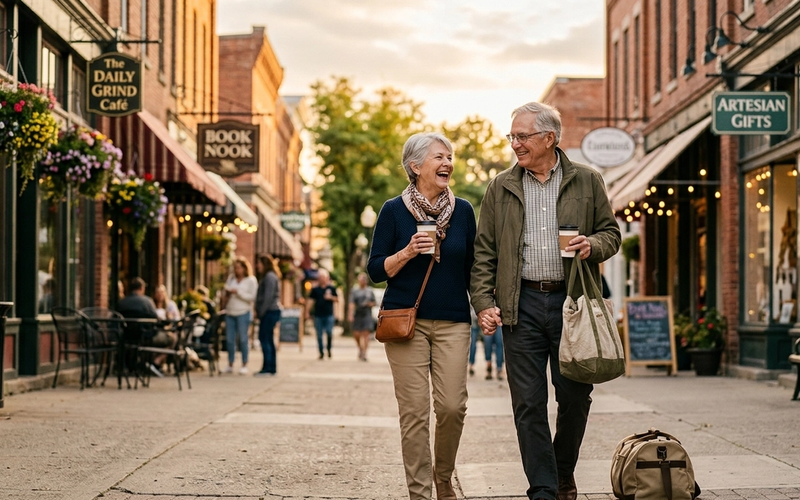
Best Weekend Trips and Short Getaways for Seniors
The best weekend trips for seniors are short, close to home, and built around one relaxed idea. Here are the kinds of short getaways that work well for older travelers, with real examples and how to plan one.
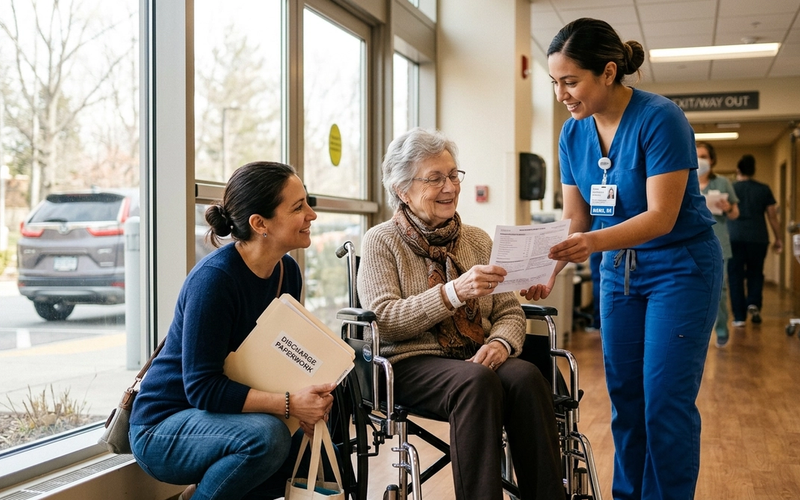
Hospital Discharge Planning for Seniors: A Family Guide
A hospital discharge for an older parent is a decision, not just a notice. Here is how discharge planning actually works, where families have leverage, and how to appeal a discharge you think is unsafe.
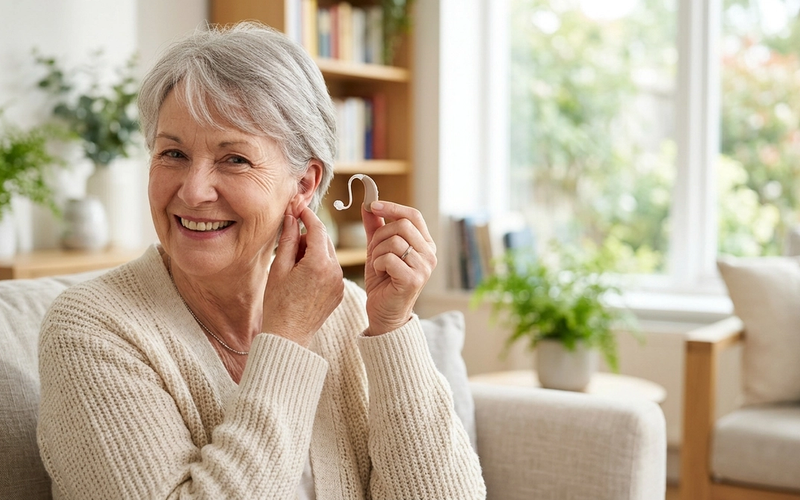
OTC Hearing Aids for Seniors: A 2026 Buyer's Guide
Over-the-counter hearing aids let adults with mild to moderate hearing loss skip the clinic and buy directly. Here is what they cost, who they fit, who should avoid them, and how they compare with prescription devices.
Explore senior living options
Comparing care for yourself or a family member? Browse communities by care type and see what each option typically costs.
- Assisted livingHelp with daily activities, costs, and how to choose a community.
- Independent livingMaintenance-free communities for active older adults.
- Home careIn-home support for seniors aging in place.
- Nursing homesSkilled nursing care and Medicare star ratings.
- Senior apartmentsAge-restricted, budget-friendly rental housing.
- Cost of senior livingCompare typical monthly prices by care type and state.