Key Takeaways
Supporting elderly mental health requires consistent daily actions and knowing when to seek professional help. Here are the essential strategies every caregiver should implement:
• Prioritize daily physical activity and social connections – Even 15 minutes of movement daily plus regular social interaction significantly reduces depression and cognitive decline in seniors.
• Establish consistent routines with mental stimulation – Structured daily schedules combined with puzzles, games, and learning activities can delay memory decline by up to 2½ years.
• Utilize Medicare and crisis resources when needed – Medicare covers mental health services, while 24/7 helplines like 988 Crisis Lifeline and Friendship Line (1-800-971-0016) provide immediate support.
• Practice caregiver self-care to prevent burnout – At least 20% of family caregivers experience depression, making your own mental health essential for effective caregiving.
• Recognize that mental health decline isn’t inevitable with aging – While 14% of adults over 70 have mental disorders, proper support and intervention can maintain quality of life and independence.
Remember: Mental health support for elderly individuals works best when combined with understanding, patience, and access to professional resources when needed.
Mental health support for elderly individuals is critically important, with approximately 1 in 5 adults experiencing some type of mental illness each year. We often focus on physical health needs as seniors age, but the emotional and psychological aspects of wellbeing require just as much attention. As caregivers, understanding how to support aging mental health can make a significant difference in our loved ones’ quality of life.
The challenges of senior mental health are complex and often overlooked. Additionally, many adults have co-occurring substance use disorder and mental illness, which can complicate care approaches. Resources for seniors facing these challenges do exist, such as The Institute on Aging Friendship Line (1-800-971-0016), available 24/7 year-round in English, Spanish, Mandarin, and Cantonese. However, navigating these resources while managing day-to-day care responsibilities can feel overwhelming.
In this handbook, we’ll explore practical, straightforward approaches to supporting elderly mental health. From simple daily activities to professional mental health resources for older adults, our goal is to provide caregivers with actionable strategies that make a real difference. Whether you’re caring for a parent, spouse, or other senior loved one, these tools can help you foster positive mental wellbeing throughout the aging process.
Understanding Aging Mental Health and Why It Matters
Contrary to common belief, mental health decline is not an inevitable part of aging. Yet approximately 14% of adults aged 70 and older live with a mental disorder, with depression and anxiety being the most prevalent conditions among seniors.
Mental health significantly impacts older adults’ quality of life and functional abilities. Untreated mental health issues can lead to reduced independence, increased disability, cognitive decline, slower physical healing, and in serious cases, elevated suicide risk. Notably, one-sixth of global suicide deaths (16.6%) occur among people aged 70 or older.
For caregivers, understanding these connections is crucial. Mental disorders often intertwine with physical ailments like heart disease, diabetes, and chronic pain, creating complex care situations. About 65% of patients with depression report at least one type of pain symptom, illustrating this mind-body relationship.
Several factors uniquely affect aging mental health:
- Bereavement and significant losses
- Retirement and income changes
- Social isolation (affecting roughly 25% of older adults)
- Elder abuse (experienced by one in six older adults)
- Caregiving responsibilities
Sadly, mental health conditions among older adults remain underrecognized and undertreated. Nearly two-thirds of older adults with mental health problems don’t receive needed treatment. Many seniors view mental illness as a weakness, contributing to this treatment gap.
Recognizing these realities helps caregivers provide more effective mental health support for elderly loved ones.
Daily Actions to Support Senior Mental Health
Supporting elderly mental health starts with simple daily actions that make a profound difference. Regular physical activity boosts brain health and cognitive function while reducing anxiety and depression. Even 15 minutes of daily movement improves quality of life for adults over 60.
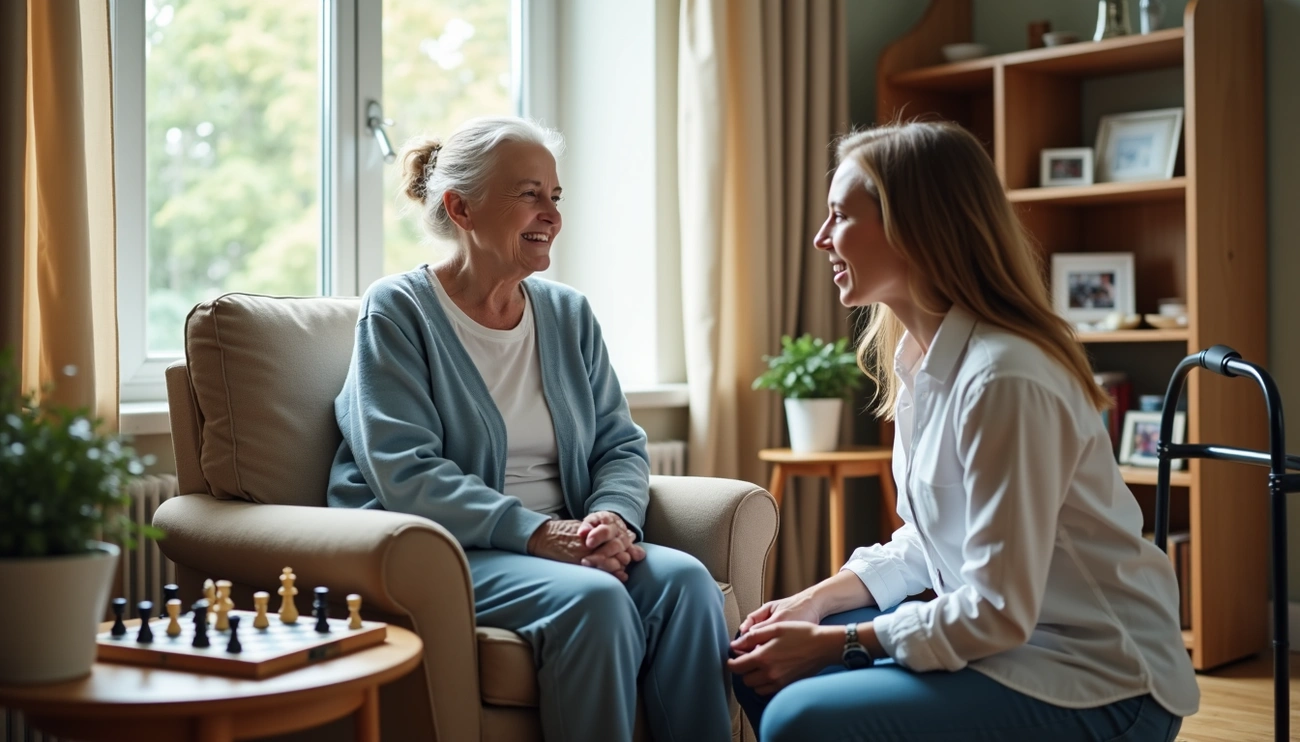
Social connections play a vital role in senior mental wellness. About one-fourth of older adults experience social isolation or loneliness, increasing their risk for heart disease, depression, and cognitive decline. Scheduling regular communication through calls, visits, or group activities helps combat these feelings. Joining exercise groups or volunteering creates opportunities for meaningful interaction.
Mental stimulation through puzzles, games, and learning new skills keeps the aging brain sharp. Research shows crossword puzzles may delay memory decline by 2½ years, while number puzzles like sudoku can improve cognitive performance equivalent to being eight years younger.
Establishing consistent daily routines reduces anxiety by providing stability and predictability. Incorporate balanced meals rich in colorful fruits, vegetables, and healthy fats which have been linked to lower rates of depression. Adequate sleep further supports memory and emotional regulation.
Creating a supportive environment with decluttered, safe spaces helps seniors feel calm and in control. For caregivers, practicing self-care is essential-at least 7 hours of sleep nightly alongside regular exercise prevents caregiver burnout.
Mental Health Resources for Older Adults and Caregivers
Accessing professional mental health support for elderly individuals begins with knowing where to turn. First on the list is the 988 Suicide & Crisis Lifeline, available 24/7 for anyone experiencing a mental health crisis. For seniors specifically, the Friendship Line (1-800-971-0016) offers emotional support designed for adults 60+ and those with disabilities.
Medicare covers a wide range of mental health resources for older adults, including outpatient counseling, psychiatric evaluations, and partial hospitalization. After meeting the Part B deductible, seniors pay 20% of Medicare-approved amounts for provider visits. Medicare drug coverage (Part D) helps cover most antidepressants, anticonvulsants, and antipsychotics.
Caregivers face unique challenges when supporting loved ones with mental illness. The Family Caregiver Alliance reports that at least 20% of family caregivers suffer from depression. Fortunately, resources specifically for caregivers include:
- Crisis Text Line: Text support for any crisis, available 24/7
- SAMHSA National Helpline: 24/7 treatment referral service
- Eldercare Locator: Connects seniors to local services
- Caregiver Mental Health Toolkit: Resources for self-care and support
State programs also exist, such as the Older Adult Program in Tennessee for people 50+ offering therapy and care coordination in 43 counties. Community support groups through organizations like NAMI provide peer-led opportunities to share experiences.
Conclusion
Supporting elderly mental health requires patience, understanding, and consistent effort. Throughout this handbook, we’ve seen that mental wellbeing isn’t just an additional consideration but rather a core component of overall health for aging adults.
Simple daily activities actually create powerful positive impacts. Physical movement, social connections, mental stimulation, and routine all work together to maintain cognitive function and emotional balance. These straightforward approaches help seniors maintain independence and joy during their later years.
Resources exist for both older adults and those who care for them. Medicare coverage, helplines, and community support groups provide essential assistance when professional intervention becomes necessary. Certainly, navigating these systems can feel overwhelming at first, but connecting with the right support makes all the difference.
Caregivers must remember that self-care isn’t selfish but necessary. Your mental health matters equally to that of your loved one. Taking time for your own wellbeing enables you to provide better care while preventing burnout.
The journey of supporting an elderly loved one’s mental health comes with challenges. However, armed with knowledge, resources, and practical strategies, we can make meaningful differences in their quality of life. Most importantly, this care demonstrates that mental health at any age deserves attention, compassion, and dedicated support.
FAQs
Q1. What are some simple ways to support elderly mental health? Encouraging regular social connections, maintaining a consistent daily routine, supporting physical activity, helping seniors stay mentally active, ensuring proper nutrition and sleep, and creating a safe and comfortable environment are all effective ways to support elderly mental health.
Q2. How does mental health affect physical wellbeing in older adults? Mental health significantly impacts older adults’ quality of life and functional abilities. Untreated mental health issues can lead to reduced independence, increased disability, cognitive decline, and slower physical healing. Mental disorders often intertwine with physical ailments like heart disease, diabetes, and chronic pain.
Q3. What resources are available for elderly mental health support? There are several resources available, including the 988 Suicide & Crisis Lifeline, the Friendship Line for seniors, Medicare coverage for mental health services, community support groups, and state-specific programs. Additionally, caregivers can access resources like the Crisis Text Line and SAMHSA National Helpline.
Q4. How can caregivers improve their own mental health while caring for the elderly? Caregivers can improve their mental health by practicing self-care, getting adequate sleep (at least 7 hours nightly), exercising regularly, and seeking support through resources like helplines and community groups. It’s important to remember that taking care of oneself is crucial for providing better care to others.
Q5. What are some daily activities that can boost mental health in seniors? Regular physical activity, engaging in social connections, mental stimulation through puzzles and games, learning new skills, maintaining consistent daily routines, and ensuring a balanced diet rich in fruits, vegetables, and healthy fats can all contribute to improved mental health in seniors.